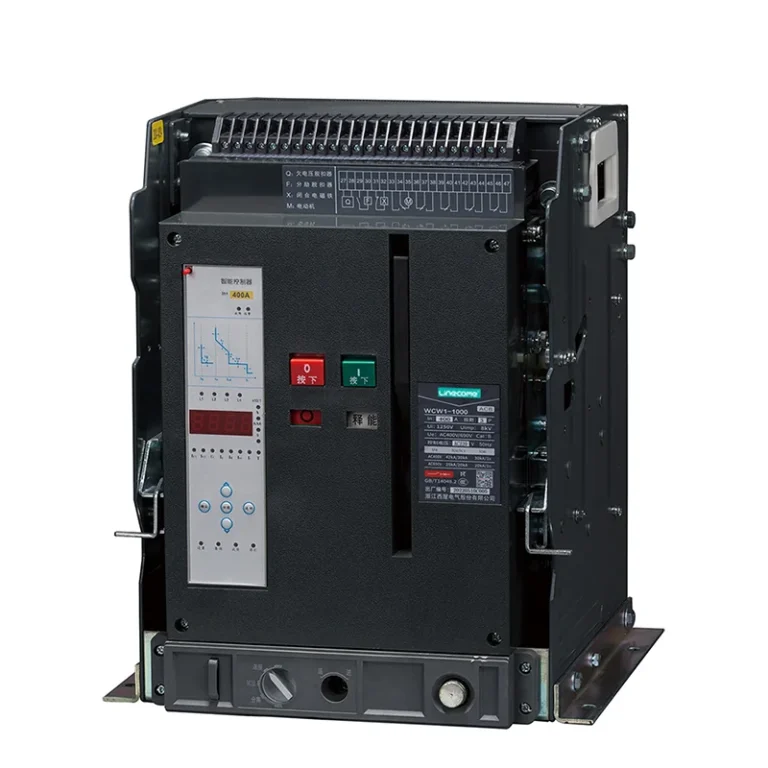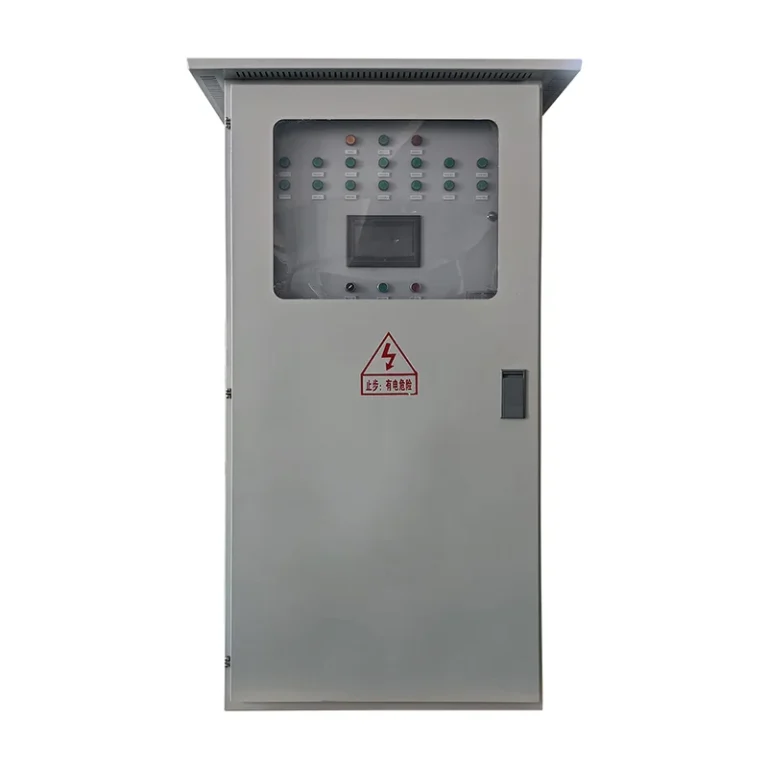

Duplex pump alternation changes which of two pumps receives the lead assignment. It does not, by itself, define when both pumps should run or how a failed pump is replaced. A usable control specification must separately describe lead selection, lag demand, pump availability, operating feedback and recovery after a fault. Verify those decisions through a recorded sequence test before accepting the panel. Watching two lamps change in turn proves much less than demonstrating the intended pumping response under both normal and unavailable-pump conditions.
This guide focuses on assignment and changeover. Sensor wiring, hydraulic sizing and pressure-loop tuning remain separate engineering tasks.
Define what each operating role means
The lead pump is the first selected unit for a qualifying demand. A lag pump may join when demand exceeds the defined staging condition. A standby pump may instead be reserved to replace an unavailable duty pump. Project terminology varies, so the written sequence must say what the roles actually do. The word duplex only establishes that two pump positions are involved.
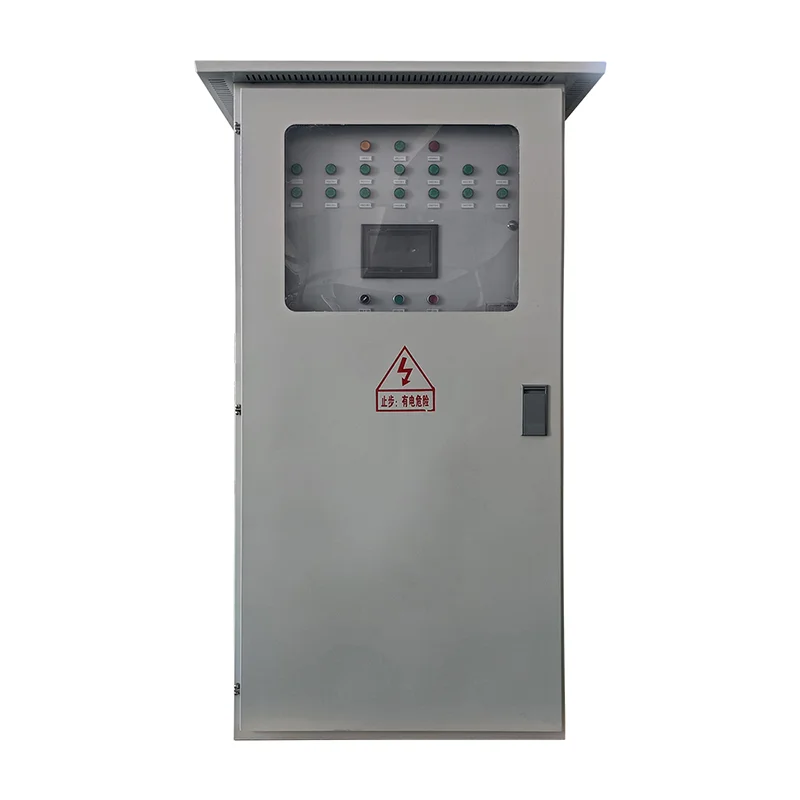
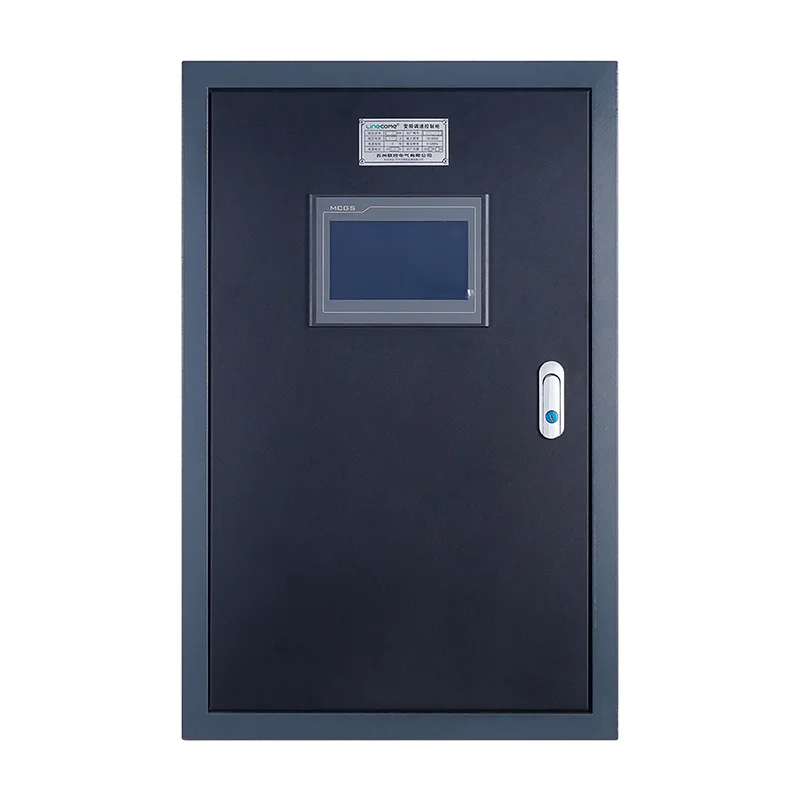
LINECOME’s pump control cabinet is relevant to a pumping-system inquiry. Its exterior does not prove that a particular alternation function, PLC, sensor or backup sequence is installed. The product page describes a dual-pump option with alternating duty, high-level operation and fault-switching functions; the supplied configuration still needs to be confirmed. Request the actual control narrative, electrical drawings and equipment schedule. The broader PLC cabinet overview explains the cabinet’s place in an automation system.
As a jurisdiction-specific example, Virginia’s waterworks provisions on pumps and controls address alternation and excessive cycling. Those provisions apply within their own regulatory scope; they are not a universal specification for every industrial or wastewater pump panel.
Choose the alternation event explicitly
Possible project choices include changing the preferred lead after a completed pumping cycle, at a scheduled time, or according to measured running hours. These methods answer different operating questions. A cycle-based choice rotates opportunities to start, while a runtime-based choice needs reliable runtime information and an agreed balancing rule. Alternating two starts does not guarantee equal operating hours.
Write down exactly when the assignment is allowed to change. A rule that updates only after both pumps stop behaves differently from one that transfers duty during continuous demand. The latter requires a defined transition, because changing a role label should not accidentally interrupt necessary pumping or create an unapproved overlap.
A Town of Ledyard sewer pump replacement specification illustrates a project that distinguishes cycle and timed alternation and calls for lead indication. It is a dated project example, not the wiring or operating instructions for a LINECOME cabinet.
Establish availability before allocating lead duty
A pump can be physically present but unavailable for automatic selection. The agreed sequence may consider local mode, isolation status, a latched fault, a drive-ready signal or a maintenance exclusion. Define each input and its effect rather than inventing one generic “healthy” bit with no explanation.
Keep preferred lead and actual lead distinguishable in the operator display or event record. For example, the preferred pump might be Pump A while the active assignment is Pump B because A is excluded. Without that distinction, an operator can mistake a deliberate availability response for a failed alternator.
The maintenance exclusion must have a controlled restoration path. Returning a repaired pump to availability should not silently override an existing demand or start equipment unexpectedly. Specify whether restoration only makes the unit eligible for the next selection or initiates an immediate changeover, and have the responsible designer approve that behavior.
Separate alternation from lag staging
Alternation asks which available pump leads. Staging asks whether another pump is required. For a drainage application, the demand progression might be associated with rising level. For a pressure system, it may reflect the inability of the operating combination to meet the defined demand. The designer must choose the actual thresholds, delays and hydraulic constraints.
Do not specify that both pumps always run merely because the demand becomes high. Simultaneous operation depends on the power supply, starters or drives, piping, valves and pump duties. A standby design may deliberately prohibit routine parallel operation. An assist design may require both units during its approved peak condition.
Use the separate pump float-switch control guide for the input concept and multi-pump cabinet acceptance guide for the broader equipment review. Neither replaces a precise table showing assignment, eligibility and commanded outputs for this particular installation.
Turn the narrative into acceptance cases
The following table is a specification and test-planning aid. It contains no universal delay, pressure or level setting. The project examples above support defining explicit alternation behavior; the responsible designer must supply the actual acceptance criteria.
| Test condition | Decision the sequence must state | Evidence to record |
|---|---|---|
| New demand with both pumps available | Which pump is selected under the current alternation rule | Preferred lead, selected lead, command and independent response |
| Next qualifying alternation event | When the preferred assignment changes | Event trigger, old assignment and new assignment |
| Preferred pump excluded before demand | Whether the other pump is eligible to take duty | Exclusion reason, selection and alarm or indication |
| Selected pump commanded but expected feedback absent | Required alarm and whether transfer is permitted | Command timestamp, feedback timeout result and subsequent action |
| Demand reaches the approved assist condition | Whether a lag pump can join operation | Demand input, available pumps and allowed combination |
| Faulted pump restored while demand continues | Whether it waits or changes the operating combination | Reset action, eligibility and actual output behavior |
| Control power returns | How demand and stored preference are reconciled | Restart permissions, retained state and first accepted selection |
Verify feedback beyond the output command
A controller output indicates an instruction. A contactor auxiliary contact or drive-running signal provides a different observation. Flow or pressure response provides another. Decide which evidence establishes successful pumping and which signals merely establish electrical operation. A spinning motor cannot prove that the required process result is being achieved.
Define how the controller reacts when these observations disagree. A commanded pump without expected operating confirmation should generate the response specified for that condition. A confirmed motor with no useful pumping result may require a different alarm and investigation. Avoid combining every disagreement into one generic failure that leaves operators unable to identify the next safe action.
Consider feedback that remains active after a stop command. The acceptance case should state how that discrepancy is indicated and whether another pump is permitted to start. The correct response depends on the system; an unexplained signal must not automatically be treated as permission to transfer duty.
Test without creating an uncontrolled process event
Begin with a documented test boundary. Identify which cases can be demonstrated through approved simulation and which require a controlled operational test. A workshop test can validate a decision sequence without proving the installed pump, valve and pipework response. Keep those acceptance stages separate in the report.
For physical inspection or work, follow the applicable energy-control procedure. The HSE guidance on safe isolation is relevant to establishing the electrical work boundary. Selecting Off on an operator panel is a control action; the maintenance procedure must address the actual energy sources and access conditions.
Record every temporary simulation and its removal. Before returning the station to automatic operation, confirm that maintenance exclusions, forced inputs, test values and bypasses have the intended final state. A correct alternation test is incomplete if its temporary conditions remain active afterward.
Review power return and memory separately
After a supply interruption, the system may recover a stored preferred lead or calculate a new one. State which behavior is intended and how invalid or missing stored data are handled. The PLC retentive-memory guide discusses the separate question of stored values; retention alone does not establish a safe restart policy.
Availability and current demand must still be evaluated after power returns. A previously preferred pump may now be isolated or faulted. A stored command should not be accepted as evidence that the equipment is ready. The operating sequence needs a clear relationship between recovered information and present inputs.
Also decide what happens to any partially completed alternation event. If power fails during a transfer, the restarted controller needs a defined way to establish the actual system state. Test that recovery using the approved method rather than assuming that the last displayed label represents the current mechanical condition.
Ask for evidence that supports maintenance
An inquiry should include the application, pump duties, allowed running combinations, sensing method, expected demand range and required response when one pump is unavailable. Explain whether the goal is equal starting opportunities, approximate runtime balancing, standby availability or a combination. These goals can produce different control requirements.
The handover package should include a readable sequence table, drawings, software backup where applicable, alarm list and completed acceptance cases. Every recorded result should identify whether it came from simulation or installed operation. Include the manual intervention required to restore a faulted pump and the restrictions under which automatic transfer is allowed.
For ongoing review, keep separate counters for the quantities the project actually uses. Starts, running hours and unavailable hours describe different aspects of service. Comparing only total hours can hide frequent short cycling; comparing only starts can hide one long-running duty assignment. Agree the maintenance indicators with the operator rather than claiming that alternation alone guarantees equal wear.
Further learning: reading a control sequence
Jim Pytel’s ladder-logic lecture below explains how inputs, outputs and holding behavior are represented. It helps readers follow a written sequence. It is not a duplex pump program, hydraulic design or approved wiring diagram for the illustrated cabinet.
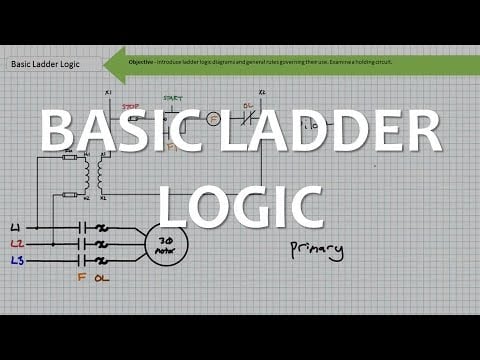
Video by Jim Pytel. Watch Basic Ladder Logic (Full Lecture) on YouTube.
Frequently asked questions
Does alternation guarantee equal pump wear?
No. It changes assignment according to a chosen rule. Runtime, number of starts, hydraulic duty and actual pump condition can differ, so the maintenance plan should use the relevant operating evidence.
Is standby transfer the same as alternating the lead pump?
No. Standby transfer responds to a defined unavailable or failed-duty condition. Alternation changes the preferred assignment at an agreed event. The specification needs to describe both when both are required.
What should happen when a repaired pump returns to Auto?
The approved sequence should define whether the pump simply becomes eligible or triggers a transfer. Verify that response during acceptance, including the indications and restart permissions, rather than leaving it to an undocumented assumption.