
A soft starter small motor test can check selected wiring, commands and operating responses only when the exact starter documentation permits the test motor and test configuration. It does not prove that the starter will accelerate the production load, meet the required starting duty or protect the final motor correctly. Some starters require a minimum operating load or a special test mode, so a much smaller motor can produce misleading results even when the power circuit is sound.
Decide what the bench test must establish
This guide is for commissioning engineers and buyers reviewing a factory demonstration when the final motor or driven machine is unavailable. The first decision is whether a substitute motor test is permitted and useful. The second is what evidence can legitimately be accepted from it. Motor size alone cannot answer either question.
A modest bench motor may be practical for checking an approved command sequence, direction indication or selected status contacts. It cannot reproduce the inertia, breakaway torque, process pressure or thermal duty of a large production machine. Write a test objective that names the signals and responses to be observed, then state which final application checks remain outstanding.
For example, a hypothetical factory demonstration might confirm that an authorized start command is accepted and an operating indication reaches the cabinet controller. That is control-chain evidence under the recorded conditions. It is not proof that a loaded pump reaches speed, that a conveyor starts without stalling or that the production motor overload settings are correct.
Why a very small load can mislead
A soft starter controls power semiconductor conduction and monitors conditions needed for its operating sequence. The detailed algorithms and minimum valid measurement range vary by model. Do not assume that a device selected for a large motor will behave normally with any smaller motor connected to its output.
At the semiconductor level, an SCR needs sufficient current to remain conducting after triggering. All About Circuits explains SCR holding current and why an unsuitable low-current test can give a misleading impression of a defective device. This is a component principle, not a formula for calculating the minimum test motor for an assembled starter.
The complete starter may introduce further restrictions through current measurement, phase monitoring and protection logic. A test fault can therefore reflect the substitute load or the test configuration rather than the intended production application. Preserve the fault information and compare it with the exact manual before changing settings or condemning the equipment.
Obtain the exact model’s permission
Request the model designation, current rating, firmware where relevant, permitted motor type and manufacturer’s test instructions. If a small-motor mode exists, obtain its restrictions and the list of functions it changes. Similar parameter names on another manufacturer’s starter do not establish a matching function on the unit being tested.
Manufacturer manuals illustrate why the check must be specific. An earlier Emotron MSF instruction manual describes a model-dependent minimum load condition. That historical document is useful research evidence that restrictions differ; its values must not be copied to a LINECOME starter. A test plan for the supplied unit needs its own written operating limits.
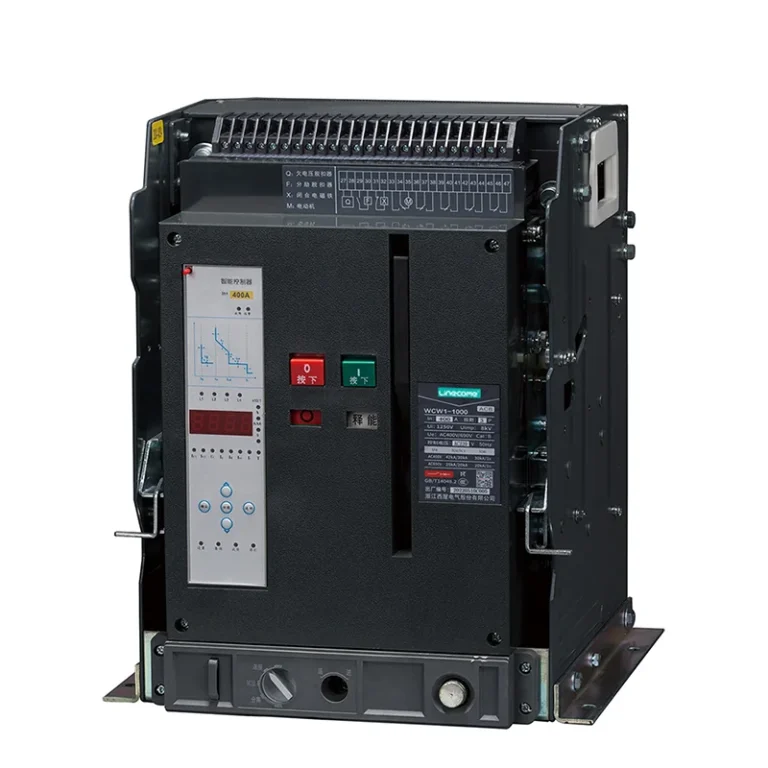
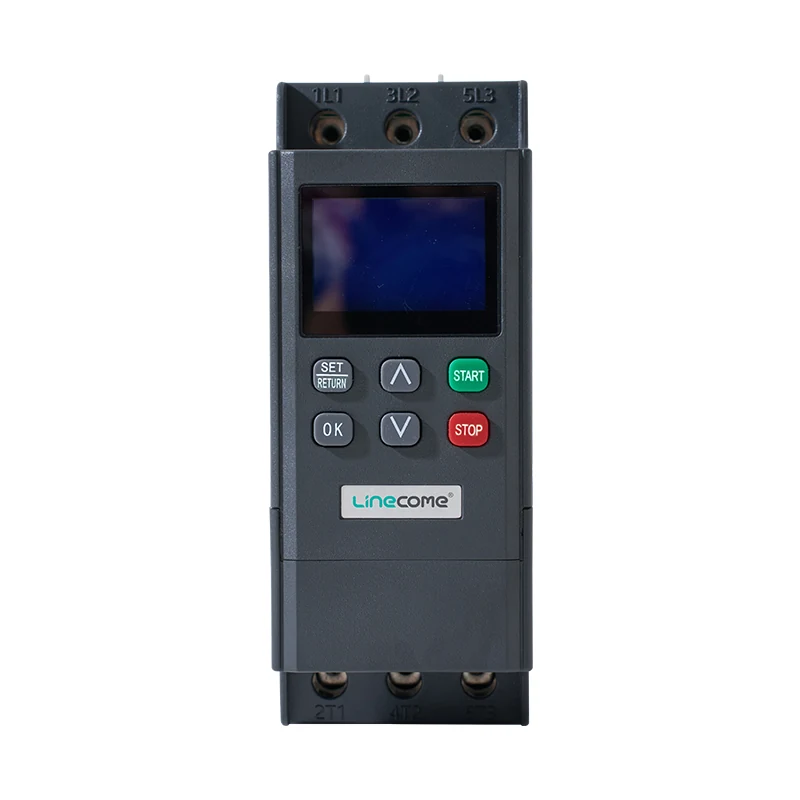
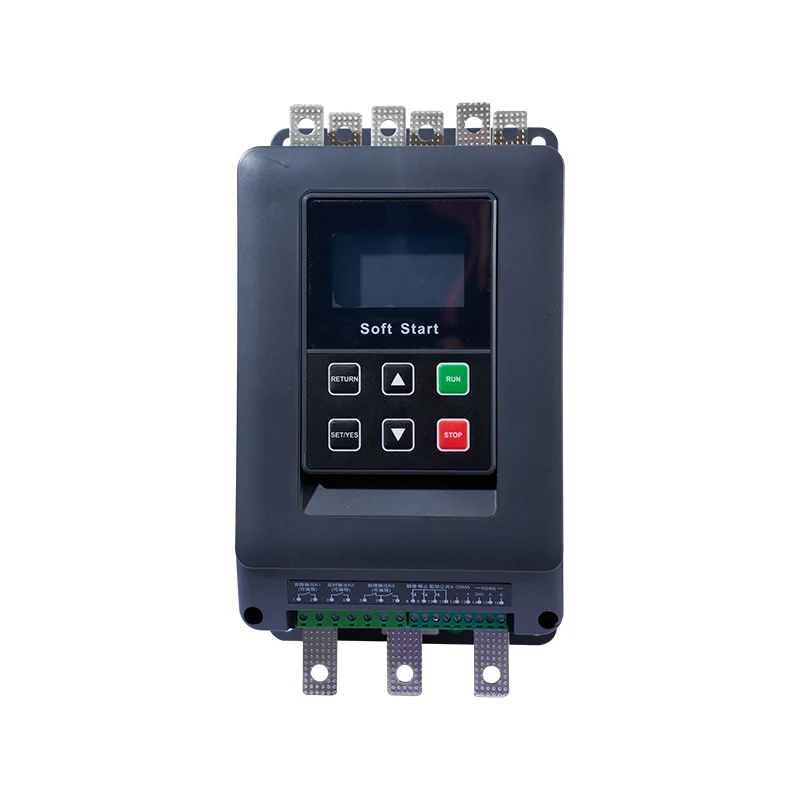
LINECOME lists the ZR900 15–37 kW online soft starter as a product for an equipment inquiry. The listing and exterior photograph do not establish an approved substitute motor size, a small-motor test function or the protection changes involved. Ask LINECOME to confirm those points for the exact supplied unit before booking a witnessed test.
Separate substitute-load evidence from final acceptance
Use a scope table to prevent a successful demonstration from expanding into an unsupported approval. The entries below are qualitative planning questions; the actual permitted test method must come from the equipment documentation and project procedure.
| Proposed observation | What an approved bench test may support | What still needs the final application |
|---|---|---|
| Start and stop commands recognized | Command path works in the recorded mode | Machine permissions and real operating sequence |
| Test motor rotates | Recorded motor and circuit operate under test conditions | Loaded acceleration, direction suitability and process outcome |
| Status reaches PLC or display | Selected indication path and mapping | Full fault coverage and installed cable/interface checks |
| Ramp appears smooth | Behavior of the substitute motor at that setting | Production breakaway torque and acceleration time |
| No fault occurs during demonstration | No detected fault within that test’s scope | Final protection coordination and actual duty |
| Repeated starts complete | Only the recorded limited test sequence | Permitted starts, cooling and production thermal demand |
A bench result should be described with its conditions and exclusions. The wider soft starter operating-principle guide explains reduced-voltage starting, while the starts-per-hour article addresses duty planning. Neither supports treating an unloaded demonstration as a thermal acceptance test.
Plan a controlled test arrangement
A competent person must define the supply, motor connection, protective arrangements, mechanical restraint and stopping method. Secure the test motor and assess the rotating shaft, attached coupling and surrounding work area. Removing the production machine does not remove the hazards of unexpected rotation or exposed electrical parts.
Keep the power circuit and control circuit documented. Identify any external supply that remains energized when the main supply is disconnected. For inspection or reconnection, use the agreed isolation procedure and verify the safe condition before work begins. HSE’s 2013 guidance on safe electrical working provides a planning framework; the project’s applicable rules and exact equipment instructions govern execution.
Do not use a successful control-power check as evidence that the power stage is ready for an arbitrary load. Check supply and motor compatibility against approved documentation. A soft starter is not a frequency converter, and its reduced-voltage starting function does not make a mismatched motor frequency or connection acceptable.
Record the baseline before temporary changes
Save the intended production settings and identify the temporary test configuration separately. Record the motor nameplate, starter identification, supply conditions, command source and permitted test duration. If the test mode changes monitoring or protection, list every affected function and the compensating conditions required by the approved procedure.
Do not disable protective functions merely to make a demonstration pass. A manufacturer-authorized test function may have a defined purpose and restrictions, but that is different from removing a fault without understanding its cause. Where there is no supported method, leave the test incomplete and request a suitable load or an alternative approved verification.
The soft starter current-measurement article helps separate a displayed current value from the sensing arrangement and measurement conditions. Record the instruments and method used in the bench test rather than assuming that the starter display and an external instrument must agree under every chopped-waveform condition.
Investigate an unsuccessful run in context
If the test motor does not accelerate, preserve the settings, indication, event sequence and observed behavior. Check the permitted load range and connection first. Compare command acceptance with power-stage response: an unaccepted command is a different problem from a recognized command followed by a monitored fault.
Do not increase initial voltage or extend a ramp repeatedly without an approved diagnostic plan. A substitute motor may already be outside the permitted test conditions. Repetition can obscure the original evidence and introduce heating. The motor-not-accelerating troubleshooting guide addresses the broader diagnostic path; this article focuses on deciding whether the bench arrangement can produce valid evidence at all.
A starter that passes with one small motor can still be unsuitable for the final load. Equally, a starter that rejects an unsupported tiny load is not automatically defective. In both cases, compare the observed result with the specific objective and permitted conditions before issuing an acceptance or rejection.
Restore the production configuration deliberately
At the end of testing, remove temporary commands, links, software forces and test loads according to the approved procedure. Restore production settings from the recorded baseline and read them back. Do not assume that power cycling clears every temporary change; persistence and reset behavior depend on the equipment.
Check motor protection, command ownership, monitoring, stopping behavior and any bypass-related sequence affected by the test. If the final motor is not available, mark its parameter verification and loaded test as pending. Give the site team a clear list of what must be confirmed before release to service.
The restoration record should identify who made the changes, the before-and-after configuration and the unresolved items. Attach the test report to the exact starter serial or project identifier. A video of a motor turning is useful supporting evidence, but without those records it cannot explain the equipment configuration or the acceptance boundary.
Learn the principle without copying settings
RealPars’ introductory lesson explains what a soft starter does. It is included to support the distinction between reduced-voltage starting and full application performance. It is not a small-motor test procedure and does not establish any ZR900 setting or permission.
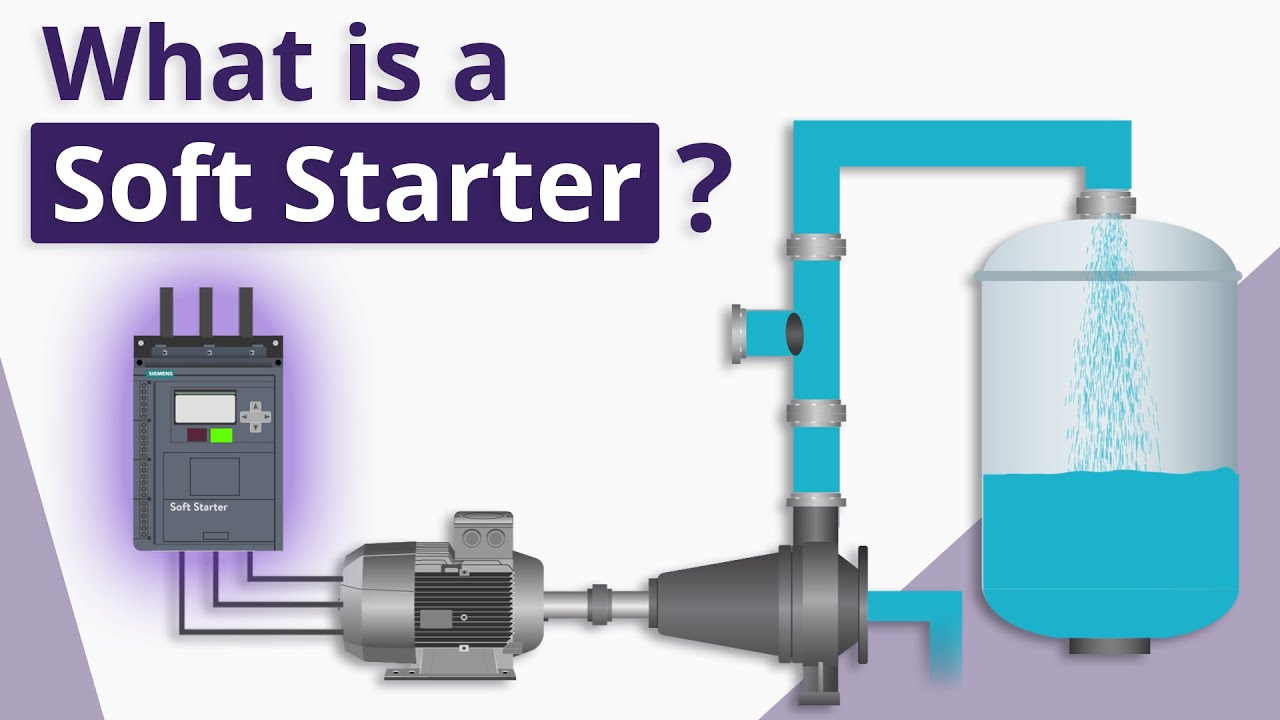
Video by RealPars. Watch What is a Soft Starter? (For Absolute Beginners) on YouTube.
For the final witnessed test, agree on the real motor, driven load, permitted starts and the signals to capture. Define success before energization: the required acceleration and process behavior, acceptable protection response and complete restoration. Keep the bench and production records separate so later reviewers can see which conclusions were actually demonstrated.
FAQ
Can the starter be proved good with no motor connected?
Only the checks explicitly supported by the exact manufacturer’s procedure can be claimed. A control display or output-voltage observation with no motor does not prove loaded power-stage operation. Some devices will intentionally reject that condition, and others may have a restricted diagnostic mode.
Is a larger substitute motor always a better test load?
No. It still needs to meet the documented test conditions, supply capability and safe test arrangement. Increasing the motor size introduces different mechanical and electrical demands. Select a supported arrangement that answers the agreed question rather than pursuing size alone.
Can the factory test replace commissioning at the installation?
Only for the specifically agreed checks that are fully represented at the factory. Real motor parameters, connected machinery, site interfaces and operating duty may remain untested. List those items explicitly and obtain the required installed-system verification before normal operation.
References
- All About Circuits — The Silicon-Controlled Rectifier.
- HSE — Electricity at Work: Safe Working Practices, HSG85, third edition, 2013.
Agree on a test that answers the purchase question
Provide the supplier with the final motor and load information, the proposed substitute motor and the required demonstration. Request written test permission, stated limitations and a restoration checklist. Accept the evidence for its recorded scope, then complete the remaining application checks with the real equipment.