
VFD overcurrent fault troubleshooting starts with the exact alarm definition and the operating event that preceded it. A trip immediately after a start command requires a different investigation from a trip during acceleration or after hours of normal running. Save the fault record before resetting, establish a safe inspection condition, and separate motor/cable problems, mechanical loading and parameter errors. Do not solve an unexplained current trip by repeatedly resetting the drive or raising protection limits. This guide provides a diagnostic sequence for qualified maintenance teams; the exact drive manual governs codes, limits and permitted tests.
This is distinct from VFD overvoltage troubleshooting: overcurrent concerns the current detected by the drive, while overvoltage concerns a voltage condition. Similar operating events can trigger different protections, so the displayed alarm and its manual definition must lead the investigation.
Save the evidence before changing anything
Record the full alarm identifier, firmware and model, operating speed, current indication, command direction and whether the machine was starting, accelerating, running steadily or stopping. Preserve available fault-history snapshots, including bus voltage and operating status. A phone photo can supplement the record, but it should not replace exported event information when the drive provides it.
Ask what changed before the first occurrence. Examples include a replaced motor, a longer cable, altered production material, maintenance on bearings, a different speed reference or a restored parameter file. An apparently random trip can be linked to one specific batch or a cold mechanical start. Record observations without treating coincidence as proof.
Distinguish a fast overcurrent trip from sustained motor overload, ground fault or drive thermal protection. Manufacturers may use separate codes for these events. A motor that is below its thermal limit can still produce an instantaneous current condition that trips a drive. Conversely, a motor can overheat without displaying an instantaneous overcurrent alarm.
Make inspection safe before opening equipment
Follow the site’s approved electrical and mechanical isolation procedures. Stopping from a keypad does not isolate incoming power, discharge the DC link or remove mechanical stored energy. Qualified personnel must identify all relevant supplies, observe manufacturer discharge instructions and verify the safe condition with an appropriate method.
OSHA 1910.333 addresses electrical safe-work practices for covered US workplaces. OSHA 1910.147 addresses hazardous-energy control for covered servicing work. Apply the requirements relevant to the task and jurisdiction; neither a drive alarm nor an extinguished display is an isolation certificate.
Do not conduct an insulation-resistance test through connected drive electronics. The motor, cable and associated equipment must be separated and tested according to their manufacturers’ procedures. Also isolate feedback, thermal-sensor and auxiliary circuits as specified for the chosen test. The required test voltage is not universal.
Use fault timing to organize the next checks
The table gives possible branches, not automatic diagnoses. Several causes can coexist. Record the evidence that supports or excludes each possibility before changing settings or ordering replacement equipment.
| Event | Possible investigation branch | Evidence to collect |
|---|---|---|
| Immediate start trip | Motor/cable defect, locked load, incorrect configuration | Inspection findings, approved electrical tests and motor data |
| Acceleration trip | Torque demand, inertia, ramp or control mismatch | Current trend, speed trend and load condition |
| Steady-operation trip | Sudden load change, binding, intermittent cable problem | Process event timing and condition observations |
| Direction-change trip | Reversal before motion has settled or an unsuitable sequence | Command history and actual mechanical response |
| Stopping trip | Control response, load behavior or a separately identified voltage event | Exact alarm definition and current/voltage snapshot |
If the drive trips immediately at start
Inspect the motor circuit and the driven mechanism before assuming that the acceleration time is too short. A damaged cable, an incorrect motor connection or a mechanically blocked shaft cannot be corrected safely by extending a ramp. Review terminal identification against the approved drawings and motor nameplate.
Check recent connection work. The supply and motor sides of a drive serve different purposes, and existing contactors or switching devices may have operating restrictions. If the machine drawing shows output-side switching, establish whether the sequence complies with the exact drive manual. Do not improvise a contactor arrangement during diagnosis.
A qualified specialist may need to separate the drive, cable and motor into approved test stages. That is not an instruction to run every drive with its motor disconnected: some control modes or diagnostic functions have specific requirements. Let the manual and service procedure determine the permitted test configuration.
If overcurrent occurs during acceleration
Acceleration requires torque for the process load and for changing rotational speed. A high-inertia system can require more accelerating torque than a light unloaded motor. Compare the recorded current and speed trends with the machine’s expected load behavior. If the speed does not rise while current increases, investigate the mechanical condition and control setup together.
Review the configured ramp against the actual machine response. Our VFD acceleration and deceleration guide explains ramp terminology. A longer ramp may reduce accelerating torque demand, but it must remain acceptable for process timing, lubrication, cooling and any machine-specific restrictions.
Motor nameplate data and selected control mode are equally important. A restored parameter file from a different motor may contain unsuitable rated current, speed or motor-model information. Any autotune must use the drive manufacturer’s accepted method and the machine’s safe mechanical condition. A rotating identification routine is not automatically appropriate on a connected load.
If the drive trips after normal operation begins
Correlate the trip with process events. A pump blockage, conveyor jam, sudden engagement or changed material can raise torque demand after a normal start. Compare the fault time with operator logs, process alarms and mechanical observations. Ask whether the problem follows a particular product or occurs only after equipment warms up.
Inspect bearing condition, alignment, lubrication and the driven process using authorized maintenance methods. Do not disconnect guards or reach into moving machinery to collect evidence. A motor current trend can identify when loading changed, but it does not reveal the mechanical cause by itself.
Intermittent cable damage and environmental contamination also merit consideration. Movement, vibration and moisture can produce faults that are absent during a short static inspection. Document the affected cable route and environment for the electrical specialist. Avoid declaring a motor healthy solely because it ran once after a reset.
Check current ratings without bypassing protection
Compare motor nameplate current, drive continuous output capability and the applicable overload-duty rating. Include ambient temperature, altitude, enclosure conditions and any carrier-frequency derating specified by the manufacturer. Two drives with similar kilowatt labels may not provide the same current capability in the installed duty.
Review overload and current-limit settings against the approved application data. Increasing a limit can conceal an overloaded mechanism or reduce protection. Conversely, an incorrect motor-current entry can cause unnecessary intervention. The correct setting comes from the motor, drive and machine documentation, not from a target of keeping every alarm silent.
The US Department of Energy’s guide to motor and adjustable-speed-drive interactions highlights compatibility issues beyond nominal power. Use it as background when considering insulation, cable and motor behavior. It does not supply model-specific alarm thresholds or authorize changes to LINECOME protection settings.
Prove the correction under a defined test
Change one justified item at a time and preserve the original setting or condition. Define the expected result before running the authorized test: a current trend within the accepted operating envelope, normal acceleration, stable process behavior and no recurrence during the agreed duty. A successful unloaded run is weaker evidence than a representative production cycle.
Record actual load, ambient conditions, operating sequence and test duration. If the original fault occurred only during a warm restart, the verification plan must address that condition. Do not claim that a brief cold test has validated all operating modes.
Escalate repeated unexplained trips, failed electrical tests, burning smells, visible damage or abnormal mechanical behavior. Provide the service team with the saved evidence rather than a description that the drive “sometimes fails.” The aim is to identify and correct a cause, not to accumulate more resets.
Prepare a useful service enquiry
Include the exact model and serial identification, motor nameplate, current settings, approved drawing, cable details, fault history and a description of the load. State which checks were performed, who performed them and what changed afterward. Distinguish measured values from operator estimates.
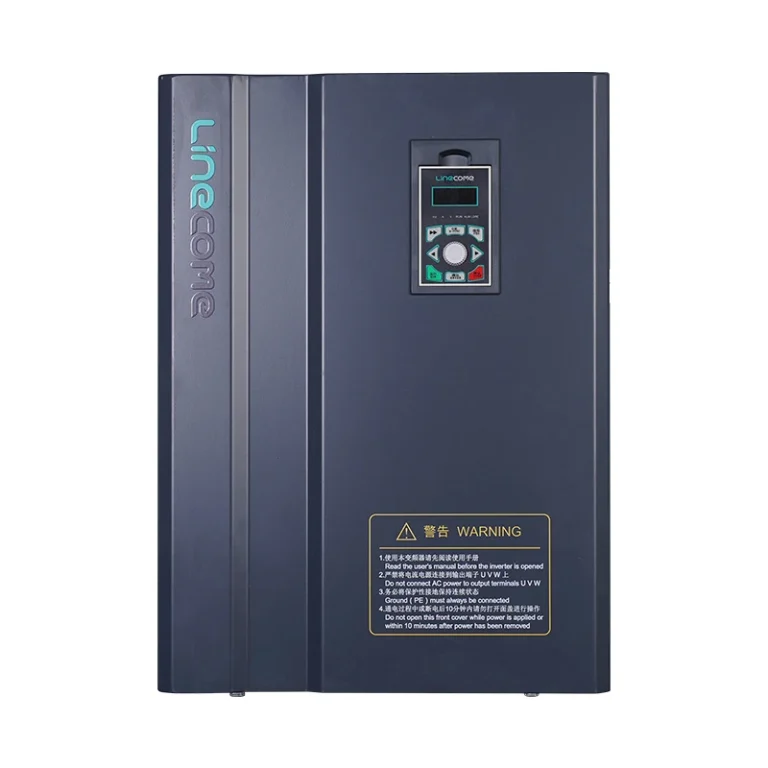
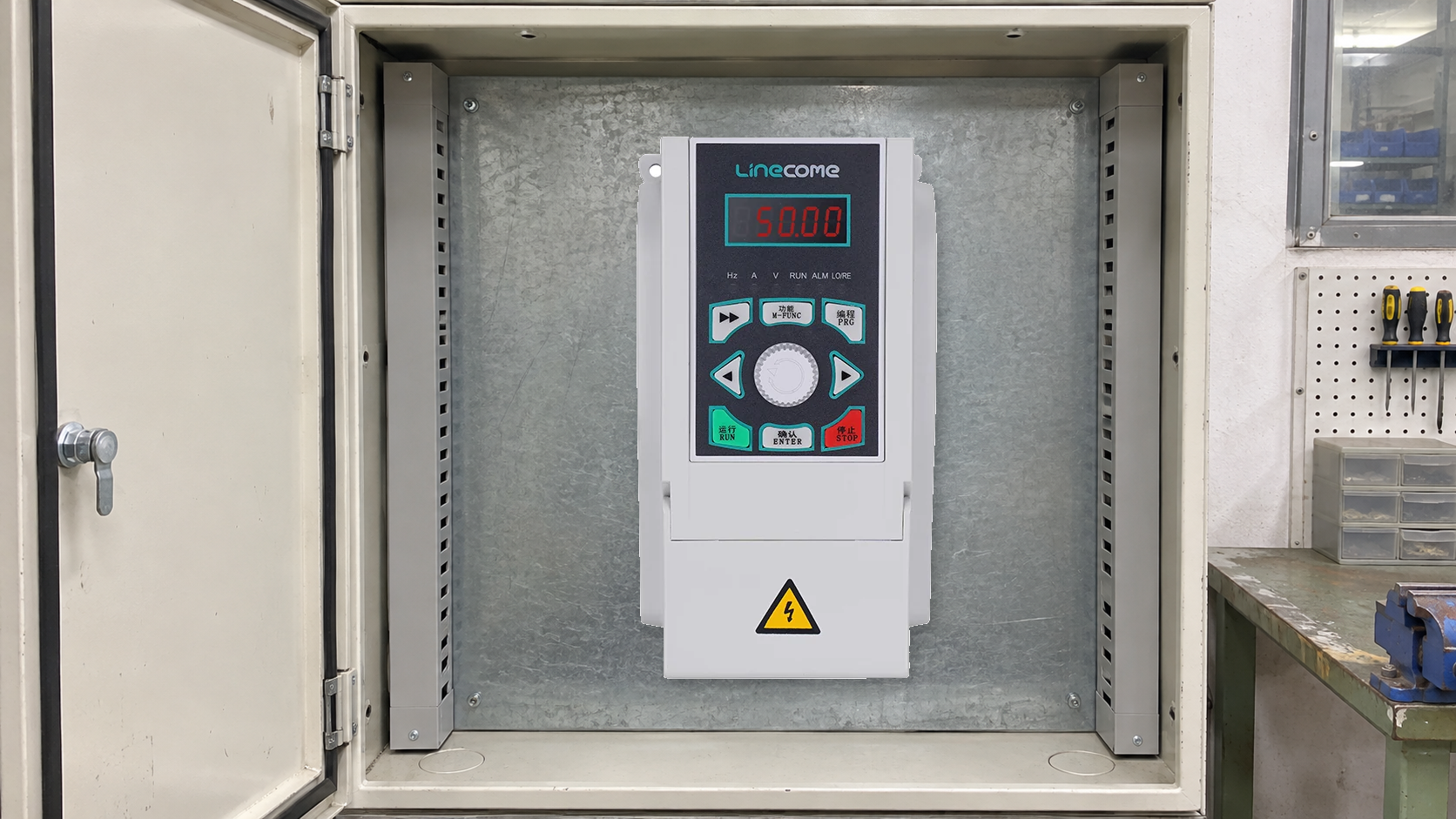
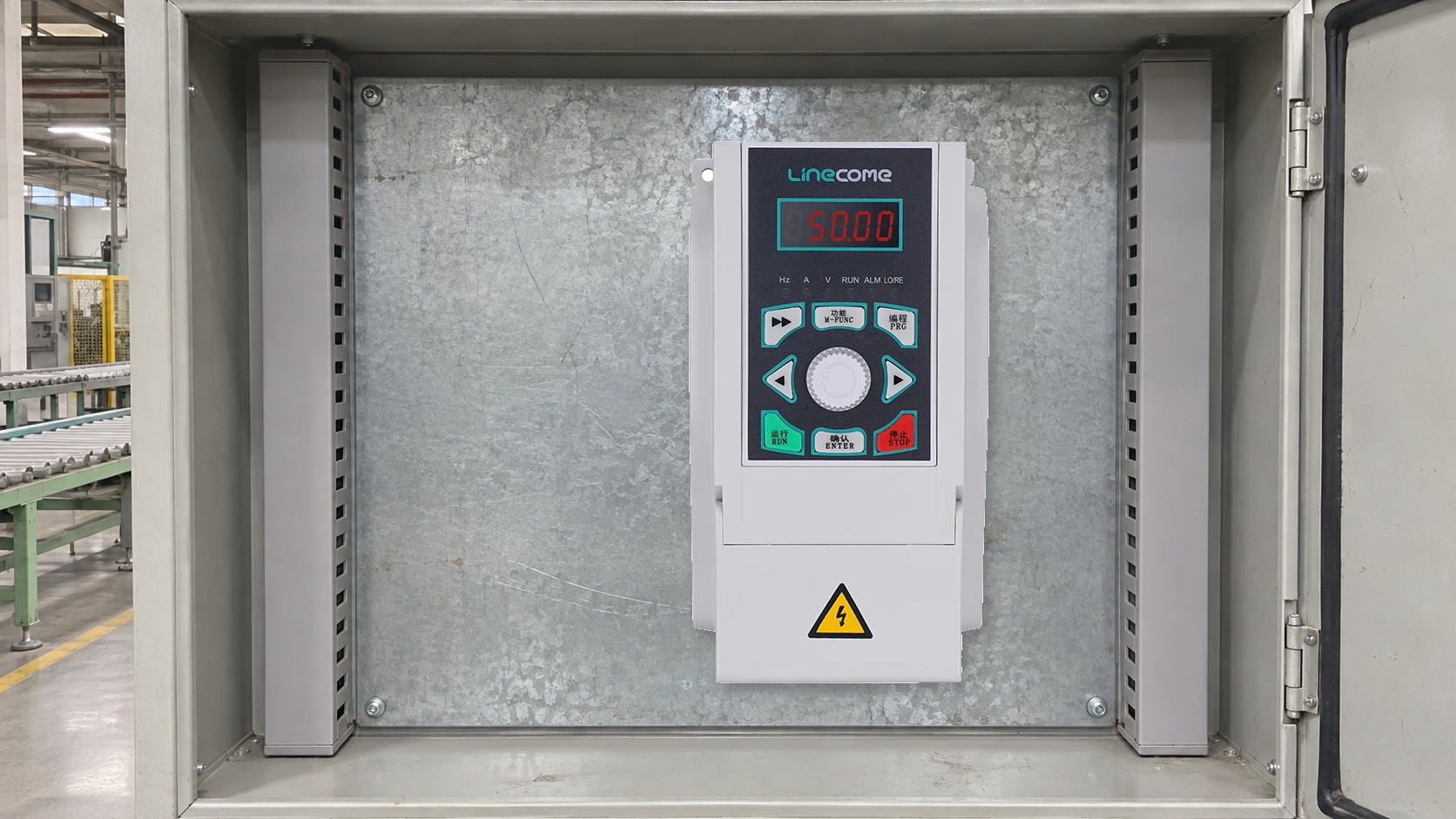
For product-family context, see the LINECOME LNC820 general-purpose VFD range and the broader product directory. The photograph and family name do not establish the correct rating for your machine. Request application confirmation for the exact model and duty before replacing an existing unit.
Further learning
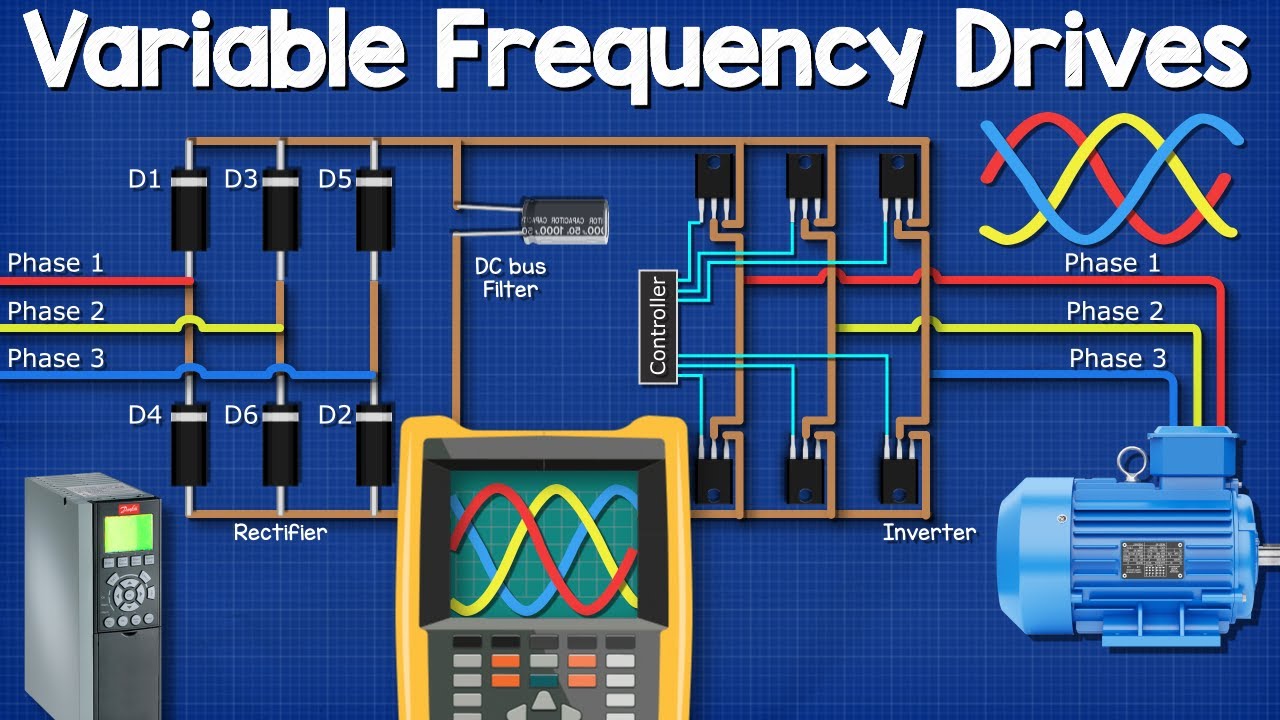
The Engineering Mindset’s VFD explanation introduces the power stage behind motor control. It is background education, not a live-testing procedure or a substitute for the selected drive manual.
Frequently asked questions
Is overcurrent the same as motor overload?
No. An instantaneous current trip and a sustained thermal overload are different protection events. Use the exact model’s fault definition to identify which occurred.
Should I increase acceleration time after every overcurrent trip?
No. First exclude electrical defects and mechanical blockage. A ramp change is appropriate only when evidence identifies accelerating torque demand and the machine permits the change.
Can I insulation-test a motor through the drive?
No. Follow the manufacturers’ isolation and testing procedures so the test does not pass through connected drive electronics or other sensitive circuits.
What evidence is most useful for service support?
The full fault identifier, event timing, current and speed records, motor data, parameter backup, wiring information and observations from approved checks.