
6 amp 230 vfd breaker size searches usually mean a small variable frequency drive on a roughly 230 V class feed and a six-amp number copied from a motor nameplate, an old fuse, or a spreadsheet habit—not a finished branch-circuit specification.
Size branch overcurrent protection from the drive manual’s VFD input current, its maximum listed overcurrent device, and the branch rules your authority having jurisdiction adopts; treat motor full-load amps as supporting data only.
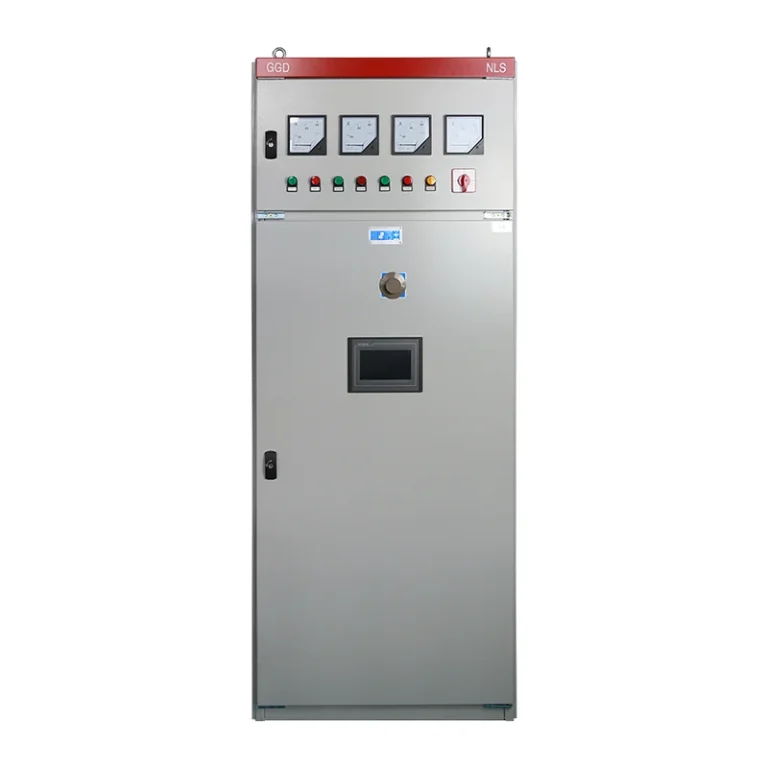
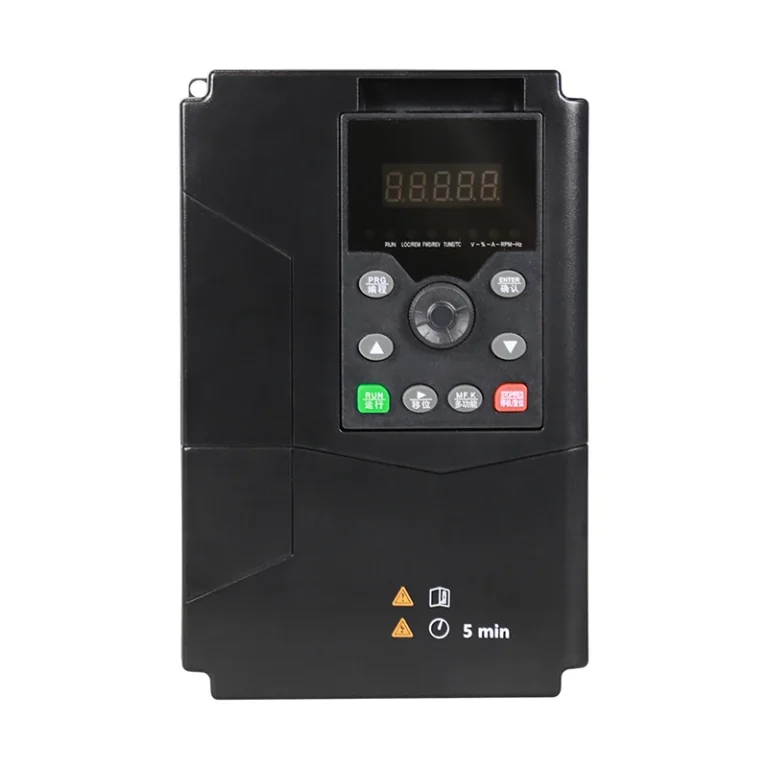
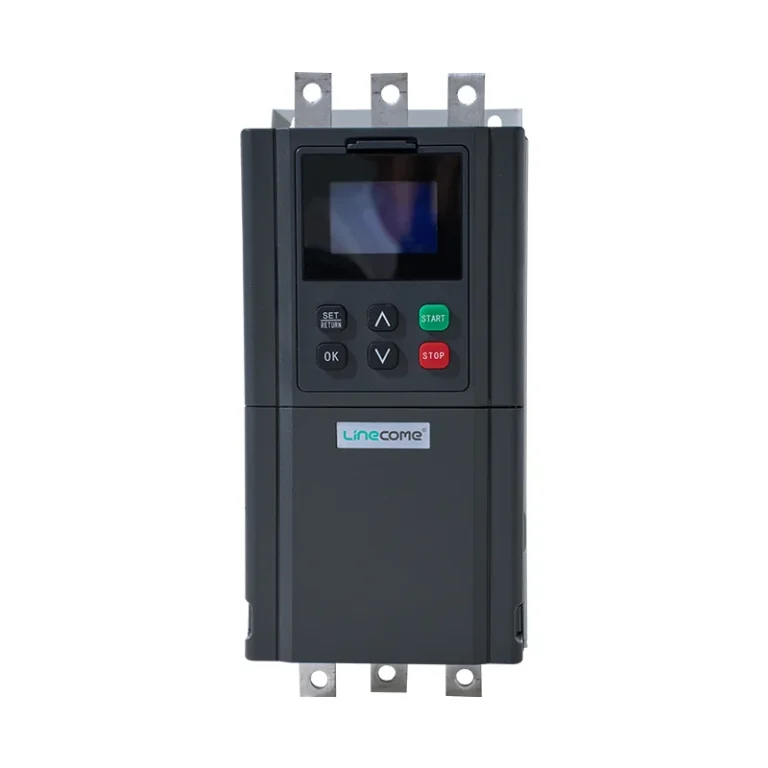
Use the Variable Frequency Drive hub when you need drive family options after you confirm feeder voltage and protection strategy.
 .
Why “6 amp” shows up on small 230 V VFD breaker searches
Buyers rarely start with a stamped branch-device schedule; they start with what is visible on the machine.
Maintenance teams often inherit a motor nameplate that shows six amps at rated load while the drive nameplate or manual lists a different input current once the rectifier and DC bus charge. Procurement may also inherit legacy drawings that fused a control branch at six amps even though the new VFD feed is a separate conductor group. None of those clues alone satisfies vfd breaker size decisions under modern motor-branch practice.
When the supply is described as two hundred thirty volts in buyer language, confirm whether the feed is single-phase line-to-neutral, split-phase, or three-phase line-to-line in a two hundred thirty slash four hundred volt class system. The breaker’s rated operational voltage and the drive’s rated input voltage must match that measured class before you talk about amp handles.
NEC and IEC framing for VFD branch circuits (without amp tables)
Code sets the frame; the drive manual supplies the numbers—no standalone amp table is published here.
In United States projects, NFPA 70 National Electrical Code Article 430 is the usual starting point for motor circuits and motor controllers, including variable frequency drives, subject to local adoption and any listed combination rules. Article 430 expects you to use manufacturer data for controller and branch-device coordination rather than assuming motor nameplate amps equal breaker handle amps.
Export panels and IEC-aligned specifications often reference IEC 60898-1 for miniature circuit breaker ratings and trip characteristics on product datasheets. That standard describes how catalog In ratings and curve types are defined; it does not replace a drive manual’s maximum upstream device or your customer’s wiring rules.
| Frame | What it gives the buyer | What it does not replace |
|---|---|---|
| NEC Article 430 (US) | Motor-branch rules and controller context | Drive input amps from the manual |
| IEC 60898-1 (product data) | MCB In and curve definitions on datasheets | AHJ approval in every country |
| Drive installation manual | Input current and max OCPD | Motor FLA copied from the shaft end only |
Qualified designers still produce the signed amp row so RFQs do not recycle myth tables from search snippets.
Drive input current vs motor FLA on the nameplate
Line-side input current governs the feeder; motor full-load amps describe the load the inverter delivers.
A variable frequency drive rectifies incoming alternating current, regulates a direct-current bus, and reinverts to the motor at controlled frequency and voltage. The converter stage can draw current from the line that differs from the motor’s full-load amps, especially during acceleration, regeneration, or when power factor correction inside the drive changes apparent demand. Forum threads on branch breakers repeat the same correction: use the manual’s input current and maximum listed branch device before you lock a catalog handle.
| Document field | Typical use in branch sizing | Common mistake |
|---|---|---|
| Motor FLA | Load verification, thermal coordination mindset | Equating FLA to breaker In |
| Drive input current | Feeder and upstream device baseline | Ignoring manual for motor label |
| Max upstream OCPD on manual | Ceiling for breaker or fuse selection | Oversizing “for margin” without listing |
Copy both motor and drive nameplate photos into the RFQ so the supplier sees whether your six-amp story comes from the load or from an obsolete fuse schedule.
 .
230 V supply classes and where the disconnect sits
Voltage class must match on the meter, the drive, and the breaker before amp selection matters.
Two hundred thirty volt class premises wiring appears in multiple global patterns: single-phase circuits referenced to a grounded conductor, and three-phase circuits where line-to-line voltage sits near two hundred thirty while line-to-neutral sits near one hundred twenty in some North American services. Measure at the disconnect you plan to feed, then compare to the drive’s rated input voltage and to the breaker’s rated operational voltage on its datasheet.
Place the branch overcurrent device where the installation manual and local rules expect it—typically on the line-side conductors feeding the drive, ahead of the converter input terminals, with a visible disconnect means for maintenance lockout. A 230v vfd circuit breaker keyword often hides a missing step: confirming whether the drive accepts the measured supply at all, not only whether six amps sounds small enough.
MCB trip curves (C vs D) and VFD inrush — general education
Trip curve type explains nuisance trips; it does not override the manual’s maximum device.
A miniature circuit breaker (MCB) combines thermal overload detection with a magnetic trip for short circuits. Catalog types B, C, and D refer to different magnetic trip multiples relative to rated In; trip curve C / D choices matter because C-type devices tolerate higher inrush multiples than B-type, and D-type tolerates more than C-type for loads with strong inrush. Variable frequency drives present charging current when the DC bus energizes, so integrators often discuss C or D curves—but the drive manufacturer may still cap the maximum upstream breaker or require a specific curve class.
Important: Community threads on drive startup trips warn that sizing only to motor full-load amps invites nuisance tripping when inrush exceeds a small In row—source note: Electrical Engineering Stack Exchange VFD breaker sizing discussions.
Never treat curve choice as a substitute for the manual’s maximum listed overcurrent device or for short-circuit withstand ratings on the supply.
 .
Nameplate-driven sizing checklist before you order branch protection
Checklists beat amp tables because every small drive job mixes the same document types.
Photograph the drive nameplate and copy the manual section that lists input current, recommended or maximum upstream overcurrent protection, and any required disconnect class. Add motor full-load amps, rated voltage, and frequency from the motor nameplate for load context, not as the sole breaker rating. Record measured supply voltage and frequency at the planned disconnect, note whether the feed is single-phase or three-phase in the two hundred thirty volt class, and state the desired trip curve if your specification names one.
List downstream contactors, filters, or reactors that sit between the breaker and the drive terminals so coordination reviews cover the whole branch. When the customer cites NEC practice, flag Article 430 review; when the customer cites IEC product standards for MCBs, flag IEC 60898-1 datasheet alignment—without quoting paywalled clause text in the RFQ.
 .
WSB1-80 miniature circuit breaker — product fit for bounded 230 V branches
Published MCB tables give a bounded example when your manual-backed spec aligns with the row.
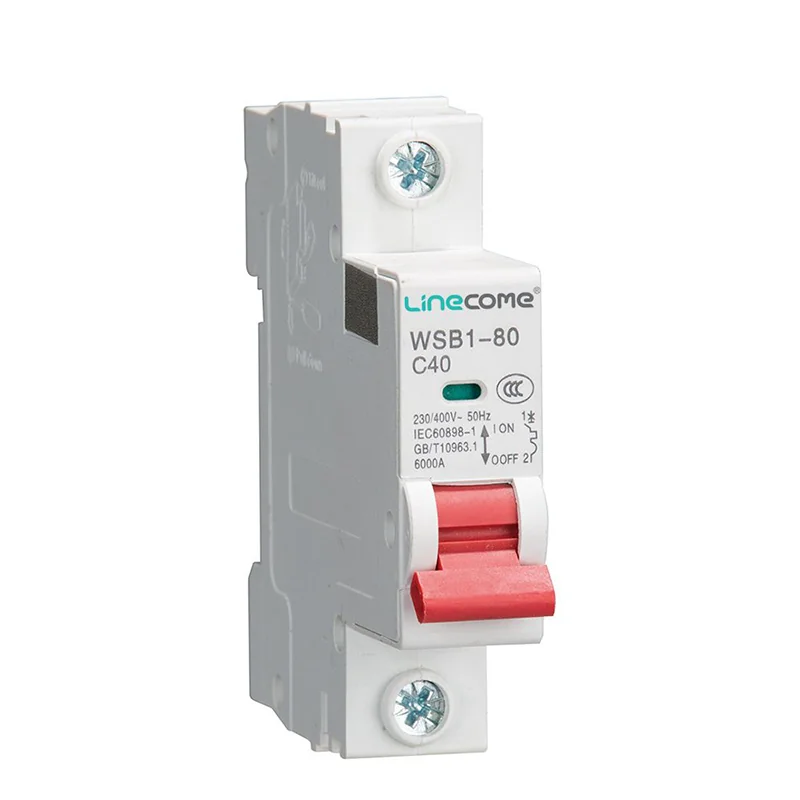
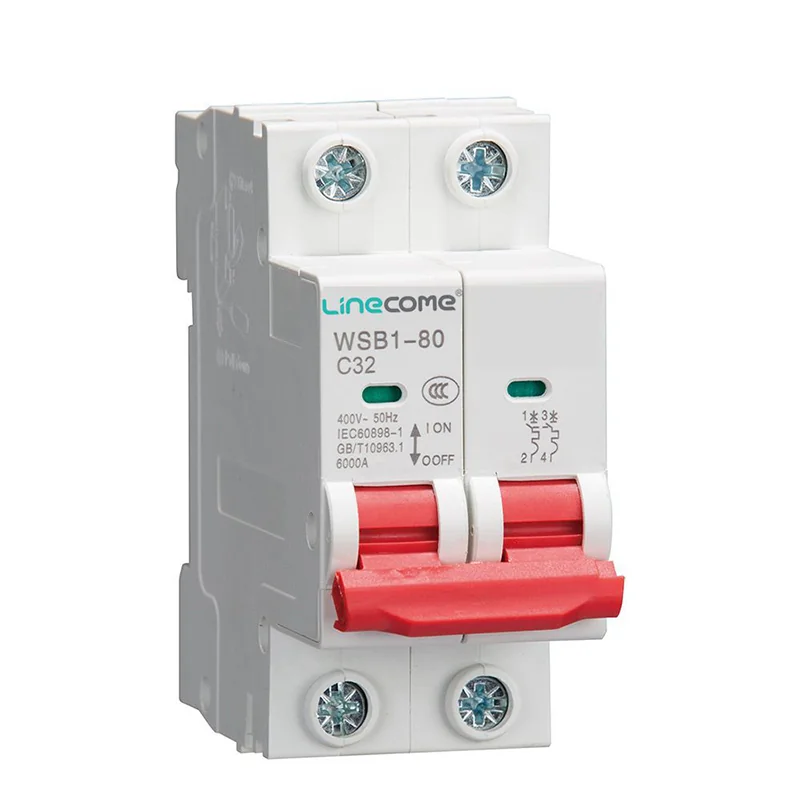
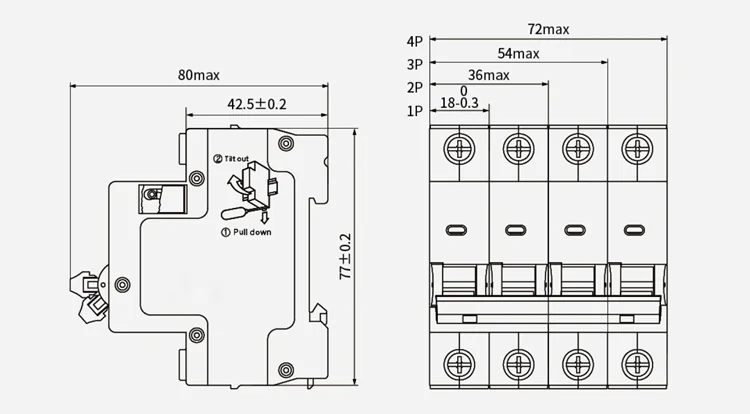
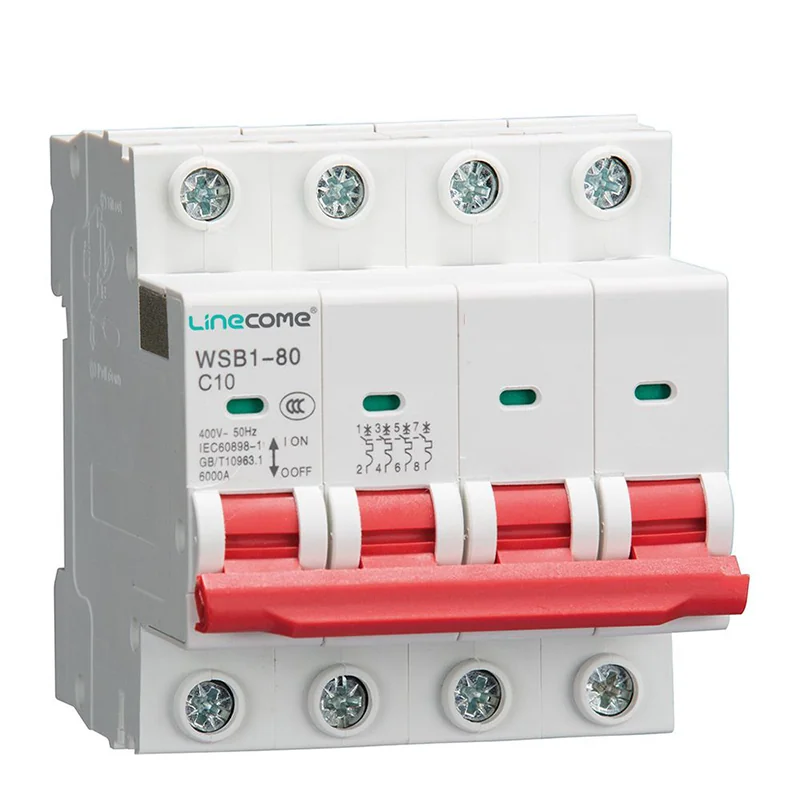
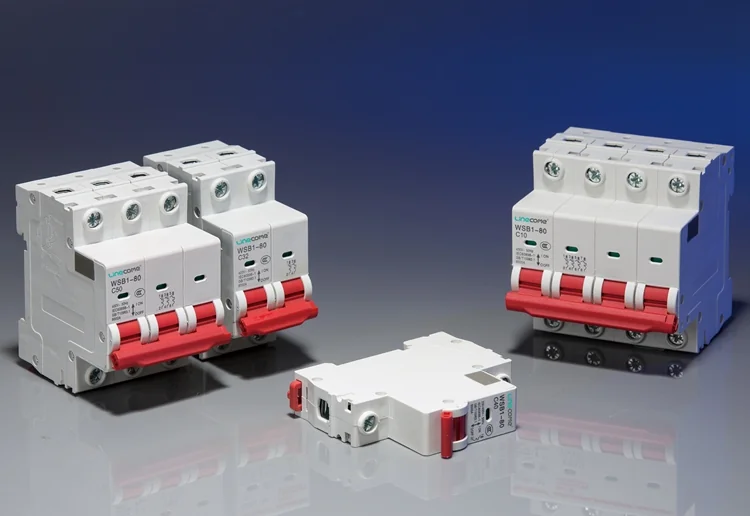
When your branch specification needs a catalog-backed miniature circuit breaker example from this site, the public WSB1-80 Miniature Circuit Breaker product page states suitability for alternating-current fifty hertz or sixty hertz circuits, rated operational voltage AC230V/400V, and rated currents including six amps through eighty amps. Overview copy cites compliance with GB/T10963.1 and IEC60898-1; treat that as product-standard context, not automatic approval for every drive model.
| Public WSB1-80 page item | Why it matters for small VFD feeders | Your project still must verify |
|---|---|---|
| In includes 6 A among 6–80 A steps | Shows a six-amp catalog row exists | Drive manual input and max OCPD |
| Ue AC230V/400V | Matches common 230/400 V class wording | Measured supply and drive voltage rating |
| C trip 5–10In; D trip 10–20In | Curve conversation for inrush | Manual curve or max device limits |
| Icn 6 kA / 10 kA options | Short-circuit rating selection | Available fault current at terminals |
Order the pole configuration, curve type, and breaking capacity row that match the panel schedule; share manual input data with the supplier before you assume the six-amp handle is acceptable.
 .
Frequently Asked Questions
These answers stay at specification level; stamped calculations and field wiring belong with the qualified designer and the drive manual for the model you order.
Is a 6 A breaker enough for a 6 A motor on a VFD?
Not automatically. Six amps on the motor nameplate describes load current at rated conditions; the drive’s line-side input current and the manual’s maximum upstream overcurrent device may require a higher In or a different curve. Collect manual input data before you match a six-amp handle.
Does NEC require a separate breaker ahead of every VFD?
US practice under NEC Article 430 expects appropriate branch-circuit and controller protection for motor circuits, which generally includes an overcurrent device on the feeder ahead of the drive unless a listed exception applies in your design. Local adoption and the listing sheet for the specific drive still control details, and an AHJ review remains mandatory where required.
Can I use a C-curve MCB on a VFD feed?
Often yes in discussion threads when inrush causes nuisance trips on tighter curves, but the drive manual may require or prohibit specific curve classes or maximum device sizes. Compare catalog C-type multiples to the manual before you standardize on C curves for every SKU.
What input current value overrides a motor nameplate for breaker sizing?
The drive manufacturer’s published input current and maximum listed branch overcurrent device override motor full-load amps for the upstream breaker decision. Motor FLA remains useful to confirm load compatibility and thermal expectations at the shaft.
IEC vs NEC — which frame applies to my export panel?
Follow the customer’s adopted wiring rules: NEC-framed jobs in the United States start with Article 430 and listing data; IEC-aligned product specs often cite IEC 60898-1 for MCB catalog numbers on export panels. Many projects use both—code for installation, IEC numbers on the device label.
Should the breaker size match the VFD output current rating?
No. Output current ratings describe inverter delivery to the motor; branch protection is sized on the line-side feeder using input current, short-circuit coordination, and manual limits. Output amps on the keypad or catalog row are not a substitute for upstream device selection.
References
External references support drive mechanism, MCB behavior, and code-framing claims listed below.