
Shunt trip vs undervoltage release is a choice about how a circuit breaker receives an opening instruction and what happens when control power disappears. A shunt release operates when the appropriate electrical command energizes its trip circuit. An undervoltage release operates when its monitored supply falls below its specified operating condition and can prevent closing until the required voltage returns. Choose the accessory from the intended control behavior, then verify the exact breaker compatibility, supply, duty and reset conditions. Neither accessory name alone establishes a complete safety function or permission to restart machinery.
This guide covers specification and functional acceptance. It does not provide a live wiring procedure or universal operating percentages. Use the supplied breaker and accessory instructions for terminal designations, thresholds, coil ratings and permitted test methods.
Start with the event that must open the breaker
Write the required event in plain language before selecting a part. Examples include an external protection relay issuing an opening command or the loss of a designated control supply requiring the breaker to open. These two requirements can lead to different circuit arrangements even when both are described informally as remote tripping.
Also state what should happen if a command wire breaks, a control fuse opens or the supply is restored. An opening command that needs electrical energy may be unavailable when that energy has already disappeared. A continuously supervised supply can produce different behavior, but the full circuit still needs an assessment of credible failures.
Record which power source each release actually uses. An accessory connected to a separate reliable control supply does not necessarily detect a loss on the main power circuit. Conversely, a release connected to a downstream source may create a closing problem if that source cannot become energized until the breaker closes. Resolve the intended source and closing sequence in the drawing.
Understand the two operating principles
A shunt trip uses an energized electrical opening circuit to actuate the breaker mechanism. The circuit therefore needs an available source with the correct voltage and enough capacity when the trip request occurs. The command’s duration and the coil’s duty must comply with the exact accessory instructions.
An undervoltage release generally needs its designated supply available for the breaker to remain operable in the intended way. A sufficient reduction or loss of that supply causes opening according to the device design, and closing may be blocked until the appropriate voltage is available. Pickup, dropout and any delay are model-specific characteristics.
Do not copy a threshold from another manufacturer’s example. Even familiar labels such as MX, MN, SHT or UVR do not prove terminal compatibility or identical operating values. A correct functional description is only the start of selection; the supplied part number and documented behavior decide whether the accessory fits the project.
Compare behavior rather than labels
Use the following table to structure the design review. It is a qualitative comparison of typical functions, subject to the supplied documentation. It is not a statement that every LINECOME breaker includes either accessory or supports every command arrangement.
| Review question | Shunt trip consideration | Undervoltage release consideration |
|---|---|---|
| What initiates opening? | An appropriate energizing command to the release | Loss or reduction of the designated monitored supply |
| Is control power needed at the opening request? | The opening circuit needs an available energy source | The device’s loss-of-supply behavior must match the requirement |
| What happens with an open command wire? | The requested trip may become unavailable without additional supervision | A break in the energizing path may cause opening, depending on the actual circuit |
| Can the breaker close with the release unpowered? | Confirm the exact accessory and mechanism behavior | Closing is commonly inhibited; verify the supplied design |
| Is a maintained command allowed? | Check coil duty and any internal cutoff arrangement | Verify continuous energization requirements and any time-delay module |
| Does it provide closing energy? | An opening release is not a closing operator | Restored supply is not itself a closing command |
The opening and closing logic must also remain distinct from hazardous-energy isolation. CCOHS’s lockout explanation describes the physical energy-isolating devices used for maintenance. A remote trip command or an indicator on an HMI is not, by itself, a complete isolation procedure.
Check compatibility before choosing a coil voltage
Confirm the breaker series, frame, pole arrangement, mechanism and accessory location. Some combinations are factory installed, while others have an approved field-installation method. Request a compatibility statement instead of assuming that a similarly sized accessory will fit under the cover.
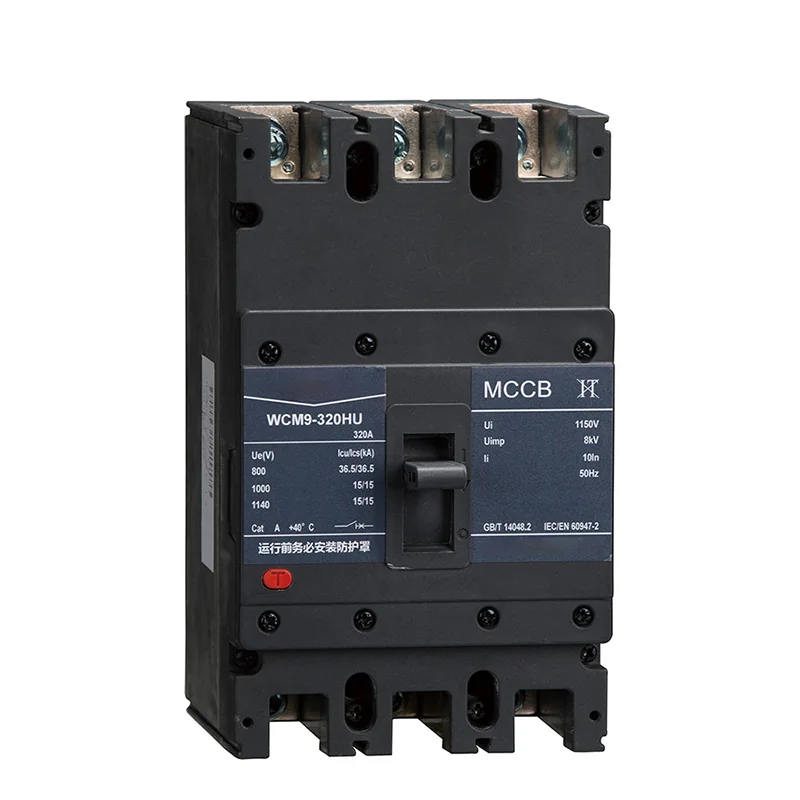
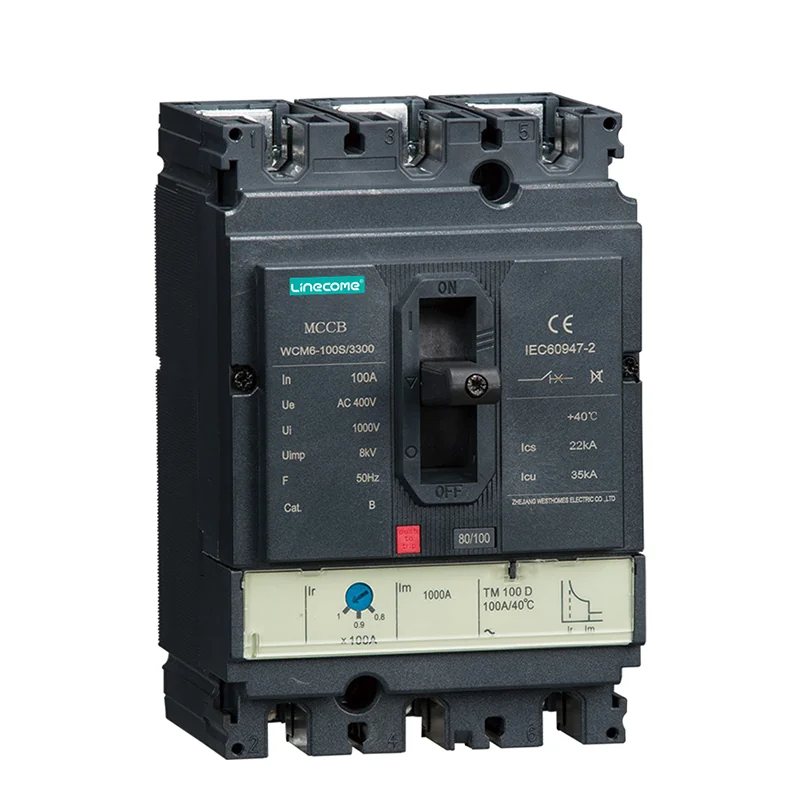
For a real product discussion, the WCW1 intelligent universal air circuit breaker provides the appropriate LINECOME product context. Ask for the exact opening release option, control diagram and supplied accessory list. The product photograph does not establish which release is fitted, its control voltage or its compatibility with an external safety or fire-control system.
Keep the release electrically distinct from the breaker’s current protection. The overcurrent trip unit responds to its defined protective inputs; an external opening release acts on another command path. A breaker with adequate current protection may still have an unsuitable release voltage or an unverified remote opening circuit.
Review supply capacity and contact duty
Match the rated AC or DC control supply, and include frequency or polarity requirements where the supplied instructions specify them. Check the expected voltage at the accessory during operation, including cable drop and simultaneous control loads. A power supply’s nominal label is not proof that the coil receives an acceptable voltage under the actual command condition.
Separate pickup or inrush requirements from holding demand. The output contact, relay and protective device need to suit the accessory’s electrical load. A PLC output described as capable of switching a small resistive current is not automatically suitable for an inductive release coil with a different transient demand.
Where suppression or an interposing relay is proposed, obtain approval for the complete arrangement. Suppression can affect release behavior and output stress, while an extra relay adds another failure point. Record the approved components and the expected timing rather than treating these additions as interchangeable wiring conveniences.
Resolve nuisance opening without defeating the requirement
An undervoltage release may respond to a supply disturbance that other cabinet equipment rides through. Before adding a delay, determine whether the disturbance is real, where it occurs and whether opening is required under that condition. Capture the control-supply behavior and the operating events around the trip.
A delay module or alternative supply can change the behavior of the intended protective function. It therefore needs engineering review and updated acceptance criteria. Do not bridge the release, substitute an arbitrary coil or disable the trip path merely to make the breaker remain closed.
For a shunt circuit that fails to operate, preserve the command evidence and supply measurements before replacing the accessory. Establish whether the initiating device sent the command, whether the intermediate path transferred it and whether the release received its required operating condition. A single failed demonstration does not identify which part of that chain is responsible.
Keep indication, opening and closing separate
A command to open is not proof that the main contacts reached the required position. Define which feedback signals establish mechanism position and which indicate a protective trip. The complementary guide to auxiliary contacts and alarm contacts explains why those indications must be checked individually rather than assigned the same meaning.
An opening release does not automatically provide the energy or permission to close the breaker. Remote closing may require a separate operator, charged mechanism, permissive circuit and deliberate command. Reset requirements also vary, so list the sequence following an electrical trip, an overcurrent trip and control-supply restoration separately.
Consider the downstream equipment as well. Restoring power to a cabinet can lead to motion if maintained commands or automatic restart logic remain present. Review the existing control cabinet emergency-stop reset sequence where that system is involved. Breaker reclosing and machine restarting are related events, but they require separate permissions and evidence.
Build a functional acceptance matrix
Have qualified personnel define the safe test method, test source and load condition. Confirm whether primary circuits can remain isolated while the release and mechanism are functionally tested. A suitable test arrangement avoids creating a process hazard merely to demonstrate remote opening.
Document the expected response for each approved case: normal opening command, command removal, interrupted control supply, restored control supply, attempted closing without permission and feedback loss. Include which cases are supported by the supplied hardware and which depend on external control logic.
Record the actual accessory identification, applied conditions, command duration, mechanism response and feedback result. If an operating threshold or timing limit is part of the requirement, use the manufacturer’s prescribed test method and appropriate calibrated equipment. Do not turn a qualitative check into a fabricated precision measurement.
For broader mechanical checks, see the separate air circuit breaker operation-test guide. The present acceptance should show that the complete electrical opening path works as intended, rather than repeating only a manual handle test.
Preserve the isolation boundary
Before installation or maintenance, control every applicable source of energy, including separately supplied control circuits and stored mechanism energy. Opening the main breaker may leave accessory terminals energized from another source. The equipment-specific procedure must identify those sources and the required verification.
WorkSafeBC’s de-energization and lockout guidance distinguishes the main power isolation path from a control-circuit command. Apply the rules and procedures relevant to the installation’s jurisdiction. A successful trip test does not replace an approved isolation process or establish a safety performance rating.
The RealPars video below explains basic circuit-breaker operation. It supplies context for the mechanism discussion, while accessory behavior still comes from the supplied breaker documentation and functional test record.
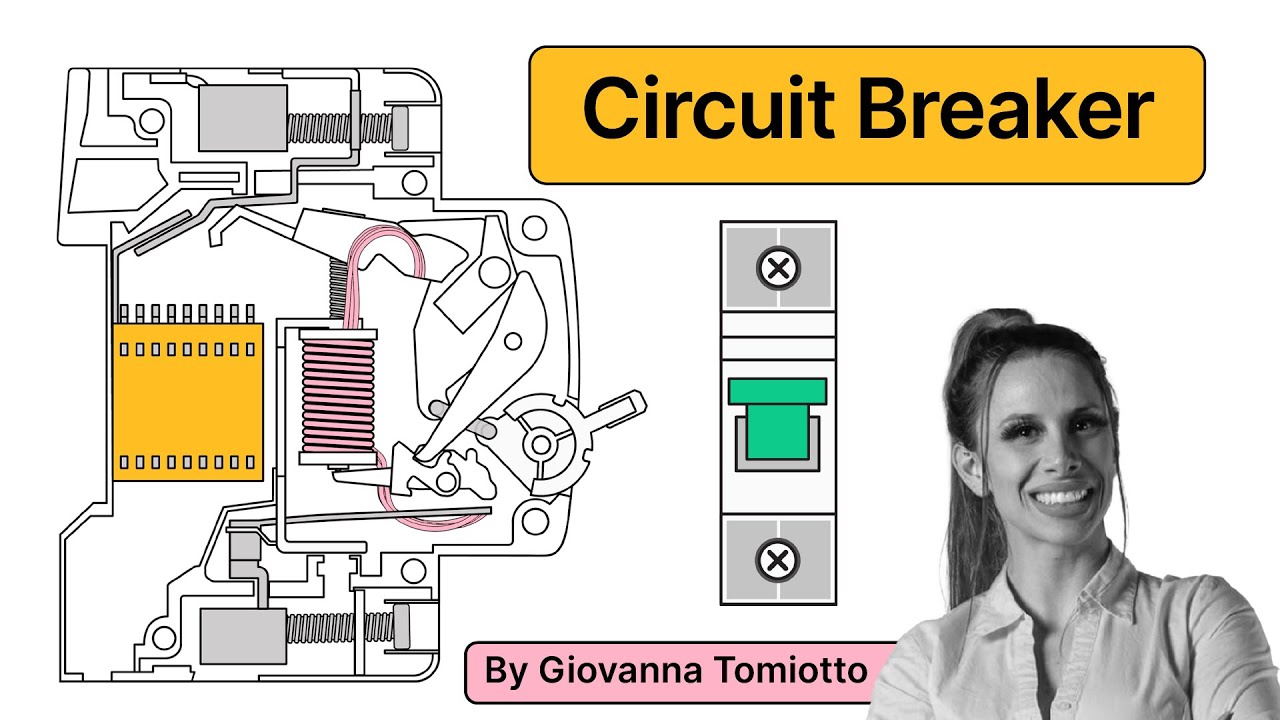
Video by RealPars. Watch Circuit Breaker Explained | Working Principle on YouTube.
Send a complete accessory request
Provide the exact breaker model, intended opening event, available control source, command device and desired response to loss of power. Include whether remote closing is requested, how reset permission works and which feedback signals the control system needs. State any required delay as an engineering requirement to review, not an assumed standard feature.
Ask LINECOME to identify the compatible release, coil duty, wiring information, supply requirements and acceptance checks for the offered configuration. Keep the response with the final drawings and bill of materials. This makes later replacement straightforward and prevents a correct-looking accessory from silently changing the circuit’s behavior.
Frequently asked questions
Does a shunt trip operate when its control power disappears?
Do not assume so. A typical shunt release needs the specified energizing command and an available source of opening energy. If opening on supply loss is required, evaluate the complete circuit and the appropriate release arrangement.
Will an undervoltage release automatically reclose the breaker?
Restoring its supply should not be interpreted as a closing command. Closing depends on the breaker mechanism, reset state, external controls and permissives. Confirm the exact sequence and prevent unintended machine restart.
Can either release replace overcurrent protection?
No. An external opening release and the breaker’s overcurrent protection have different roles. Specify the required current protection and the remote opening behavior separately, then verify both in the complete installation.