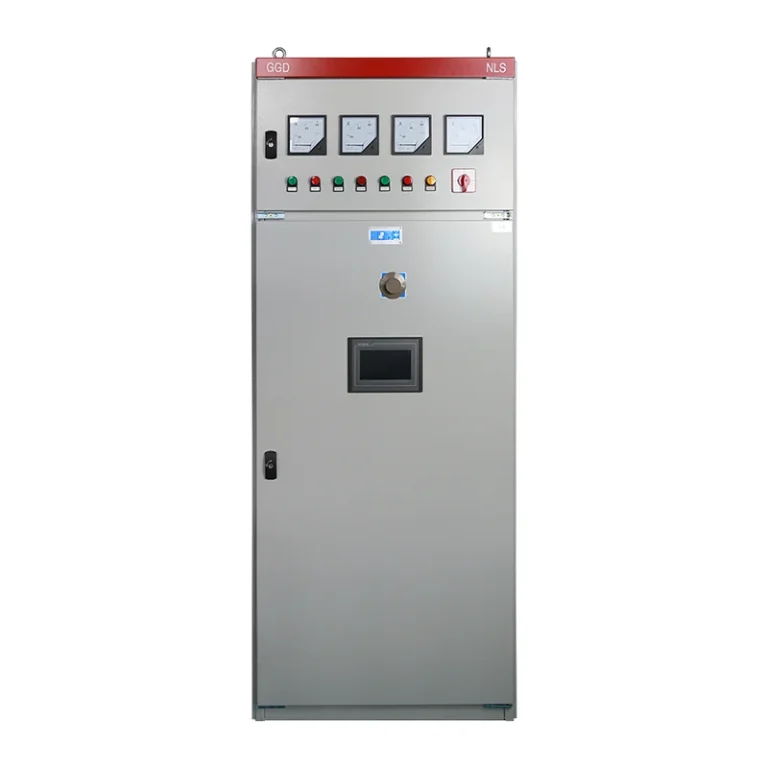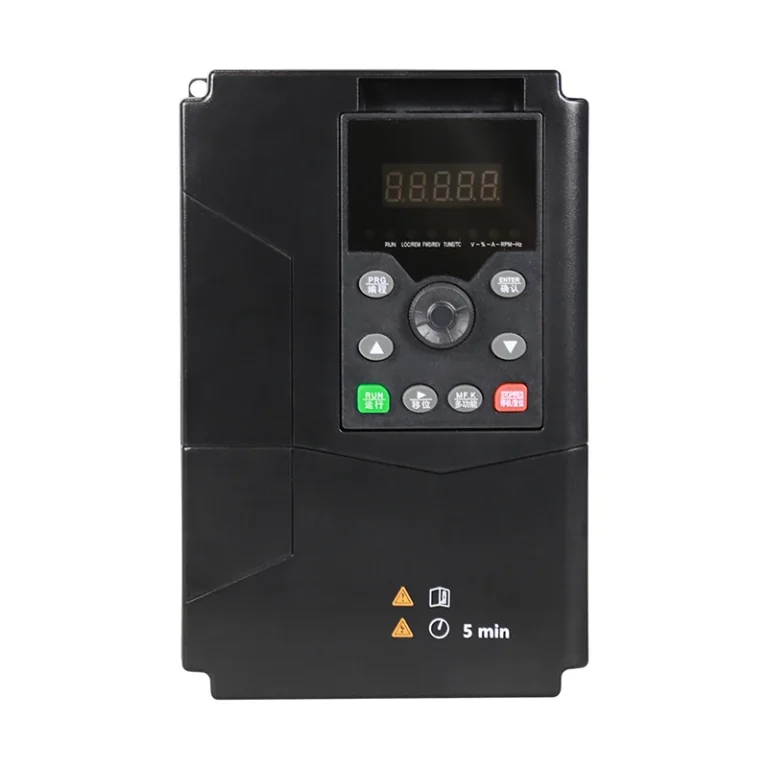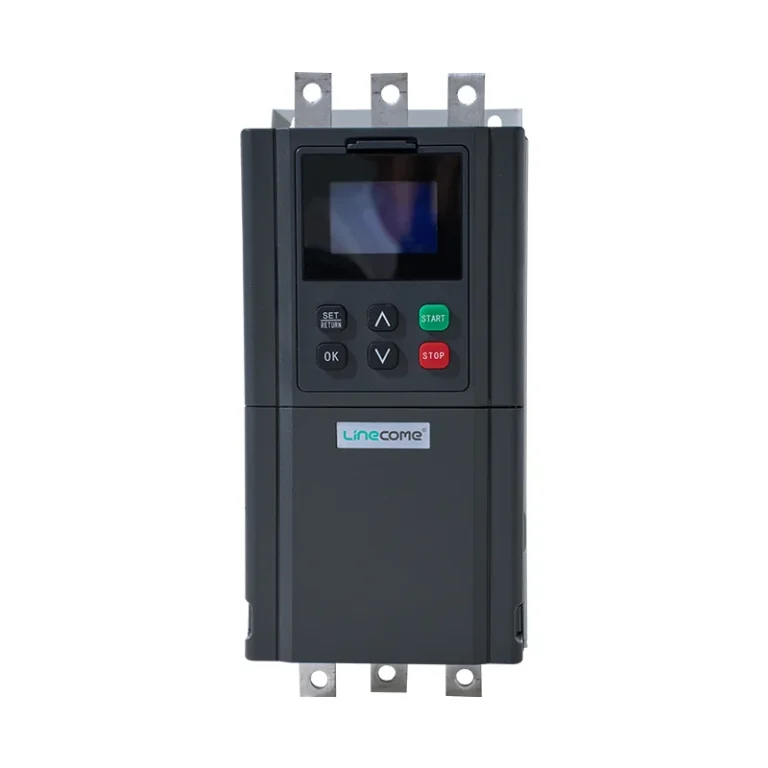

Soft starter repair is the disciplined work of restoring a failed reduced-voltage starter after you prove the cabinet is dead—not swapping parts while the bus is still live. Solid-state units ramp motor voltage through thyristor (SCR) stacks; when those devices or the run bypass fail, the motor may not ramp, may trip instantly, or may run hot while drawing balanced current that masks the real fault.
Use the Soft Starter hub to compare online, bypass, and cabinet families, then return here for the isolation and test sequence that applies across most industrial installations.
 .
What soft starter repair means before you order parts
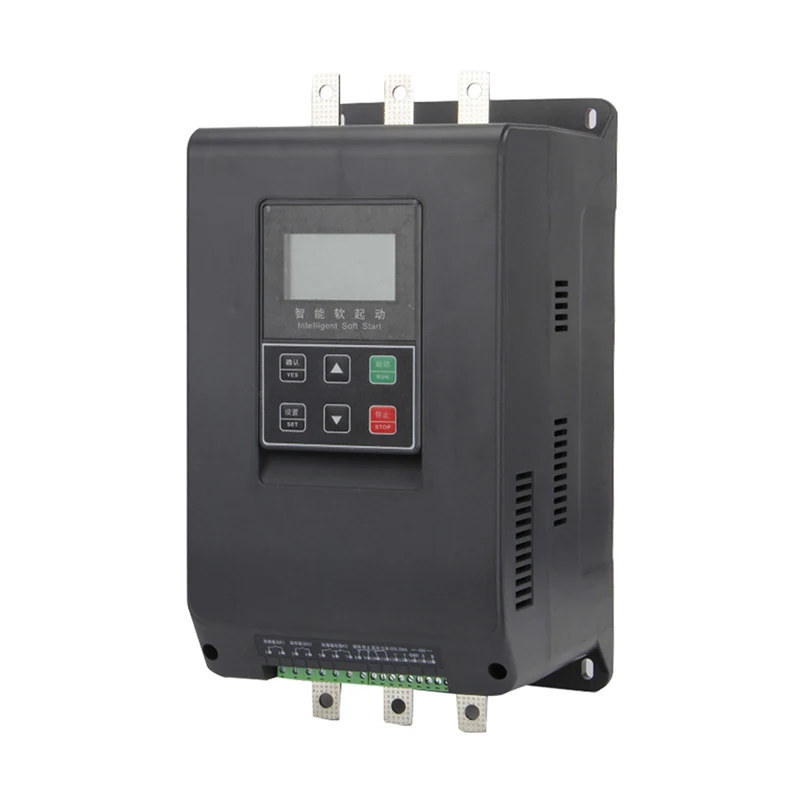
Repair means identifying whether the fault sits in control electronics, the SCR power stage, or the bypass/run path, then fixing or replacing only that layer when spares and safety margins allow. Encyclopedia descriptions of motor soft starters note that solid-state designs temporarily limit voltage and current during start using SCRs—so most field work concentrates on those semiconductors, their heat sinks, and the contactor that takes over at run speed.
Repair is not a substitute for engineering review when arc flash boundaries, medium-voltage gear, or sealed power assemblies are involved. In those cases the correct “repair” is often factory replacement with identical ratings and approved interlocks.
Lockout, zero-energy checks, and cabinet inspection
No multimeter reading on an SCR is trustworthy until lockout/tagout is complete, control power is removed, and you verify zero energy on line, load, and control terminals per your site procedure. Open the door and look before you measure: discolored heat sinks, moisture tracks, insect debris, loose lug screws, and pinched gate harnesses explain many “random” trips without touching a test lead.
Document keypad fault codes and any runtime counters before power down when the display still works—those snapshots narrow whether you are chasing control, thermal, or power-stage damage once the unit is open.
Important: Offline resistance tests are valid only after full isolation from the motor and supply—source: U-02 community isolation themes; line-side equipment invalidates SCR readings when any parallel path remains energized.
Symptom clusters when the motor will not ramp or trips instantly
Symptoms cluster into three buckets that map to different repair actions. Use the table as a first-pass router; always confirm with the unit manual because online versus bypass topologies change what you see at the terminals.
| What you observe | Likely stage | First check |
|---|---|---|
| No ramp, no fault, contactor chatter elsewhere | Control or permissive | Control fuses, start command, interlocks |
| Immediate trip on start command | Shorted SCR or welded bypass | Offline resistance L–T per phase |
| Ramp starts then collapses mid-start | Open SCR or gate drive | Resistance test + heat sink continuity |
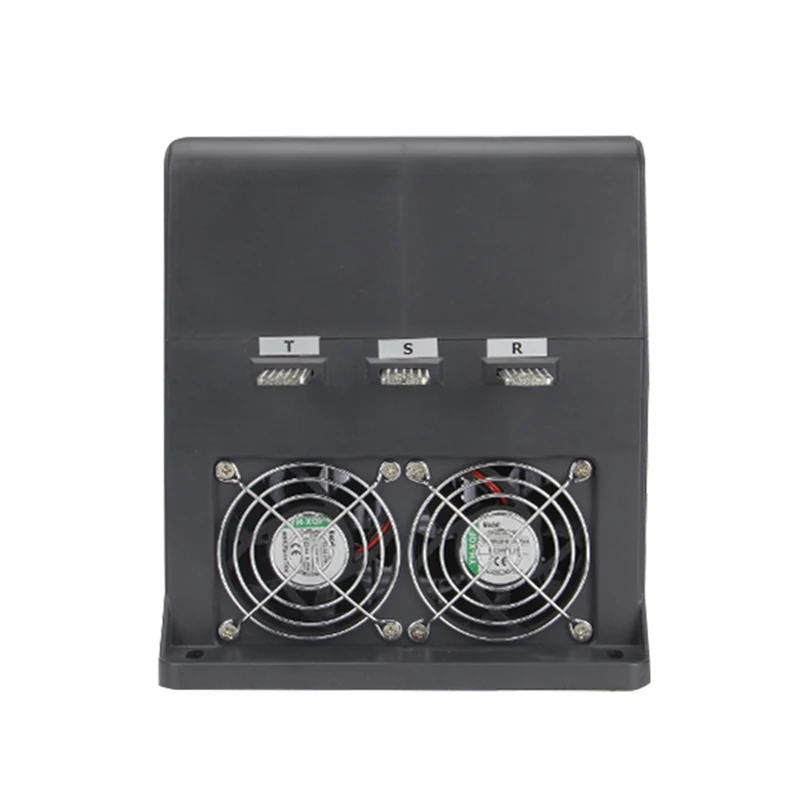
| Runs but overheats enclosure | Bypass not closing or fan failure | Bypass operation, airflow, duty cycle |
| Balanced high current at idle command | Motor/load issue or wrong parameters | Motor megger, parameter set |
Solid-state soft starter troubleshooting patterns from major-brand service bulletins differ in fault codes, yet the same physical failures repeat: open silicon stops ramps, shorted silicon or welded bypass mimics a direct connection, and control-board faults look like power-stage death until you isolate the gate drive.
How to test a soft starter with a multimeter (offline SCR path)
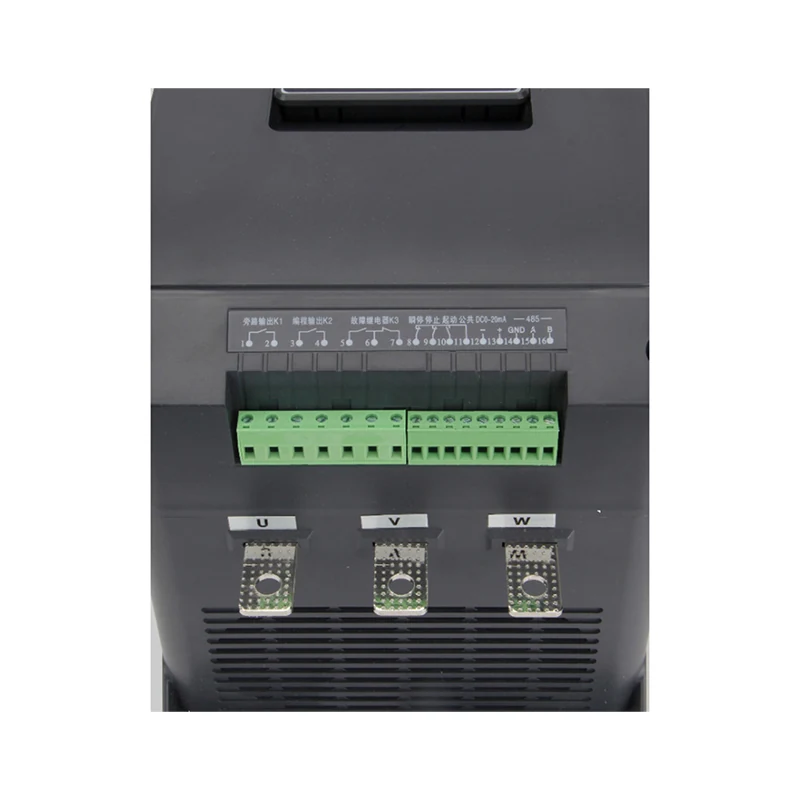
How to test a soft starter safely always means offline work on de-energized terminals: disconnect line, load, and external bypass wiring when the manual allows, let heat sinks cool, then measure resistance from each line terminal to its paired load terminal (L1–T1, L2–T2, L3–T3). Reverse the meter leads and record again—two SCR / thyristor devices per phase sit in opposite polarity, so both directions matter.
Independent SCR evaluation guides stress that continuity and diode-test modes are misleading; meaningful data comes from high-resistance readings with a meter that can resolve very large ohms values. Compare the three phases: one phase wildly lower than the others often indicates a shorted device or a bypass stuck closed. Very high resistance in both directions on a phase suggests open SCRs or a broken gate path.
Do not interpret a few volts of leakage at stopped state as proof of health when the motor remains connected—load paths can shunt your reading. If your application uses inside-delta wiring, generic offline tests may be invalid unless the starter is fully isolated; treat the manual topology diagram as mandatory.
 .
Bypass contactor and run relay faults that mimic SCR damage
Many designs move run current through a bypass contactor after the ramp finishes, reducing heat in the SCR stack. Trade articles on soft starters describe that bypass element as normal, not optional luxury hardware.
When the bypass welds closed, the motor may see full voltage instantly—behavior that looks like a shorted SCR. When the bypass never pulls in, the SCRs carry run current, heat sinks run hot, and overload trips follow even though the semiconductors still test “almost good.”
At run command, you should hear the bypass relay or contactor pick up after the ramp completes. Measure voltage drop across the starter during run; excessive drop with a hot stack points to SCR carry duty instead of bypass. Replace contactor tips and verify coil voltage before condemning the power stage.
Overload trips, heat, and cooling after repeated starts
Inverse-time overload models allow brief inrush but trip on sustained high current or insufficient cooling. Feature bullets on the public ZR800 page list 12 protection functions including inverse-time overload protection and configurable fault enable/disable for commissioning. Use fault-disable only during supervised commissioning—never as a permanent production bypass.
Repeated starts on fans or crushers without adequate interval heat the SCR junctions even when current looks balanced phase to phase. Clean filters, verify panel airflow, and compare measured starting current to nameplate. Trips that correlate with ambient temperature often clear after cooling or fan service rather than full starter replacement.
 .
When to repair modules versus replace the whole starter
Module repair makes sense when the fault is localized (control board, display, auxiliary relay), spares are on the shelf, and post-repair tests can repeat the same offline SCR checks with identical results. Replace the assembly when you see arc damage on buswork, water ingress in sealed power sections, unknown modifications, or when the manufacturer specifies non-field-serviceable power packs.
Economics also matter: labor to desolder high-power SCRs plus retest megger/hipot requirements can exceed a new unit lead time—especially on small horsepower lines where the starter cost is modest. Keep the failed unit tagged for root-cause review even when you swap a complete replacement.
Online soft starter fit for repair-heavy pump and fan duty (ZR800 example)
When monitoring and protection data matter as much as the silicon, map your fault history to a published online family instead of guessing from keywords alone. The public ZR800 online soft starter series page positions the 800 series for precise control with comprehensive monitoring—current, voltage, phase sequence angle, frequency, and cumulative runtime appear on the feature list alongside configurable fault enable/disable.
The public ZR800 overview also documents 4–20 mA output with 0.5% linear accuracy on its feature list—useful for trending fault history, not a substitute for isolating the starter before resistance tests.
| Public ZR800 page item | Troubleshooting value | Your field team still verifies |
|---|---|---|
| Monitoring parameters listed | Narrows control versus power faults before teardown | Sensor calibration, wiring |
| 12 protection functions | Explains overload and sequence trips | Trip thresholds vs motor data |
| Fault enable/disable | Supervised commissioning only | Restored before production run |
| 4–20 mA output, 0.5% linear accuracy | Trending for SCADA | Loop wiring and load |
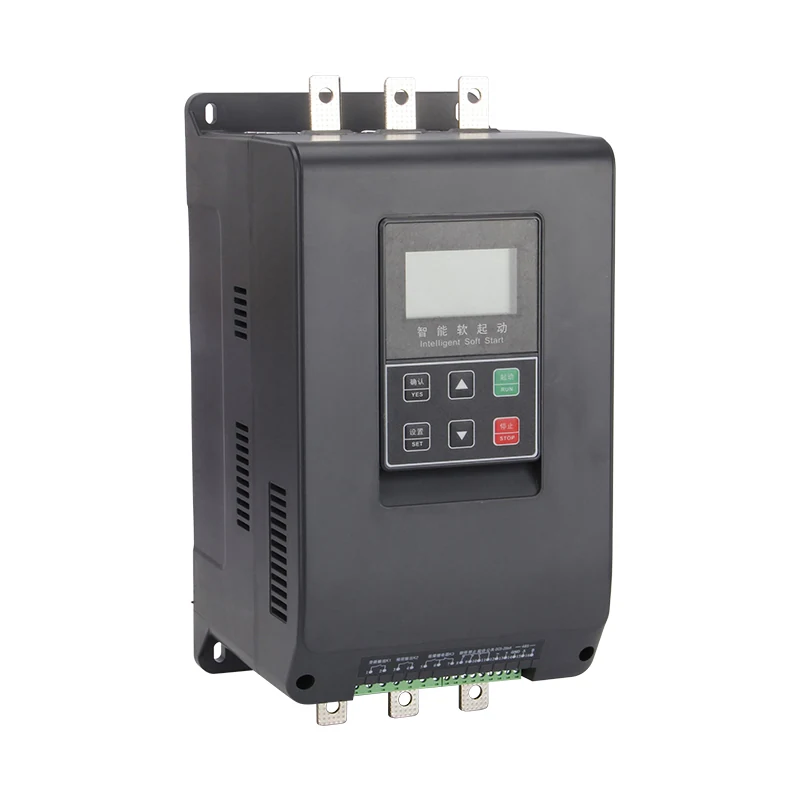 .
Continue specification on the ZR800 18.5–90 kW online soft starter product page for the voltage and power band that matches your motor nameplate, then share fault codes and resistance test notes with the supplier if you need a replacement SKU rather than a component-level repair attempt.
Frequently Asked Questions
These answers condense the repair sequence, multimeter limits, and replacement stop lines for plant electricians— they do not replace your site electrical safety program or the starter manual.
Can you repair a soft starter without a factory service center?
Sometimes, for replaceable control modules or documented SCR subassemblies, when LOTO is complete and spares match the exact revision. Sealed power stages, arc damage, or unknown modifications should default to replacement.
How do you test a soft starter without damaging the meter?
De-energize, isolate line and load, cool the unit, then use high-resistance ranges on each L–T pair with leads reversed. Avoid relying on continuity beep modes alone.
What multimeter readings suggest a failed SCR?
One phase reading dramatically lower than the others in both polarities often indicates a shorted path; extremely high resistance in both directions may indicate open SCRs or gate drive failure—confirm with the manual’s expected ranges.
Why does the soft starter trip the instant I press start?
Welded bypass contactors, shorted SCRs, or incorrect parameter sets can present as instant trips—capture the fault code before lockout when possible.
How do bypass contactors fail in ways that look like SCR faults?
A welded bypass applies full voltage immediately; a bypass that never engages forces SCRs to carry run current and overheat.
When should I replace instead of repairing modules?
Replace when buswork is damaged, water compromised sealed sections, spares are obsolete, or retest requirements exceed unit cost.
Do all OEMs use the same fault codes?
No—display codes differ, but physical tests (isolation, L–T resistance, bypass operation) follow the same patterns across many solid-state designs.
Can keypad monitoring replace opening the cabinet?
Monitoring narrows the fault class; it cannot prove SCR health without the offline tests described above once the unit is safely isolated.