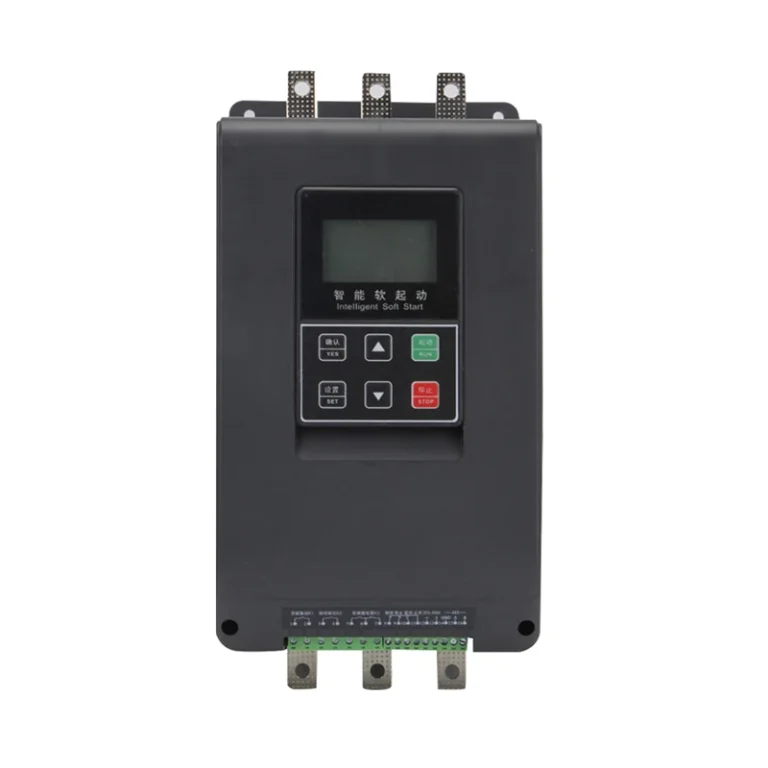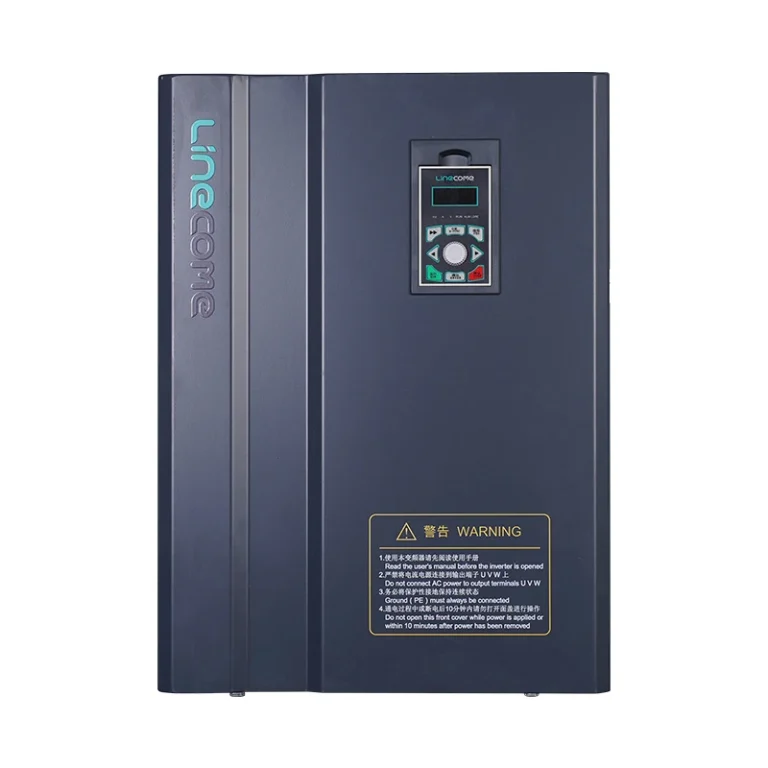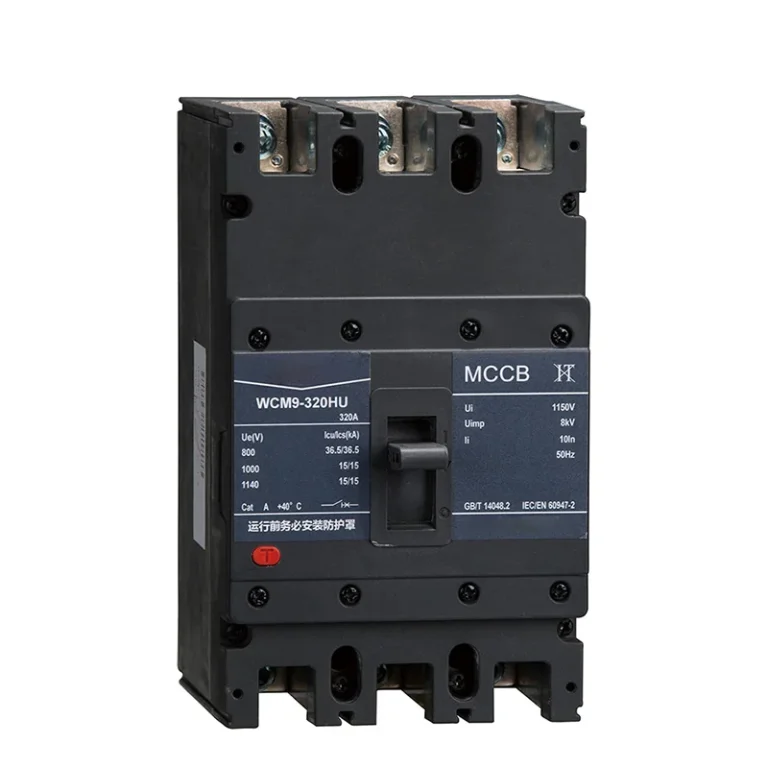

A soft starter for home AC unit Google search usually mixes two unlike product classes: HVAC-rated compressor start helpers built for a specific condensing unit, and industrial motor soft starters sized for three-phase branch circuits on pumps, fans, and plant compressors—they are not interchangeable even when both reduce start stress.
Home air conditioner owners who see lights dip when a split system kicks on are solving a residential home AC compressor soft start problem; procurement teams quoting an online soft starter for a 30 kW chiller motor are solving an industrial motor-branch problem. The sections below separate those jobs, list nameplate checks, and show where catalog ZR800 hardware actually fits—with the home AC mismatch stated in the same product section.
Cross-read soft starter benefits for industrial payoff, when to use a soft starter for plant timing, how to work soft starter for SCR ramp behavior, and HVAC VFD definition when adjustable run speed—not start-only aids—is the real requirement. The Soft Starter hub collects industrial catalog paths after you confirm the motor branch is not a residential condenser helper purchase.
 .
Buyer boundary at a glance for home AC soft-start searches
Typical soft starter for home AC unit intent belongs with compressor start helpers matched to the outdoor condensing unit’s electrical design, while catalog online soft starters belong on documented industrial motor feeders with kW, voltage, and phase data from the motor nameplate.
Industrial motor soft starter summaries describe reduced-voltage starting for AC induction motors on controlled branches—window-unit plug loads and many residential split condensers sit outside that panel class even when marketing copy repeats the words “soft start”. The comparison table below keeps industrial and residential classes separate.
| Shopper context | Likely product class | What industrial ZR800 listings assume |
|---|---|---|
| Central split or window condenser at home | HVAC-channel compressor start helper (OEM-aligned) | Three-phase motor panel on 220–660 V bands with double-digit kW minimums |
| Light dimming on AC start | Compressor LRA / feeder dip issue | Motor branch engineered for plant starters |
| Commercial chiller or rooftop compressor motor | Catalog soft starter after engineering match | Public ZR800 kW and voltage rows on product pages |
Each row names a buyer class rather than a purchasable SKU.
Important: Ordering an industrial online soft starter for a house condenser because the keyword matched is a category error—public ZR800 pages start at industrial power ratings, not at single-family compressor helper SKUs.
What split and window condensing units need at the compressor
Split air-conditioning layouts place the compressor motor in the outdoor condensing unit while the indoor coil handles air delivery—any start aid targets that compressor and its factory electrical scheme, not a generic motor starter cart add-on.
Window and through-wall units integrate compressor and fan motors in one chassis; start helpers still must match that factory design rather than an arbitrary online “soft starter” listing pulled from industrial supply indexes.
Symptoms such as brief light dimming or a hard mechanical kick on start point to locked-rotor amperage (LRA) and feeder impedance—not automatically to an industrial SCR panel. HVAC technicians diagnose start relays, capacitors, helpers, and contactors within the OEM envelope before anyone speculates industrial kW hardware.
Seasonal maintenance should record compressor model, refrigerant type, and electrical data from the unit rating plate; those fields decide eligible helpers—industrial starter catalogs cannot fill missing OEM context.
HVAC compressor soft-start aids versus online industrial soft starters
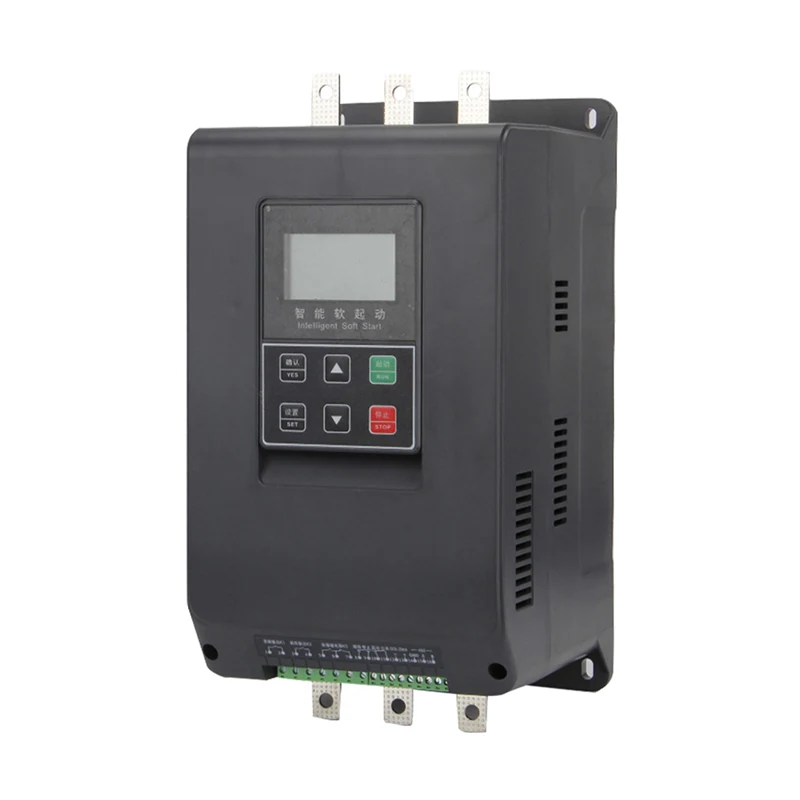
Retail and wholesale HVAC channels sell compressor soft start or “hard start” modules intended for specific condensing units; industrial distributors sell online soft starters such as the ZR800 family for motor control panels on plant equipment.
Community threads on single-phase motor starting stress the same discipline industrial buyers use: the device must match motor voltage, phase, and current—not a keyword overlap on a shopping site. That is why an industrial listing appearing beside a home AC query is a routing problem, not proof the SKU fits the condenser.
Silicon-controlled rectifier ramps on industrial starters assume branch protection, disconnecting means, and thermal coordination documented in panel drawings—none of which appear in a homeowner replacement search for a split AC that will not start smoothly.
Marketing language overlaps—“soft start,” “gentle start,” “reduced inrush”—but spec sheets diverge: HVAC helpers cite compatible compressor families; industrial starters cite kW bands, line voltage classes, and panel mounting dimensions.
 .
Nameplate and service-voltage checks before any purchase
Motor nameplate discipline applies to both worlds: voltage, phase, full-load amps, service factor, and insulation class tell you which device classes are even eligible before you compare features.
For residential condensing units, the rating plate on the outdoor unit—not a generic motor soft starter web page—defines electrical limits. Copying an industrial starter’s amp table onto a home compressor without OEM alignment fails compatibility before installation is discussed.
For industrial compressor motors, gather the same nameplate fields plus expected starts per hour, ambient temperature, and upstream transformer or generator impedance. Only then map to catalog soft starter voltage and kW bands such as those published on ZR800 series pages.
Document who owns the compatibility sign-off: HVAC contractors for home units; electrical engineers or panel builders for industrial branches. This page does not provide household wiring steps or step-by-step panel terminations—see lateral industrial install planning on sibling vfdelec articles when the load is plant equipment.
When commercial and industrial compressor motors may use catalog soft starters
Commercial rooftops, process chillers, and large air-handling compressors driven by three-phase induction motors may justify motor soft starters once the branch circuit, motor data, and duty cycle are engineered—not because a homeowner query suggested the keyword.
In those projects, buyers compare online soft starters against direct-on-line contactors and variable frequency drive packages using the same decision tree as pump and fan tags: fixed-speed run with controlled start favors soft starters; adjustable run speed favors VFD paths described on HVAC VFD definition and VFD hub pages.
Repeated starts, weak feeders, and large compressor motors on documented 220 V or 380 V branches align with industrial catalog bands. Residential 240 V split systems with integrated OEM boards remain on HVAC replacement parts channels unless a formal engineering study says otherwise.
 .
ZR800 online soft starter — product fit when the load is industrial (home AC mismatch)
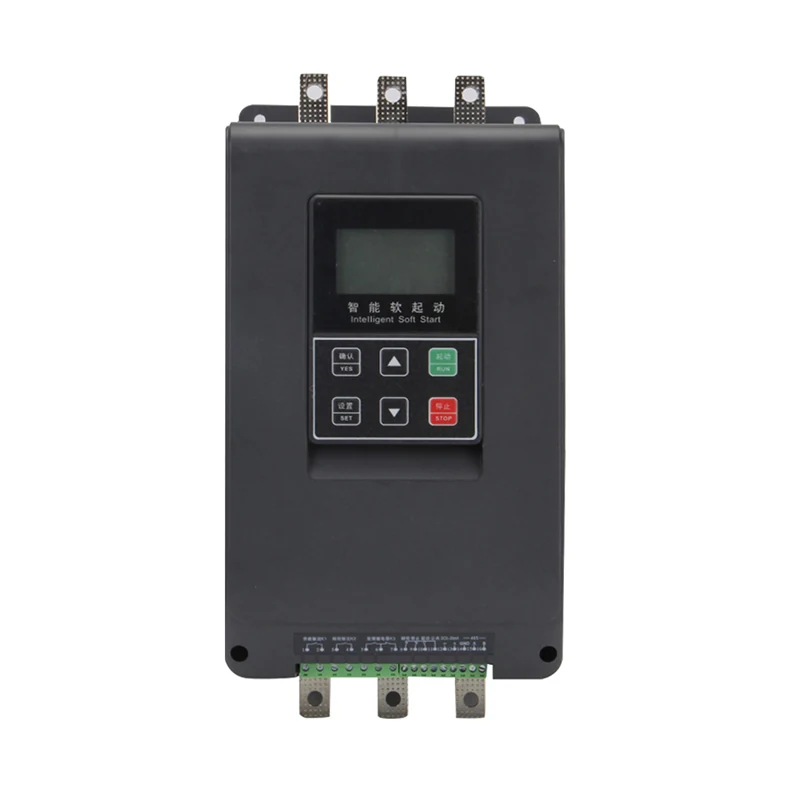
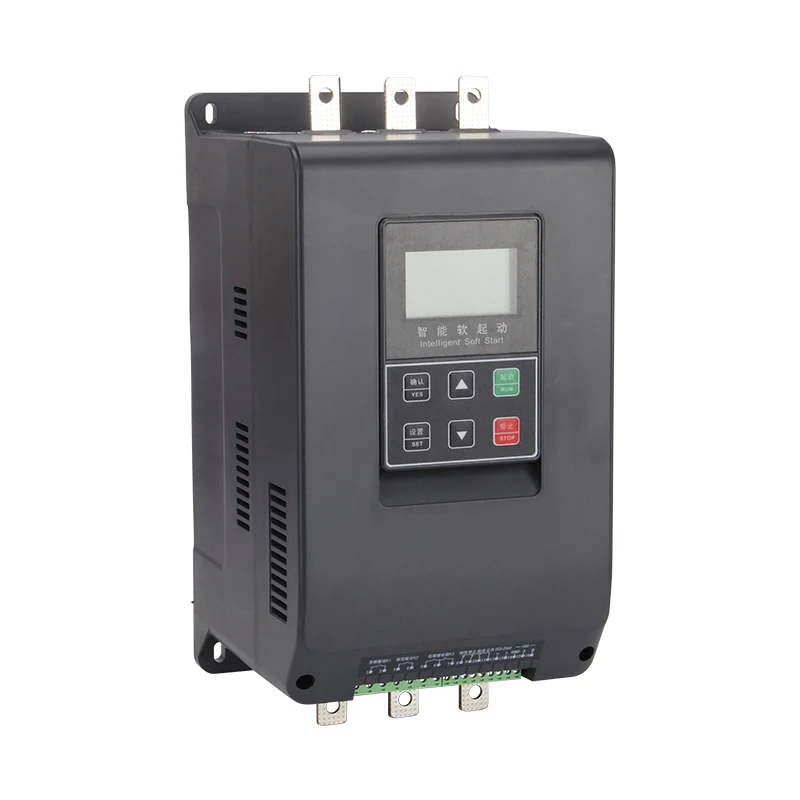
Recommend the ZR800-18.5-90KW online soft starter series only after nameplate review confirms an industrial three-phase motor branch within the public voltage and kW bands on that page—and not when the load is a typical home split or window condensing unit fed from residential service.
Public catalog text on the ZR800-18.5-90KW page lists rated voltages of 220 V, 380 V, 460 V, 525 V, and 660 V, with power-rating bands that begin at 15 kW on 220 V and 15 kW on 380 V, within an 18.5–90 kW series scope in the product title. Those numbers describe industrial motor control—not a wall-outlet window air conditioner or a homeowner replacement cart for a 3-ton condenser.
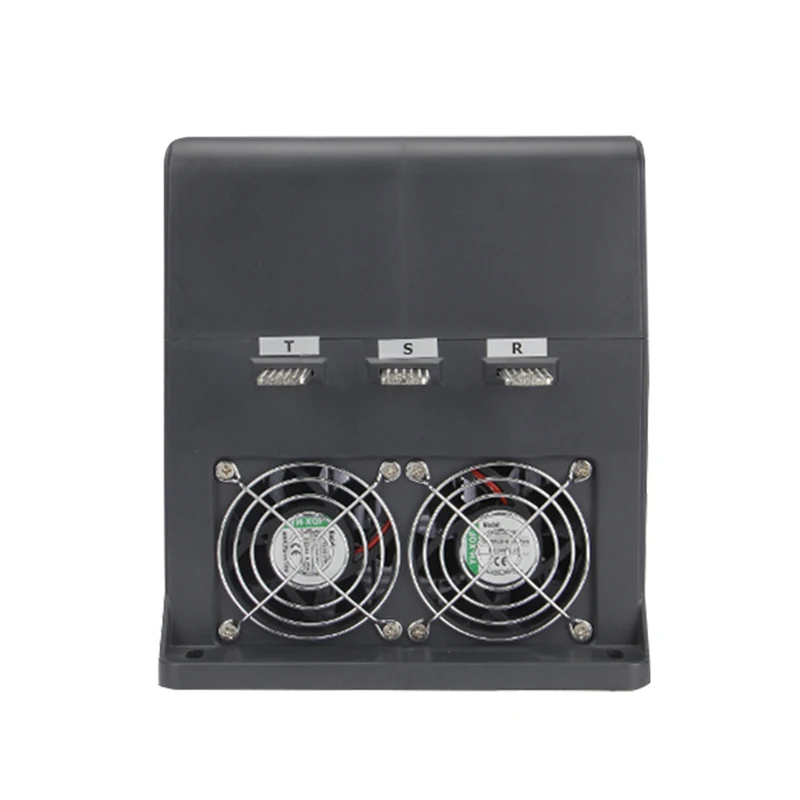
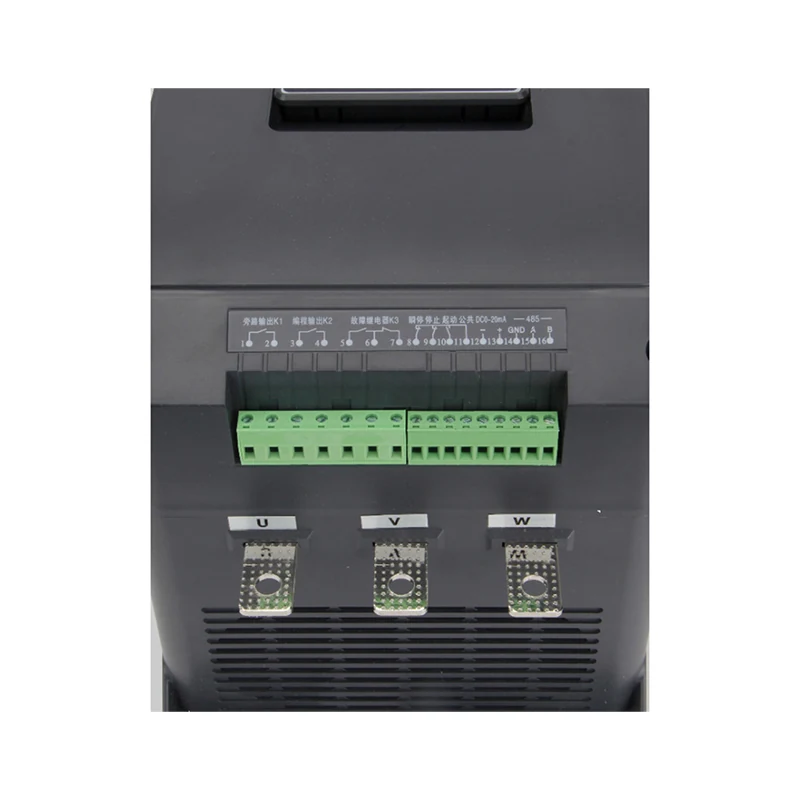
The same public features list documents 12 protection functions and monitoring of current, voltage, phase sequence, frequency, and runtime—capabilities aimed at panel builders and plant maintenance, not at unqualified field modification of residential OEM boards.
| Public ZR800-18.5-90KW row (verify on live page) | Industrial fit signal | Home AC mismatch |
|---|---|---|
| 220 V / 380 V / 460 V / 525 V / 660 V rated voltage list | Matches engineered plant feeders | Not a plug-in residential helper class |
| 15 kW minimum on 220 V and 380 V bands | Large compressor or pump motors | Above typical home condenser motor scope |
| 12 protection functions on features list | Panel integration and maintenance logs | Does not replace OEM HVAC start kits |
The table restates public catalog rows only.
If your only goal is smoother starts on a house central AC, stop at HVAC-channel compressor helpers matched to the condenser rating plate; if your RFQ documents a three-phase industrial compressor motor within ZR800 public bands, continue on the product page and Soft Starter hub.
 .
 .
Frequently Asked Questions
Short answers below address the most common mixed-intent searches; each question restates the buyer boundary in plain language.
Does my home AC need a soft starter?
Most home central and window systems already include factory start components; when starts are harsh or lights dim, an HVAC technician evaluates compressor helpers within the OEM electrical design—not industrial online soft starters sized for plant kW bands.
What is the difference between an HVAC compressor soft start and an industrial soft starter?
HVAC compressor soft-start aids are matched to a condensing unit’s compressor circuit; industrial motor soft starters ramp voltage on three-phase motor branches in panels. The words overlap in ads; the spec sheets do not.
Can I install a ZR800 on a residential air conditioner?
Public ZR800 pages describe industrial voltage classes and kW minimums starting at 15 kW on major voltage bands—outside typical residential condenser helper categories. Treat ZR800 as industrial catalog hardware, not a home AC wall-outlet retrofit.
Why do my lights dim when the AC starts?
Inrush current on compressor energization can dip branch voltage enough to dim lights briefly; fixing it starts with feeder capacity and OEM start components—not with ordering unrelated industrial starter SKUs.
When should a homeowner call an HVAC technician instead of buying a module online?
Call when the condenser model, refrigerant circuit, or start components are unknown, when repeated breaker trips occur, or when any modification would bypass factory safety interlocks—industrial soft starter marketing should not override that gate.
Do window AC units use the same soft-start hardware as central split systems?
Both integrate compressor motors, but electrical layouts differ by factory design; helpers are model-specific rather than universal industrial starter families.
What nameplate data matters for compressor start helpers?
Outdoor unit voltage, phase, compressor model, and published electrical limits from the rating plate—not generic internet amp guesses—define what helpers are eligible.
When might an industrial online soft starter fit a commercial HVAC compressor motor?
When a three-phase compressor motor on an engineered branch matches catalog voltage and kW bands after formal nameplate and duty review—typical home split condensers remain on HVAC parts channels instead.
References
- Motor soft starter — reduced-voltage starting role on motor branches.
- Inrush current — start surge context for dimming symptoms.
- Air conditioning — split-system layout with outdoor condenser compressor.
- Variable-frequency drive — adjustable-speed contrast when throttling matters at run.
- Electric motor — nameplate voltage, phase, and current discipline.
- Split-phase electric power — residential single-phase supply context for small motor branches.
- Soft starter for single-phase motor (Electrical Engineering Stack Exchange) — community thread on matching start devices to motor and supply.