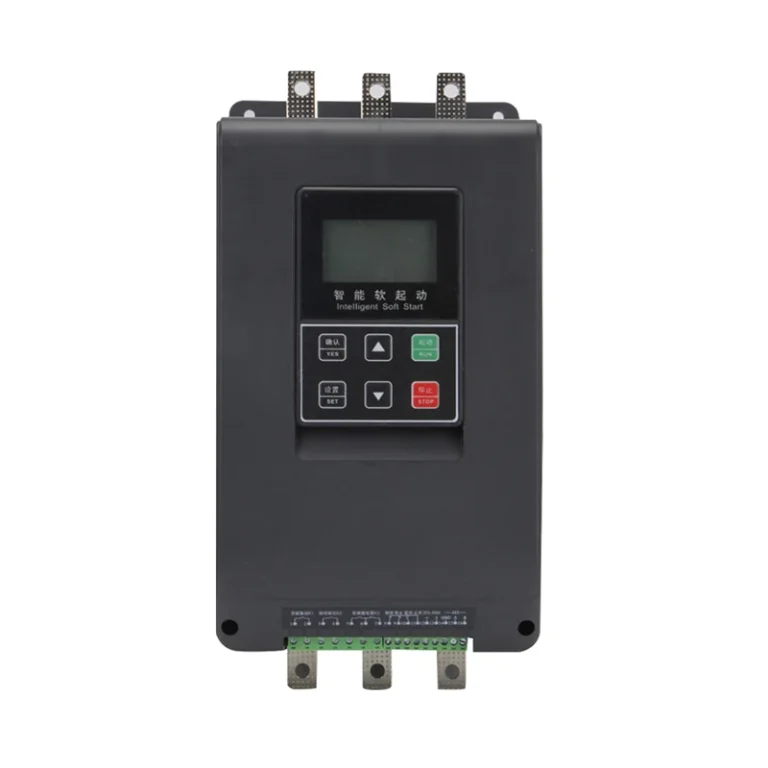

Soft starter benefits on fixed-speed motor branches show up as controlled inrush during start, gentler torque steps into couplings and belts, and a simpler control stack than a variable frequency drive when run speed never changes.
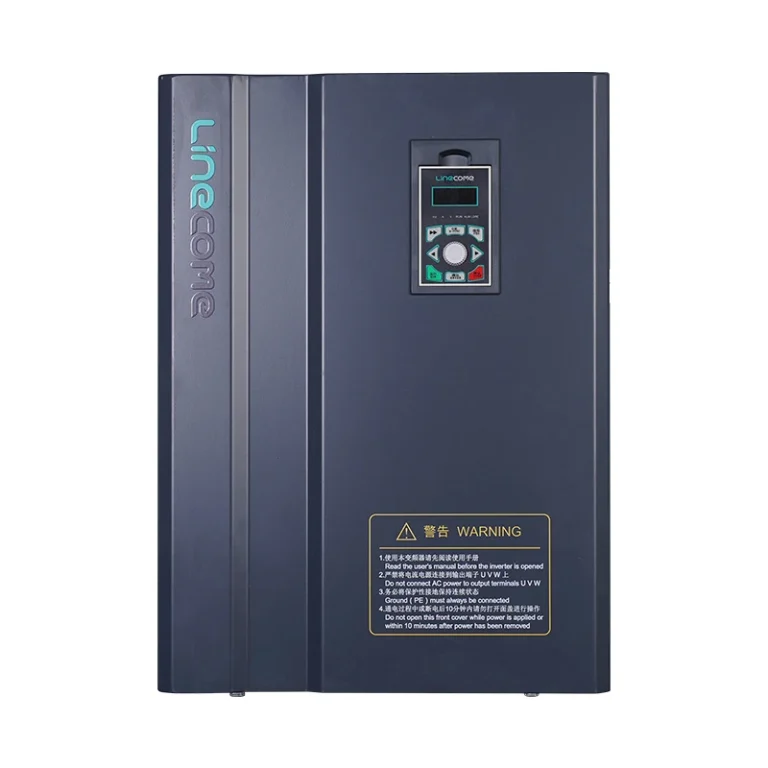
Teams searching advantages of soft starter hardware versus drives should still read soft starter vs vfd benefits as two different checklists—start control and fixed-speed simplicity here, adjustable speed and throttling on VFD pages.
Plant buyers comparing quotes often need soft starter benefits spelled out separately from selection timing (when to use a soft starter), operating sequence (how to work soft starter), panel planning (soft starter installation), or reactor naming (current limit versus soft starter)—this page stays on payoff, not wiring diagrams or ramp timing tutorials.
Browse the Soft Starter hub after you confirm the motor stays at line frequency in production. For adjustable-speed payoff, read advantages of VFD instead of expecting the same benefits from thyristor start hardware alone.
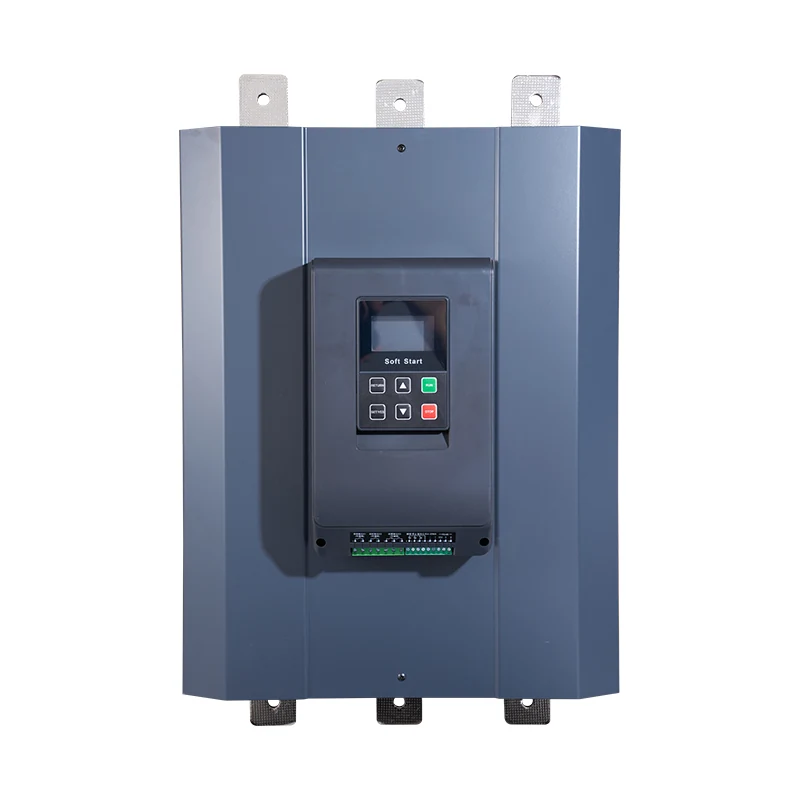 .
Soft starter benefits at a glance for fixed-speed motor branches
Thyristor soft starters earn panel space when repeated starts need voltage ramping but run mode stays at utility frequency—benefits cluster around inrush reduction, mechanical gentleness, and commissioning simplicity, not around throttling flow with adjustable Hz.
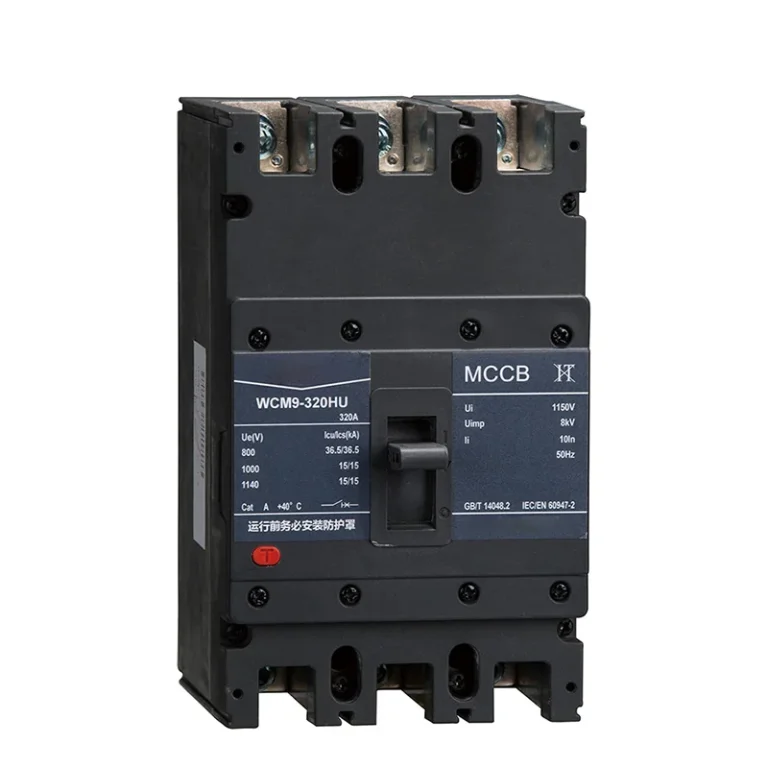
Direct-on-line contactors still win on the smallest, rarely started motors; soft starters sit between DOL and VFD complexity for many pump and fan tags.
| Benefit theme | What changes for the plant | What soft starters do not do |
|---|---|---|
| Inrush | Feeder and transformer step load | Provide adjustable run speed |
| Mechanical | Belt, coupling, column stress at start | Replace branch short-circuit protection |
| Simplicity | Fewer harmonics studies than VFDs | Save energy by slowing a fixed-speed process |
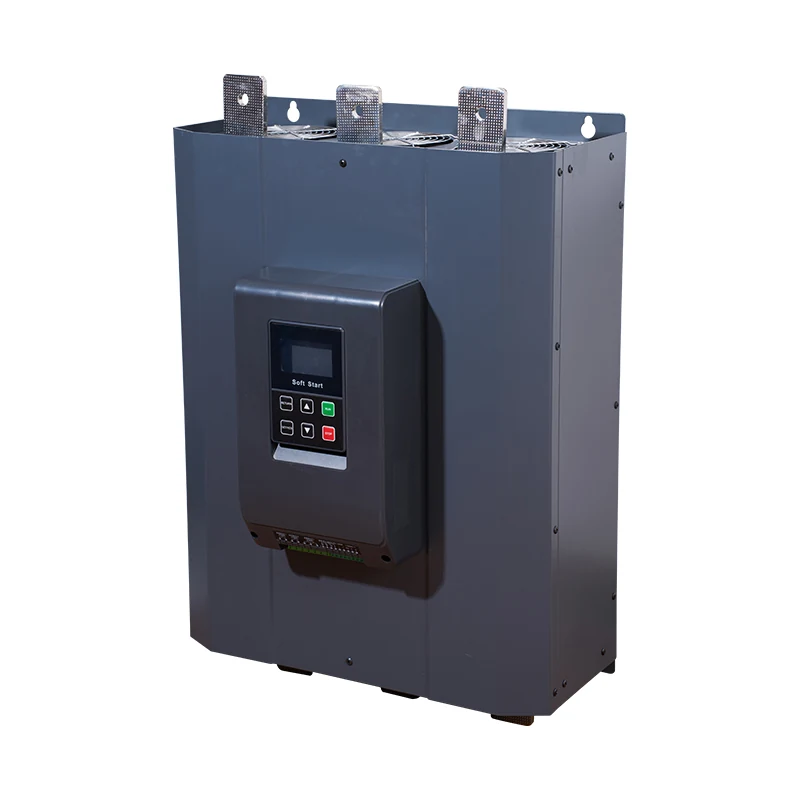
Inrush reduction benefits for utilities, transformers, and generators
Motor soft starter summaries describe gradually increasing terminal voltage so starting current rises over seconds instead of appearing as a single step—utilities and on-site generators see less abrupt load when large motors start across a shift.
Inrush current articles frame start surge as a normal DOL phenomenon soft starters mitigate—they do not promise identical peak amps on every motor design without field measurement.
Document expected starts per hour on the RFQ: occasional starts may tolerate simpler methods, while hourly pump starts usually justify SCR ramps with adjustable time and current limits.
Weak rural feeders and generator-backed sites benefit because multiple motors starting in sequence create less cumulative voltage dip when each ramp is staged.
 .
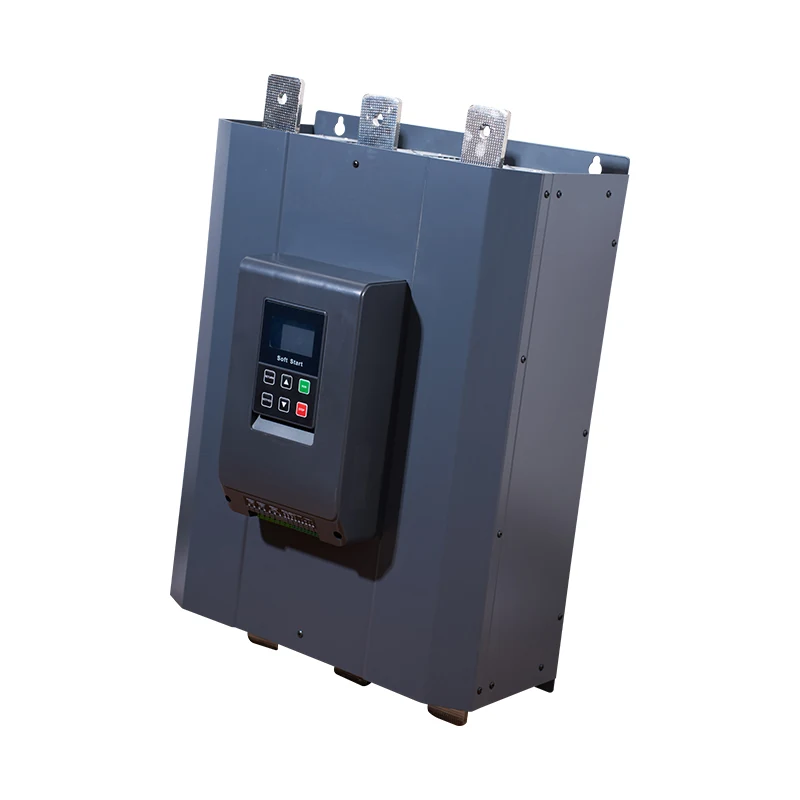
Mechanical shock and wear benefits on pumps, fans, and conveyors
Controlled voltage ramps limit torque steps into belt drives, gearboxes, and long pump columns—maintenance teams cite reduced water hammer and belt slip when starts are softened even though run speed stays fixed afterward.
Mechanical benefit is tied to start interval programming: an overly aggressive ramp still shocks the machine; a lengthened ramp trades longer start time for smoother acceleration.
Conveyors with fragile product and bulk handling lines use the same principle—soft start reduces spillage and splice stress compared with snapping motors to synchronous speed.
Seasonal irrigation pumps that see cold-fluid viscosity changes benefit from adjustable ramp times without adopting a full drive platform—the mechanical payoff remains gentler acceleration even when run hours stay at one synchronous speed.
Vertical pump applications still need separate stop and check-valve strategy; soft start benefits address the start interval only and do not replace anti-water-hammer valve sequences documented in station O&M manuals.
Simplicity and commissioning benefits compared with VFD projects
When speed never changes, soft starter projects skip adjustable-frequency programming, extensive harmonics planning, and motor cable practices that VFD installs require—even though both devices use power electronics.
Silicon-controlled rectifier summaries explain phase-angle control during start without implying continuous frequency control during run—commissioning focuses on ramp, current limit, bypass proof, and overload settings instead of speed loops.
Bypass contactors that close at run remove continuous semiconductor duty, which keeps cabinet heat predictable on fixed-speed duty cycles.
Field teams often finish soft starter commissioning faster than first-time VFD vector tuning on identical pump skids because the acceptance test is smooth start at line frequency, not holding an intermediate speed reference with stable torque.
Panel builders also stock fewer spare parameter files—soft starter projects typically document ramp, limit, and bypass auxiliaries whereas VFD projects add speed reference sources, fieldbus maps, and harmonic mitigation notes in the same binder.
Warehouse exhaust fans on generator backup may still use soft starters so multiple motors online after an outage do not stack DOL inrush on the genset—even when those fans never throttle during run.
Honest boundaries: when VFD benefits outweigh soft starter benefits
Variable-frequency drives add adjustable run frequency, part-load energy strategies on fan and pump curves, and process features soft starters cannot offer when throttling is part of the recipe.
If operators throttle with dampers or valves while the motor runs at full speed, a VFD’s speed-matching benefits may outweigh soft starter simplicity—soft start alone does not fix wasted power across the valve.
Harmonics and filtering still exist on VFD branches; soft starters avoid continuous PWM but do not replace motor protection coordination or branch fault studies.
Cross-read advantages of VFD for energy and control benefits; return here when the process confirms fixed-speed operation.
Application benefits matrix — pumps, fans, and compressors
Use the matrix to translate soft starter benefits into equipment classes before you copy a starter SKU from a neighboring tag—benefits stay similar, but ramp times and bypass requirements differ by inertia and hydraulic layout.
| Application | Soft starter benefit you should expect | Still verify on site |
|---|---|---|
| Municipal booster pump | Less inrush on repeated starts | Column static head, ramp time |
| Cooling tower fan | Gentler belt and gearbox loading | Bypass auxiliaries proved |
| Fixed-speed compressor | Reduced mechanical shock at start | Control mode vs unload valves |
| Long conveyor | Fewer product spills at start | Torque limit settings |
 .
From the field: Encyclopedia and forum notes repeat that bypass proof matters—assuming the motor is healthy because it “sounds at speed” hides failed bypass contactors that overheat SCRs on the next start.
ZR800 online soft starter series — product fit when benefits match duty
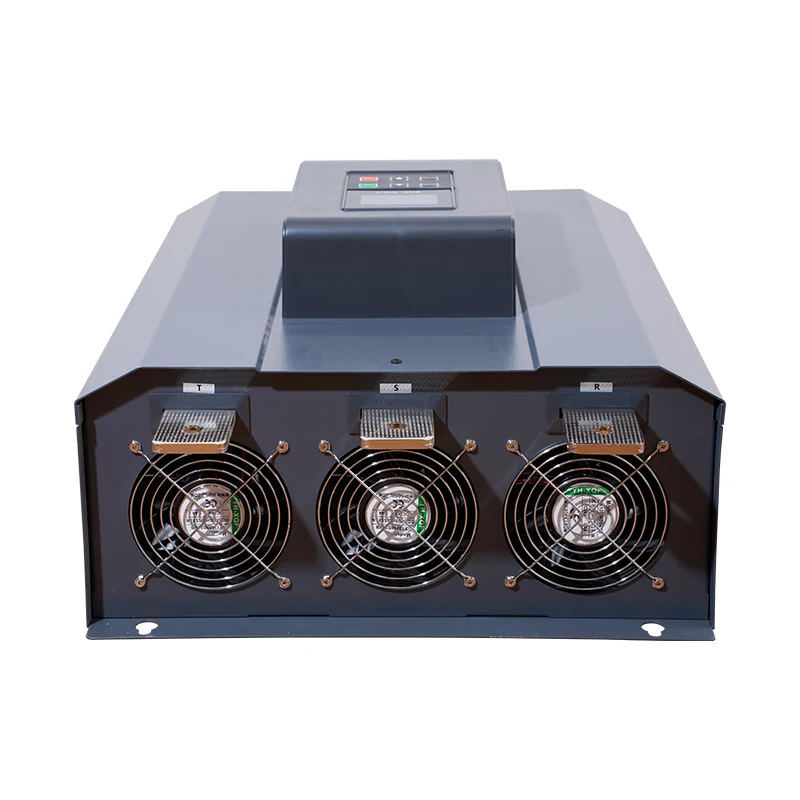
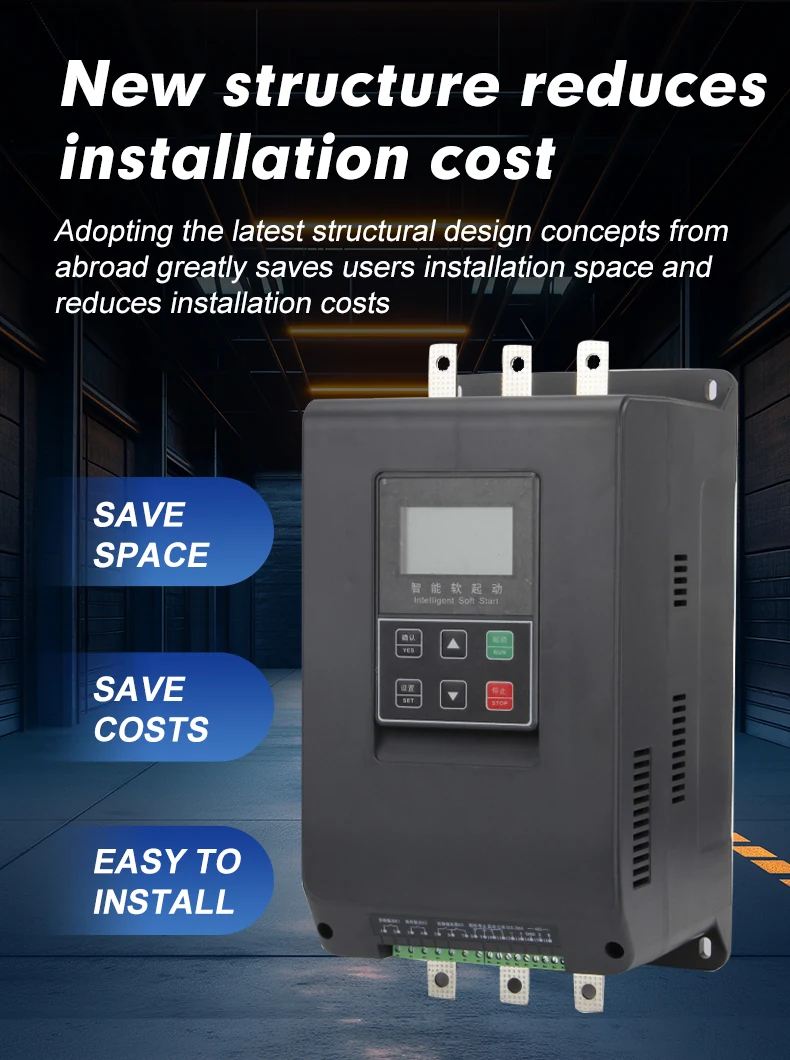
When benefit review confirms fixed-speed pump or fan duty with frequent starts, align motor band to the public ZR800 online soft starter family and copy protection themes from the catalog—not from generic starter cheat sheets.
The published ZR800-18.5-90KW online soft starter series page lists 12 protection functions on the features list plus monitoring of current, voltage, phase sequence, frequency, and runtime—benefits maintenance teams can log after each start when those signals are wired into the plant SCADA.
The same public page documents 4–20 mA output with 0.5% linear accuracy on the features list for tying starter health to process meters—still subject to loop calibration and grounding practice on your site.
 .
| Public ZR800 theme | Benefit after fixed-speed start review | Your project verifies |
|---|---|---|
| 12 protection functions (features list) | Maps starter trips to plant alarms | Motor FLA, duty class |
| Runtime and electrical monitoring | Supports maintenance logs | Comms path to SCADA |
| 4–20 mA output, 0.5% linear accuracy (features list) | Process visibility | Loop power, grounding |
For ramp and bypass sequence detail after selection, see how to work soft starter; for cabinet space, see soft starter installation.
 .
Frequently Asked Questions
Benefit answers below stay at fixed-speed duty; adjustable-speed questions belong on VFD application pages linked above.
What are the main benefits of a soft starter?
Controlled inrush, gentler starting torque into mechanical systems, and simpler fixed-speed commissioning compared with full VFD projects when run frequency never changes.
Does a soft starter reduce inrush current?
It ramps terminal voltage so current rises over time instead of appearing as a single direct-on-line step—exact peak values still depend on motor design, load inertia, and configured ramp.
How does a soft starter reduce mechanical stress?
By limiting voltage and torque during the start interval, soft starts reduce shock to belts, couplings, gearboxes, and pump columns compared with instant full-voltage starting.
What are the advantages of a soft starter vs a VFD?
Soft starters optimize start at fixed line frequency with lower control complexity; VFDs add adjustable run speed, throttling energy strategies, and harmonics planning when the process needs variable speed.
Is a soft starter simpler to commission than a VFD?
Usually yes on fixed-speed pump and fan skids because acceptance focuses on ramp, bypass proof, and overload settings—not speed loops, vector tuning, or DC-link braking coordination.
Do soft starters save energy during run?
Not by slowing the motor—run mode stays at line frequency. Energy-related benefits appear indirectly when you avoid oversized upstream equipment stressed by DOL inrush, not by throttling speed.
When should you not use a soft starter?
When the process requires adjustable run speed, continuous flow modulation, or holding intermediate speeds—specify a VFD instead and read VFD advantage material for those payoffs.
What monitoring benefits appear on catalog soft starters?
Public ZR800 pages list electrical monitoring, protection functions, and optional 4–20 mA output on the features list—use those rows when you want starter health visible to operators without building a full drive stack.