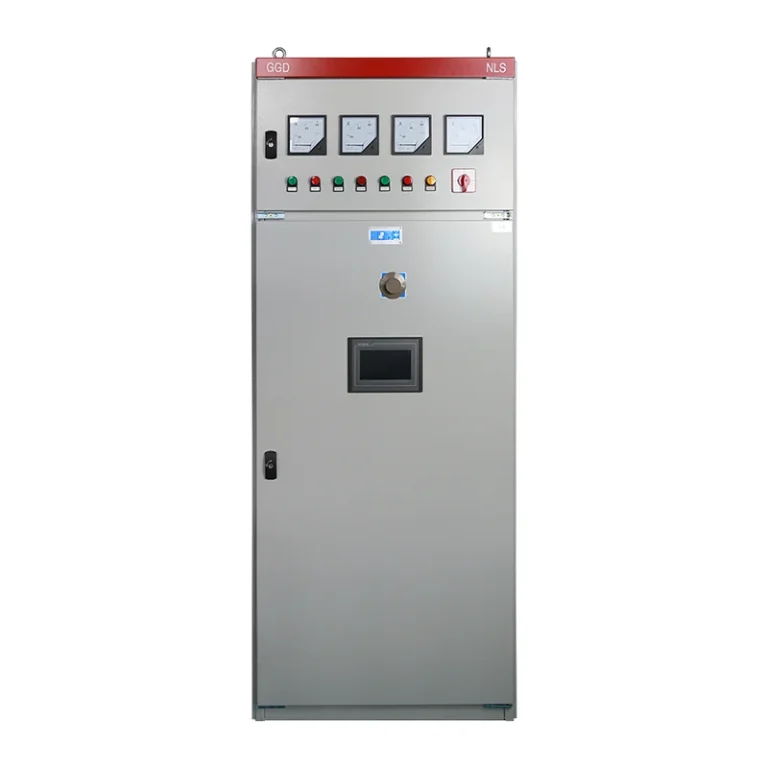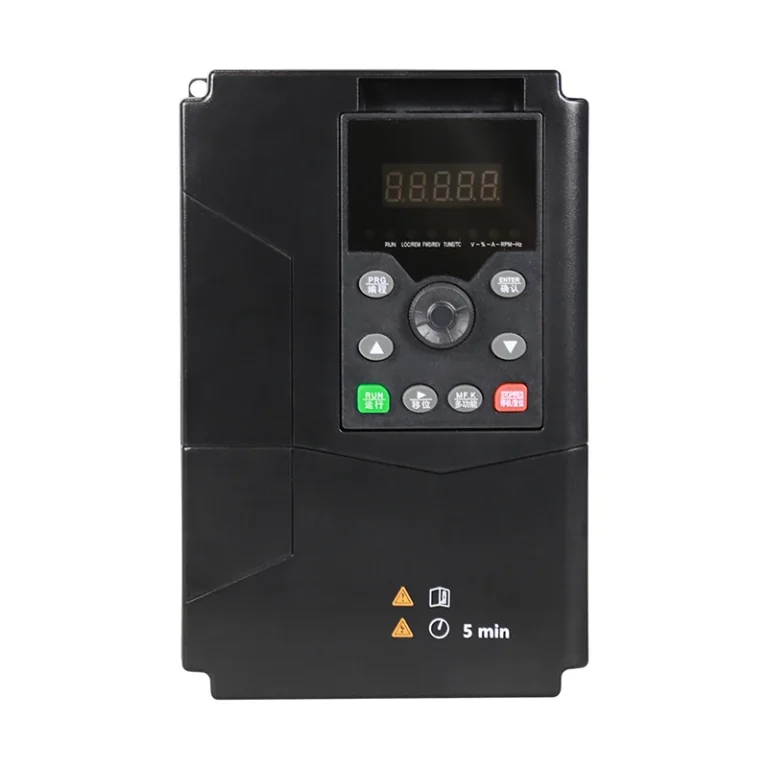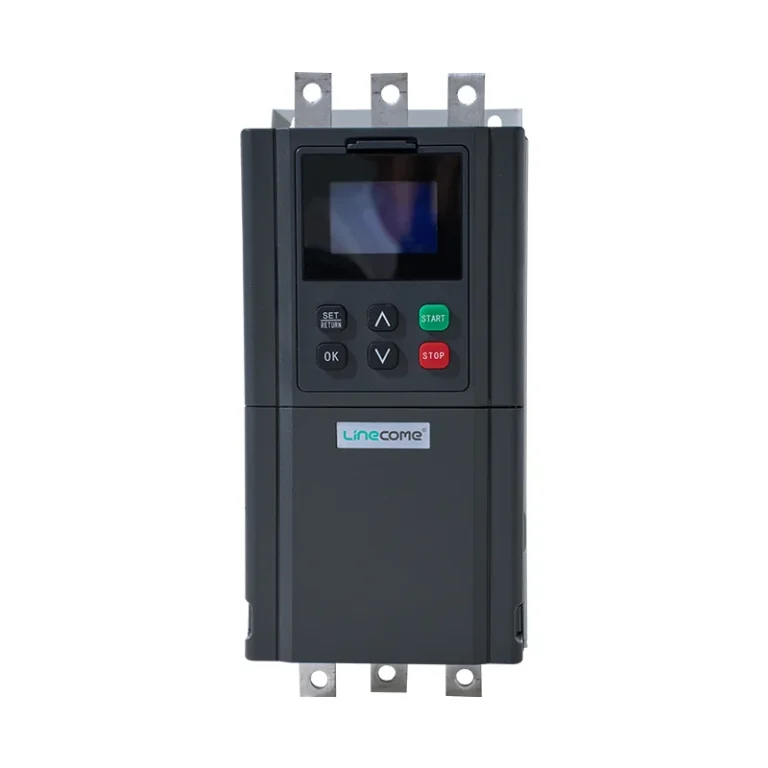

In building and mechanical specs, the hvac vfd definition is an adjustable-frequency motor controller on fan, pump, or compressor branches that matches shaft speed to airflow or flow demand instead of throttling at fixed utility frequency.
Mechanical contractors who ask for an hvac vfd definition usually need a plain-language label for AHUs, variable air volume vfd tags on VAV boxes, and hydronic pumps—not the rectifier-and-inverter tour reserved for drive technicians.
A variable frequency drive (VFD) on an HVAC branch is still the same adjustable-frequency motor controller class industrial plants use; ASD / VSD labels on foreign specs point at the same hardware with different abbreviations.
Use the Variable Frequency Drive hub after you confirm which HVAC motors truly need adjustable speed. For electrical abbreviations on one-lines, see VFD electrical meaning; for inverter stages, see how a VFD works—this page stays on HVAC fan-and-pump buyer vocabulary.
 .
HVAC VFD definition in one sentence for building buyers
For building submittals, the label HVAC variable frequency drive marks the electronic motor supply that lets supply fans, return fans, and hydronic pumps run below full synchronous speed while the BAS or local controller commands frequency—not a contactor that only snaps the motor to line frequency.
That is the hvac vfd definition most spec writers intend when they tag “VFD” on an air-handling unit feeder: the motor branch is speed-controlled for comfort or energy reasons, not merely soft-started once per day.
If your question is generic panel vocabulary, start with the electrical-meaning article; if your question is which HVAC loads deserve the tag, stay on the fan-and-pump roles below.
How an HVAC VFD differs from a generic industrial VFD label
Generic industrial RFQs use “VFD” for any adjustable-speed branch; HVAC submittals usually imply variable-air-volume or variable-flow duty, outdoor enclosure expectations, and coordination with building controls.
The device class is the same power electronics; the hvac vfd definition difference is application context—static pressure tracking, chilled-water delta-T, or staging with economizers—not a separate inverter topology.
| HVAC context signal | What the VFD is doing electrically | What it is not promising by itself |
|---|---|---|
| Supply fan with damper throttle history | Reducing motor speed when demand drops | Automatic BACnet mapping without integrator work |
| Chilled-water pump | Matching flow to load | Replacing hydronic design calculations |
| Cooling-tower fan | Slowing airflow in mild weather | Eliminating legionella or water-treatment programs |
| Constant-volume legacy branch | Often no VFD needed yet | Energy savings without a throttle problem |
 .
Fan and pump roles the HVAC VFD serves
Centrifugal fans and pumps dominate the hvac vfd definition conversation because throttling with dampers or valves while the motor runs at full speed wastes energy on many duty cycles.
Department of Energy material on adjustable-speed drives emphasizes matching motor speed to load requirements in fan and pump service—that scope belongs on the RFQ when you write “HVAC VFD,” not a universal promise for every constant-torque auxiliary.
Split supply, return, and hydronic tags on the submittal even when one vendor supplies all drives—each motor row needs its own minimum speed, enclosure, and control narrative.
Packaged rooftop units may hide the drive inside the factory cabinet; your hvac variable frequency drive checklist should still trace to the motor nameplate on the actual fan or pump shaft, not only the unit model number on the cover sheet.
Commissioning agents often ask for a written minimum hertz on fans serving occupied zones—record that setpoint expectation next to the definitional paragraph so controls integrators and electrical reviewers sign the same document.
Adjustable frequency versus line frequency on AHUs and chillers
During normal run, an HVAC VFD presents the motor with coordinated voltage and adjustable frequency; during bypass or failure modes, some designs return the motor to fixed line frequency through contactors.
Buyers confuse “VFD present” with “always variable”—document whether the unit includes automatic bypass, hand mode, or fireman’s override that changes who owns speed control during emergencies.
ASHRAE-oriented practice treats fan and pump variable speed as a controls strategy; the hvac vfd definition still lands on the motor terminals seeing controlled frequency, not on the BMS graphics alone.
VFD versus bypass versus soft starter on HVAC feeders
Contactors and soft starters leave the motor at line frequency during run; only the VFD adjusts run frequency for continuous modulation.
Soft starters fit fixed-speed fans or pumps that merely need gentler inrush on generator or weak feeds—see when to use a soft starter before you specify drives on every tag.
| Device on HVAC branch | Run frequency | Speed control during normal operation | Typical when |
|---|---|---|---|
| Contactor | Fixed utility frequency | None | Constant-volume legacy |
| Soft starter | Fixed utility frequency | Inrush ramp only | Fixed-speed with harsh starts |
| VFD | Adjustable | Primary comfort/flow tool | Throttled fan or pump duty |
| VFD with bypass | Fixed when bypass closed | VFD when in drive mode | Critical uptime specs |
 .
Spec fields mechanical contractors attach to HVAC VFD submittals
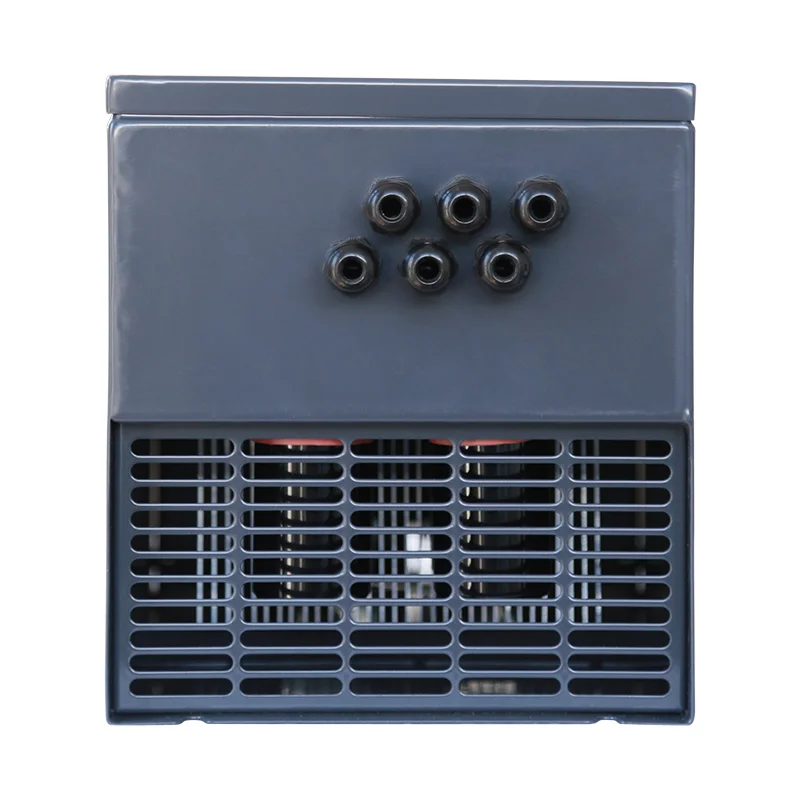
Photos and motor nameplates reduce wrong voltage-class orders before air handlers ship.
List motor full-load amps, insulation class, supply voltage at the disconnect, expected frequency range, cable run length, and whether the drive sits outdoors or in a mechanical room.
Note BACnet, Modbus, or analog speed reference expectations separately from the hvac vfd definition paragraph—protocol is integration work; adjustable frequency is the electrical role.
Important: Defining an HVAC VFD does not certify code compliance—local mechanical and electrical rules, manufacturer manuals, and qualified engineers still govern installation, grounding, and life-safety interlocks.
Matching LNC820D and LNC610 drives — product fit for fan and pump HVAC duty
Public series pages anchor examples once load class and motor data are known—they are not substitutes for nameplate matching in the field.
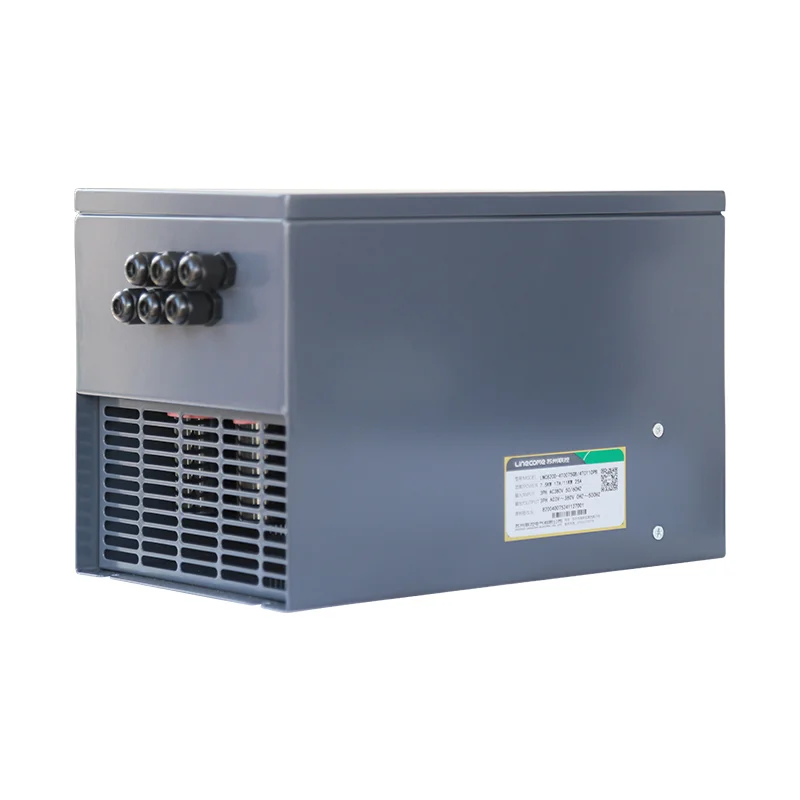
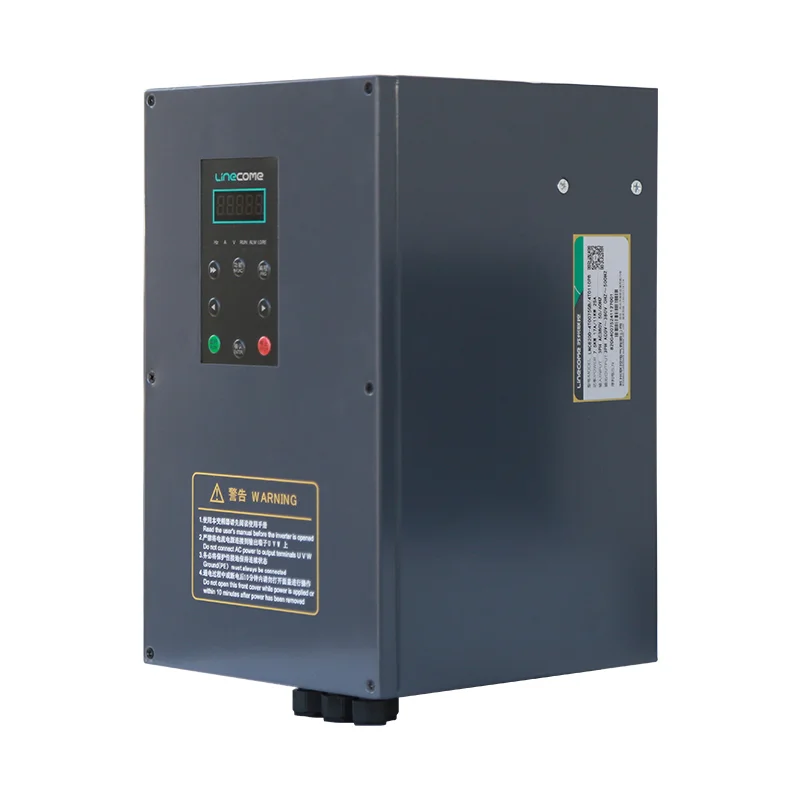
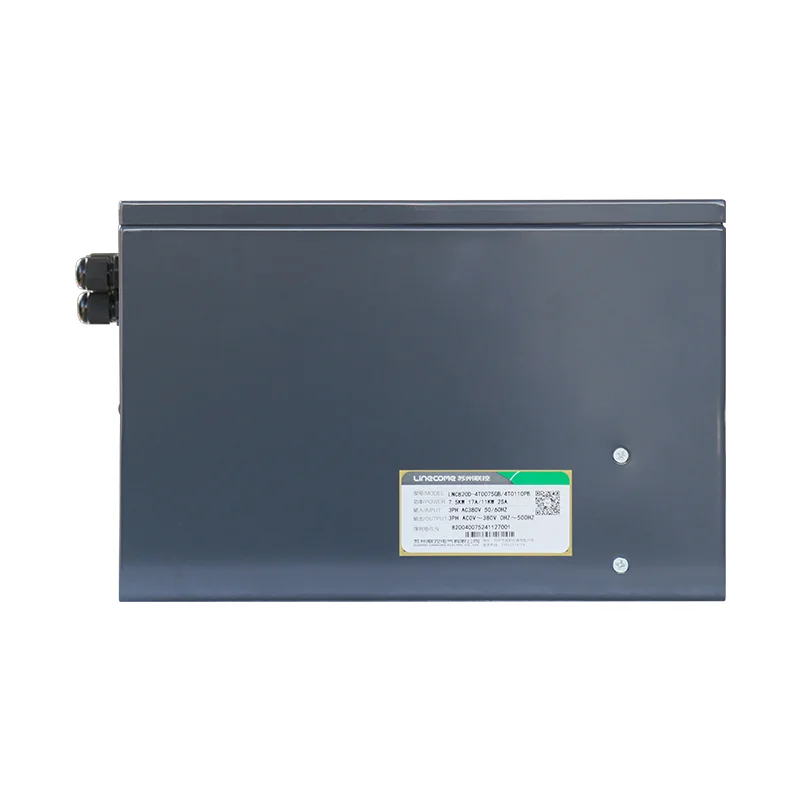
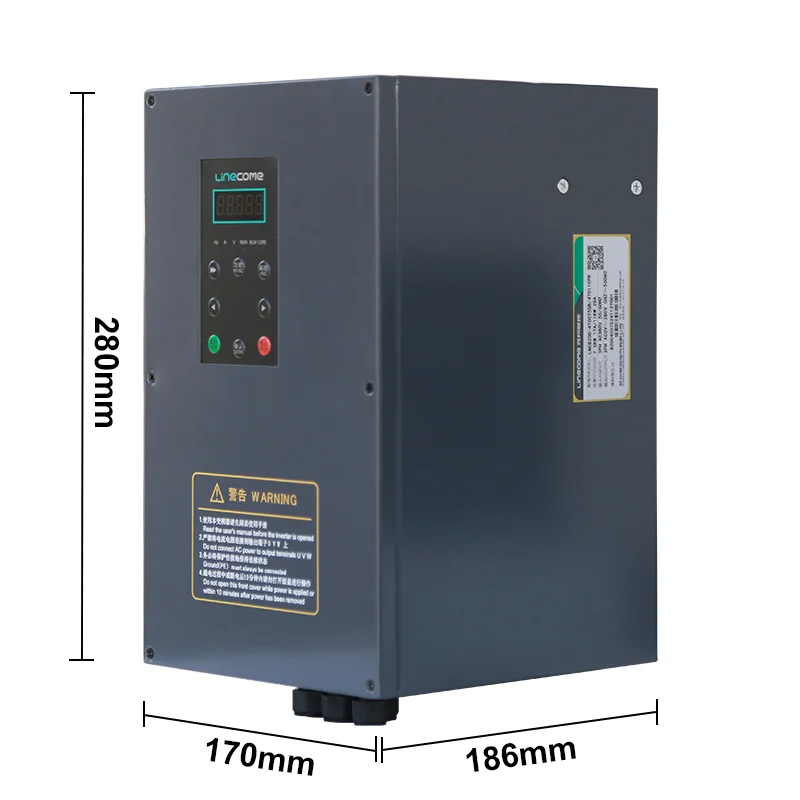
The LNC820D high-protection VFD series targets fan and pump duty where published overview copy highlights high-protection positioning for harsh or outdoor-adjacent environments—confirm kW and voltage band against your motor tag.
The LNC610 general-purpose VFD series lists wide output frequency range, V/F and open-loop vector modes, Modbus, and built-in PID on the public table—useful when a smaller hydronic or fan motor needs process-loop hooks without a separate controller.
| HVAC application signal | LNC820D (published themes) | LNC610 (published themes) | Still verify in field |
|---|---|---|---|
| Outdoor or washdown-adjacent fan | High-protection series positioning | General-purpose enclosure class | Enclosure rating, heat sink |
| Hydronic pump with PID setpoint | RS485/braking themes on related rows | Built-in PID on overview | Sensor range, tuning owner |
| Small VAV or unitary fan motor | Match kW band to nameplate | Modbus on overview | Min speed cooling |
 .
 .
Share air-handler tag, motor nameplate photos, and whether speed follows static pressure or valve position when you ask the supplier to map LNC820D or LNC610 rows inside published kW bands.
Chiller plant upgrades sometimes reuse an existing hvac variable frequency drive specification from an older job; compare that legacy text against current motor tags before you assume the same kW row still fits after coil or impeller changes.
Building owners reviewing O&M manuals should see the hvac vfd definition paragraph adjacent to the BAS points list—operators who only see graphics screens may not realize the motor is electronically fed until a drive fault appears during peak cooling season.
Design engineers translating owner specs into shop drawings should copy the variable air volume vfd language only onto branches that truly modulate airflow—not onto constant-volume smoke exhaust or stair pressurization fans that must fail to full speed under code-driven scenarios unless the AHJ accepts a documented alternative.
Frequently Asked Questions
These answers stay definitional for HVAC buyers; commissioning steps live in the manual for the model you order.
What is an HVAC VFD in plain language?
It is an adjustable-speed motor controller on a fan or pump branch so airflow or flow can track building demand instead of staying at full speed while dampers or valves choke the system.
Is an HVAC VFD different hardware from a factory VFD?
Usually the same drive class; HVAC specs add duty context, controls interfaces, and enclosure expectations—not a separate inverter species.
Does every fan on a drawing need an HVAC VFD?
No. Constant-volume branches that never throttle may remain on contactors or soft starters until a retrofit justifies adjustable speed.
How is this different from VFD electrical meaning?
Electrical meaning covers abbreviations and one-line symbols; this page defines HVAC fan-and-pump buyer context.
How is this different from how a VFD works?
Mechanism articles cover rectifier, DC link, and PWM; this page defines where HVAC drives fit before you study topology.
Can I use hoist or crane VFD articles for an AHU?
Hoist duty adds brake and inching constraints—use HVAC fan/pump definitions here, then read application guides for load-class depth.
References
External references support HVAC definitional and fan/pump scope claims in this guide.