
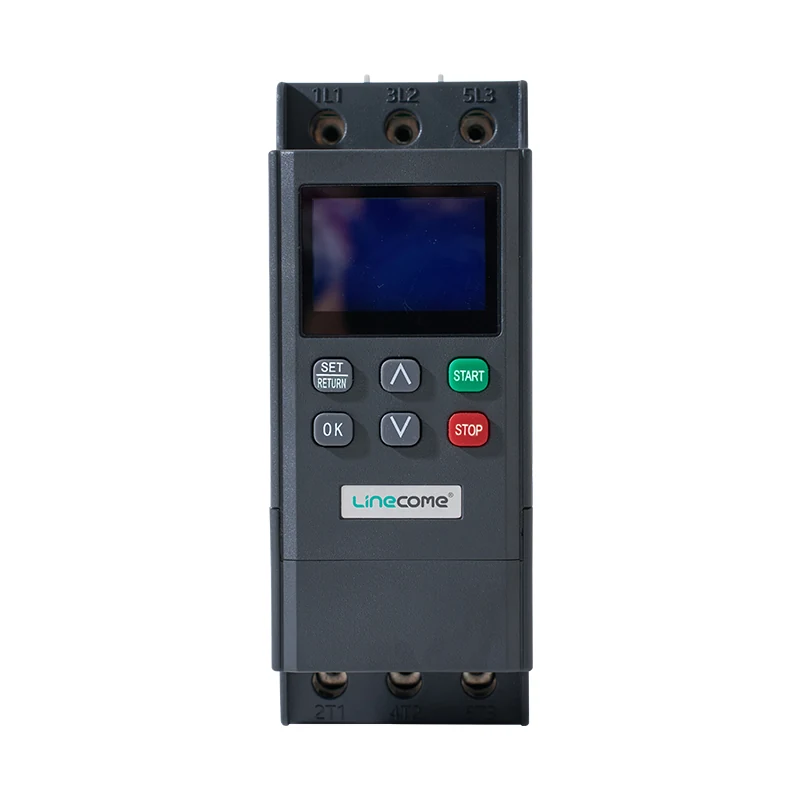
Soft Starter Phase Sequence: Verify Supply Order and Motor Direction
Separate soft starter phase sequence alarms from actual motor rotation, then document supply checks, safe direction verification and restart acceptance.



Separate soft starter phase sequence alarms from actual motor rotation, then document supply checks, safe direction verification and restart acceptance.
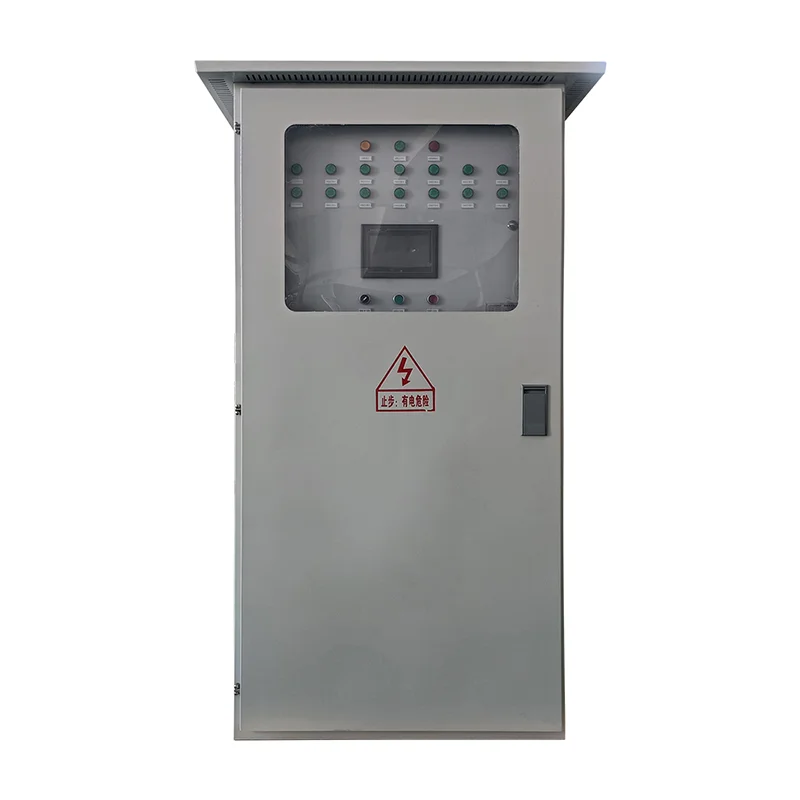
Plan PLC relay output suppression for DC and AC coils, check switching ratings and confirm release timing before accepting a control cabinet.
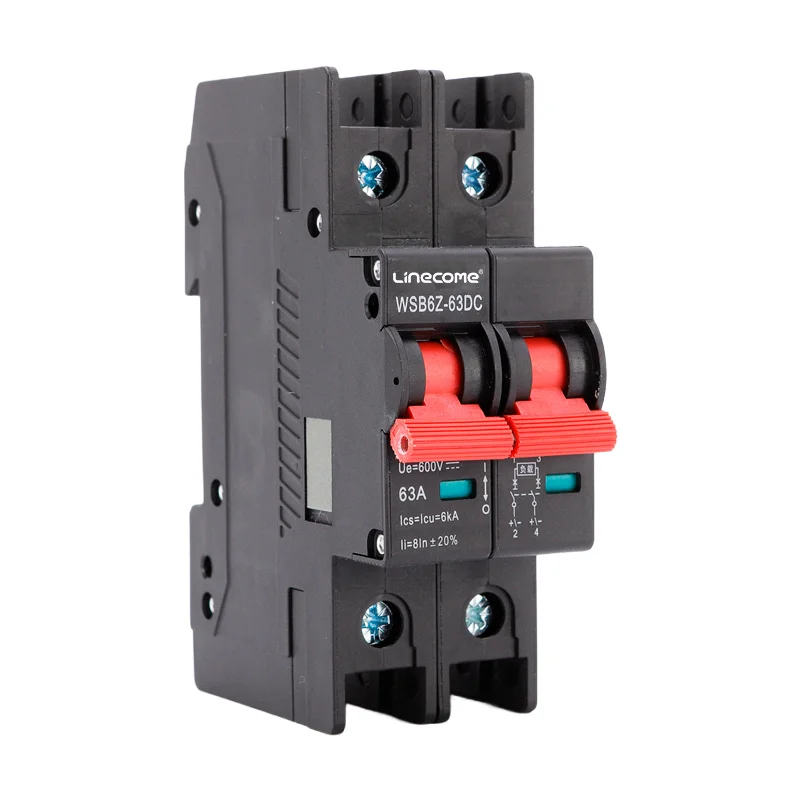
Check DC circuit breaker polarity, current direction, source paths and approved pole arrangements before selecting protection for a control or solar circuit.
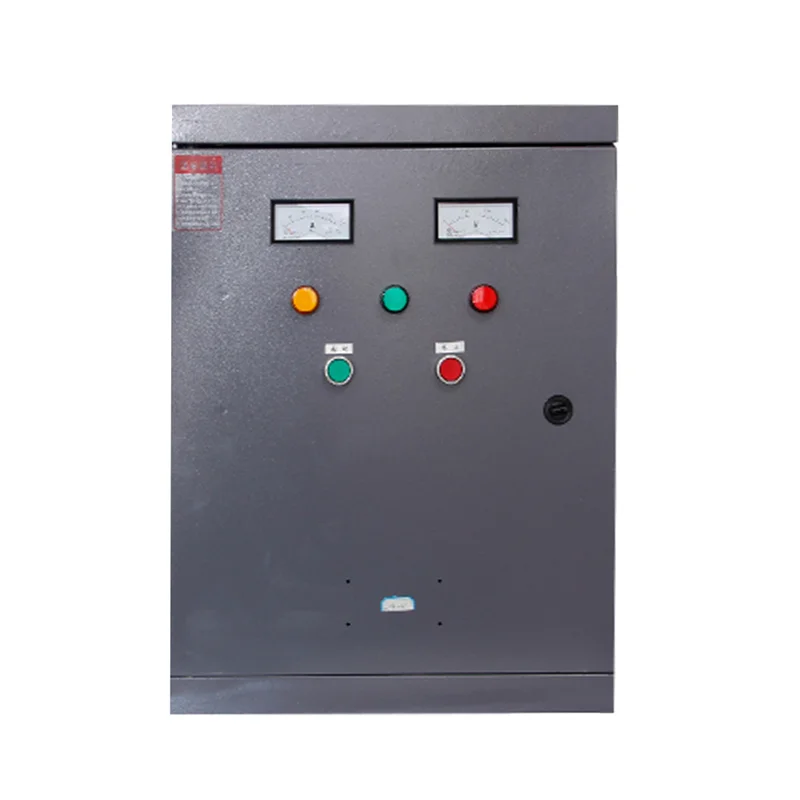
Check a star delta motor nameplate against supply voltage, winding access and load duty before ordering a starter cabinet or reusing an existing motor.
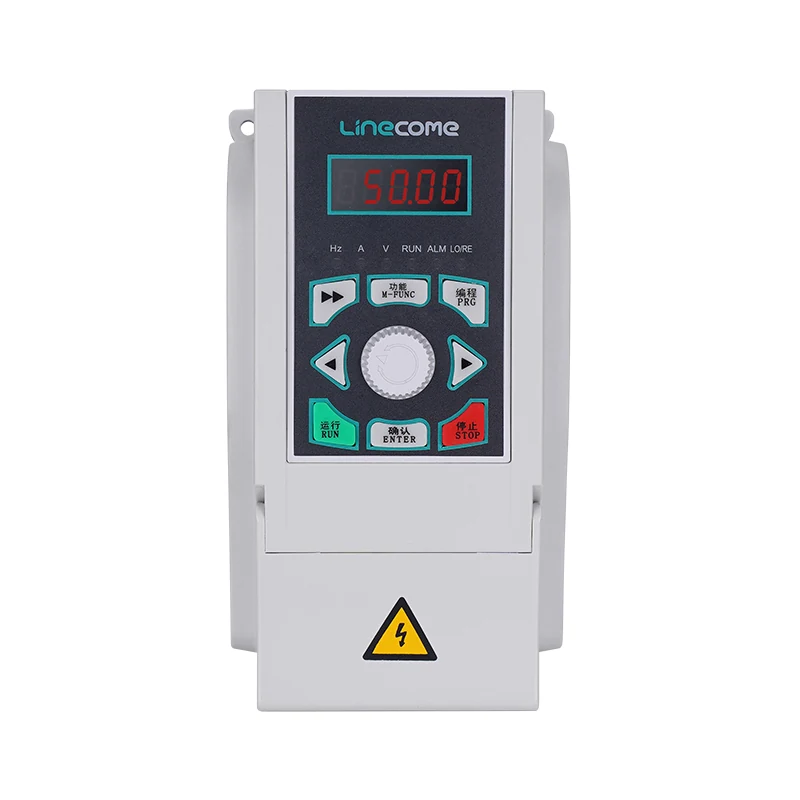
Assess VFD skip frequency settings with measured vibration, speed-band limits and control-mode tests before accepting a fan or pump drive installation.
Match PLC sinking and sourcing inputs to PNP or NPN sensors using the exact module diagram, common groups and an evidence-based cabinet acceptance test.
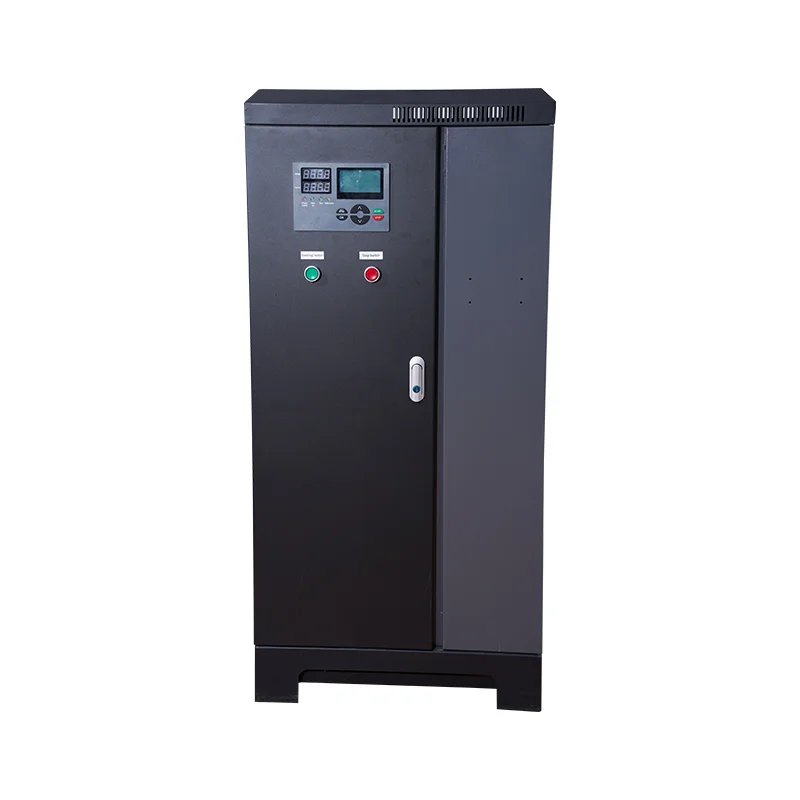
Review soft starter short circuit coordination by checking the exact protective combination, Type 1 or Type 2 evidence and the installed panel rating.
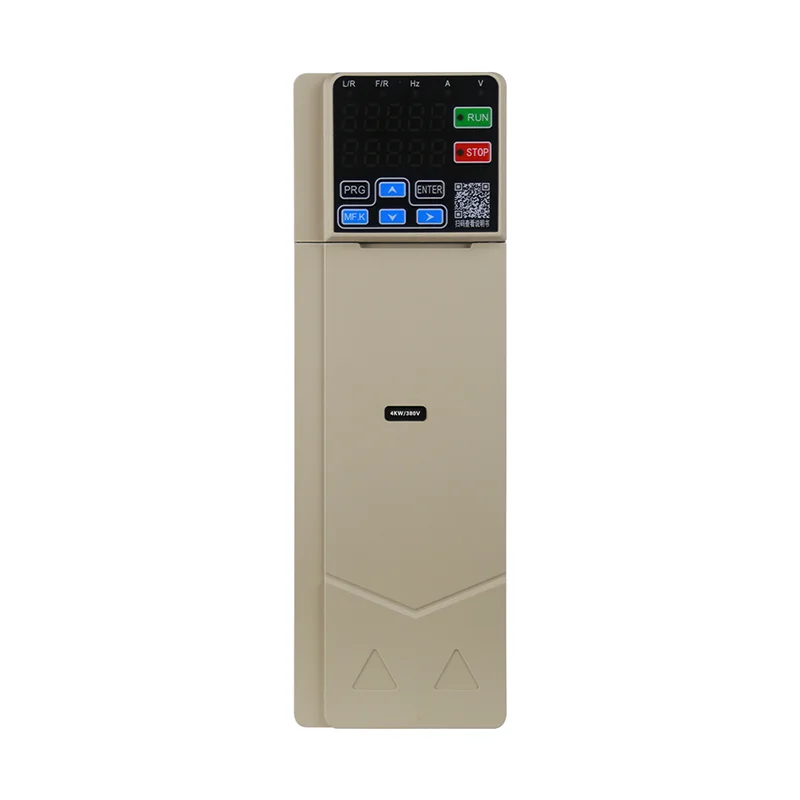
Evaluate a VFD input line reactor using drive input data, existing impedance, supply measurements and voltage margin, with clear input and output boundaries.