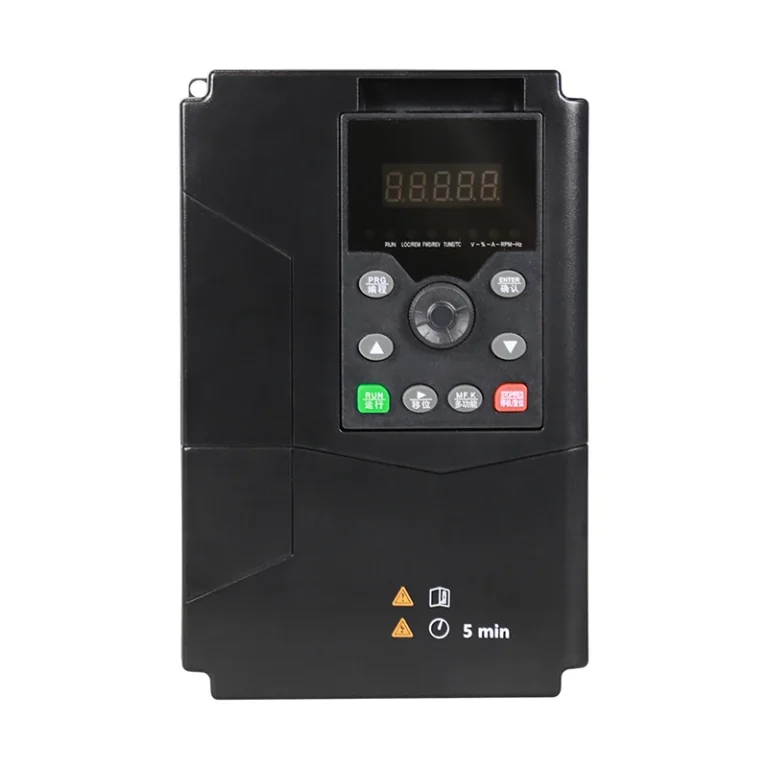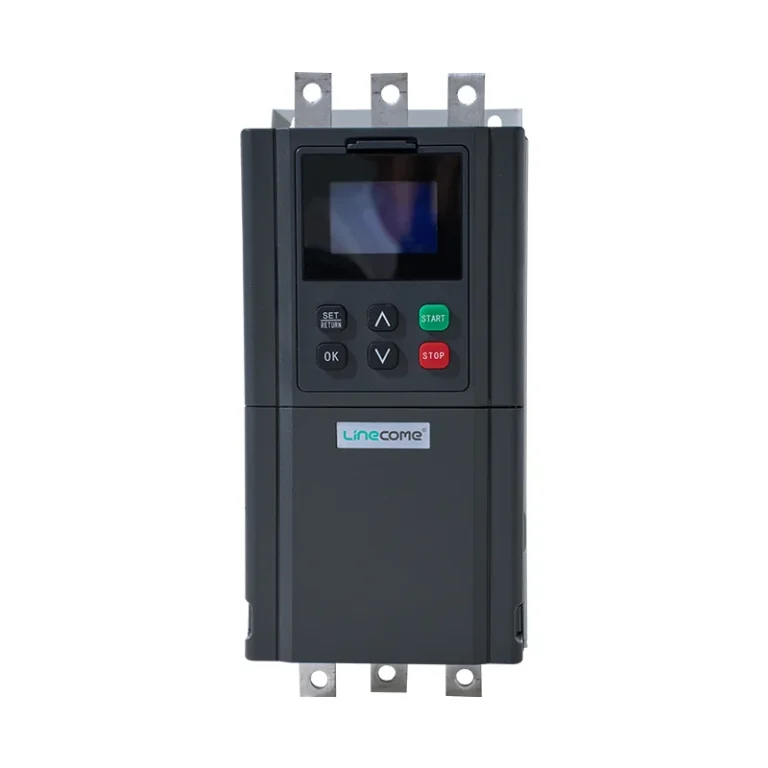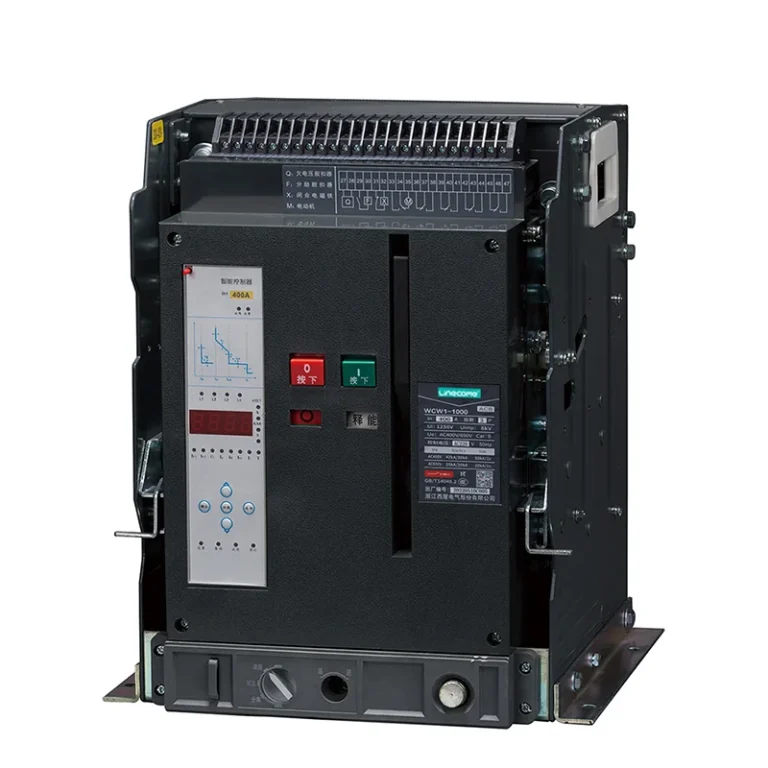

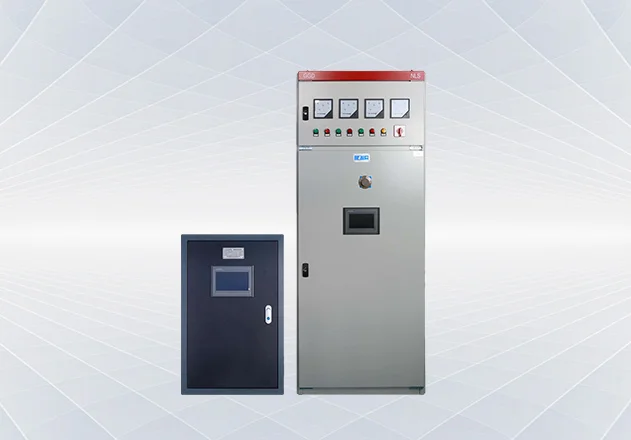
What is a plc cabinet on an industrial quote is shorthand for a protected control assembly—enclosure, power distribution, logic controller, I/O, and field terminations—not a loose PLC CPU module sitting on a bench.
On drawings, plc cabinet meaning usually marks the physical panel where machine logic lives, while separate lines may call out motor controllers, networks, or HMI stations that still mount nearby or inside the same enclosure family.
Procurement readers should expect a bill of materials spanning disconnects, power supplies, PLC hardware, I/O modules, terminal blocks, and labeling—not a single catalog line labeled “PLC.” Integrators may also label the same assembly a PLC control panel on submittals when the drawing set emphasizes enclosure layout rather than CPU model numbers.
The sections below define the assembly, contrast variable frequency drive panels that only adjust motor speed, and point to vfdelec’s PLC Cabinet hub plus an adjacent Pump Control Cabinet when the RFQ is motor control rather than general machine logic.
 .
PLC cabinet definition for industrial buyers
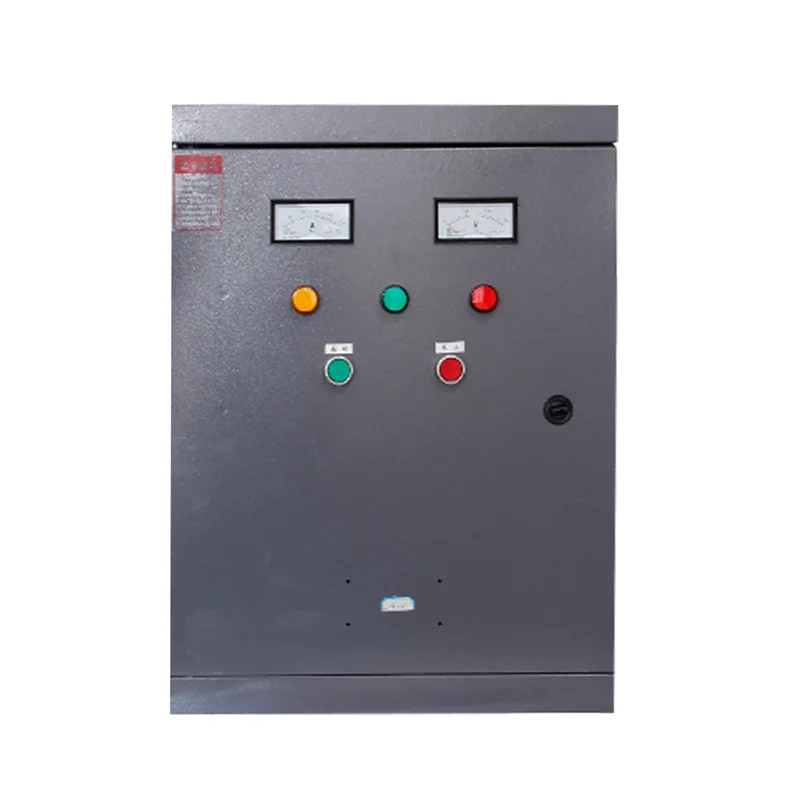
A PLC cabinet (also called a PLC control cabinet or industrial control panel) is an electrical enclosure built to host control power, a programmable logic controller, I/O interfaces, and documented field wiring for a machine or process cell.
Programmable logic controller summaries describe the CPU and I/O as the automation brain; the cabinet is the engineered home for that brain plus the conductors, protection, and auxiliaries required on a factory floor. Without the enclosure assembly, the CPU has nowhere safe to land and no documented path for field technicians to trace power and signals during outages.
Tip: When a vendor prices only the PLC processor, ask what enclosure, power, I/O racks, and terminal blocks are included—community panel discussions repeatedly confuse CPU SKUs with the full cabinet scope.
Core components inside a typical PLC control cabinet
Typical assemblies combine control power, logic hardware, I/O, and termination in one place so technicians can trace circuits without opening multiple unrelated boxes.
| Subsystem | Primary job in the cabinet | Usually not optional on industrial bids |
|---|---|---|
| Enclosure and thermal path | Protects personnel and electronics | Yes—heat and ingress drive size |
| Control power and protection | Feeds PLC and I/O safely | Fusing and disconnect coordination |
| PLC CPU and racks | Executes control program | CPU alone is not the whole cabinet |
| I/O modules | Connects field devices | Digital/analog/safety I/O as spec’d |
| Terminal blocks and labeling | Documents field wiring | Required for serviceability |
The component table is a checklist for RFQs, not a universal SKU list for every integrator. Treat empty cells in your template as questions for the integrator instead of assumptions you must fill with generic parts.
 .
How a PLC cabinet differs from a VFD-only drive panel
Variable-frequency drive panels center on adjustable-speed motor control—acceleration profiles, speed references, and motor protection tuned to one or more drives.
PLC cabinets prioritize discrete and analog logic, sequencing, interlocks, and communication with many field devices; a VFD may live inside a larger system cabinet but the panel’s primary identity is logic and I/O, not Hz control alone.
If the specification only mentions motor speed and bypass, start on VFD product literature; if it mentions sensors, valves, sequences, and interlocks, you are in PLC cabinet territory even when drives are present elsewhere.
OEM machine builders often mount a variable frequency drive inside the same enclosure as the PLC when one conveyor axis needs adjustable speed while the rest of the line stays logic-heavy—bid reviewers should still separate motor-control checkout from logic checkout even when both share airspace inside one cabinet door.
 .
Power distribution, grounding, and enclosure roles
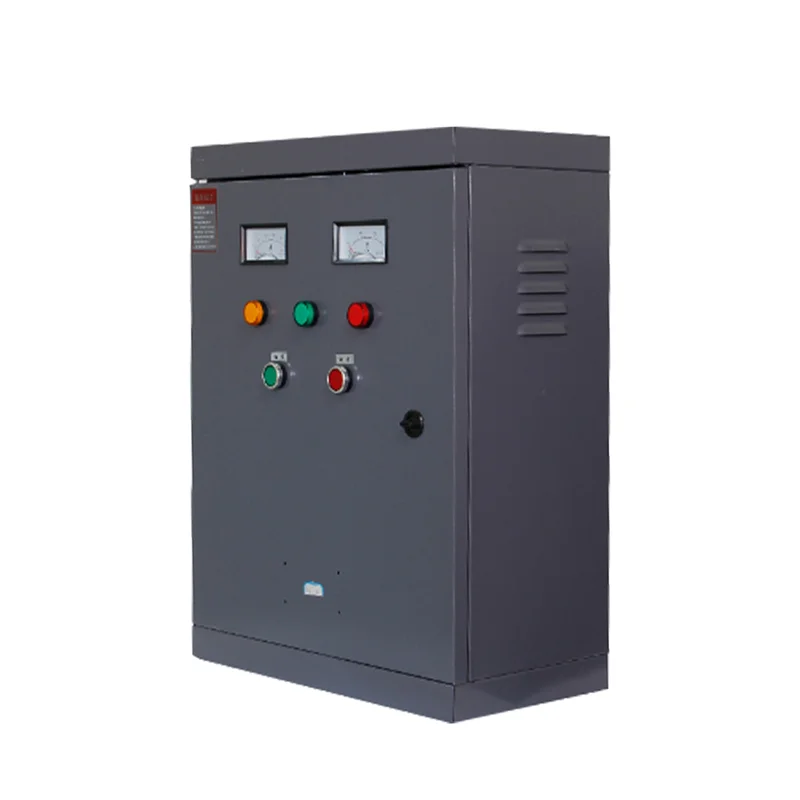
Electrical enclosure articles emphasize protection from contact, ingress, and thermal stress—PLC cabinets inherit those requirements plus control-power segmentation so logic electronics stay isolated from brute motor branch faults where designs allow.
Grounding and bonding plans, disconnecting means, and control-power transformers (when used) belong in the scope conversation before anyone sizes a PLC CPU model.
Heat from power supplies, I/O racks, and adjacent motor controllers drives venting, fans, or room conditioning—enclosure ratings come from project standards and environment, not from this overview alone.
Document whether the panel lives indoors, on a washdown line, or on an outdoor skid before anyone locks an enclosure catalog number—ingress planning is part of the PLC control panel scope even when the PLC CPU model is already frozen.
 .
Field wiring, I/O modules, and safety interlocks
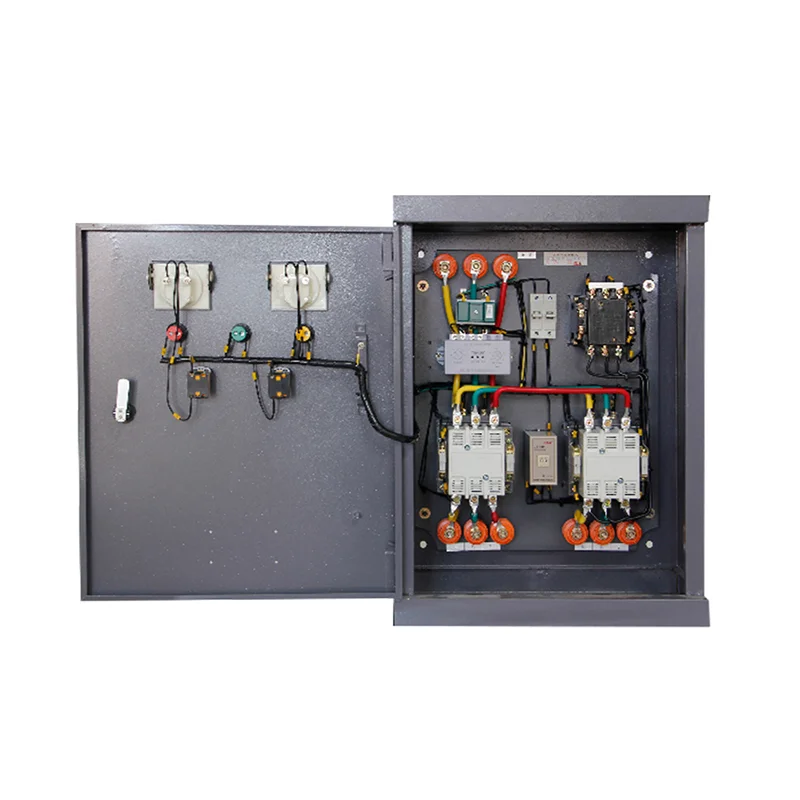
Control system overviews describe sensors, logic, and actuators as a loop—PLC cabinets are where that loop is terminated and documented with terminal blocks, wire ducts, and device labels.
Digital inputs may carry limit switches and pressure contacts; digital outputs may drive contactors or valve solenoids; analog channels scale process signals—each I/O family needs module hardware and spare capacity spelled out in the BOM.
Safety interlocks and permissives may use dedicated safety PLCs or certified safety I/O depending on the risk assessment; a standard PLC cabinet discussion still notes where safety circuits are segregated even when this article does not replace a safety standard review.
Spare I/O capacity, documented wire numbers, and as-built drawings usually travel with the cabinet handoff so maintenance can replace field devices without reverse-engineering the ladder project from memory alone.
Pump control cabinet — adjacent product fit for motor control panels
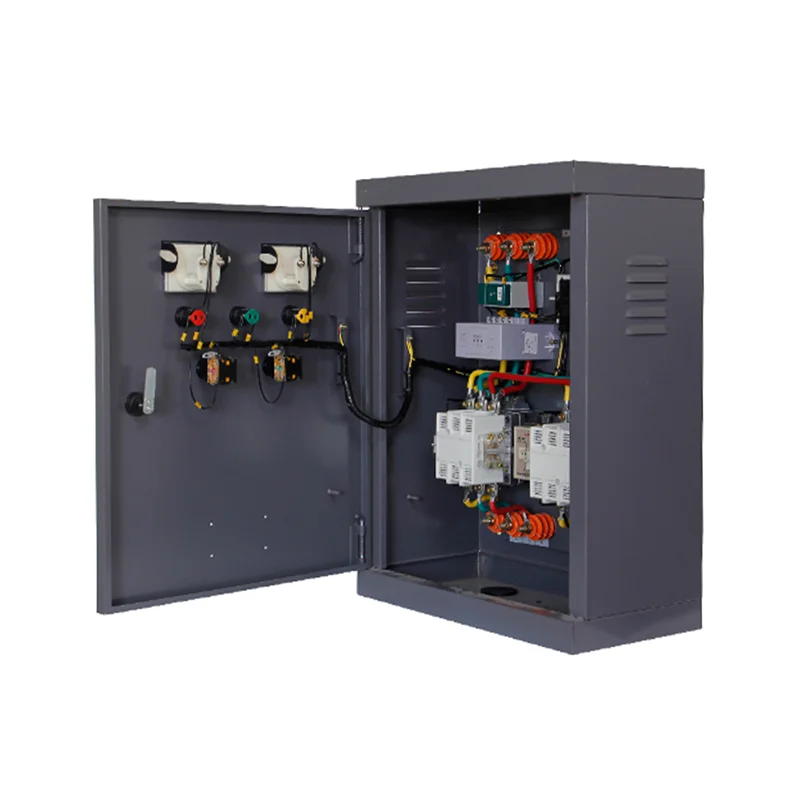
vfdelec does not publish one universal “PLC cabinet” SKU with a fixed PLC processor and I/O count on a single product page; integrators should use the PLC Cabinet hub for project conversations and evaluate adjacent catalog panels when the scope is pump motor control rather than general machine logic.
Recommend the Pump Control Cabinet page when buyers need a documented motor-control enclosure—float switch input, manual and automatic modes, drainage and water supply modes, overload protection, and phase loss protection on the public feature list—not when they require a multi-rack PLC programming environment inside the same BOM line item.
Public pump control cabinet materials also list outline dimensions such as 350×260×150 mm bands for smaller one-control-one models and wider 520×340×160 mm rows for one-control-two layouts across 0.75–18.5 kW classes on the live specification table—verify live rows before procurement.
| Public pump control cabinet element | What it covers | What it does not replace |
|---|---|---|
| Manual/auto and mode labels | Pump duty control | PLC CPU and ladder project files |
| Float switch and signal lamps | Local I/O indicators | Full plant SCADA architecture |
| 0.75–18.5 kW outline table | Enclosure size bands | Universal PLC I/O count |
The adjacent product table keeps pump motor panels separate from full PLC cabinet bills of materials.
 .
Frequently Asked Questions
These answers close common gaps after the definition sections above. They restate enclosure, logic, and I/O themes without turning the FAQ into a duplicate bill of materials—use the component table when you build a request for quote packet.
Maintenance planners should keep terminal diagrams, I/O maps, and network address lists inside the same document folder as the cabinet nameplate photo so future shifts inherit the same plc cabinet meaning the original integrator intended.
What is a PLC cabinet in plain language?
It is the enclosed, powered, wired home for PLC logic and I/O—not the PLC processor module quoted by itself.
What does plc cabinet meaning indicate on a one-line diagram?
It marks the physical control panel location where logic power and I/O terminations live, even when network or HMI gear mounts elsewhere.
What is inside a PLC cabinet?
Expect enclosure, control power, PLC CPU and racks, I/O modules, terminal blocks, labeling, and often network or HMI hardware when specified.
How is a PLC cabinet different from a VFD panel?
VFD panels optimize motor speed; PLC cabinets optimize logic, sequencing, and mixed I/O—even if both share an enclosure on some skids.
Does every PLC cabinet include an HMI?
No—HMIs are specified separately unless the RFQ explicitly bundles operator interface hardware and licensing.
Who specifies enclosure ratings for a PLC cabinet?
Project engineers set environmental and safety requirements; manufacturers implement the build to those documented standards.
Can a pump control cabinet replace a PLC cabinet?
Only when the scope is pump motor control per public pump panel features—not when the process needs general PLC logic across many non-pump devices.
Where do vfdelec PLC cabinet projects start on the site?
Begin at the PLC Cabinet hub for solution positioning; use the pump control product page when motor-control features match the RFQ.
System integrators quoting a PLC control panel should attach enclosure schedules, I/O counts, and network lists alongside CPU part numbers so buyers see the same plc cabinet meaning reflected in price and lead time.
References
- Programmable logic controller — PLC role and I/O concept.
- Electrical enclosure — cabinet protection and thermal context.
- Variable-frequency drive — motor-control panel contrast.
- Control system — sensors, logic, and actuators loop.
- PLC versus relay control (Electrical Engineering Stack Exchange) — community note on scope beyond the CPU.