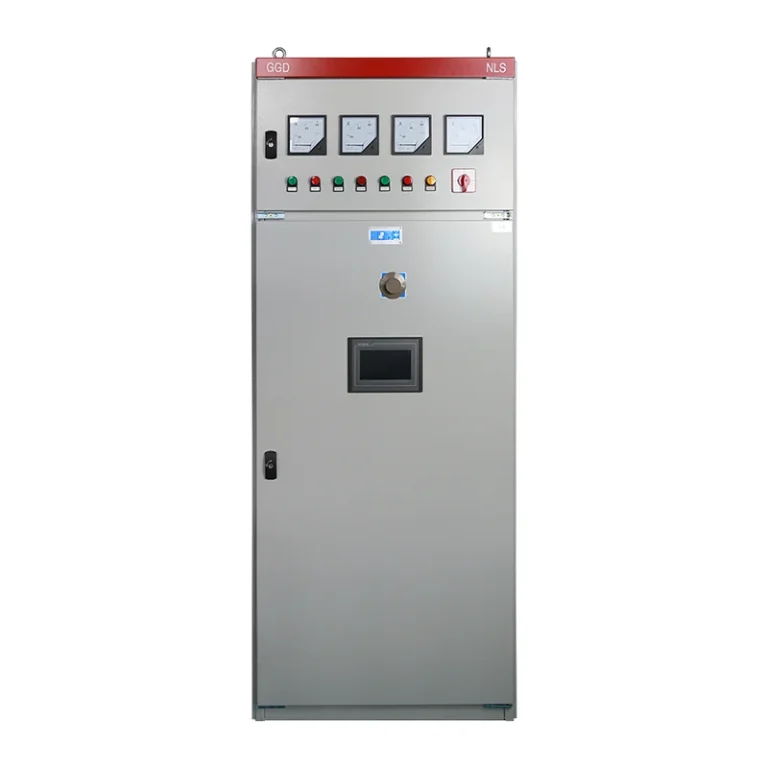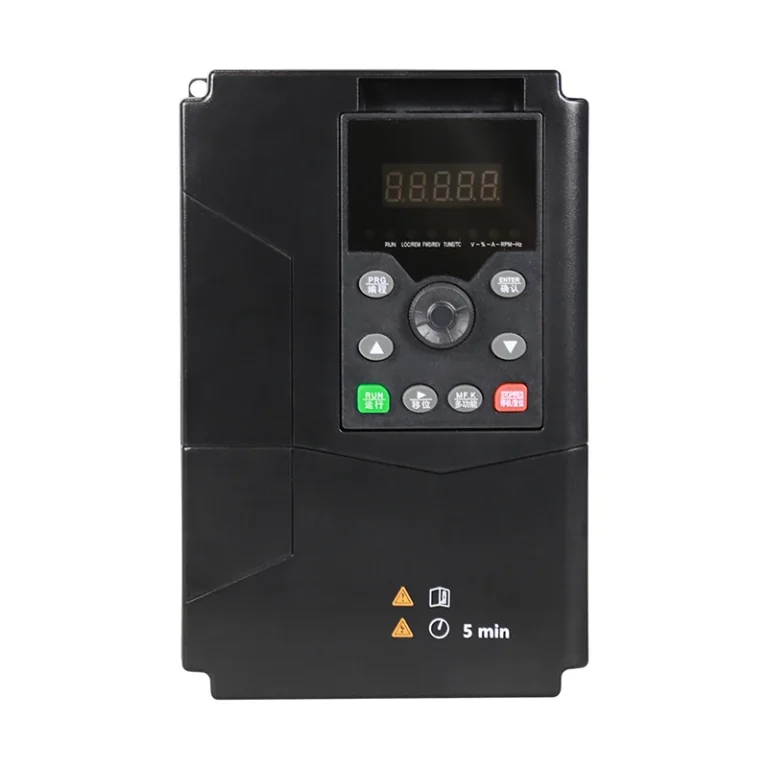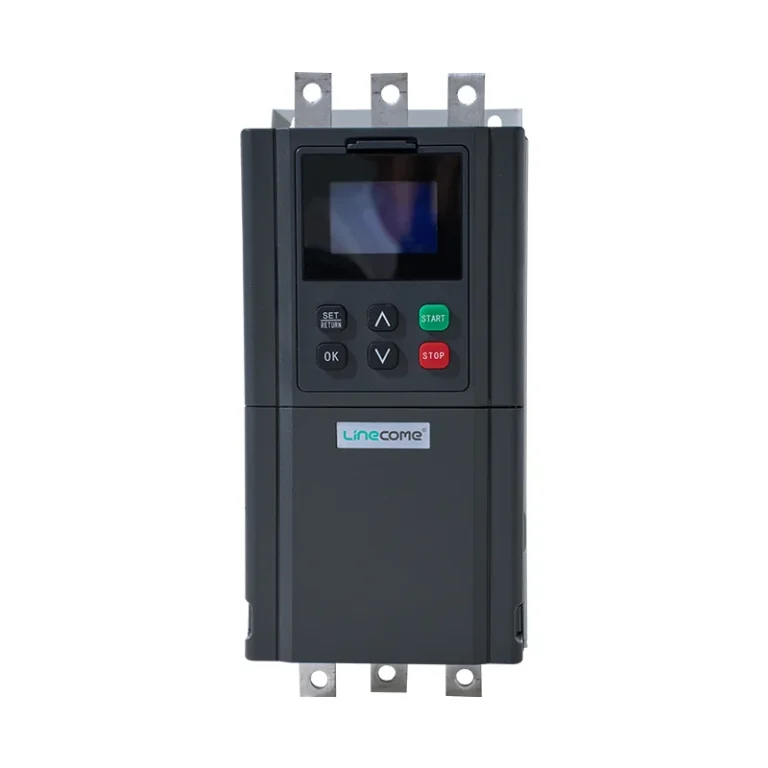

Ac drive heat exchanger electrical equipment searches often mash together three separate procurement threads—adjustable-speed drives (AC drives), enclosure heat exchangers, and general electrical equipment cooling—so the page below separates enclosure heat removal for VFD cabinets from unrelated product noise.
Maintenance and project buyers who type the full keyword usually need to know how heat exchangers, filter fans, and panel air conditioners keep AC drives and VFDs inside temperature limits—not a generic parts list with no thermal context.
Use the Variable Frequency Drive hub after you confirm drive selection; for install clearance themes, see VFD installation. This page stays on enclosure cooling and heat exchangers for drive panels without inventing heat-exchanger SKUs this catalog does not publish.
 .
What the ac drive heat exchanger keyword really asks in B2B specs
In practice, the phrase bundles AC drive (adjustable-speed inverter hardware), heat exchanger (closed-loop cabinet cooling), and electrical equipment (panel or MCC thermal design).
SERP snippets sometimes show unrelated industrial SKUs; for vfdelec readers the useful reframing is: “How do I cool the cabinet that holds my drives and branch gear without blasting unfiltered plant air across electronics?”
If your task is defining what a VFD is, start with what are VFDs; if your task is wiring, use the installation guide—the scope here is thermal equipment fit for drive panels.
Why AC drives and VFD cabinets need deliberate heat removal
The why cool section below ties drive switching losses to cabinet heat rejection—not to unrelated electrical equipment SKUs in noisy SERP results.
Power electronics dissipate heat whenever the drive switches—losses rise with load and with switching frequency settings.
Drive manuals specify ambient temperature bands, mounting clearances, and sometimes derating above stated air temperature. Enclosure designers must remove that heat or the drive throttles, faults, or ages insulation faster than nameplate promises.
Treat ac drive heat exchanger electrical equipment planning as a joint mechanical-electrical task: the drive supplier sizes the inverter; the panel builder sizes airflow or heat rejection for the whole bay.
Heat exchanger cooling versus filter fans and panel AC units
The methods section compares filter fans, heat exchangers, and panel air conditioners on seal level and ambient fit.
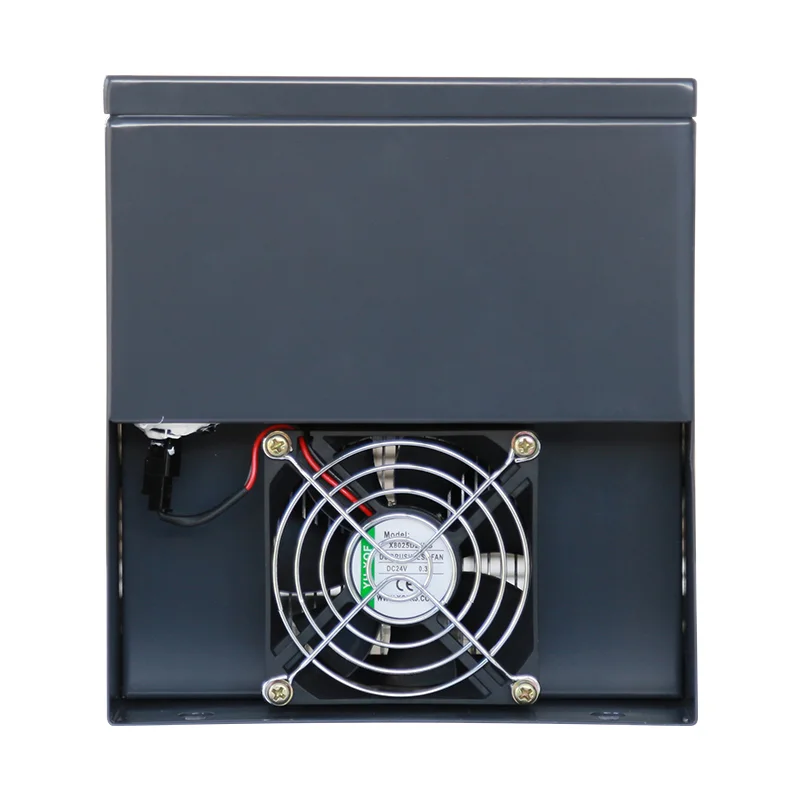
Filter fans push filtered ambient air through the cabinet—simple and common when plant air is cool and clean enough.
Heat exchangers transfer heat to a secondary air or water loop while keeping the electronics compartment more sealed—attractive when washdown, dust, or chemical exposure would ruin open fan schemes.
Panel air conditioners add active refrigeration when ambient exceeds what passive or exchanger schemes can reject. None of these devices replaces correct drive mounting clearances inside the panel.
| Cooling approach | Enclosure seal level | Typical plant condition | Planning note |
|---|---|---|---|
| Filter fan | Moderate | Clean, cool ambient | Watch filter maintenance |
| Air-to-air heat exchanger | Higher | Hot or dirty ambient vs interior setpoint | Size on heat load and ΔT |
| Air-to-water heat exchanger | Higher | Water utility available | Loop chemistry and flow |
| Panel AC | Highest seal | Very hot or sealed washdown rooms | Condensate and service access |
 .
How heat exchangers fit electrical enclosures and drive layouts
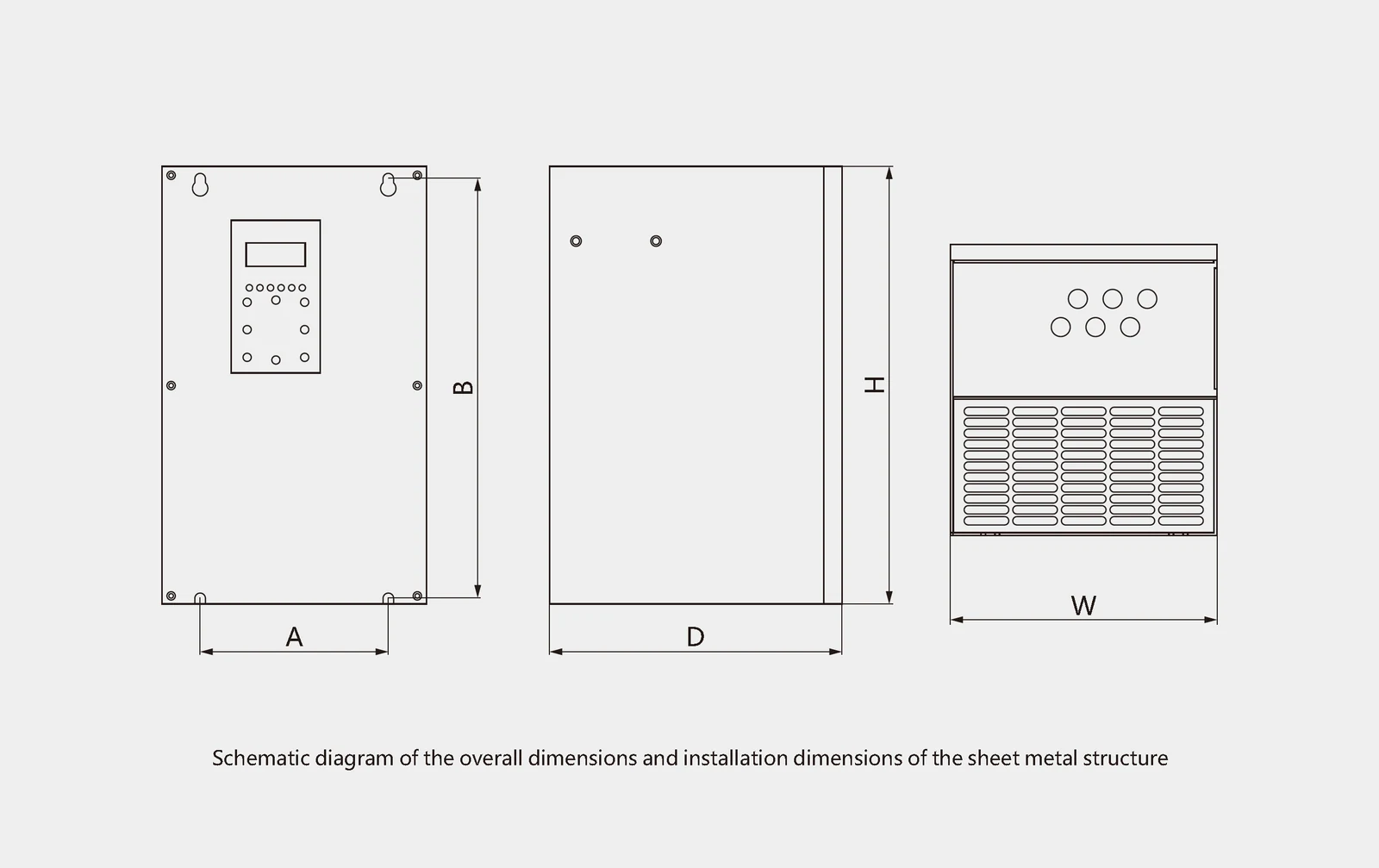
The layout section covers wall and roof mounting, internal airflow paths, and electrical enclosure clearances around drive heat sinks.
Heat exchangers mount on cabinet walls or roofs; internal airflow paths must still reach drive heat sinks and contactors without recirculating hot exhaust onto neighbors.
Leave service clearance in front of drives for fan trays and filters specified by the drive manufacturer. Clearance and environment tables on drive datasheets still govern minimum spacing even when a heat exchanger sits on the wall—do not assume the exchanger replaces those published inches around the chassis.
Route incoming line and motor cables so they do not block exchanger intake zones shown on enclosure shop drawings. Panel builders sometimes add a filter fan on the opposite wall for balance; enclosure cooling plans should show both intake and exhaust paths so hot air does not short-circuit across the VFD cabinet.
Community discussions around electrical enclosures repeat a practical rule: cooling hardware must match calculated watts rejected, not guesswork from cabinet footprint alone—confirm losses with drive datasheets and duty cycle before you freeze exchanger catalog rows from third-party vendors.
Sizing and ambient checklist without inventing vendor loss curves
List maximum ambient temperature, altitude derating if applicable, simultaneous drive load duty, and whether multiple drives run at full torque concurrently.
Add sun load for outdoor walk-in enclosures and any planned spare panel space that will later accept another drive row.
Document required interior setpoint and acceptable ΔT across the exchanger—heat exchanger vendors need those inputs; drive vendors need ambient at the inlet to the drive chassis.
Sum heat load from every drive that can run concurrently, then add contactor and transformer losses if they share the same sealed volume. Ambient derating at altitude or in afternoon sun load can push a marginally sized panel air conditioner into continuous run—note those conditions on the cover sheet so maintenance knows filters and condensate drains are part of the lifecycle, not one-time install tasks.
When ERP templates bundle ac drive heat exchanger electrical equipment on one line, split the RFQ internally: adjustable-speed hardware quotes separately from thermal SKUs so responsibility for watts rejected stays visible in submittals.
The From the field callout below flags a recurring RFQ gap before you freeze exchanger catalog rows.
From the field: Buyers who only specify “add heat exchanger” without watts or ambient often receive undersized panels that fault on the hottest afternoon—attach duty assumptions to the RFQ.
 .
Drive selection context when enclosure cooling is tight
When ambient is harsh, pairing cooling hardware with a drive series rated for tougher environments reduces simultaneous thermal margin fights.
High-protection drive classes emphasize enclosure ratings and duty positioning on public pages— they do not remove the need for cabinet heat rejection, but they align drive choice with outdoor-adjacent or washdown-adjacent projects where ac drive heat exchanger electrical equipment conversations start early.
If cooling budget is fixed, derating drive load, spreading drives across additional panels, or slowing switching frequency within manufacturer guidance may be engineering levers—those are project studies, not catalog promises here.
Mild indoor rooms with clean air may pair a simple filter fan with LNC610 general-purpose drives when published clearance and environment limits stay inside nameplate bands. Step up to LNC820D when washdown-adjacent duty or outdoor-adjacent fan and pump tags appear on the same BOM as sealed enclosure cooling—drive series choice and heat rejection still both belong on the checklist.
Matching LNC820D high-protection drives — product fit for harsh thermal duty
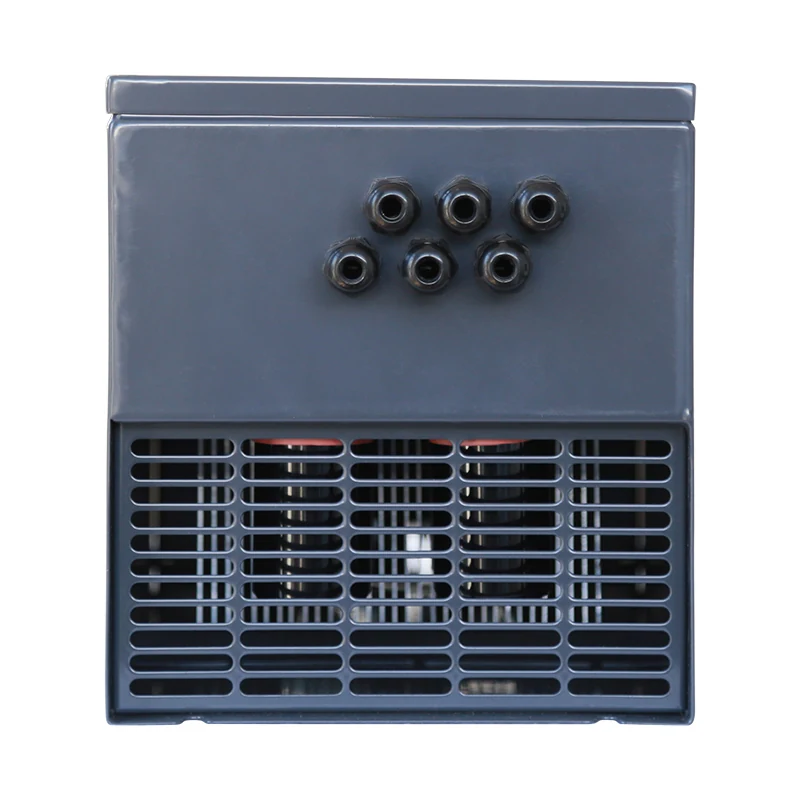
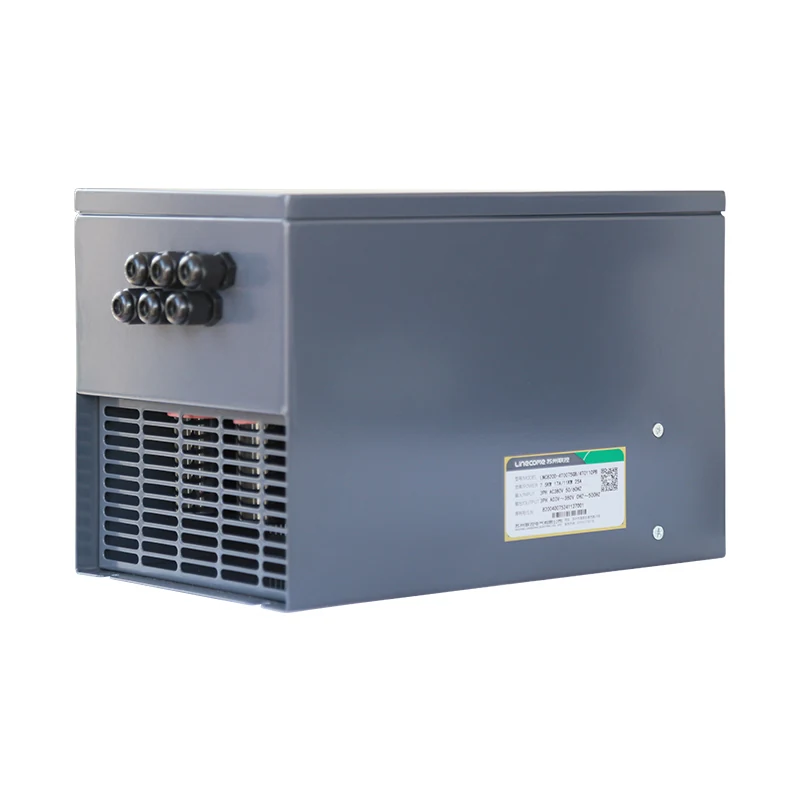
This site’s public catalog emphasizes LNC820D high-protection VFD series pages for fan and pump duty where overview copy highlights high-protection positioning—use them as drive anchors once motor data is known, not as substitutes for heat-exchanger sizing from enclosure vendors.
The LNC820D 7.5–11 kW high-protection VFD series page documents the series for buyers comparing outdoor-adjacent or heavy-duty fan and pump tags alongside panel cooling specs.
| Project signal | LNC820D (published themes) | Enclosure cooling still required | Your project verifies |
|---|---|---|---|
| Outdoor-adjacent fan or pump VFD | High-protection series positioning | Yes—exchanger or AC as needed | Ambient, sun load, duty |
| Washdown-adjacent electrical room | Match published enclosure class to site | Yes—sealed cooling often | Hose direction, chemical exposure |
| Multiple drives in one bay | One row per motor default | Size heat rejection on sum of losses | Concurrent load chart |
 .
 .
Continue drive specification on the LNC820D row that matches nameplate kW and voltage, and send enclosure builders calculated heat load plus ambient when you procure heat exchanger electrical equipment separately.
Frequently Asked Questions
These answers summarize buyer framing—they do not replace enclosure vendor calculations or drive manuals.
Does vfdelec sell cabinet heat exchangers in this article’s scope?
The page explains fit and sizing mindset; heat exchanger SKUs come from enclosure or thermal vendors unless a future catalog page documents them—do not infer unpublished products here.
Is a heat exchanger the same as a filter fan?
No. Filter fans move filtered ambient air; heat exchangers transfer heat across a barrier, often allowing a more sealed cabinet.
Why do AC drive searches mention heat exchangers?
Drives dissipate heat; buyers bundle cooling hardware with adjustable-speed equipment on the same BOM line in some ERP templates.
Can I skip enclosure cooling if I buy a high-protection VFD?
No. High-protection drives address drive chassis ratings; the panel still needs heat rejection unless ambient and load always stay inside combined limits.
How does this relate to VFD installation?
Installation covers wiring and clearances; this page covers rejecting heat from the enclosure that holds those wired drives.
Should motor cable length affect cooling plans?
Long cable runs affect electrical design more than cabinet watts, but larger panels for filters and ducting can change airflow—coordinate mechanical and electrical submittals.
References
External references support enclosure cooling and heat-transfer claims on this page.