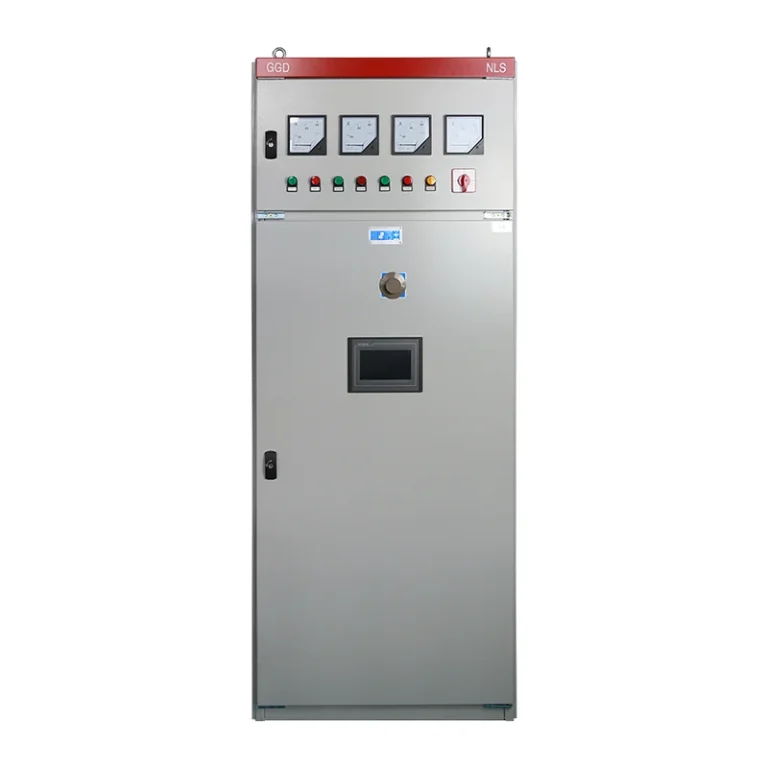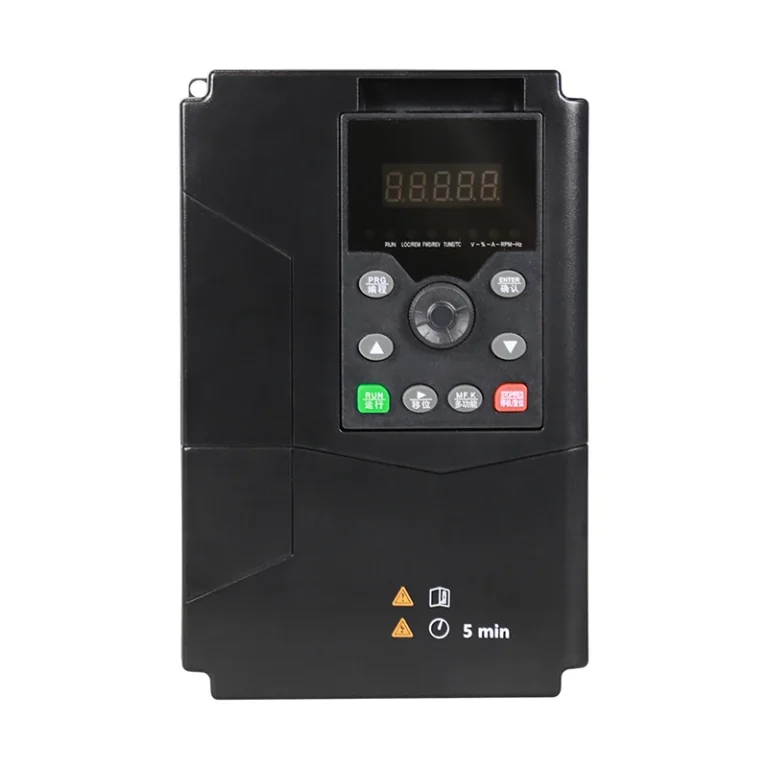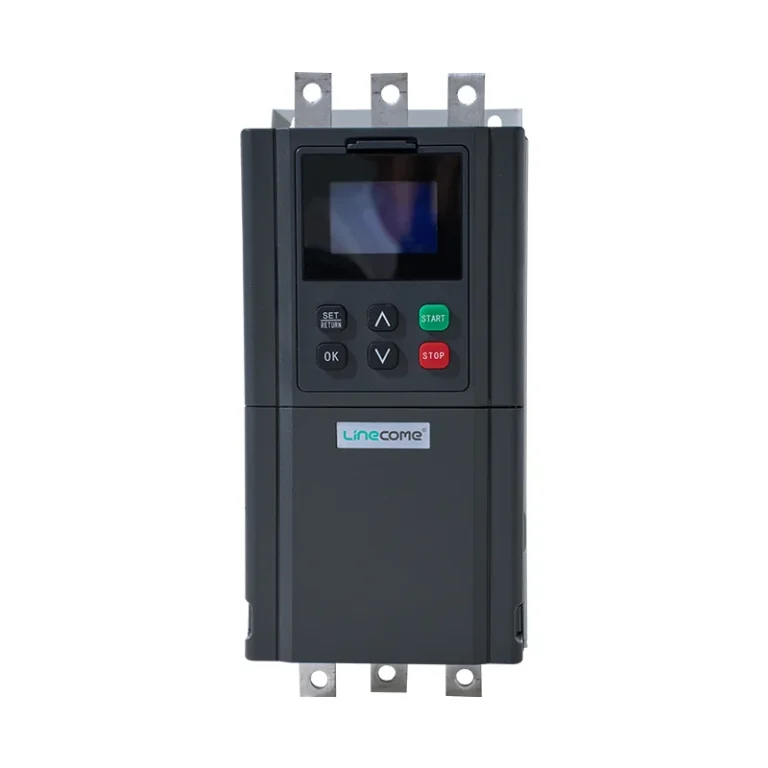

Artificial lift esp variable speed drive o&g procurement spans downhole electric submersible pump (ESP) systems with dedicated variable-speed drives and separate surface motors that still need adjustable-frequency controllers—buyers must not treat every VFD catalog row as a downhole ESP VSD substitute.
Production engineers and lift planners comparing ESP speed control need a split view: ESP-specific downhole variable-speed hardware versus general-purpose AC drives for surface pumps, compressors, and auxiliary motors tied to the same pad.
Use the Variable Frequency Drive hub for catalog navigation; for broad VFD onboarding see what are VFDs. vfdelec publishes LNC610 and LNC820 general-purpose VFDs, not dedicated downhole ESP variable-speed drives—surface and general motor duty only where nameplates match published ranges.
 .
What artificial lift ESP variable speed drive means in oil and gas
Artificial lift with ESP strings uses a downhole centrifugal pump driven by a submersible motor; variable speed adjusts produced flow by changing motor frequency rather than choking wellhead valves alone.
Industry summaries describe ESP variable-speed drives (VSDs) as power-electronics packages sized for submersible cable, motor insulation, and lift curves—distinct from a panel-mount general-purpose VFD feeding a surface blower.
When the keyword bundles artificial lift, ESP, variable speed drive, and O&G, the reader is usually shortlisting speed-control architecture before a lift redesign or pad electrification project—not learning HVAC fan definitions covered in HVAC VFD definition.
Downhole ESP VSD versus surface adjustable-speed drives
Downhole ESP VSDs (often vendor-integrated with lift systems) manage long cable feeds, motor thermal models, and lift-specific protection that standard industrial drives do not claim on public pages.
Surface adjustable-speed drives—general-purpose variable frequency drive (VFD) hardware on pump jacks, transfer pumps, or gas-handling skids—follow IEC-style drive manuals: input harmonics, output filters, ambient, and motor nameplate compatibility. The downhole vs surface VFD split is the core procurement guard on ESP pads.
| Control location | Typical motor | Speed control product class | Buyer verification focus |
|---|---|---|---|
| Downhole ESP | Submersible pump motor | ESP-rated VSD / lift-system drive | Cable length, motor insulation class, lift vendor integration |
| Surface production pump | Standard induction motor | General-purpose VFD | Nameplate voltage, kW, enclosure, harmonics mitigation |
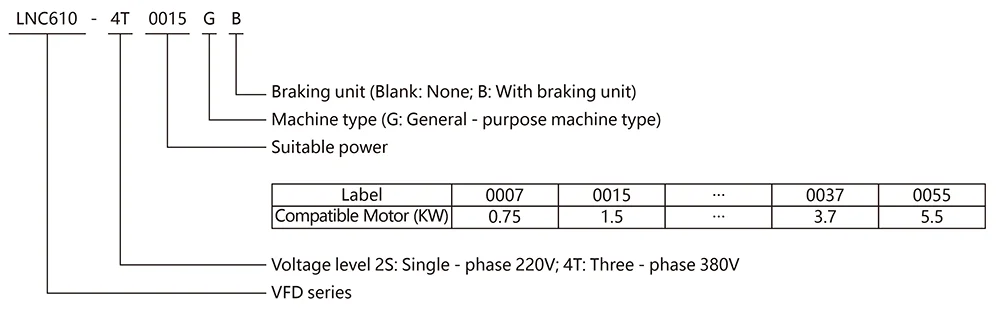
| Pad auxiliary | Fans, small pumps | General-purpose VFD or soft starter | Duty cycle, braking, ambient |
 .
When variable speed helps ESP artificial lift performance
Variable speed on ESP lift lets operators track pump curve to inflow, reduce throttling losses at the tree, and limit mechanical cycling when reservoir pressure declines—when downhole hardware and automation support safe turndown.
Adjustable-speed operation is not a free efficiency gain at every setpoint: very low speed can move pumps off best-efficiency regions and increase heat in the motor section if vendor limits are ignored.
Surface VFDs help when the project goal is matching auxiliary fan/pump load speed to changing line pressures or tank levels on the same lease—not when the RFQ explicitly calls for downhole ESP speed control inside the wellbore. Use conservative acceleration ramp profiles when restarting ESP strings after trips so mechanical stress stays within vendor limits.
Surface tank-transfer pumps sometimes run closed-loop PID loop control on catalog drives for level holding—that control mode applies to the surface branch only, not to downhole ESP speed loops owned by lift vendors.
Pair lift-curve reviews with vendor ESP software where available; encyclopedic summaries only establish that ESP systems lift fluids when natural pressure is insufficient—they do not replace lift-company sizing for your well.
Gas-handling stages, sand production, and gas-lock risk still cap how aggressively operations can slow ESP speed even when a VSD is installed—those limits live in lift-engineering studies, not in general VFD brochures.
Specification checklist for ESP and surface motor drives
Start RFQs with motor nameplate voltage, frequency, kW or hp, insulation class, and whether the load is downhole ESP or surface-mounted.
Add cable length and routing for downhole feeds; add ambient temperature, altitude, and enclosure rating for surface panels.
Document required speed range, ramp times, and whether regeneration or braking energy must be handled during deceleration.
List communication expectations (Modbus, RS485, hardwired I/O) for SCADA tie-in on the pad.
Confirm who owns harmonic mitigation—line reactors, filters, or multi-pulse front ends—because adjustable-speed drives draw non-sinusoidal input current compared with fixed-speed starters.
Attach one-line lift strategy (decline curve assumption, choke policy, minimum operating frequency) so suppliers do not quote surface drives for downhole strings by mistake.
Include who maintains spares on site—ESP VSD modules and surface VFDs rarely share the same vendor part numbering even when both say “variable speed.”
Important: Do not map a general-purpose catalog VFD part number to downhole ESP duty unless the lift vendor explicitly approves that architecture—submersible cable and motor insulation limits are summarized in Electric submersible pump overviews, not in general VFD manuals.
Power quality, harmonics, and long cable boundaries
Adjustable-speed drives reshape input current and can reflect voltage distortion back to plant buses if transformers and feeders are already heavily loaded.
Long motor cables—especially on ESP installations—increase charging current and may require output filters or vendor-specific topologies not found on standard industrial VFD spec sheets.
Grounding and bonding practices for oilfield power distribution still apply at the pad; drive manuals specify PE terminations and shield handling for motor leads even when the process is upstream production.
Field maintenance notes on ESP lifts often tie nuisance trips to protection settings and cable terminations during storms—baseline commissioning records help separate environmental events from mis-set drive limits.
Where general-purpose catalog VFDs can and cannot substitute
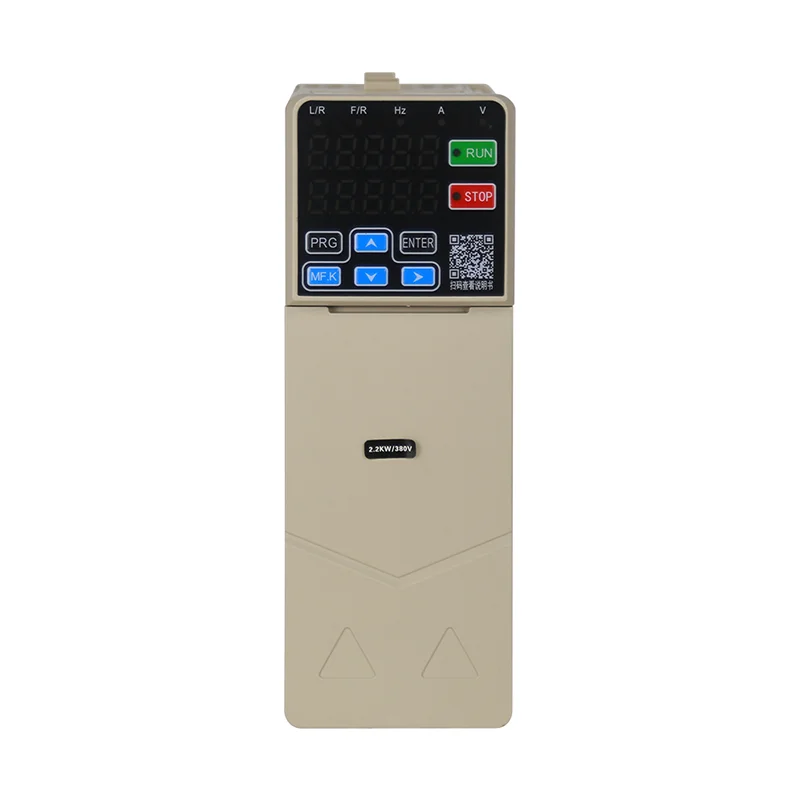
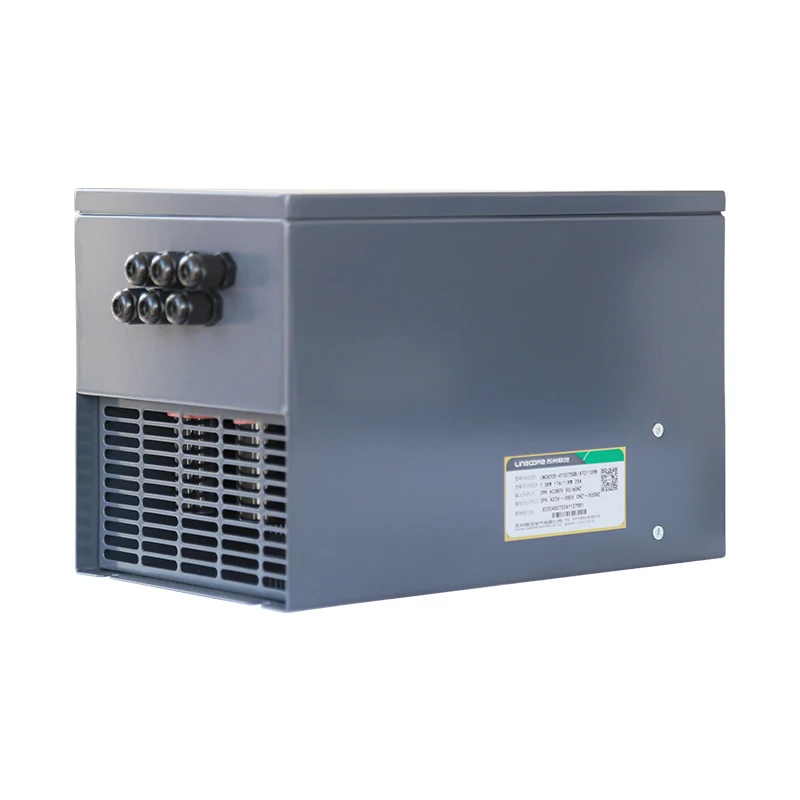
vfdelec does not sell dedicated downhole ESP variable-speed drives; catalog LNC610 and LNC820 series are general-purpose AC motor controllers for surface installations whose nameplates fit published voltage and kW rows.
Substitute catalog drives only for surface motors and auxiliary loads after nameplate review—never as implied drop-in replacements for ESP downhole VSD packages named on lift vendor bills of material.
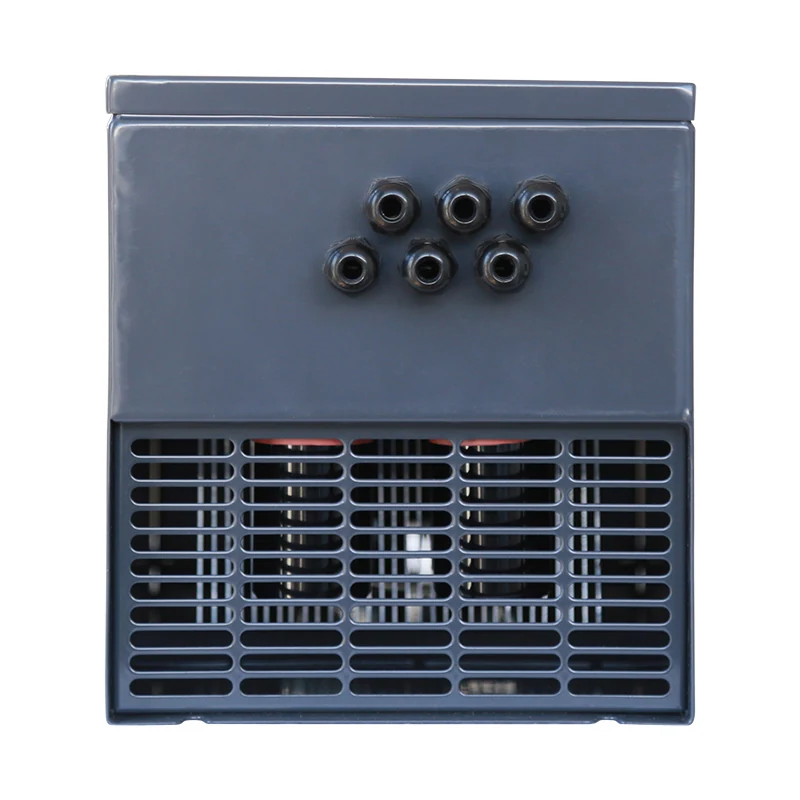
For harsh outdoor pads, high-protection series pages describe enclosure positioning; they still require ambient within published tables and do not certify downhole use.
Cross-check any requisition line that copies language from VFD applications lists—those rows describe broad machinery duty, not ESP downhole integration.
 .
Matching LNC610 and LNC820 drives — product fit for surface duty
Surface catalog rows apply to pad motors only after nameplate and duty review.
| Series | Published catalog entry |
|---|---|
| LNC610 | LNC610 general-purpose VFD series |
| LNC820 | LNC820 general-purpose VFD series |
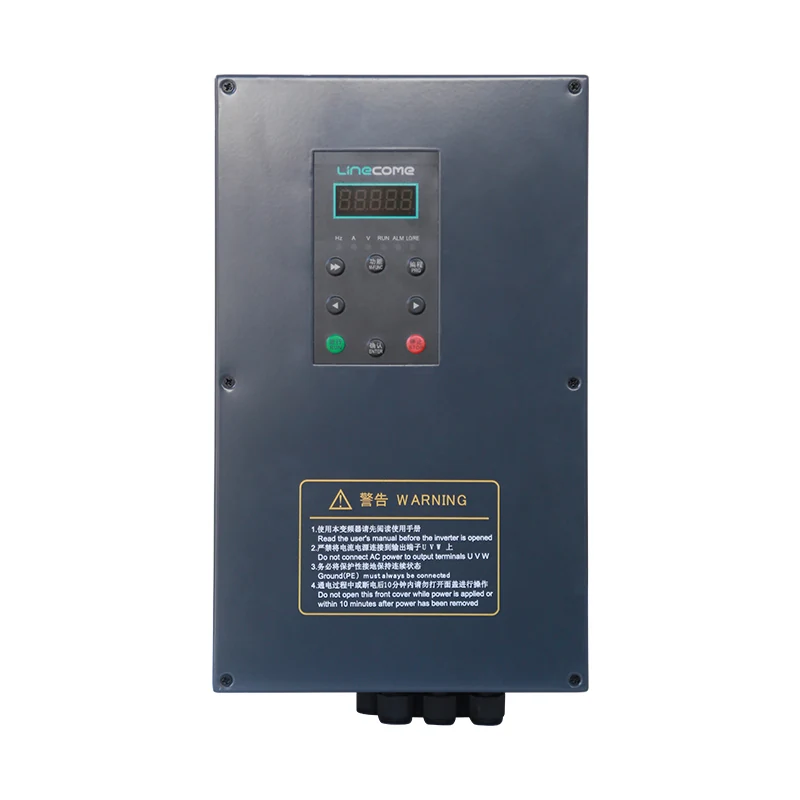
Public LNC610 pages list output frequency 0–500 Hz, V/F and sensorless vector modes, built-in PID, Modbus, and note the 610 series is not equipped with a braking unit by default—relevant when surface pump loads need controlled deceleration without a separate brake chopper plan.
Public LNC820 series pages document 0–500 Hz output, V/F and SVC, RS485, and built-in braking unit on many 0.75–22 kW rows in overview copy—useful when pad auxiliaries need serial tie-in and occasional braking energy handling within published ratings.
| Catalog series | Communication highlight | Braking (per public overview) | Surface fit prompt |
|---|---|---|---|
| LNC610 | Modbus RTU | No default braking unit on 610 series | Match kW/voltage row; confirm decel needs |
| LNC820 | RS485 | Built-in braking unit on many low/mid kW rows | Match kW/voltage; confirm ambient enclosure |
 .
Request motor nameplate photos and duty cycle before selecting between LNC610 and LNC820; neither series replaces ESP downhole VSD engineering from lift OEMs.
Share SCADA tag lists when surface branches already use PID loop setpoints so integrators know which signals move from legacy PLC scaling to drive-native channels after the downhole vs surface VFD scope is frozen.
 .
FAQ
Is a general-purpose VFD the same as an ESP variable speed drive?
No. ESP variable-speed drives are engineered for submersible cable, motor, and lift-system integration; general-purpose VFDs target surface-mounted industrial motors within published nameplate ranges.
Can vfdelec LNC610 or LNC820 run a downhole ESP motor?
Only if your lift vendor explicitly approves that architecture against motor insulation, cable length, and protection—vfdelec catalog pages describe general-purpose surface drives, not downhole ESP VSD certification.
When does variable speed on artificial lift reduce throttling losses?
When pump speed tracks inflow instead of relying on wellhead chokes alone, subject to vendor minimum speed and gas-handling limits on the ESP stage design.
What should surface pump RFQs include for VFD matching?
Voltage, kW, speed range, ambient, enclosure, communication protocol, braking or regeneration needs, and harmonic mitigation responsibility.
Do ESP pads need harmonic study when adding surface VFDs?
Often yes when several drives share a weak transformer feed; input current distortion rises compared with fixed-speed starters—plan reactors or filters per utility and plant standards.
How is this different from HVAC VFD definition articles?
HVAC pages focus on fan and pump torque curves in buildings; this page separates downhole ESP VSDs from surface oilfield motor drives and catalog LNC610/LNC820 fit.
Should long ESP cables use standard VFD output filters?
Downhole cable lengths often require lift-vendor-specific filters or drive topologies; do not assume a surface VFD manual covers ESP cable charging without OEM review.
References
Independent and community sources support ESP lift context and adjustable-speed boundaries—not vfdelec product pages.