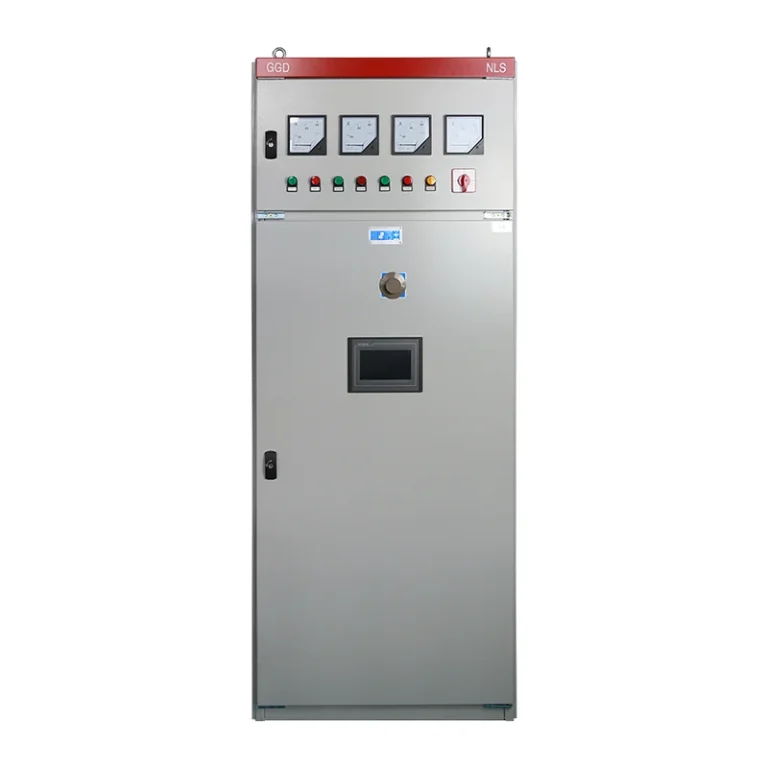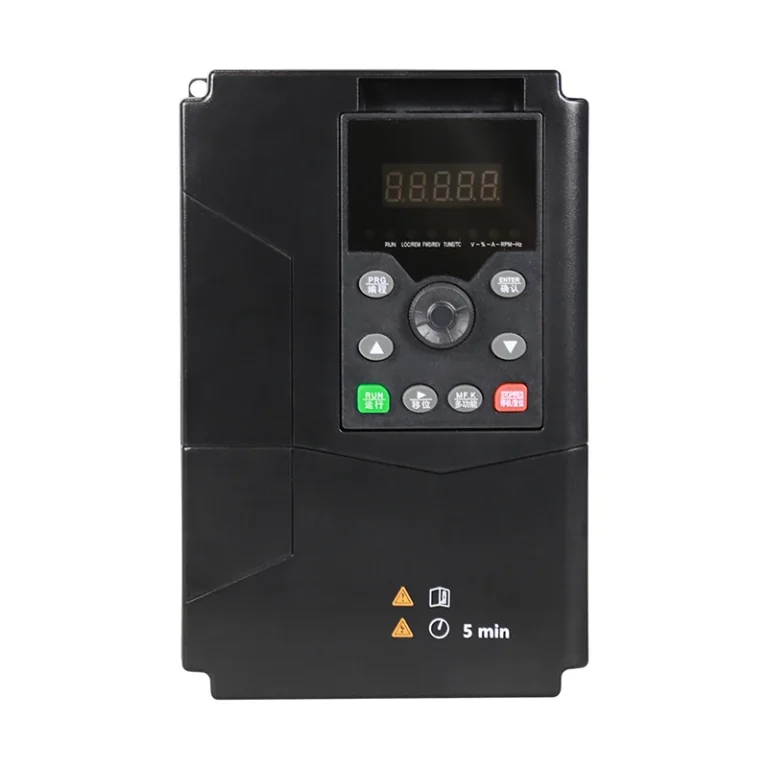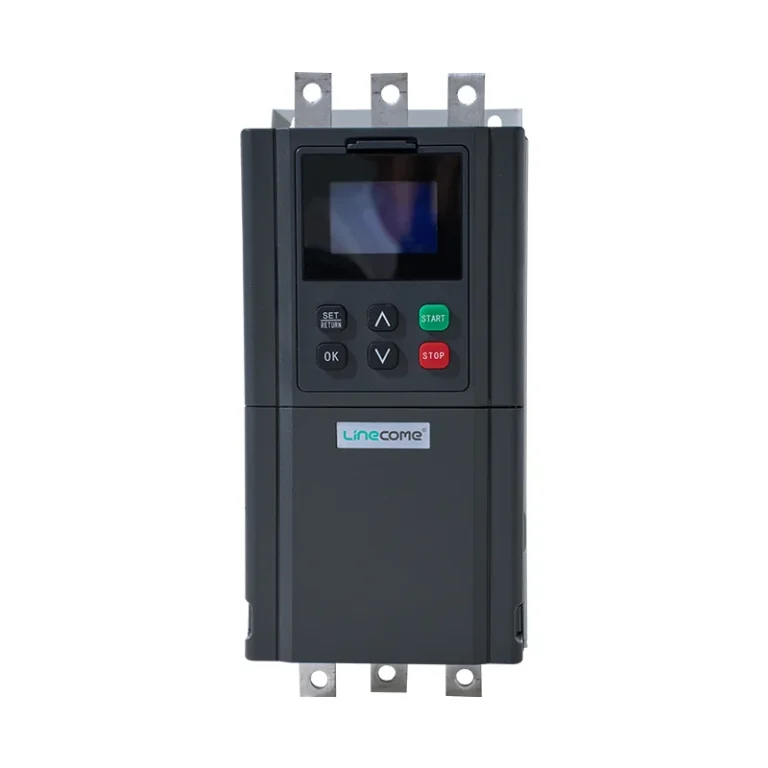

When should you replace a variable speed drive is the maintenance and procurement question you ask after a VSD/VFD misbehaves again—not while you are still proving the motor branch is isolated and the fault log is empty. A variable speed drive (VSD), usually labeled a variable frequency drive (VFD) on drawings, sits between plant AC supply and the motor terminals; replacement means quoting a new drive matched to that motor’s nameplate and your supply class, not assuming any catalog row automatically fixes a failed legacy unit.
Browse the Variable Frequency Drive hub for drive families after you decide repair is no longer the prudent path. For rectifier and inverter detail, see how a VFD works while keeping replace-versus-repair economics separate from installation commissioning steps.
Enclosure context for replacement sizing: 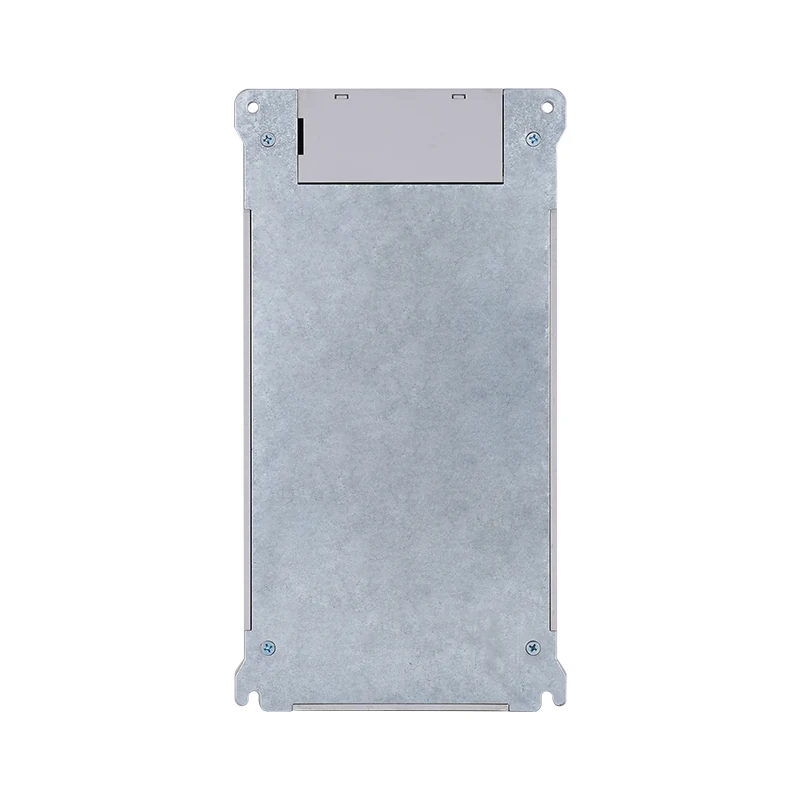 .
What variable speed drive replacement means before you call the repair shop
Replacement means procuring a new drive sized to the motor nameplate and the supply at the disconnect, then recommissioning parameters on a supported platform. It is not a promise that swapping the same kW sticker from a different decade will drop in without parameter migration, communication mapping, or enclosure fit checks.
Repair still belongs in the conversation when a single identifiable module failed, spares are available, and the power stage shows no sign of arc or moisture damage. Scope stops at board-level teardown, bypass of safety interlocks, and energized probing of power devices—those jobs belong in manufacturer service literature and qualified workshops.
Repeated fault codes and trips that stop making financial sense
Repeated fault codes and trips that stop making financial sense usually share a pattern: the drive returns to service briefly, then throws the same overcurrent, DC bus, or ground-related alarm after load or temperature changes. A disciplined fault code history export helps you prove the pattern to finance and reliability teams. Community threads on when to replace a VFD echo plant language about paying for another board that failed the same way in six weeks.
Use the matrix as a triage aid; your manual’s fault dictionary still wins on exact code meaning.
| Signal you see | Likely meaning for replace vs repair | Practical next step |
|---|---|---|
| Same fault after two paid component repairs | Intermittent power stage or damaged DC bus | Quote replacement; archive fault log |
| Random trips under heat or humidity | Contamination or weakened capacitors | Inspect; replace if damage is widespread |
| Trips only on heavy acceleration | Capacity or tuning mismatch | Verify motor data; may need larger drive |
| No faults but output current imbalance | Motor or cable issue | Megger motor; do not assume drive is healthy |
Variable frequency drive replacement planning should start when cumulative repair spend approaches a significant fraction of a new, supported drive quote—especially if downtime cost during the next failure is high.
Obsolete firmware, spare boards, and unsupported drive families
Obsolete spares—firmware, power boards, and gate driver assemblies—push toward replace because the repair path depends on parts that no longer ship from the OEM or authorized channels. If the manufacturer declares end of support, your storeroom quantity of used boards is a gamble, not a strategy.
Firmware locks matter when the replacement control board requires a version you cannot load without obsolete tools. Migration planning—copying parameters, rebuilding network addresses, and validating I/O—belongs in the replace project even when the kW rating looks identical on paper.
Capacity mismatch when the motor or load outgrew the drive
Capacity mismatch when the motor or load outgrew the drive shows up after mechanical retrofits: a larger impeller, higher belt tension, or motor swap without revisiting drive current rating. Department of Energy summaries on adjustable-speed drives remind readers that matching motor speed to load is the operational reason the drive exists—when load growth outpaces drive thermal limits, nuisance trips return no matter how many times you reset parameters.
Compare motor full-load amps to the drive’s rated output current at the intended duty cycle, including overload requirements for crushers or positive-displacement pumps. A drive that ran lightly on an old motor may be undersized for the new combination even if both motors share the same nominal kW on the nameplate.
Wiring documentation for a replacement RFQ packet: 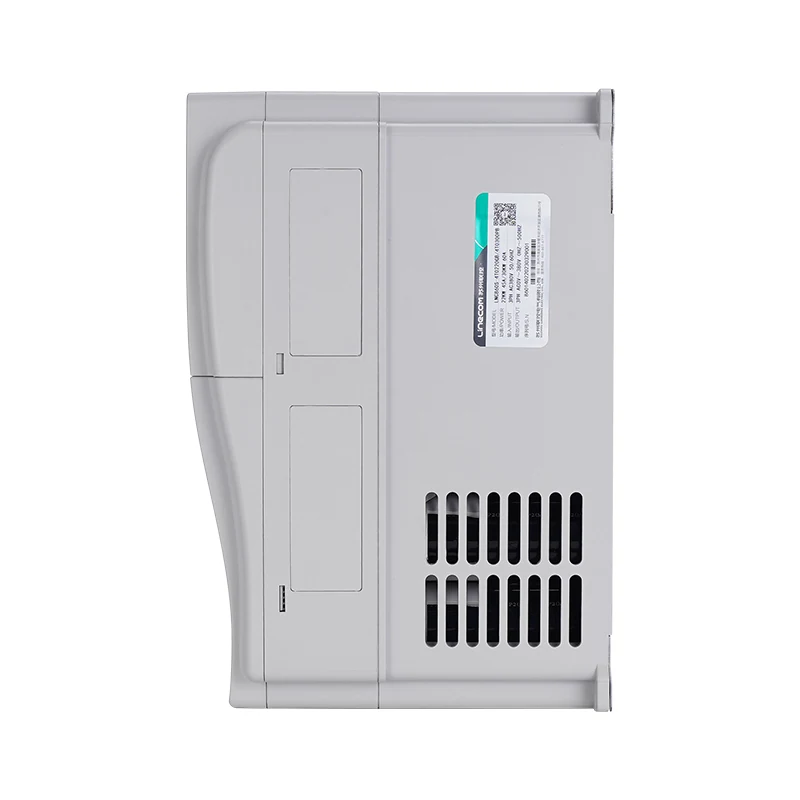 .
Safety-related damage that closes the repair option
Safety-related damage that closes the repair option includes arc tracking on bus bars, water intrusion across power terminals, crushed heat sinks, and enclosures with compromised ground bonds. Once carbon paths form inside a power stage, cleaning and component swaps rarely restore the insulation margin the original design assumed.
Important: Flood or fire damage to a drive cabinet is a replace-or-factory-remanufacture decision—field board swaps on compromised bus work can leave latent fault paths that trip unpredictably under load.
Document photos of damage for insurance and engineering review before anyone proposes another component-level repair on the same chassis.
Pre-quote checklist: nameplate, photos, and fault history for a replacement drive
Pre-quote checklist: nameplate, photos, and fault history for a replacement drive should be gathered while the line is safely locked out. Motor nameplate photos need voltage, full-load amps, frequency, insulation class, and connection style. Add supply voltage and phase at the upstream disconnect, cable run length estimates, and any existing harmonic filter or reactor part numbers.
Capture the old drive label: model, serial, firmware if visible, and a photo of parameter settings or a backup file if your team already exports them. List the last ten fault codes with timestamps and whether the event correlated with heat, rain, or production rate changes—suppliers use that history to recommend a supported replacement platform rather than repeating the same weak link.
Panel cutout checks before you lock a replacement SKU: 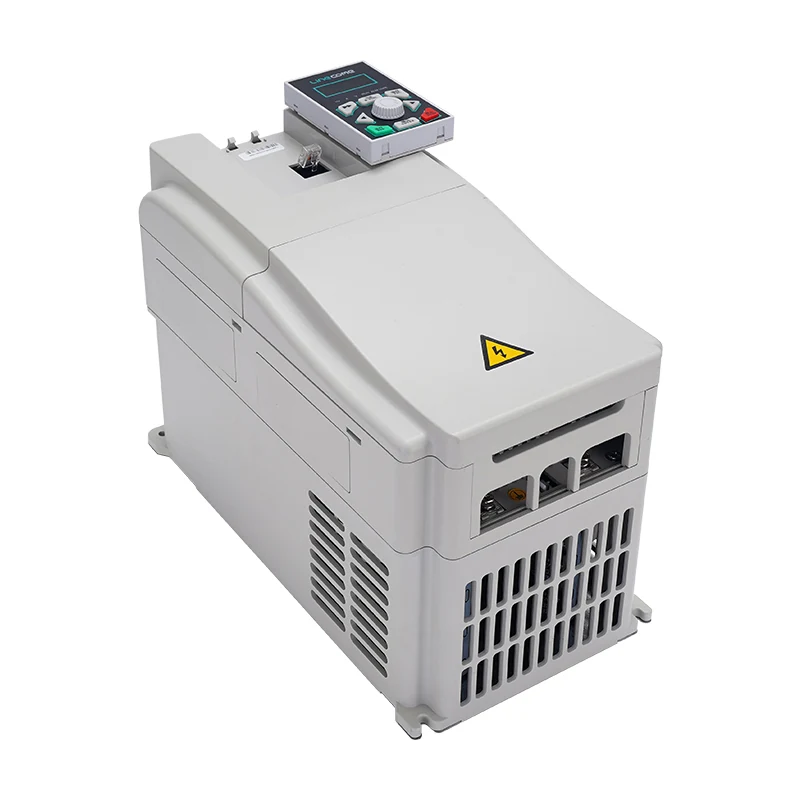 .
Nameplate-matched LNC610 and LNC820 product fit for replacement quotes
Nameplate-matched LNC610 and LNC820 product fit for replacement quotes starts after you accept the replace path. The public LNC610 general-purpose VFD series page lists three-phase supply at 380V with a published plus-or-minus fifteen percent band on a 50/60Hz input class and output frequency to 0-500Hz with V/F and open-loop vector (SVC) modes. Treat that table as data you align to your ordered kW row and motor nameplate, not proof that any LNC610 SKU replaces your failed drive automatically.
The LNC820 general-purpose VFD series documents a wide output frequency class on series pages with RS485 on overview copy, which helps when obsolescence forced a platform change and you must rebuild fieldbus ties.
| Verification item | What the public LNC610 table supports | What you must still confirm in RFQ |
|---|---|---|
| Supply class | 380V with published plus-or-minus fifteen percent band, 50/60Hz three-phase input on published row | Actual plant voltage and phase at disconnect |
| Output frequency | 0-500Hz programmed output range | Motor nameplate frequency and mechanical speed limits |
| Control modes | V/F and SVC listed | Application tuning and any encoder hardware |
| Communication | Modbus on LNC610 overview | Network address plan vs existing PLC map |
Share motor nameplate photos and fault history when you ask the supplier to map LNC610 or LNC820 catalog rows—vfd repair vs replace economics only pay off when the replacement row is technically credible.
Size drawing for the RFQ packet described in the checklist section: 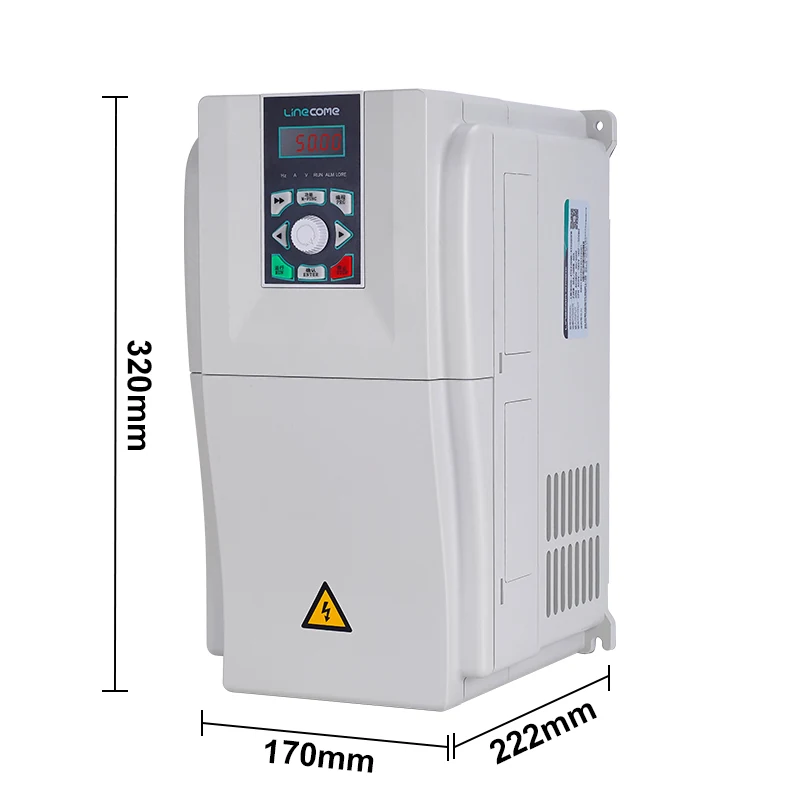 .
Frequently Asked Questions
These answers stay at the replace-versus-repair decision layer; commissioning steps remain in the manual for the drive you order.
When should a VFD be replaced instead of repaired?
Replace when the same fault class returns after multiple paid repairs, spares are obsolete, or safety damage makes further board swaps unsafe. Single isolated failures with available OEM parts can still justify repair if the power stage tests clean and documentation supports the work.
How do I know if my variable speed drive is failing?
Look for rising nuisance trips, output current imbalance, abnormal heat at the same load, and fault codes that correlate with production events. Confirm motor and cable integrity before you blame the drive alone.
Is it worth repairing an old VFD?
Repair can be worth it when parts are supported, damage is localized, and downtime for migration is unacceptable short term. When support ends or damage is widespread, replacement usually lowers total risk.
What causes repeated VFD fault codes?
Repeated codes often trace to power-stage weakness, DC bus capacitor aging, contamination, or a capacity mismatch after load changes. Log codes with operating conditions before the next repair spend.
Can I replace a VSD with a different brand?
You can when input voltage class, output current, motor data, control I/O, and enclosure fit meet the application after engineering review. Expect parameter rebuild and possible changes to network tools—not a drop-in guarantee.
How long do variable speed drives last?
Service life depends on heat, cleanliness, duty cycle, and capacitor maintenance—there is no single calendar answer for every plant. Plan replacement when support and spares disappear even if the unit still runs.
Does a larger motor require a new drive?
A larger motor usually requires a drive rated for higher output current and appropriate overload behavior. Skipping that review invites repeated overcurrent trips after replace.
What nameplate data do I need for a replacement drive?
Send motor voltage, full-load amps, frequency, insulation class, connection type, supply voltage at the disconnect, and photos of the existing drive label plus recent fault codes.
References
External references support drive function and motor interface claims above.