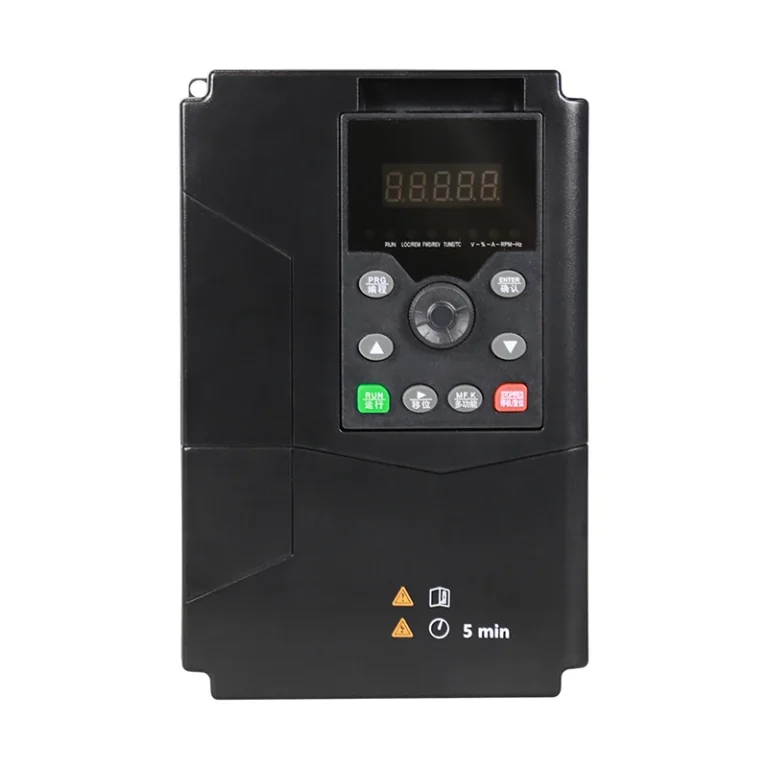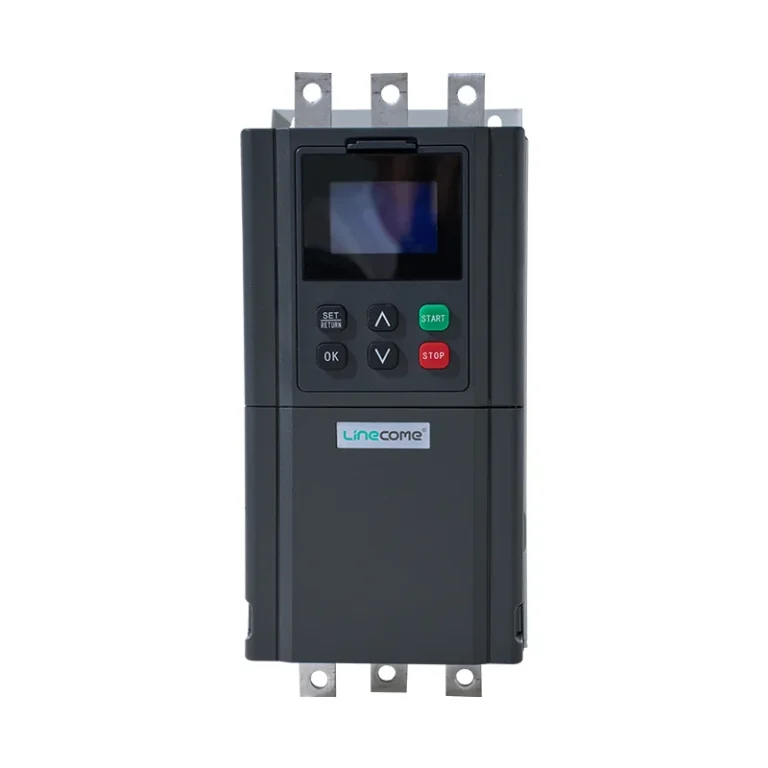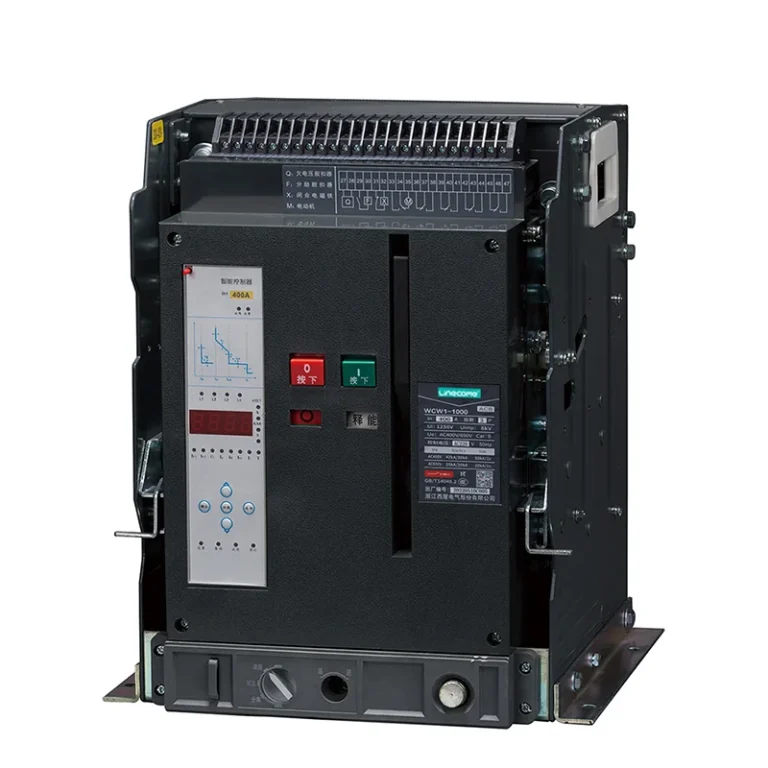

The permissible soft starter starts per hour depends on starting current, acceleration time, run time, cooling interval, ambient conditions and the selected starter’s documented thermal duty. The motor and driven equipment also impose limits. There is no universal starts-per-hour figure that can be applied to every online soft starter. For frequent-start applications, record the worst operating sequence and ask the supplier to confirm the exact model against it. Include hot restarts and clustered attempts, because an hourly average can conceal a demanding burst of starts.
Describe the operating cycle before selecting a frame
A motor power figure says little about how often a process starts. Begin with a timeline showing a normal start, acceleration, running period, stop and idle interval. Add the unusual but credible sequences: production interruptions, tank-level cycling, operator retries and recovery after a supply interruption. Identify which sequence represents the greatest thermal demand.
Ask the process owner to explain why starts occur. If a pump repeatedly starts because of a small demand band, the control strategy may need attention as well as the starter. A larger starter cannot correct every process-control problem, and reducing the start count may be more useful than trying to accommodate unnecessary cycling.
Collect current and time together
Starting current and starting duration must be considered together. A low current limit that fails to accelerate the load promptly may create a longer, less satisfactory start. A short start at a higher current is not automatically acceptable either. Selection requires the manufacturer’s current-time duty information and the motor’s permitted starting behaviour.
Request an actual current and speed or operating-state record where suitable measurements exist. Distinguish measured duration from a parameter labelled “ramp time”; the mechanical load may not follow the setting exactly. Record supply conditions and whether the motor was hot or cold. That context makes the data usable for a supplier’s assessment instead of presenting a single unexplained peak.
Use a duty assessment schedule
| Duty input | Question for the application team | Evidence for selection |
|---|---|---|
| Motor current | What does the motor nameplate state? | Nameplate and applicable motor documentation |
| Starting current | What current is required to accelerate the load? | Measurement or engineering estimate with assumptions |
| Acceleration time | How long does the actual start take? | Trend or agreed design envelope |
| Start distribution | Are starts evenly spaced or clustered? | Worst-case operating timeline |
| Running period | How long is the starter carrying current between starts? | Process sequence and operating mode |
| Cooling conditions | What are cabinet ambient and ventilation conditions? | Installation and thermal review |
| Hot restart | What happens after a recent stop or failed start? | Motor and starter thermal-duty confirmation |
This qualitative schedule is intended for an RFQ or engineering review. It is not a substitute for a manufacturer’s rating table. Values from another brand’s example should not be presented as permissible ZR800 duty, even when the two products have similar power labels.
Understand what a thermal-duty statement includes
Manufacturer duty statements typically tie a current level and starting duration to specified operating and environmental conditions. Read the complete statement, including notes and derating conditions. A quoted number of starts without its associated conditions is incomplete. Ask which document and revision supports the proposed model.
The JICA motor-starter training material places soft starting within the choice of motor-starting methods and highlights the need to consider the surrounding installation. For a demanding cyclic application, use that system-level perspective, then obtain the exact starter and motor duty limits. Do not infer a guaranteed start count from the general benefits of reduced-voltage starting.
Do not treat “online” as unlimited starting capability
A product described as an online soft starter still needs an application-specific duty assessment. Ask the supplier to confirm its power-circuit arrangement, operating modes and thermal data. The name of the family does not establish how much heat the assembled cabinet can remove or how quickly another start is permitted after a demanding event.
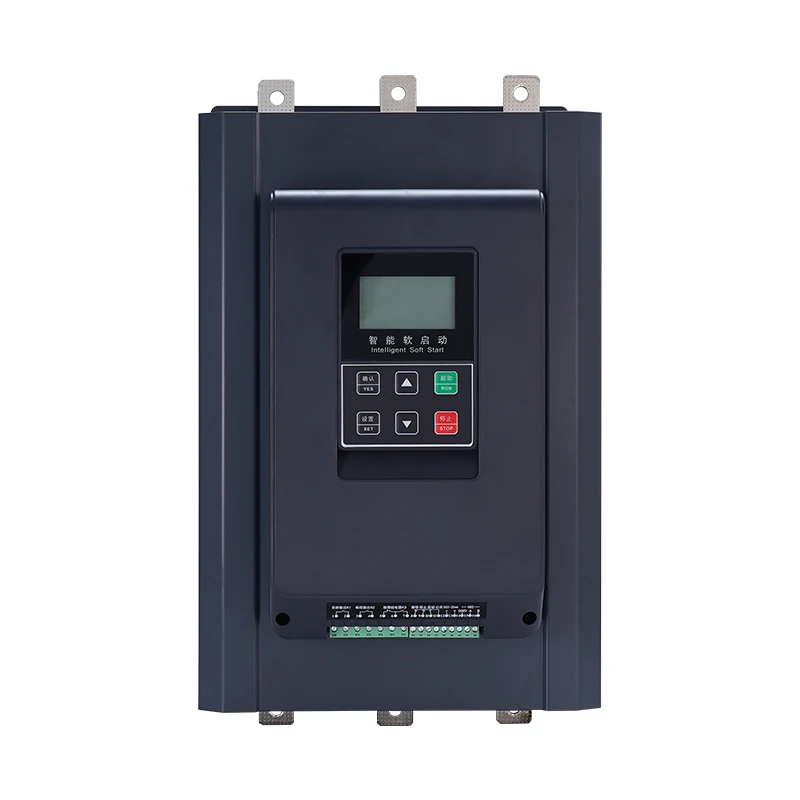
The ZR800 online soft starter is the relevant LINECOME product family for this enquiry. Its public description lists control and protection features, but it does not establish a universal starts-per-hour limit for every load. Submit the actual duty schedule and request a written assessment for the selected frame and installation conditions.
Check clustered starts rather than only the average
Consider an illustrative process that makes six starts in an hour. Six evenly distributed starts and six attempts concentrated near the beginning of the hour have the same hourly count, but different cooling opportunities. The example is a comparison of timelines, not a rating or a recommended operating schedule.
Write down the minimum interval between starts and the maximum expected sequence of retries. Include aborted starts and starts that end in a trip. Ask whether a thermal model or start-inhibit function is available in the supplied unit and how it should be configured. The operator should not repeatedly reset an inhibit without understanding the cause and the manufacturer’s recovery requirements.
Treat the motor limit as a separate boundary
Even if a starter can support the proposed sequence, the motor may have a different hot- or cold-start limitation. Ask the motor manufacturer to confirm the duty, including inertia, driven load and cooling conditions. A motor already carrying residual heat is not in the same state as a cold motor at the first start of the day.
Keep the starter and motor assessments together. If either is conditional, the system assessment remains conditional. Also consider coupling, gearbox, belt, pump or other driven-equipment restrictions. Frequent starting is a system duty, and acceptance should not stop at the soft starter’s display showing that it can issue another run command.
Investigate long starts before increasing limits
If acceleration takes longer than expected, examine the load, supply condition, motor connection and approved settings. A process obstruction or mechanical problem may be present. Increasing a current limit or extending an allowed start time without diagnosis can hide the underlying issue and invalidate the original thermal assessment.
Compare the actual start with the agreed envelope and retain the trend. Ask which change the supplier recommends and why it remains within the equipment limits. Record old and new settings. A successful start following an adjustment is useful evidence, but it does not by itself prove that repeated hot starts are acceptable over the complete production sequence.
Review cabinet cooling at the real installation
The ambient condition relevant to selection may be the air around the starter inside a cabinet rather than the outdoor weather reading. Ask the cabinet builder to review heat sources, ventilation provisions, filters and the stated installation environment. A workshop test with the door open may not represent normal operation at the site.
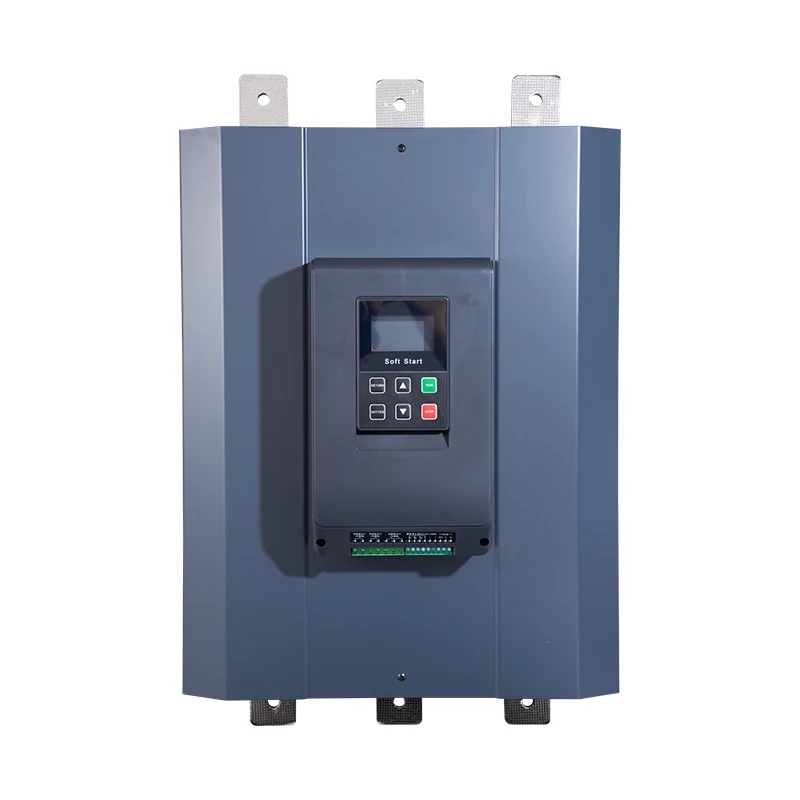
Check maintenance assumptions as well. If the design depends on clean filters or working fans, make those requirements visible in the handover. Avoid assigning an arbitrary universal cooling interval. The exact unit’s documentation and the assessed operating conditions determine what is permissible. Product photographs show construction and frame differences, not proof of thermal performance for the proposed application.
Commission the agreed sequence without abusing equipment
Agree the test duty before conducting repeated starts. Use qualified personnel and suitable instruments, observe the relevant motor and starter restrictions, and define stop criteria. Do not deliberately force a trip or extend a stalled start merely to demonstrate that a protection eventually operates. Use approved test functions or simulations for protective logic where available.
During a controlled operating test, record current, start duration, operating state and relevant temperature information available from appropriate instruments or documented device monitoring. Distinguish measured values from calculated thermal percentages. If the test cannot reproduce the most demanding site condition safely, identify the limitation and require the remaining assessment rather than declaring the full duty demonstrated.
Make restart inhibition understandable to operators
A useful operating procedure explains what a start inhibit means, who may investigate it, and which conditions must be satisfied before recovery. Separate thermal restriction from a missing process permissive or an electrical fault. Repeated manual resets should not become the normal way to meet production demand.
For servicing, follow a hazardous-energy control procedure. NIOSH guidance addresses unexpected start-up and stored energy. A thermal inhibit is not an isolation device: it may clear automatically or after a reset. Personnel must not rely on an inhibited start command as protection while working on the motor or driven equipment.
Put the answer into the purchase and handover records
The final selection record should identify the exact starter frame, motor, load, assumed starting current, duration, sequence, ambient conditions and required intervals. Include the supplier’s supporting document and any exclusions. State which settings are controlled and who must approve a later change in production duty.
For pump applications, the DOE pumping-system sourcebook supports looking at the pump and its operating system together. Its guidance is context for reviewing demand and operation, not a start-duty rating for ZR800. Use the site’s soft-starter principle, installation and repair articles as supporting material when preparing a model-specific enquiry and maintenance handover.
Educational video: what soft starting changes
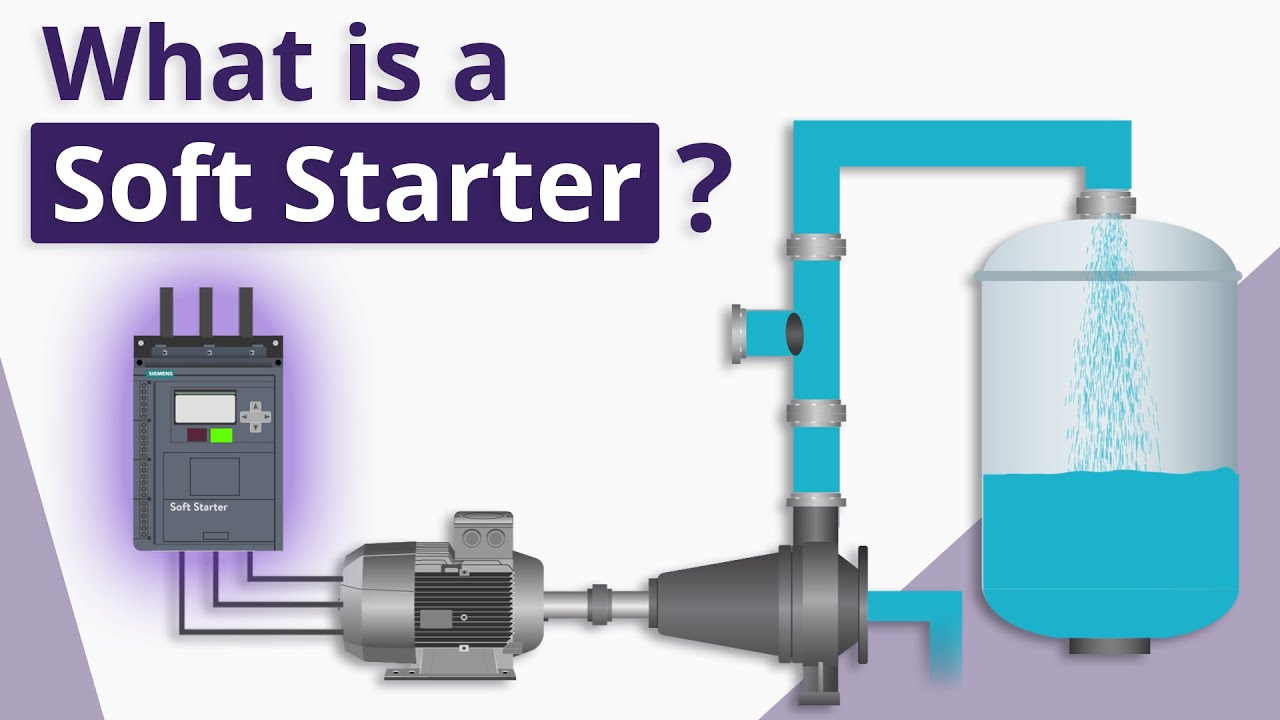
Video: RealPars. Watch What is a Soft Starter? (For Absolute Beginners) on YouTube.
RealPars explains how a soft starter changes the starting process. This educational introduction helps distinguish starting control from continuous speed control. It does not establish a permissible starts-per-hour number or replace the motor and starter manufacturers’ duty information.
Related LINECOME guides
- How a Soft Starter Works — Ramp, Bypass, and Start/Stop Sequence
- How to Install a Soft Starter — Cabinet, Environment, and Install Acceptance
- Soft Starter Repair — Troubleshooting and Field Test Guide
Frequently asked questions
Is ten starts per hour a universal soft-starter limit?
No. Any published figure applies to stated equipment and duty conditions. Ask for the exact model’s current, time, operating-cycle and environmental assumptions before using a number.
Does a larger starter guarantee more starts?
Not by itself. The motor, load, cooling and complete duty sequence still need review. The supplier should confirm the selected frame against the actual application.
Should a thermal inhibit be reset repeatedly to keep production running?
No. Investigate the cause and follow the equipment’s recovery instructions. Repeated resets can conceal an unsuitable duty or a fault, and an inhibit does not provide maintenance isolation.