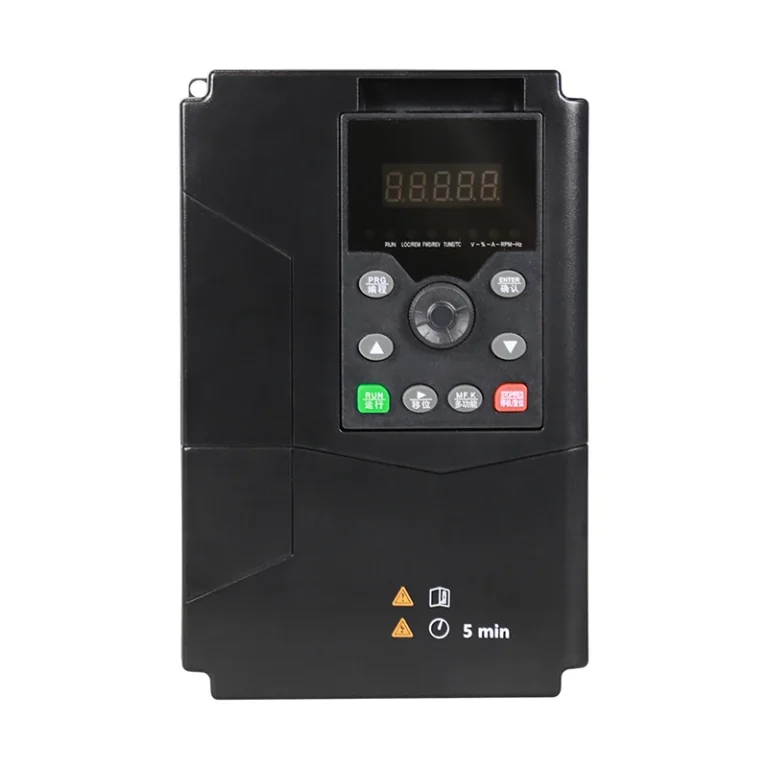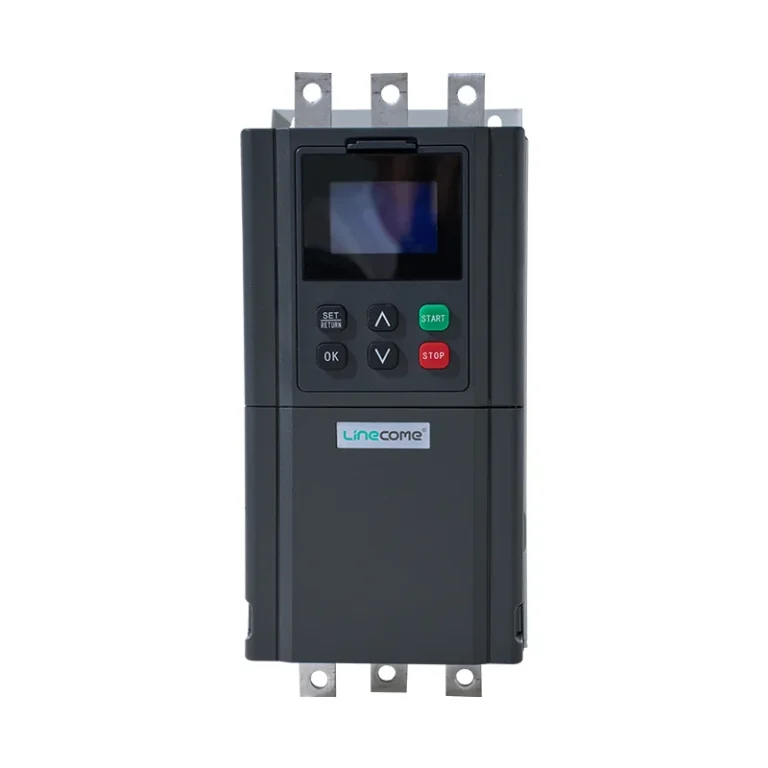

Control cabinet condensation occurs when a cabinet surface becomes cold enough for moisture in the surrounding air to form liquid water. Preventing it requires identifying where the moisture enters, when surfaces become cold, and whether protection remains available during shutdown. Adding a heater without those checks can leave the actual problem unresolved. Start with a moisture history, inspect the enclosure safely, and compare air dew point with the coldest relevant surfaces before selecting a control method. A dry cabinet during a warm afternoon does not establish that it remains dry overnight or after a weekend shutdown.
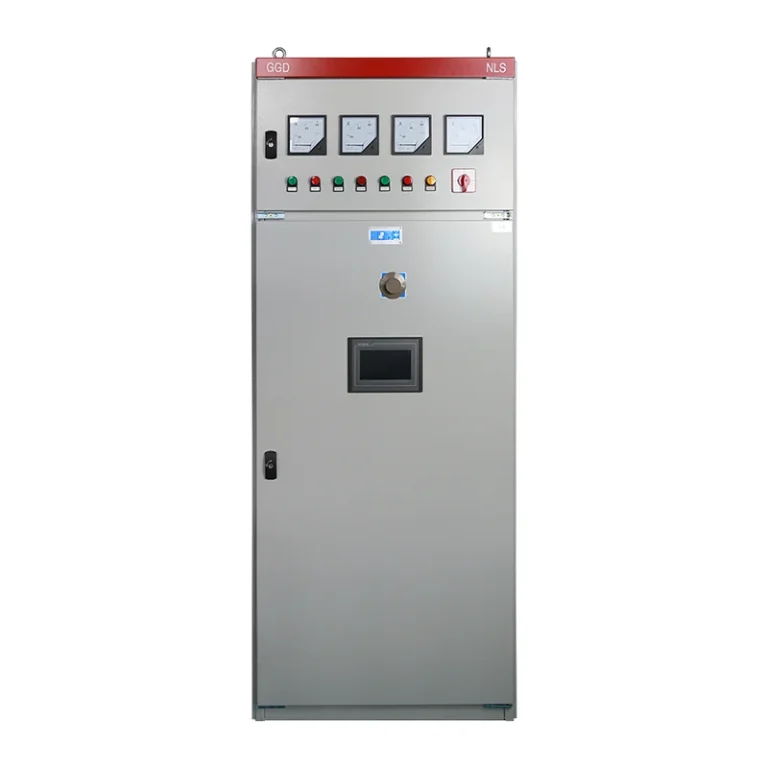
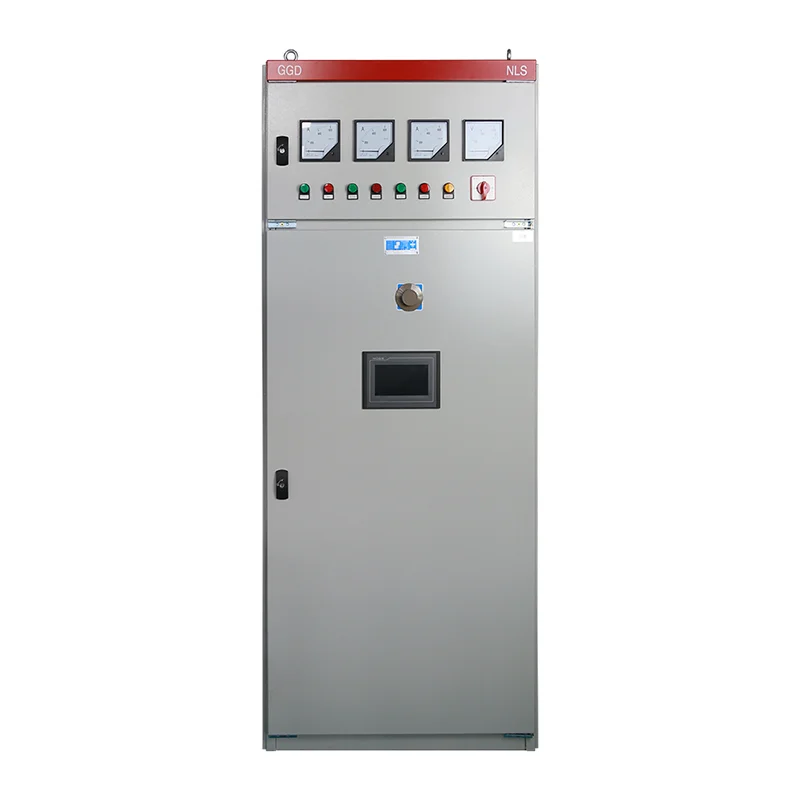
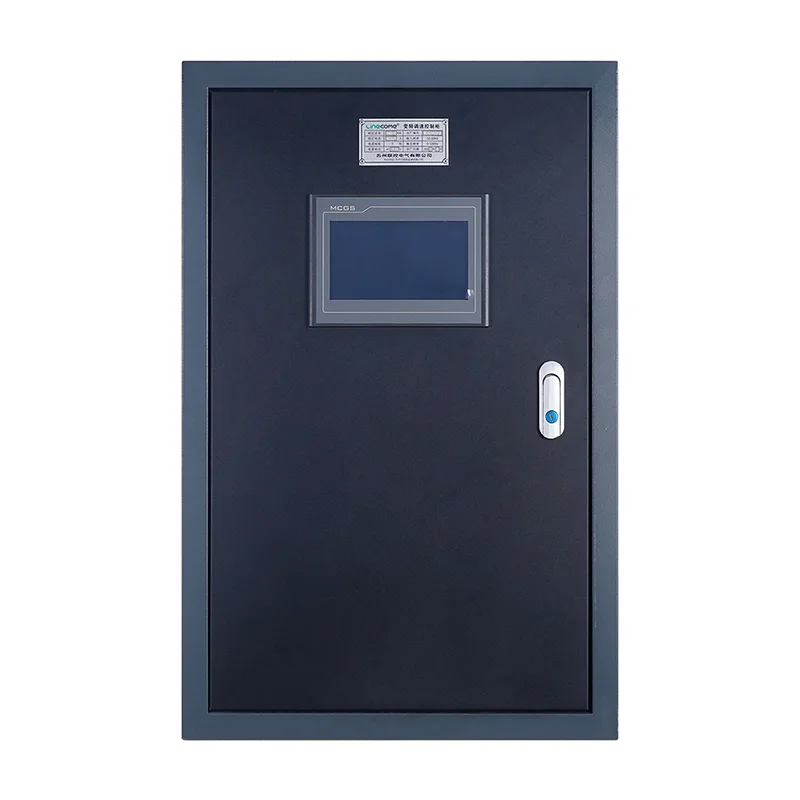
This guide addresses ordinary industrial PLC and motor-control enclosures. It does not specify equipment for hazardous areas or establish an enclosure rating. For cabinet architecture, start with what a PLC cabinet contains. For a product discussion, see the LINECOME PLC control cabinet for industrial automation. The illustrated cabinet is a real catalog product; its photograph does not establish that a heater, drain or humidity controller is fitted.
Separate condensation from leaks and retained water
A droplet on a cabinet door is an observation, not a complete diagnosis. Rainwater entering through a damaged seal, washdown water passing a cable entry, and moisture condensing on a cold steel panel can look similar after several hours. Repairs should follow the evidence. A heater cannot repair a failed gland, and a replacement door seal cannot remove moisture already trapped inside a poorly managed shutdown environment.
Record where the wetness first appears. A trail beneath an entry point suggests a different inspection route from a broad film on the inside of a cold door. Photograph patterns before cleaning when safe, note recent rain or washing, and ask whether the enclosure was opened while the surrounding air was humid. Review cable routes that might carry water toward the cabinet rather than assuming every entry is dry because its outer fitting looks intact.
Inspect only under the site’s electrical isolation procedure. Auxiliary lighting, heaters, UPS circuits and remote control supplies may have separate sources. Evidence collection must not require an unqualified operator to open an energized panel. The official electrical work-practice requirements explain the distinction between operating a control and establishing an electrically safe work condition. Follow the rules applicable to the installation.
Use dew point rather than a single humidity reading
The National Weather Service explanation of dew point describes a temperature associated with the onset of surface condensation. For a cabinet assessment, the useful comparison is between local air dew point and the temperature of a vulnerable surface. Internal air temperature alone cannot identify a colder door, mounting plate or cable-entry region.
The Met Office explanation of dew formation provides the same physical basis. Relative humidity changes as temperature changes, so an isolated percentage without its accompanying temperature and location is incomplete evidence. Use a suitable instrument to record temperature and humidity together, and document how the dew-point value was obtained. Avoid treating a room weather reading as an exact measurement inside a closed enclosure.
Consider a hypothetical observation: a local instrument reports a dew point of 16°C, while a door surface is measured at 14°C. The surface is below the reported dew point, which supports a condensation explanation. If the door is at 20°C instead, the same observation does not support condensation at that door at that instant. These numbers illustrate the comparison only; they are not recommended settings or universal clearance margins. Instrument accuracy and rapidly changing conditions must be considered.
Record the full operating cycle
A useful monitoring period includes production, stopping, cooling and restart. During operation, internal equipment losses may keep surfaces warm. After shutdown, that heat disappears while moisture remains. Morning inspection can therefore reveal a problem that was invisible during a loaded afternoon test. Record whether climate-control circuits remain powered when the main motor disconnect is opened.
Assign consistent timestamps to the cabinet logger, production history and weather observations. Log door openings and washdown events alongside the readings. If a technician opens the door to take every measurement, the act of inspection changes the enclosed air. Prefer an approved monitoring arrangement that captures representative conditions without repeated interference. Sensor placement should represent both vulnerable areas and the controller’s intended measurement point.
Include neighboring conditions in the investigation: a cold wall behind the cabinet, nearby chilled piping, a room air conditioner cycling overnight or a roof exposed to changing weather. These are inspection prompts, not claims that every installation has the same thermal behavior. The engineering question is whether the selected control protects the actual cold surfaces during the actual moisture exposure.
Choose a remedy for the observed mechanism
Use the following decision table after the evidence is collected. It is a qualitative engineering checklist, not a component-sizing table. The physical basis is the dew-point behavior described by the weather-service sources above; the acceptance work must be tailored to the enclosure and component instructions.
| Observation | Investigation priority | Candidate response to evaluate | Acceptance evidence |
|---|---|---|---|
| Water trail below cable entry | Entry installation and cable water path | Repair the entry arrangement using approved components | No renewed entry during an agreed representative exposure |
| Broad film after overnight cooling | Surface temperature versus local dew point | Controlled enclosure heating or another moisture-control method | Logged surface and moisture behavior through shutdown |
| Wetness after door opening | Humid air admission and opening duration | Revise service procedure and recovery provisions | Repeatable recovery after an agreed maintenance event |
| Water near cooling equipment | Drainage, sealing and cooling operation | Correct equipment installation and condensate management | No leakage or retained water during cooling cycles |
| Dry warm cabinet but recurring cold restart faults | Unobserved shutdown period | Extend monitoring and check auxiliary power availability | Evidence covers the previously missing time window |
Check heater control, location and electrical supply
A cabinet heater is a possible response when maintaining appropriate surface conditions addresses the measured problem. Selection requires enclosure dimensions, ambient conditions, internal losses, component temperature limits and the heater manufacturer’s installation requirements. Do not choose wattage from a photograph or copy the rating from a neighboring cabinet with a different duty cycle.
Review where heat can circulate and whether nearby wiring, plastics or instruments would be exposed to excessive local temperature. Mounting clearances come from the actual device instructions. A controller located beside a warm heater may reach its setting while a distant panel remains cold. Conversely, protecting the coldest corner must not cause another component to exceed its operating limit.
Document the power source and the intended behavior during production stops. If moisture protection relies on an auxiliary supply, identify its isolation point and label it in the maintenance information. Agree how a failed supply or failed controller will be detected. An unmonitored heater that stops working during a long shutdown may offer less practical protection than its nominal capacity suggests.
Coordinate moisture control with cabinet cooling
Condensation management and heat removal are related but different requirements. A system can remain too hot under load and become vulnerable to moisture after stopping. Review both conditions in one operating envelope. Our separate guide to AC-drive cabinet cooling and heat exchangers covers the heat-removal decision; it should not be used as proof that a specific condensation problem has been solved.
Do not add uncontrolled ventilation holes to obtain airflow. Any opening, fan, drain or pressure-compensation accessory must be evaluated against environmental exposure, contamination, required enclosure protection and the manufacturer’s mounting instructions. Ventilation may admit moisture as well as remove heat. A desiccant also needs a defined inspection and replacement process; placing a packet inside the cabinet is not a documented long-term strategy.
Verify the corrective work before closing the issue
Write acceptance criteria before the trial. Identify observation locations, operating conditions, the monitoring period and the person authorized to release the equipment. Include the longest relevant shutdown and a controlled restart if those were associated with the original complaint. Do not declare success only because a heater feels warm or an alarm has been reset.
Inspect for residual contamination, corrosion and damaged insulation under an approved procedure. Drying does not automatically restore the integrity of components exposed to water. Obtain the component maker’s disposition where damage or contamination is suspected. Keep unsuitable equipment isolated until a responsible specialist approves the corrective action and return to service.
Record the before-and-after condition with the same measurement method. If the original conditions cannot be reproduced, describe the limitation and define a follow-up observation period. A useful closeout distinguishes a completed repair from seasonal performance that remains to be observed. Use the PLC cabinet FAT checklist to connect the moisture-control checks with drawings, auxiliary supplies, labels and handover records.
Prepare a useful cabinet enquiry
Give the supplier the installation location, expected temperature range, humidity history, washing exposure, dust or corrosive contaminants, enclosure size and required operating schedule. Include component loss information when available and identify whether the cabinet is deenergized for nights, weekends or seasonal shutdowns. State any required enclosure classification separately rather than asking the supplier to infer it from a photograph.
Attach the observation timeline and mark the areas that became wet. Request a proposed control arrangement, maintenance needs, failure indication, installation clearances and a verification plan. For LINECOME cabinets, ask which climate-control provisions are included in the quoted assembly and which require project-specific selection. The catalog cabinet images show construction examples; they are not evidence of a tested outdoor installation or an included condensation package.
Further learning: humidity and condensation
The Met Office lesson below explains atmospheric humidity. It supports understanding the moisture terminology used here; it does not specify electrical cabinet accessories, heater sizing or a safe work procedure.
Video by Met Office – Learn About Weather. Watch What is humidity? on YouTube.
Frequently asked questions
Does a sealed control cabinet prevent condensation?
A sealed cabinet can still contain moist air and cold surfaces. Check moisture already inside, service openings, temperature cycling and the actual enclosure installation before deciding how to control condensation.
Can I leave the cabinet heater on during shutdown?
That depends on the engineered auxiliary supply, component limits and maintenance isolation arrangements. Document the intended shutdown behavior and verify it under the site’s approved electrical procedures.
Is a low relative-humidity reading enough to close the issue?
No. Record temperature, measurement location and the relevant operating period, then compare local dew point with vulnerable surfaces. A single warm-period reading does not establish overnight performance.