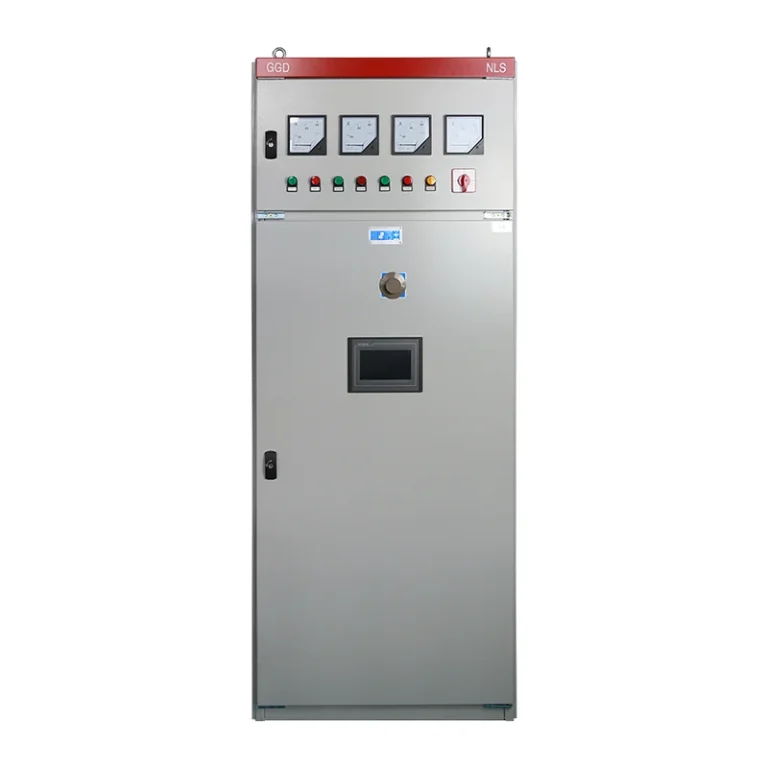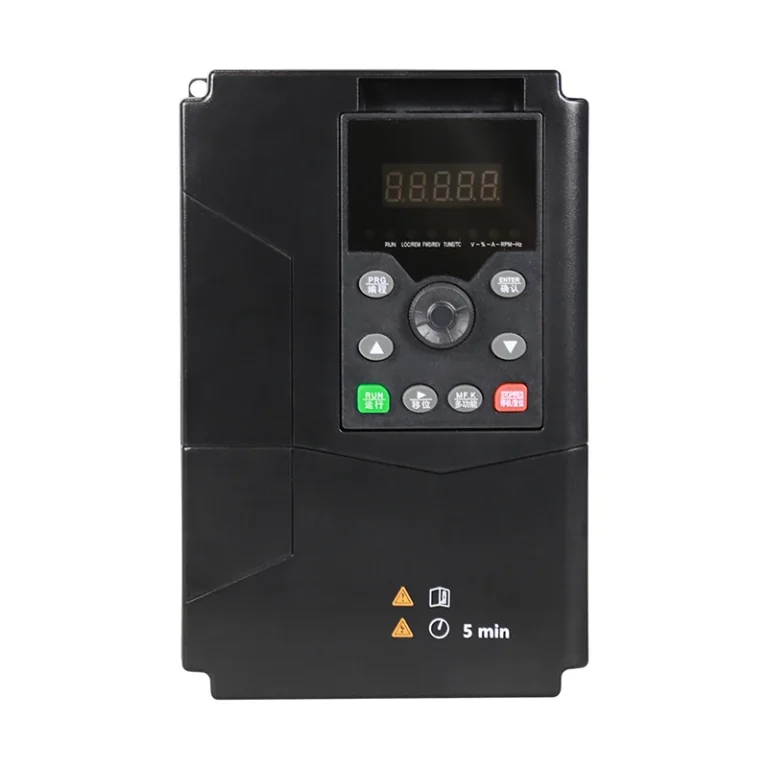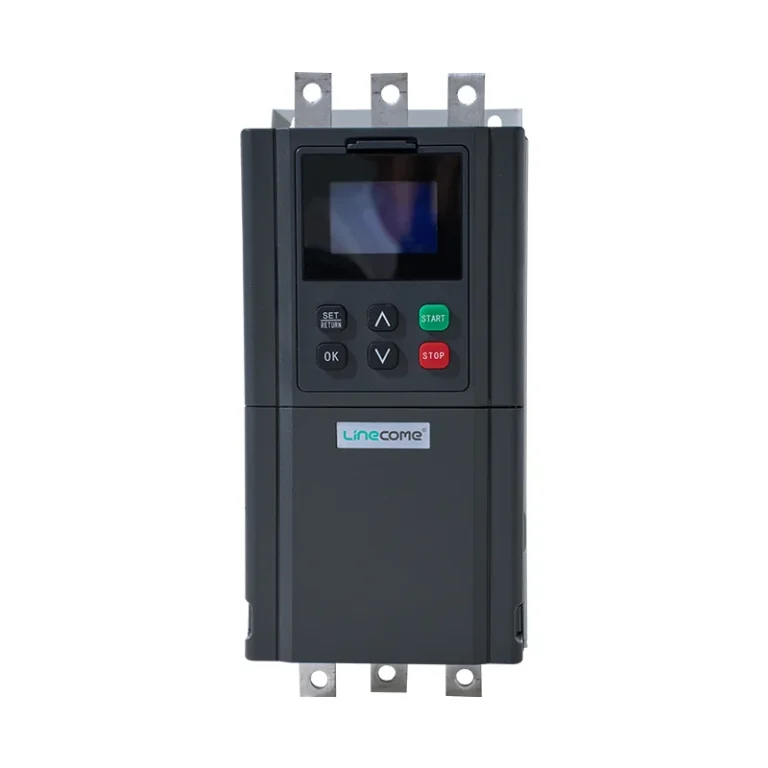

Autotransformer starter selection begins with the motor’s starting torque, the driven load’s resistance to acceleration and the supply’s permitted starting disturbance. A motor power rating alone cannot establish the correct cabinet or transformer tap. Reducing voltage can reduce starting current, but it also reduces available torque. Select a starter only after the supplier demonstrates that the proposed arrangement can accelerate the actual load within the motor, transformer and switching equipment’s permitted duty.
This guide focuses on procurement and acceptance of a low-voltage squirrel-cage motor starting cabinet. It is not a wiring diagram or a field instruction for changing transformer taps. The final circuit, protection and commissioning procedure need review by the responsible electrical engineer.
Understand the operating boundary of an autotransformer starter
An autotransformer starting arrangement applies reduced voltage during starting and then transfers the motor to the running supply. It is a starting method, not continuous variable-speed control. The ASHRAE discussion of motors and motor controls describes this distinction and places autotransformer starting alongside other reduced-voltage methods.
For a plant buyer, the essential decision is whether fixed-speed operation after acceleration suits the process. If the application needs routine speed adjustment, pressure regulation or a controlled operating speed range, identify that requirement before comparing starting cabinets. A lower starting current does not answer a running-speed control requirement.
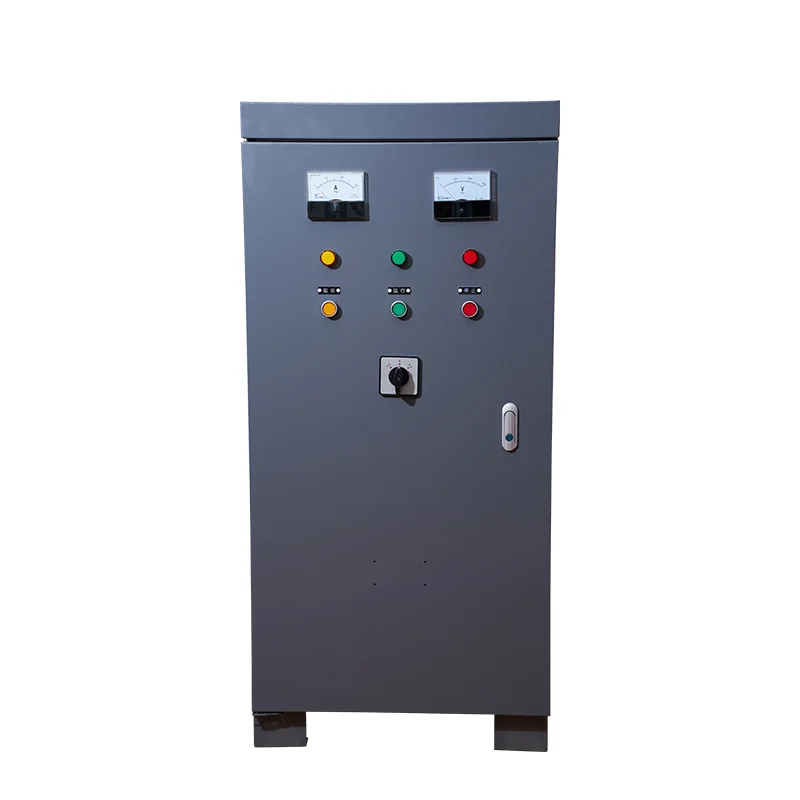
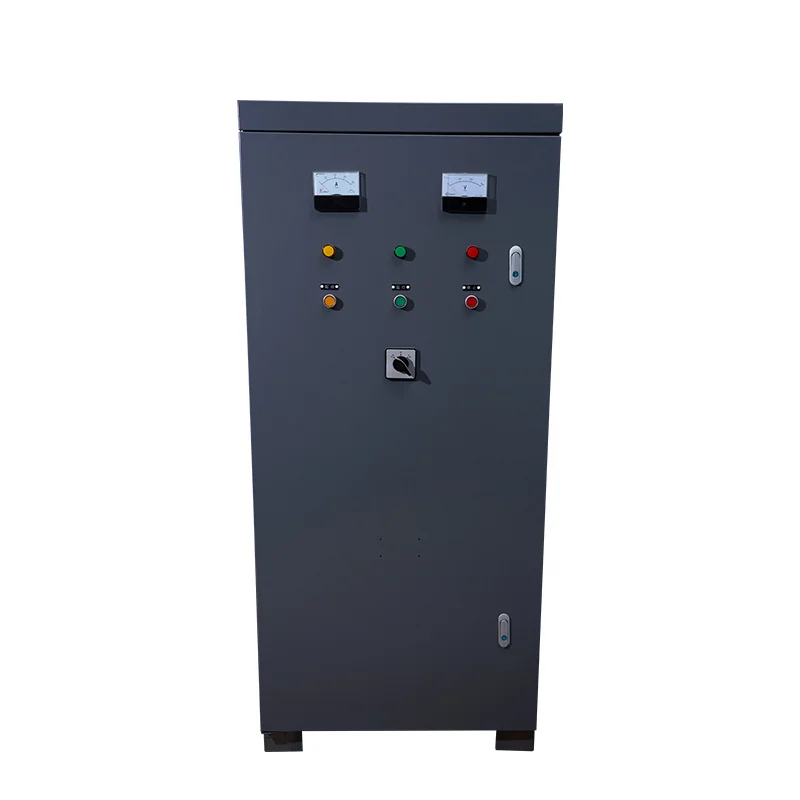
The XGQ1 auto-coupling voltage-reducing starter cabinet is a relevant LINECOME product family. Its catalog describes an autotransformer, contactors and timing components. Ask for the actual project drawing and duty data; the external cabinet photograph does not establish its transition circuit, protection coordination or suitability for a specific motor.
Collect motor and load evidence before discussing a tap
Obtain the motor nameplate, rated supply, connection information and available starting performance data. Ask the motor supplier for the information required to assess reduced-voltage acceleration. Avoid replacing missing data with a generic assumption that every motor of the same kilowatt rating behaves alike.
Next describe the load at the instant of starting. Does it start unloaded? Is there pressure or material remaining from the previous cycle? Is a mechanical unloading arrangement required? State the credible difficult-start condition, not only the easiest factory demonstration. A cabinet selected from an unloaded trial may not establish acceptable operation in the plant’s normal sequence.
Provide inertia or an agreed acceleration assessment where the duty requires it. The supplier needs to know whether a long acceleration period is expected and how repeated attempts will be managed. Record unknowns in the inquiry so the technical offer can identify assumptions rather than silently treating missing information as favorable.
Use voltage–torque estimates as a screening tool
For the same induction motor near standstill, a commonly used approximation is Tstart ≈ k² × TDOL, where k is applied motor voltage divided by the full-voltage reference, and TDOL is that motor’s direct-on-line starting torque. The VSSUT electrical machines lecture notes explain the reduced-voltage torque relationship and autotransformer starting. This is a screening estimate, not an acceleration study.
For example, if k = 0.65, then k² = 0.4225. With an assumed TDOL of 200 N·m, the estimate is 84.5 N·m. These are illustrative inputs, not XGQ1 ratings. The result is a fraction of direct-on-line starting torque, not rated running torque. Supply sag, motor characteristics, transformer losses and the changing torque–speed relationship require project assessment.
The practical implication is simple: a lower tap is not automatically a better choice. Ask the supplier to reconcile the proposed current reduction with the load’s acceleration needs. Do not choose a tap solely because its starting-current figure appears attractive.
Compare offers through an evidence-based selection table
The following table is a proposed purchasing checklist. It does not assign universal current limits, transition times or starts-per-hour ratings. Each offer should answer the same questions so the buyer can see where assumptions differ.
| Selection question | Information the buyer supplies | Evidence requested from the cabinet supplier |
|---|---|---|
| Can the load accelerate? | Motor data and difficult-start load condition | Assessment of motor torque against load requirements |
| Is the supply disturbance acceptable? | Utility or generator constraints and relevant site data | Starting-current and voltage-dip assessment for the proposed arrangement |
| Is starting duty acceptable? | Start frequency, clustered attempts and expected acceleration | Transformer, contactor and motor duty compatibility |
| How does transition occur? | Process limitations and acceptable behavior | Circuit description, sequencing and acceptance method |
| Is protection complete? | Supply details, fault information and operating modes | Protection schedule, coordination evidence and trip actions |
| What must be verified at handover? | Site responsibilities and operating conditions | Agreed test record, settings register and exception list |
Compare technical responses before comparing enclosure prices. Two cabinets with similar names can be offered on different assumptions about load, starting frequency or supply strength. The lowest quotation may simply omit the investigation needed to resolve those differences.
Evaluate supply behavior without confusing motor and line current
Make clear where a quoted current is measured or calculated. Motor-side current and supply-side current are different quantities in an autotransformer arrangement. Ask the supplier to identify the location, operating stage and assumptions behind each value. A current percentage without a reference can create a misleading comparison between starting methods.
If the site has a generator, limited transformer capacity or sensitive neighboring loads, provide those conditions at inquiry stage. Do not assume that an offer based on a strong utility supply remains suitable on an isolated generator. The responsible engineer should define how the supply assessment accounts for the complete installation.
Keep the starting assessment distinct from short-circuit protection. A satisfactory acceleration calculation does not establish fault interrupting capability or coordination. Those require separate documentation for the supplied protective devices and prospective fault conditions. Both questions belong in the cabinet acceptance package, with clear ownership.
Ask what the transition circuit actually does
Do not infer open or closed transition from a catalog photograph. Request the circuit description, contactor sequence and conditions used to initiate transfer to running operation. Have the supplier explain what happens if the motor has not accelerated as expected or a required feedback signal is missing.
The acceptance plan should capture behavior through the transition, rather than recording only the initial current and final steady-state operation. The engineer must choose suitable observations and instruments. This guide does not prescribe timer values, contactor overlap or a field modification to an interlock.
For comparison with a different starting topology, see the advantages and limitations of star-delta starting. Use the comparison to ask better questions about motor connection requirements and operating behavior. It should not replace an assessment of the proposed autotransformer circuit on its own merits.
Include repeated starts and failed-start recovery in the duty review
A normal daily start count can hide a demanding cluster of attempts during a process upset. Describe the anticipated operating sequence and the credible restart scenarios. Ask how the cabinet’s permitted duty will be documented and what restriction applies after a failed start.
The supplier’s response should identify the components and assumptions that set the limitation. A single starts-per-hour number without the associated acceleration duration and operating conditions is incomplete. Request a clear operator instruction that can be used during an actual interruption, including who may authorize another attempt.
The related starting-duty assessment guide discusses how to record clustered attempts and operating conditions for a soft starter. Its evidence-gathering approach is useful here, but its semiconductor or bypass considerations must not be transferred to an autotransformer cabinet as ratings. Each starting technology needs its own validated duty limits.
Specify commissioning evidence before equipment arrives
Agree which checks occur at the factory and which require the actual motor, load and supply. A factory sequence test can verify documented logic and indications within the test arrangement. It cannot reproduce an unknown site supply or prove acceleration of a load that was not connected.
At site, use an engineer-approved commissioning plan with controlled access and restart authorization. Preserve the as-supplied settings, record approved changes and identify the equipment revision used for the test. When the final arrangement differs from the quotation, update the documentation before accepting the result.
The HSE guidance on machinery maintenance emphasizes planned work, competent people and isolation of hazardous energy. These principles matter when inspecting a starting cabinet or considering a tap change. Releasing a start command or opening a control circuit is not a substitute for the required isolation procedure.
Prepare a clear inquiry and a usable handover
Send LINECOME a concise package: motor identity, supply conditions, driven equipment, load-at-start description, duty expectations, environmental requirements and the intended operating sequence. State whether the cabinet replaces an existing starter or forms part of a new installation. Include the existing drawing where an authorized retrofit review requires it.
Ask the offer to separate confirmed information, assumptions and outstanding checks. If the motor performance data is unavailable, require the proposed method for resolving that uncertainty. Do not allow a tentative catalog match to become a final application approval through repetition across emails and purchase documents.
At handover, retain the final drawings, protection schedule, component identities, approved settings and test report together. Include any operating restrictions and responsibility for future changes. A useful acceptance statement says what was demonstrated and under which conditions, so the next engineer can determine whether a process change requires reassessment.
If the plant is still comparing starting technologies, the soft-starter operating sequence guide explains another fixed-speed starting approach. Compare alternatives against the same motor, load and supply evidence. Product category labels alone cannot establish which arrangement offers the right starting behavior for the installation.
Educational video: understand transformer voltage conversion
This animation explains transformer operation and voltage conversion. It provides background for understanding reduced starting voltage. It does not show or approve the XGQ1 switching circuit, determine a tap, or replace the project’s motor-starting assessment.
Video by Sabin Civil Engineering. Watch How does a Transformer work ? on YouTube.
Frequently asked questions
Can I select an autotransformer starter from motor kilowatts alone?
No. The selection also needs the motor’s starting behavior, the driven load, supply constraints, acceleration duty and proposed transition arrangement. A catalog power range is an initial product-family reference, not proof of application suitability.
Does a lower transformer tap always improve starting?
No. Reducing motor voltage can reduce available starting torque as well as current. The selected arrangement must still accelerate the real load within permitted duty. Have the supplier demonstrate that balance instead of choosing the lowest current figure alone.
Will an autotransformer starter control running speed?
It is a reduced-voltage starting method followed by operation on the running supply. It does not provide continuous variable-speed control. Identify any process speed-control requirement separately before choosing the motor-control arrangement.