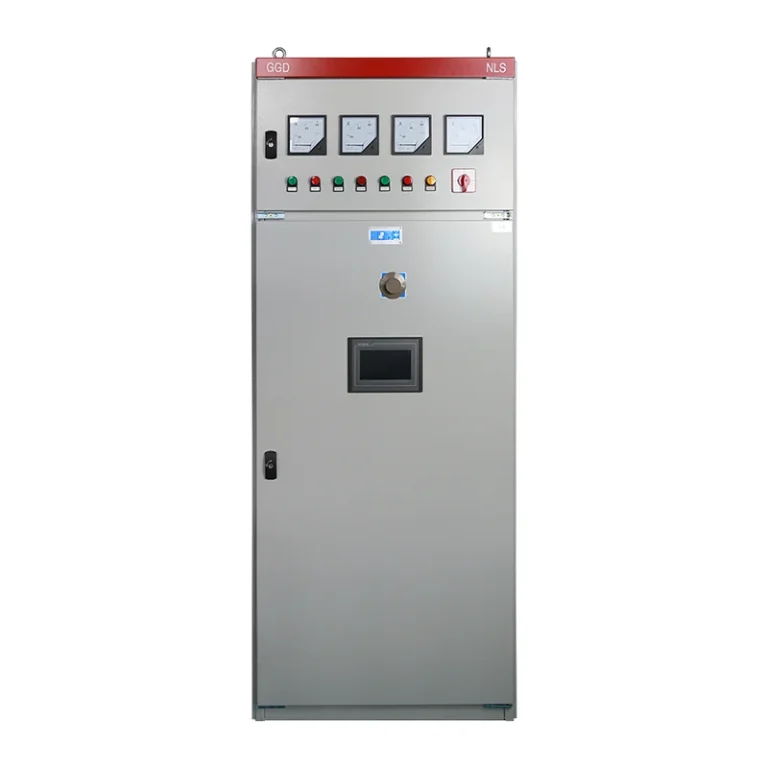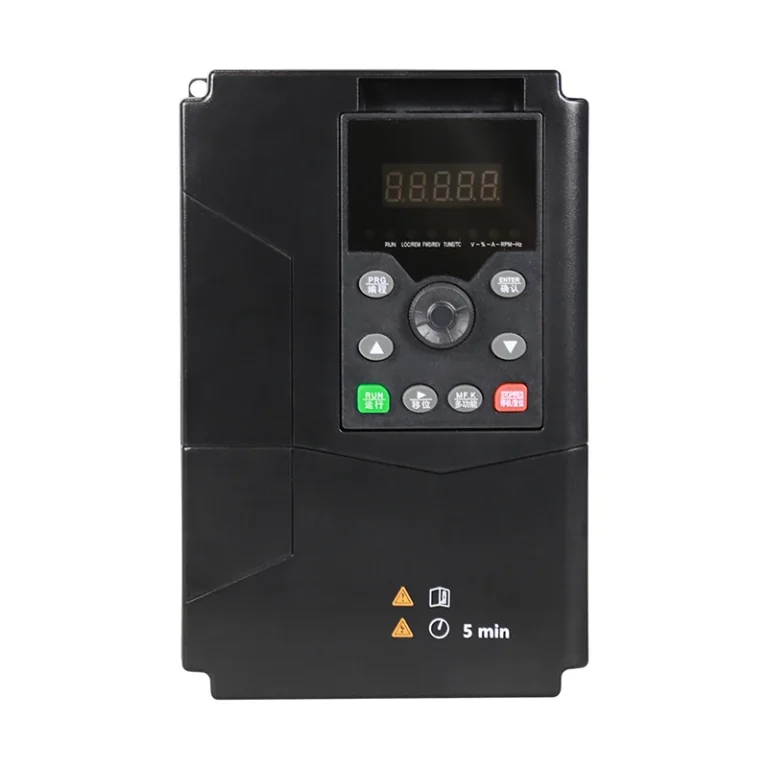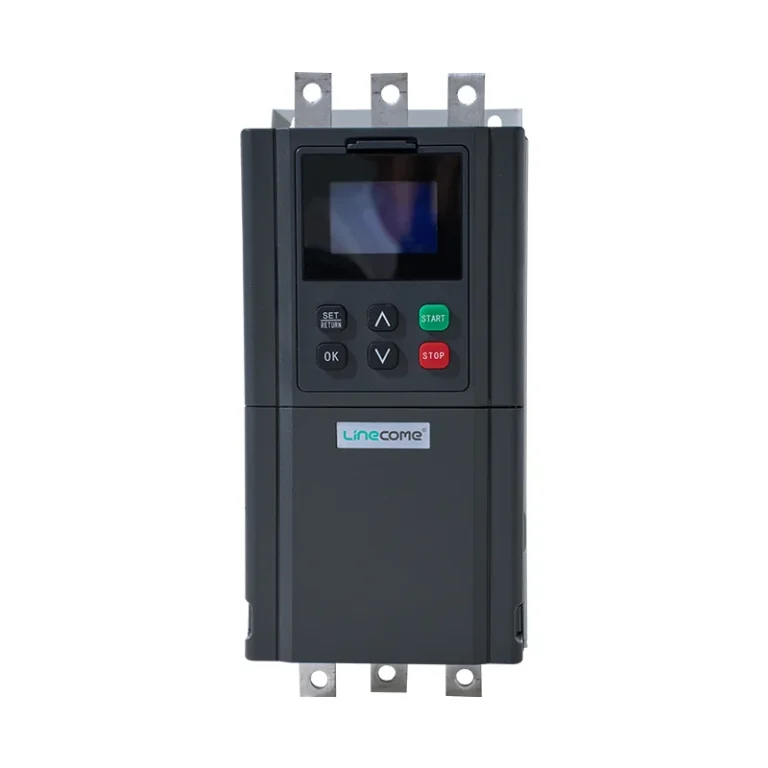

Advantages and disadvantages of star delta starter specs come down to fixed-speed, reduced-voltage starting: a wye delta starter connects windings in wye for the first step, then delta for run, softening energization compared with direct-on-line before the motor locks to line frequency—if six leads and the load tolerate the switching interval. For a quick star delta starter pros and cons read, lower inrush and cost versus DOL and VFD sit on the plus side; transition dip, extra contactors, and fixed speed sit on the minus side.
Use the Soft Starter hub to compare catalog families after you decide whether wye-delta contactors belong on the one-line diagram.
 .
Star-delta advantages on fixed-speed motor projects
Star-delta (wye-delta) starting applies lower voltage to the windings during the wye step, which reduces starting stress versus energizing full delta voltage immediately as in direct-on-line (DOL) starting.
Contactors and timers can be less costly than a full variable-frequency drive when the process never needs adjustable run speed. The method remains familiar on legacy pump and fan specs where utilities or mechanical couplings flagged DOL inrush.
Star-delta does not add continuous speed control—it only shapes the start before the motor runs at synchronous speed tied to line frequency. Maintenance teams still gain predictable run behavior once the delta contactor closes, which is why the method stays on many star delta starter pros and cons checklists beside soft starters.
Star-delta disadvantages buyers feel in the field
Classic wye-delta control needs a six-lead (six-terminal) motor so windings can be reconnected between start and run; many retrofit motors expose only three line terminals, which blocks the method without rewinding or replacement.
The star-to-delta transition creates a torque dip that can stall high-inertia loads if acceleration or load timing is unforgiving. Maintenance teams also manage more interlocks and contactor wear than a single DOL branch, without gaining the ramp profiles or monitoring that SCR soft starters publish on modern catalogs. Run speed stays locked to line frequency—there is no variable-speed operation during production.
Important: Talk:Inrush current editors warn that inrush (energization surge) is easy to confuse with running overload when buyers pick starters—source theme U-02; size branch protection for both phenomena, and do not treat informal “one-third current” rules as a substitute for motor data and supplier calculations on your quote.
 .
Star-delta vs DOL vs soft starter vs VFD — comparison table
Each starting method trades wiring complexity, inrush behavior, transition effects, and speed control differently—no single row fits every motor branch.
| Method | Speed control in run | Typical wiring / hardware | Transition or ramp behavior | When buyers shortlist it |
|---|---|---|---|---|
| DOL starter (across-the-line) | Fixed at line frequency | Simplest contactor | Full voltage immediately; highest inrush | Small motors, tolerant utilities |
| Star-delta | Fixed at line frequency | Six-lead motor, two-step contactors | Torque dip at wye→delta switch | Legacy reduced-voltage specs, fixed-speed |
| SCR soft starter | Fixed at line frequency | Thyristor ramp, often with bypass | Timed voltage ramp; no wye-delta switch | Frequent starts, pump/fan gentle ramp |
| VFD | Adjustable | Drive with programming | Controlled accel/decel ramps | Speed tracking, tight process control |
Qualitative inrush differences depend on motor design and utility stiffness—this page does not publish universal amp or torque percentage tables.
When across-the-line starting still wins
DOL remains the default when the utility accepts starting surge and the mechanics tolerate instant torque.
Smaller motors, short duty cycles, and tight panel budgets favor a single contactor over wye-delta hardware. If your specification already includes a soft starter or VFD for other reasons, duplicating star-delta adds little unless a standard explicitly mandates wye-delta.
Compare total cost of contactors, maintenance, and downtime—not only the starter list price. DOL starter lines on BOMs should still show branch protection and motor FLA even when star-delta appears overkill, because the comparison table only works when both options are priced with the same utility assumptions.
 .
When an online soft starter replaces wye-delta contactors
SCR online soft starters limit terminal voltage with a timed ramp, avoiding the mechanical and electrical shock of a wye-delta switch on some loads.
When transition dip stalls fans or when six-lead rewinds are unacceptable, electronic ramp starting often replaces contactor-based wye-delta on new quotes. Soft starters still run at fixed line frequency—they are not VFDs.
For mechanism depth on SCR units already on this site, see how a soft starter works and when to use a soft starter without repeating their H2 structure here. Procurement teams sometimes keep both wye-delta and soft starter alternates on the same RFQ until utility comments return, then drop the option that fails the star delta starter pros and cons review.
From the field: Talk:Star-delta starter notes that torque dip during the switching interval can stall high-inertia loads if the transition is too aggressive—source theme U-01; treat that interval as a disadvantage when conveyors or compressors cannot tolerate a sag.
When a VFD is the right tool instead of star-delta
A variable-frequency drive adds continuous speed adjustment, coordinated voltage control, and programmable ramps that star-delta cannot provide during run.
If the process needs flow or speed tracking, star-delta is usually the wrong economics—even if it once served as the reduced-voltage starter.
VFD projects carry harmonics, EMC, and programming tasks star-delta avoids. Read advantages of VFD for drive-side benefits; this page only positions VFD as the speed-capable alternative.
Soft starter benefits and current limit vs soft starter cover adjacent fixed-speed comparisons.
Decision checklist: keep star-delta on the quote or not
Confirm the motor nameplate and winding access support six leads for wye and delta run connections.
List expected starts per hour, load inertia, and whether a torque dip during switching can stall the process.
If run speed must change, remove star-delta from the shortlist and size a VFD. If only gentler starts are needed at fixed speed, compare star-delta contactor maintenance against SCR soft starter ramps and published monitoring.
Document utility limits and branch protection assumptions on the RFQ rather than copying informal starter myths. Panel schedules should state whether the motor is wye delta starter compatible before buyers lock contactor interlocks.
ZR800 online soft starter product fit when star-delta disadvantages dominate
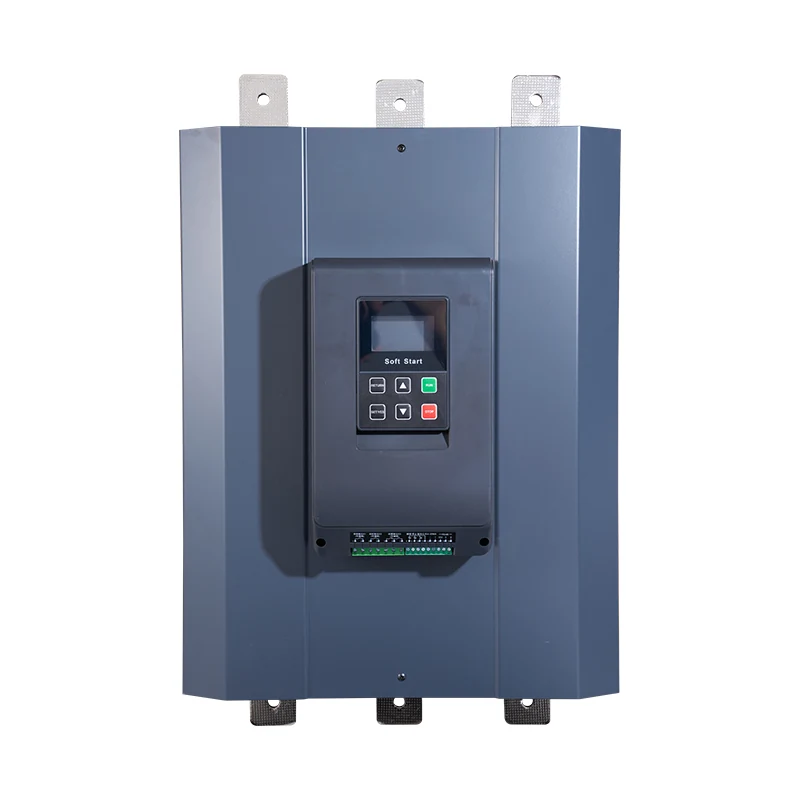
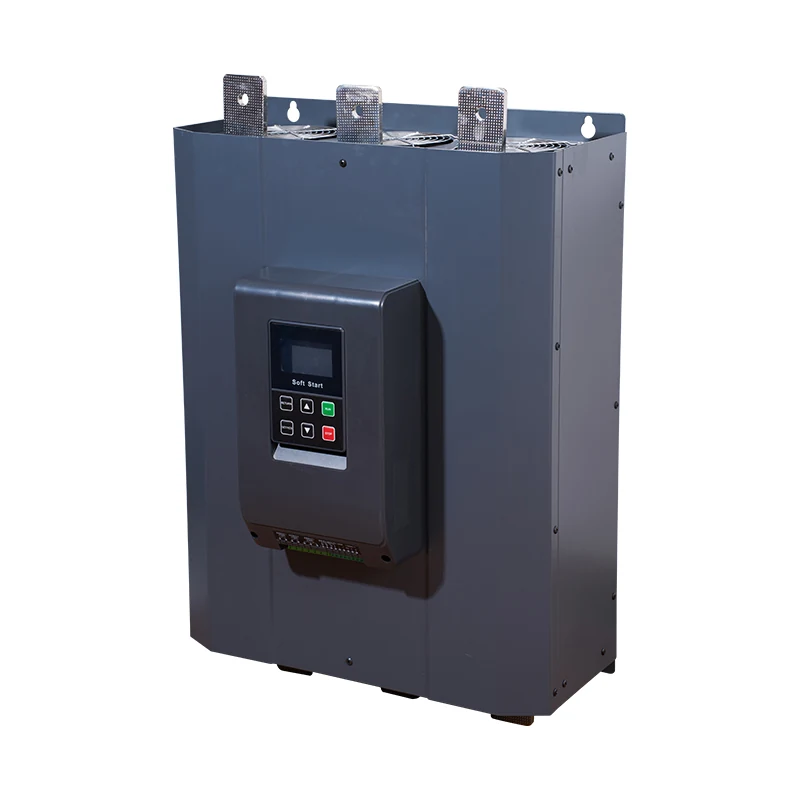
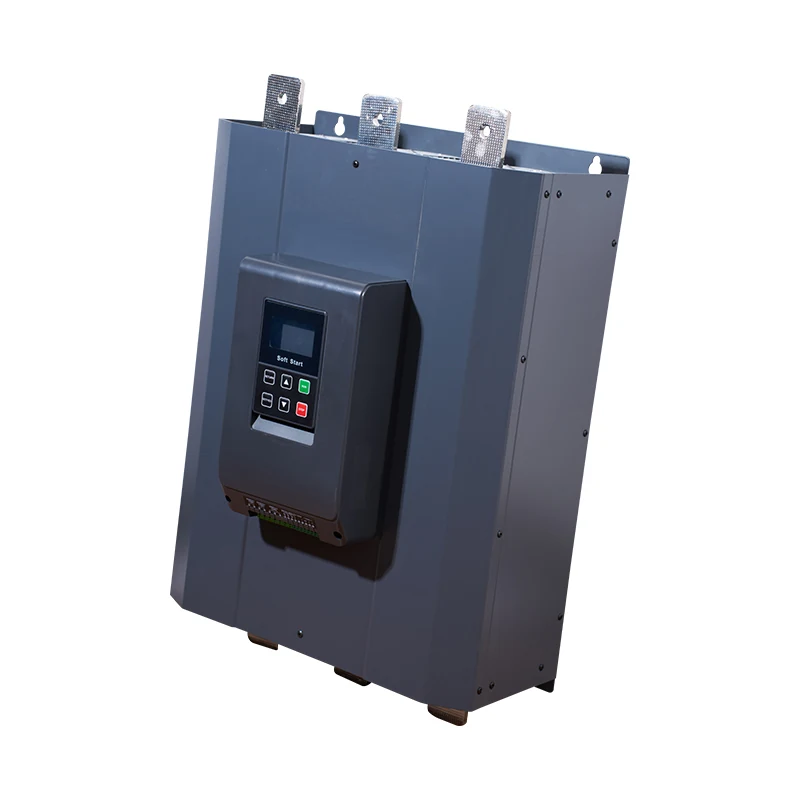
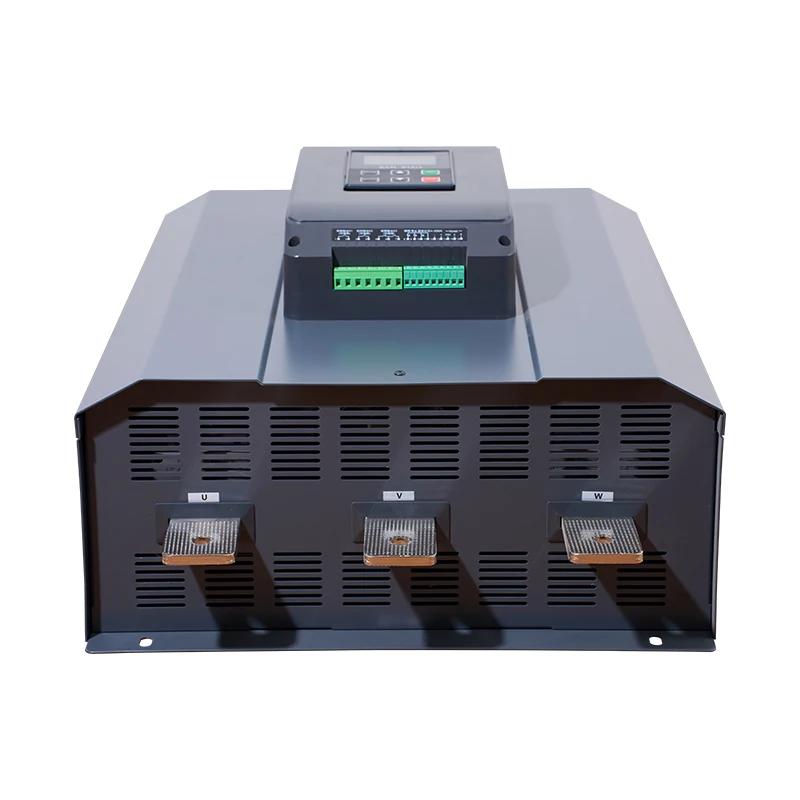
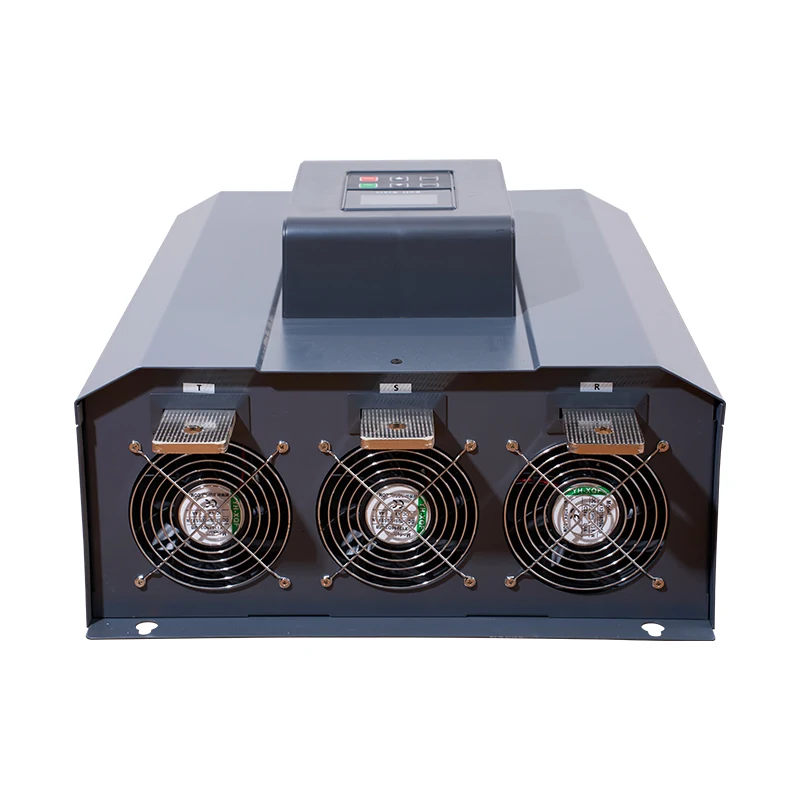
When wye-delta wiring, transition dip, or contactor maintenance push the project toward electronic reduced-voltage starting, the public ZR800 online soft starter series documents protection and monitoring aimed at pump and fan duty.
The ZR800 18.5–90 kW online soft starter product page lists twelve protection functions on its published feature table—including inverse-time overload and configurable fault enable/disable for supervised commissioning—plus monitoring of current, voltage, phase sequence angle, frequency, and cumulative runtime. The same table documents 4–20 mA output at 0.5% linear accuracy for process feedback where specified.
Match motor voltage and amp band to the published row, then confirm start frequency and bypass expectations with the supplier if you need a firm SKU instead of a wye-delta assumption.
 .
| Public ZR800 feature (page table) | Why it matters after star-delta disadvantages | Your project still verifies |
|---|---|---|
| SCR ramp starting | Avoids wye-delta switch interval | Load inertia, start frequency, bypass strategy |
| Protection function list | Supervised pump/fan duty | Fault wiring, enable/disable during commissioning |
| 4–20 mA, 0.5% linear accuracy | Feedback to PLC where needed | Loop calibration, sensor pairing |
 .
Frequently asked questions
These answers stay at the comparison layer—installation steps and reactor-versus-SCR nuance live on linked soft-starter siblings. Copy motor nameplate photos into the RFQ packet so suppliers see whether wye delta starter wiring is even possible before they price contactors.
What are the main advantages of a star-delta starter?
Lower starting stress versus DOL during the wye step and typically lower cost than a VFD when run speed stays fixed.
What are the disadvantages of star-delta starting?
Six-lead motors, a transition torque dip, more contactor logic than DOL, and no variable speed during run.
When is star-delta better than DOL?
When utilities or mechanics need reduced-voltage starting but the load does not justify a VFD and tolerates wye-delta switching.
When should I choose a soft starter instead of star-delta?
When timed SCR ramps avoid the wye-delta switch, six-lead access is difficult, or published monitoring beats contactor-only control.
Can star-delta replace a VFD?
No for variable-speed processes—star-delta only shapes the start before fixed line-frequency run.
Does star-delta change running speed?
No. After the delta connection, speed follows line frequency like any fixed-speed induction motor.
Why is a six-lead motor required?
Windings must be connected in wye for start and delta for run; three-terminal motors cannot switch configurations without redesign.
What catalog alternative fits when transition dip matters?
Consider an online SCR soft starter such as the published ZR800 feature set when ramps and monitoring beat wye-delta switching.