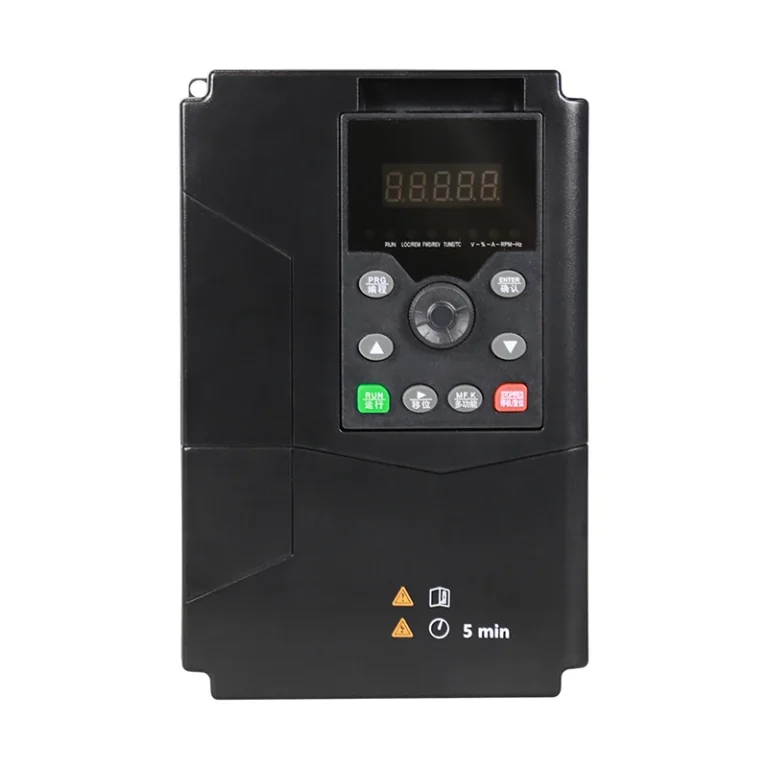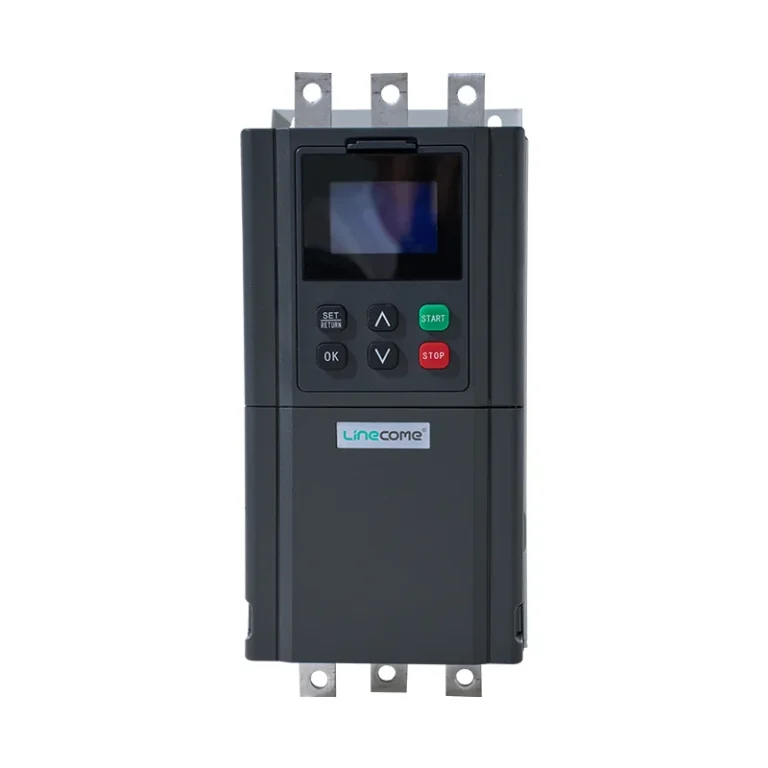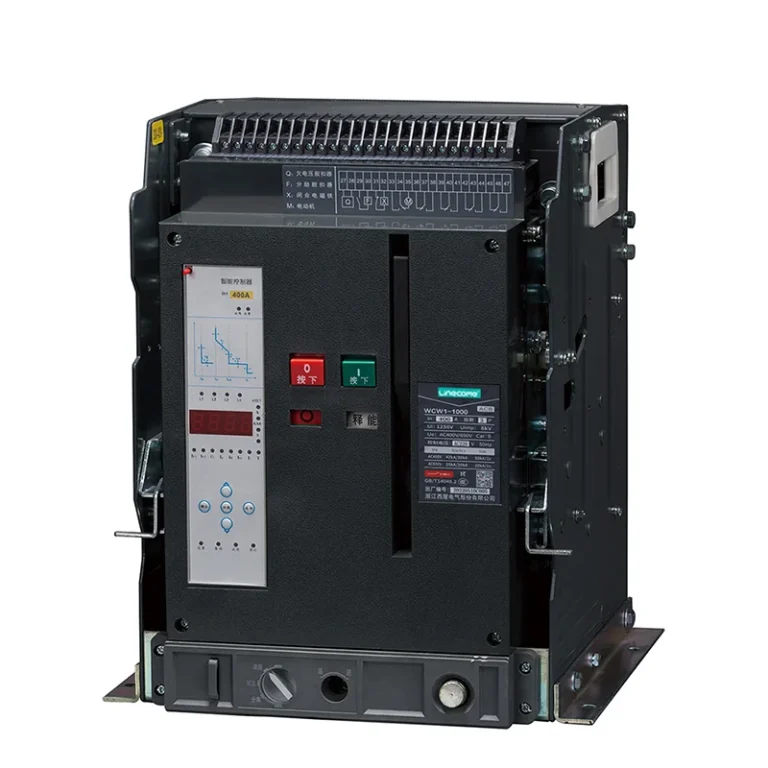

Soft starter altitude derating must be checked against the instructions for the exact starter, not copied from a generic percentage or a different manufacturer’s chart. Confirm the permitted operating altitude, available current, starting duty, local cooling-air temperature and insulation limits for the installed assembly. A larger current rating may help a thermal limitation, but it does not automatically resolve an altitude or voltage restriction. Before ordering for a high-elevation site, obtain a documented selection that covers both starting and running conditions and identifies every assumption still awaiting confirmation.
Collect the site conditions before choosing a frame
Record the installation elevation above sea level, the operating supply voltage and the supply arrangement. Use the actual equipment location rather than the nearest city’s altitude when the site spans a substantial height difference. Distinguish installation altitude from transport and storage conditions; a shipping route does not define the permitted operating environment.
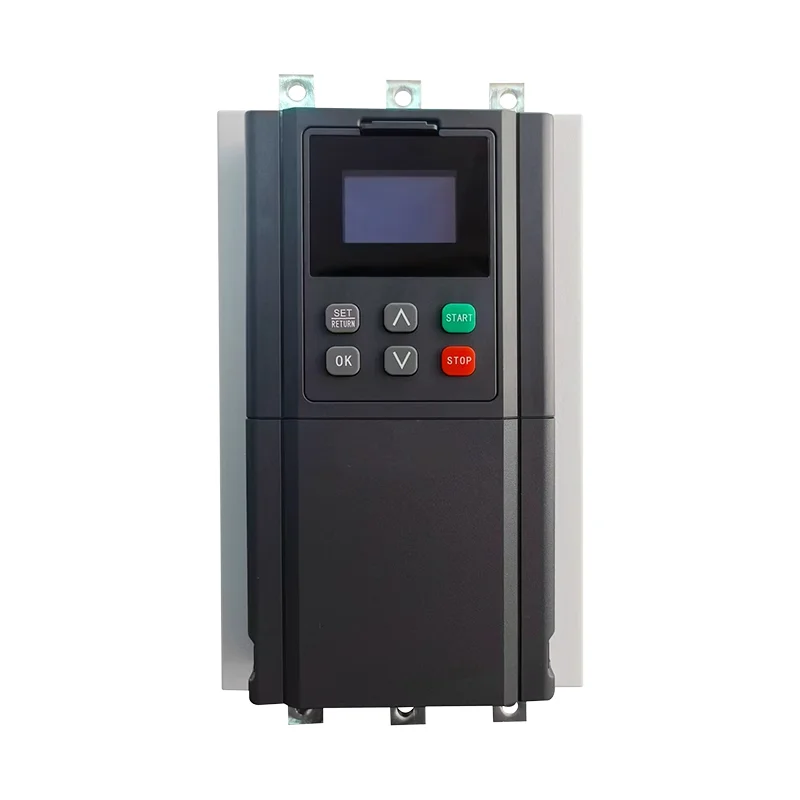
For an NR1000 built-in bypass soft starter, request the altitude and temperature limits for the exact supplied version. The public product description identifies a built-in bypass architecture, but it does not establish a universal altitude correction. Keep the requested operating conditions in the enquiry rather than assuming that a broad power range guarantees suitability.
Also collect motor nameplate current, starting method, expected loaded start time, starts per hour and the most demanding restart sequence. These inputs describe the duty that the selected starter must support. A motor’s kilowatt rating alone leaves out supply voltage, motor efficiency and the actual starting requirements.
Understand why altitude belongs in the selection
Air pressure and density change with elevation. The NASA atmosphere explanation describes this physical relationship. Its atmospheric model explains the background; it is not a soft-starter rating chart or a way to calculate an approved electrical operating current.
Lower-density air can affect heat removal from air-cooled equipment. The actual consequences depend on the construction, cooling method and duty. Obtain the manufacturer’s permitted conditions instead of calculating a current reduction directly from a ratio of air densities. That shortcut leaves out the equipment’s tested thermal behavior and the difference between starting and steady running.
Altitude can also affect insulation coordination. Treat that as a separate question from temperature rise. An installation that operates with an apparently acceptable heatsink temperature can still be outside its documented electrical environment. A successful short demonstration does not establish long-term suitability or approval for an undocumented condition.
Separate current capability from the maximum operating boundary
Ask two independent questions: what current and starting duty are available at the site, and whether operation at that altitude and voltage is permitted at all. A derating curve applies only within its stated range. Extending a straight line beyond its published endpoint does not create a valid rating.
The official IEC 60664-1 description identifies insulation coordination and guidance for higher-altitude use within its scope. The public page does not provide a product-specific permission or replace the applicable full requirements. Ask the equipment supplier how the selected assembly addresses the actual altitude and supply conditions.
Do not alter clearances, protective settings or supply connections based on a simplified online calculation. If the documented operating boundary excludes the installation, obtain an approved alternative or written engineering determination. Increasing the starter frame without resolving the excluded condition is an incomplete selection.
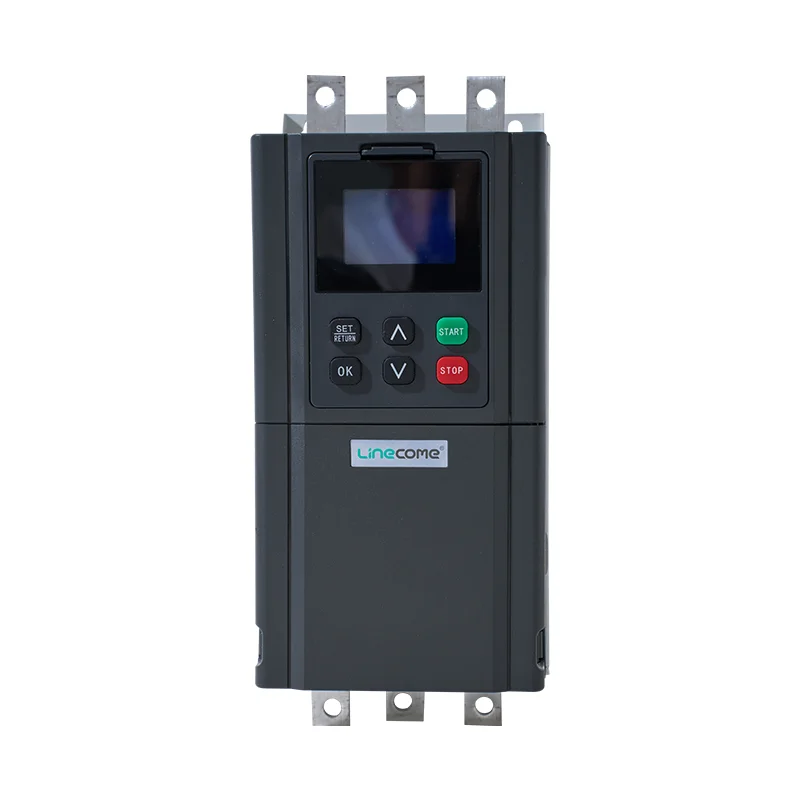
Read the complete derating instruction
Confirm the manual revision, starter family, frame, rated voltage and applicable operating mode. A chart for another frame or an earlier version may use a different reference environment. Keep the chart title, axis labels, notes and operating limits together in the selection record.
Check whether the instruction expresses available current as a percentage of a base rating, specifies a different current table, or requires a selection tool. Confirm whether it covers continuous running, intermittent starting or both. A statement about one operating condition must not be stretched to cover every part of the duty cycle.
Where temperature and altitude both require review, ask how the instructions combine them. Do not assume that factors should always be multiplied or that the more restrictive factor automatically covers both. The approved method may depend on the frame, bypass arrangement or specified starting cycle.
Use a selection table that exposes missing evidence
This is an original enquiry and review checklist. It deliberately avoids universal altitude thresholds or current-reduction percentages. Enter the actual manufacturer’s values and revision references in the project copy. Mark unanswered points as open so a quotation cannot quietly turn an assumption into an approved rating.
| Selection input | Evidence required | Decision it supports |
|---|---|---|
| Installation elevation | Site data with units and equipment location | Establishes the operating environment |
| Supply voltage and arrangement | Approved electrical design | Checks electrical and insulation boundaries |
| Motor current | Nameplate and operating-duty information | Establishes the required current basis |
| Starting duty | Start time, frequency and loading sequence | Checks short-duration thermal demand |
| Cooling-air temperature | Cabinet thermal assessment and measurement plan | Establishes the local ambient condition |
| Starter derating | Exact model manual or supplier selection | Establishes permitted capability |
| Bypass path | Architecture and component ratings | Checks the complete running-current path |
| Other cabinet components | Their individual environmental limits | Prevents approval based on the starter alone |
| Acceptance evidence | Approved tests and unresolved limitations | Defines what handover can demonstrate |
Keep the supporting documents with the table. A quotation that states only “suitable for high altitude” is difficult to verify. Request the relevant altitude, voltage, current, duty and environmental assumptions in the selection confirmation.
Calculate only with an approved factor and a defined basis
If the applicable instruction supplies a factor, a basic arithmetic check can help review the selected rating. For example, define available current in amperes as I_available = I_reference × k, where k is the documented factor for the stated conditions. Use this relationship only when it matches the manufacturer’s method and every relevant additional constraint has been addressed.
As a purely hypothetical illustration, suppose an approved selection specifies a 200 A reference current and a factor of 0.90 for one stated condition. The arithmetic gives 180 A. A 190 A requirement would exceed that particular available value by 10 A. These numbers do not describe an NR1000 model or an actual altitude curve.
The example does not authorize combining that factor with another temperature factor, selecting a different overload setting or treating 180 A as a complete starting-duty rating. Record the source of each input and review the full duty. If no applicable factor exists, the correct output is a supplier enquiry, not an invented percentage.
Review the cabinet air at the starter
Outdoor weather data and room temperature are not necessarily the temperature of the air surrounding the starter inside its enclosure. Other components, solar heating, filters and restricted ventilation can change the local condition. Establish the measurement location and worst operating scenario in the thermal assessment.
Account for the starting sequence as well as steady production. A cabinet can appear cool during light operation yet experience a more demanding restart after a process interruption. Identify whether several starters can accelerate motors together and whether the ventilation or cooling system is operating during that sequence.
The site’s control cabinet cooling fan maintenance guide addresses a related reliability issue. Maintenance can restore intended airflow, but it does not create permission to exceed the starter’s environmental limits. Do not open cabinet doors permanently or remove protective barriers as an undocumented cooling solution.
Check bypass components, protection and the motor separately
Built-in bypass changes the current path during normal running, but it does not erase the starting duty or establish unlimited environmental capability. External bypass arrangements have their own contactor, wiring and protection requirements. Review the supplied architecture rather than assuming that every soft starter dissipates heat in the same way.
Confirm the environmental capability of the bypass path, branch protection, control power supply and other relevant components. A cabinet is not fully assessed because its main starter is acceptable. The motor also needs a separate review for its own location, cooling and duty; the starter’s correction factor is not automatically the motor’s factor.
For repeated starts and recovery cycles, the soft starter starts-per-hour guide explains the importance of a defined duty record. Use that information as an input to the altitude selection, rather than treating a normal running-current measurement as evidence that every permitted restart sequence will be acceptable.
Plan acceptance without claiming more than the tests prove
Agree the acceptance plan before dispatch. State which checks can be completed at the factory and which require the final installation. A sea-level functional test can verify control behavior under its test conditions; it cannot by itself reproduce a high-altitude thermal or insulation environment.
At site, document the installed model, supply conditions, cooling arrangement and approved duty. Qualified personnel should perform the tests required by the approved procedure and equipment instructions. Do not disable protection or repeatedly start a loaded motor merely to force a thermal alarm as a demonstration.
Compare observed conditions with the approved selection assumptions. If actual local temperature or start frequency is higher, stop treating the original confirmation as automatically applicable. Obtain a revised assessment. Record unresolved limits explicitly rather than accepting the equipment because it completed one start without a trip.
Ask for a selection confirmation that can be reused later
Send the supplier the site elevation, voltage, motor current, load description, starting sequence, cabinet thermal information and required operating range. Ask for the selected model, applicable current and duty, maximum operating boundary and any installation restrictions. Include the document revisions so the answer remains traceable after staff or equipment changes.
Use the soft starter product overview to identify the relevant equipment family, then request the exact selection evidence. A replacement from the same family may have a different frame, cooling construction or revision. Recheck the documented conditions before treating it as an equivalent replacement.
Keep the final selection with commissioning and maintenance records. Changes to ventilation, motor size or production cycle can invalidate an earlier assumption even when the installation altitude stays constant. Review the affected limits after such changes and obtain approval before extending the duty.
Educational video: identify the starting and running stages
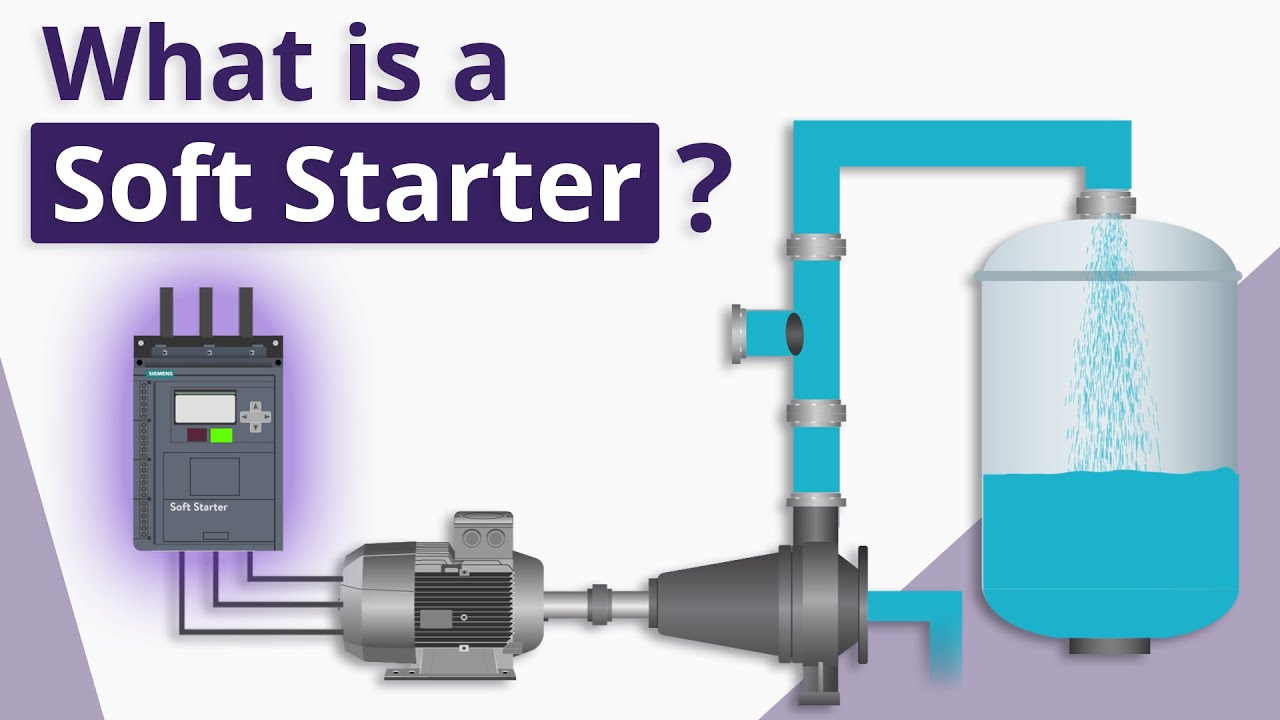
Video by RealPars. Watch What is a Soft Starter? (For Absolute Beginners) on YouTube.
RealPars introduces soft-starter operation. Use it to understand why acceleration and normal running are different parts of the duty. The video does not supply an NR1000 altitude curve, current correction or high-elevation approval.
Frequently asked questions
Is there one altitude derating percentage for every soft starter?
No. Use the exact model instructions and their stated operating range. Different constructions and reference conditions can require different methods.
Does choosing a larger starter solve every high-altitude restriction?
No. A larger current rating does not automatically resolve maximum altitude, voltage or insulation limits. Those boundaries require separate confirmation.
Does a built-in bypass remove the need for altitude review?
No. Review starting duty, the complete running path and the specified environmental limits. Bypass construction alone does not establish high-altitude suitability.