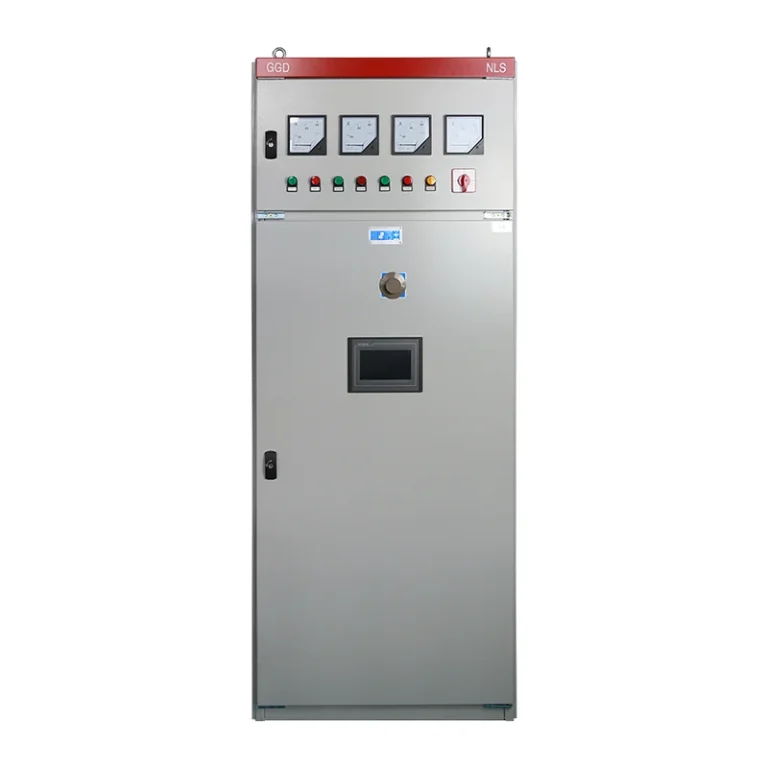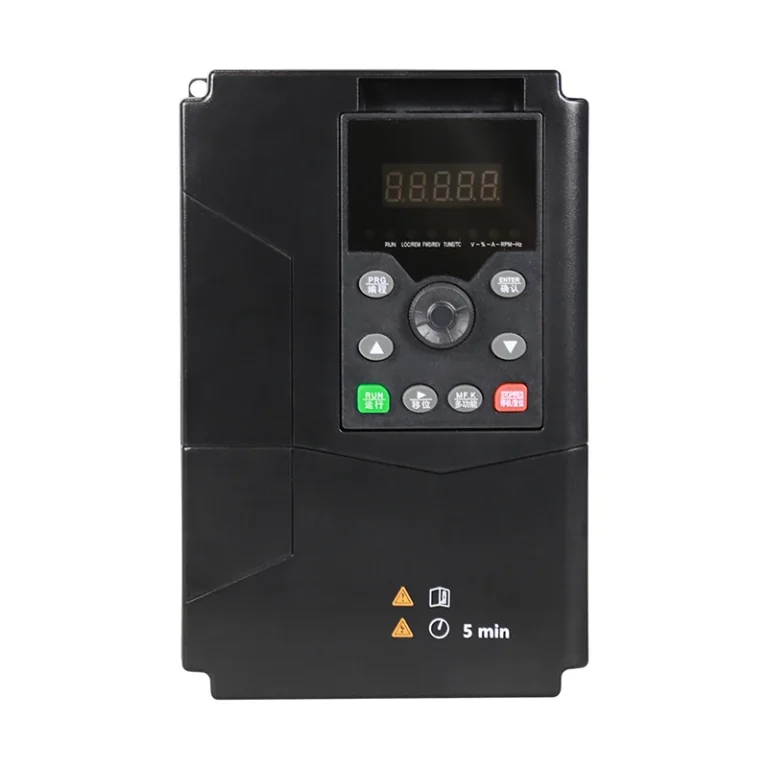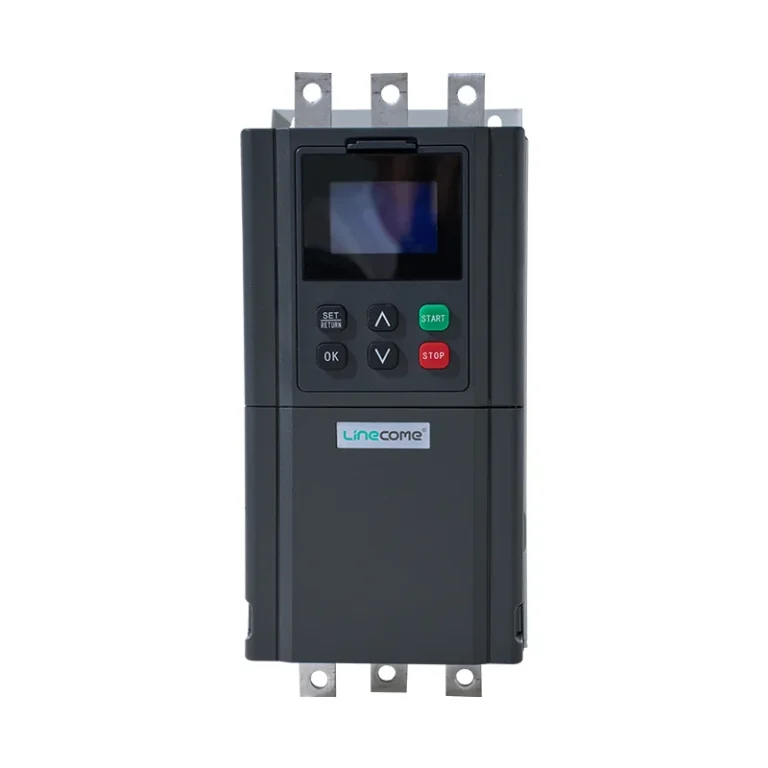

Vfd applications span every motor line where speed, flow, or torque must change during production—fans, pumps, conveyors, compressors, and packaged skids—not one load class hidden behind a single RFQ line item.
When procurement searches vfd applications in plural, they usually compare several industries and machines on one plant upgrade; the industry matrix maps use-case rows so each motor gets the right adjustable-speed story before you quote hardware.
Use the Variable Frequency Drive hub after you shortlist application rows. For load-class detail on a single motor (fan versus conveyor duty), see the published VFD application guide (singular); for inverter stages, see how a VFD works. Portfolio-level variable frequency drive (VFD) planning belongs in the industry matrix below—not in a mechanism tutorial.
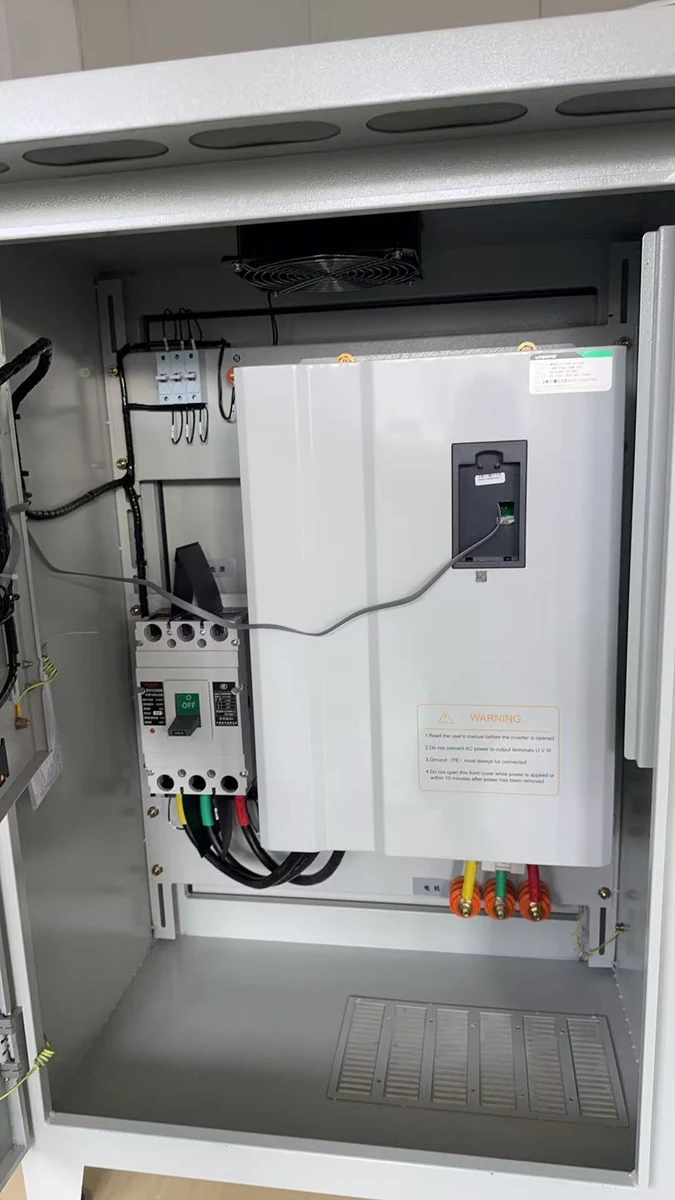 .
What “VFD applications” means when you have more than one motor
Plural vfd applications mean the set of motor jobs on a site—or inside one OEM machine—that benefit from adjustable frequency, not a single fan curve copied to every tag.
Plant upgrades often bundle HVAC fans, process pumps, and material-handling lines in one capital project; each row on the submittal should name industry context, load behavior, and whether speed ever changes in normal production.
If only one motor needs a load-class walkthrough, start with the singular VFD application article; return here when you need a cross-industry matrix for standards meetings or multi-discipline RFQs.
Industry and use-case matrix for VFD applications
The matrix below ties common variable frequency drive applications to industry context and a verification prompt—use it before you paste one drive SKU across unrelated motors.
Department of Energy material on adjustable-speed drives emphasizes matching motor speed to load requirements in fan and pump duty; manufacturing and water rows borrow that motivation only where throttling or flow curves actually change with production.
| Industry / segment | Representative use cases | Typical VFD application fit | Verify before RFQ |
|---|---|---|---|
| Discrete manufacturing | Conveyors, mixers, indexed lines | Strong when recipes need ramps or multi-speed | Mechanical overspeed, brake energy, encoder needs |
| Food and beverage | Washdown pumps, CIP circulation, packaging fans | Strong on variable-flow pumps and supply air | Enclosure washdown rating, minimum pump speed |
| Commercial HVAC | AHUs, cooling towers, chilled-water pumps | Strong when speed tracks load | Motor insulation, harmonic study on weak feeders |
| Water / wastewater | Lift stations, booster pumps, aeration blowers | Strong on diurnal flow curves | NPSH, minimum speed, bypass procedures |
| Agriculture / irrigation | Pivot pumps, grain handling fans | Mixed—pumps often fit; some augers fixed-speed | Duty cycle, outdoor enclosure, single-phase supply |
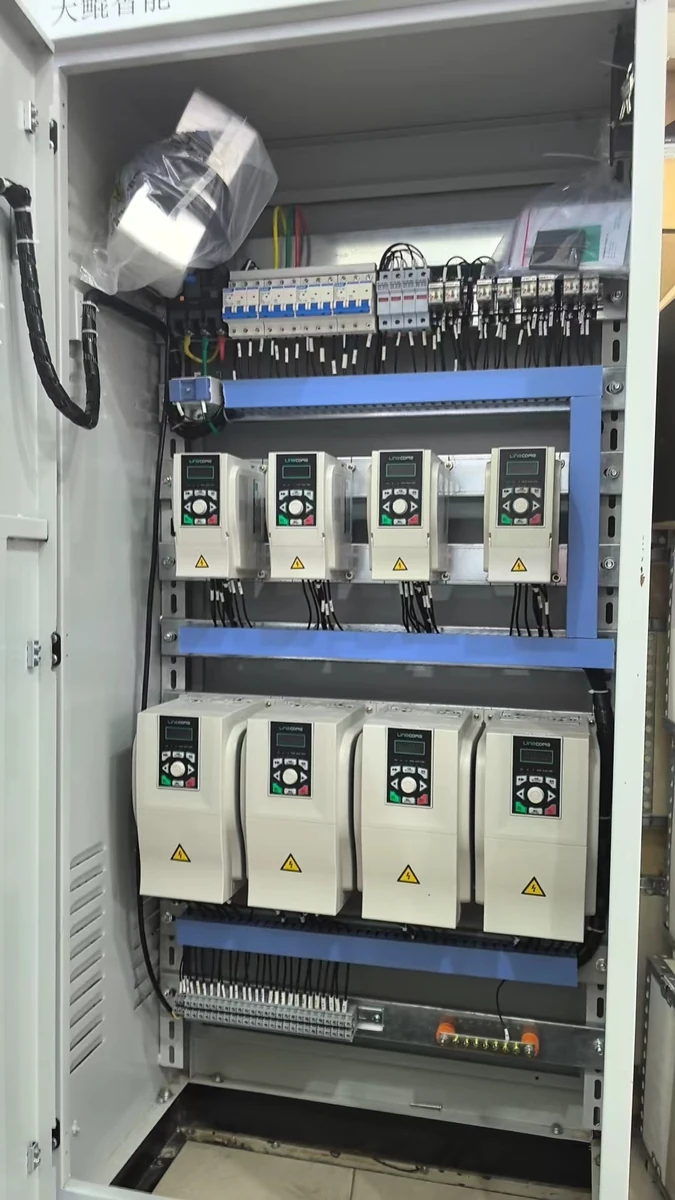 .
Manufacturing and material-handling VFD applications
Manufacturing vfd applications cluster on lines that stop, index, or change speed between recipes—conveyors, mixers, and coil feeds—not on every auxiliary motor at fixed RPM.
Open-loop vector modes on catalog drives help low-speed torque when nameplate data is entered, but they do not replace servo loops on high-performance positioning equipment.
Document spillage limits, emergency stop behavior, and whether operators need manual jog at low frequency before you lock a speed range in parameters.
Index lines often need an acceleration ramp that matches product transfer—not the same default as a fan curve. When a PID loop holds tension or level on a manufacturing line, confirm sensor range and who tunes the loop after startup; catalog PID is not a substitute for integrator acceptance tests on every industry row you mark “strong fit.”
HVAC and building-automation VFD applications
Packaged vfd applications in buildings still split supply fans, return fans, and hydronic pumps—each motor row should state whether speed follows static pressure, schedule, or valve position.
Integrators map BACnet or Modbus after wiring; the application decision (variable speed on this fan) precedes the protocol conversation.
Copying one paragraph across all three motors is how service teams inherit mismatched minimum speeds after turnover—tie each tag to a matrix row instead.
Fan/pump load rows in the matrix still dominate HVAC energy stories when dampers or valves throttle at full motor speed, but constant-volume legacy branches may remain on contactors until a retrofit justifies new drives. Mark those rows “weak fit” early so electrical estimators do not budget adjustable-speed hardware for tags that will never change speed.
Water, wastewater, and municipal VFD applications
Municipal variable frequency drive applications follow demand curves on lift stations and booster pumps, but written minimum speed and level alarms belong in the spec before the RFQ closes.
Treat harmonic planning as part of the application when the drive sits on a long rural feeder—advantages language lives elsewhere; here the gate is whether variable speed changes operator procedures.
Attach bypass contactor expectations and manual override steps when downtime during drive faults is unacceptable.
Aeration blowers and transfer pumps share variable-flow language on paper yet differ on minimum speed, motor cooling, and operator response when a drive faults during peak flow. Split them on the submittal even when one vendor supplies both drives—vfd applications documentation should read per motor, not per vendor package name.
Cross-industry boundaries: when VFD applications do not fit
Fixed-speed loads with no throttle, strict simplicity requirements, or unresolved motor compatibility may be better served by contactors or soft starters—not drives added by habit across the matrix.
Community discussion on variable-frequency drive articles repeatedly separates application payoff from harmonics, filtering, and cable-length limits—if those constraints block installation, the application portfolio shrinks before purchase.
Important: Portfolio mapping does not override nameplate reality—imported 50 Hz motors on 60 Hz plants belong in frequency-conversion guides, not a generic industry bullet.
Matching LNC610 and LNC820 drives — product fit across VFD applications
Public series pages give catalog anchors once industry rows are known; they do not replace motor full-load amps and voltage class matching on each tag.
For mixed vfd applications RFQs—fan/pump rows plus lighter conveyor duty—the LNC610 general-purpose VFD series lists wide output frequency range, V/F and open-loop vector (SVC), Modbus, and built-in PID on the public table.
The LNC820 general-purpose VFD series lists the same wide output frequency class with RS485 on overview copy and built-in braking unit availability on many kW rows—useful when deceleration energy appears on multiple matrix lines.
| Application theme from matrix | LNC610 (published page) | LNC820 (published series page) | Your project still verifies |
|---|---|---|---|
| Variable-flow pump rows | Built-in PID called out | PID where listed on series table | NPSH, sensor scaling, tuning ownership |
| Conveyor / mixer ramps | SVC and ramp time ranges on table | SVC on series table | Inertia, torque at low speed |
| HVAC fan on weak feeder | Modbus integration path | RS485 on overview copy | Harmonic study, filter budget |
| High-inertia deceleration | Braking unit not default on 610 | Built-in braking on many kW rows | Duty cycle, resistor if needed |
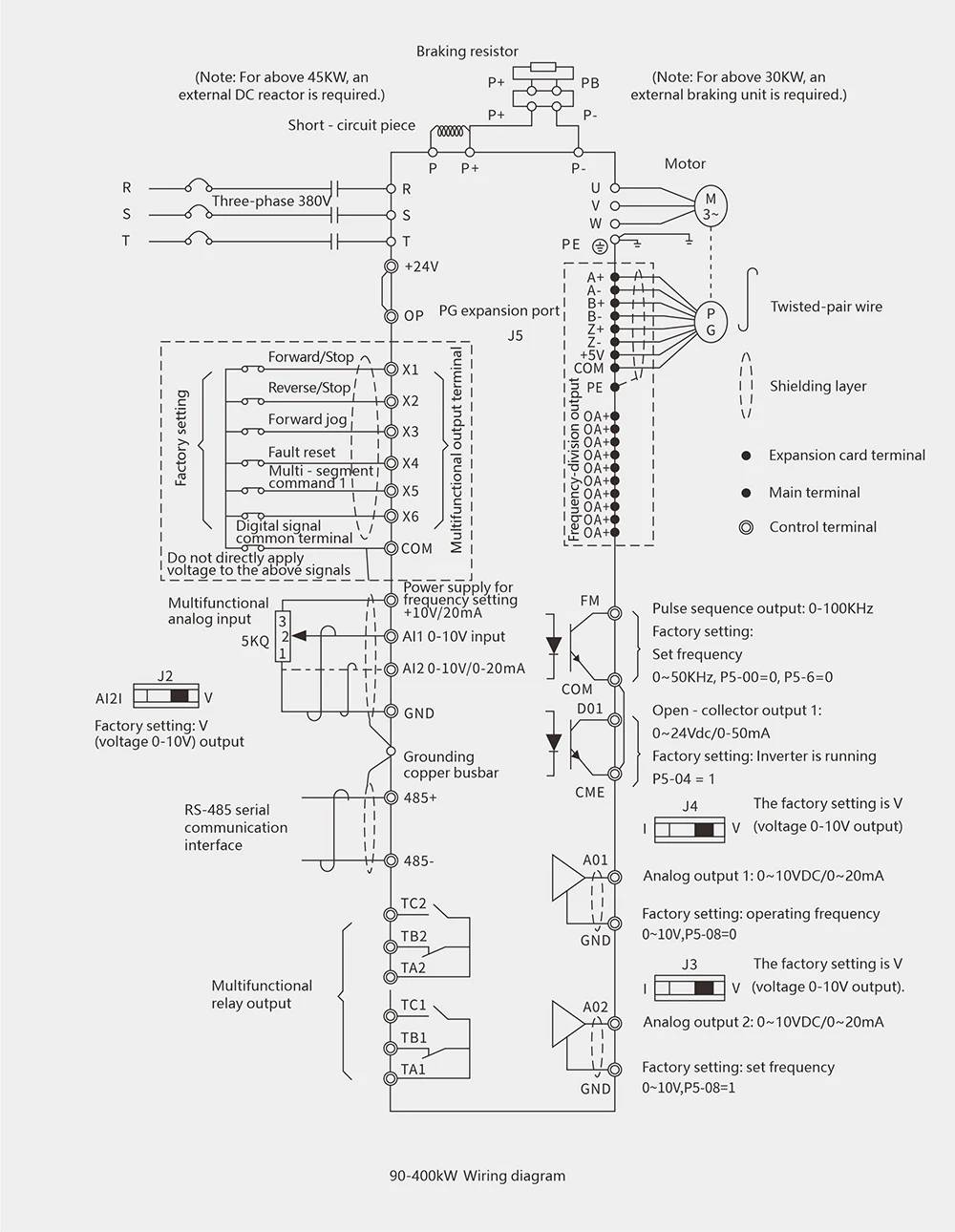 .
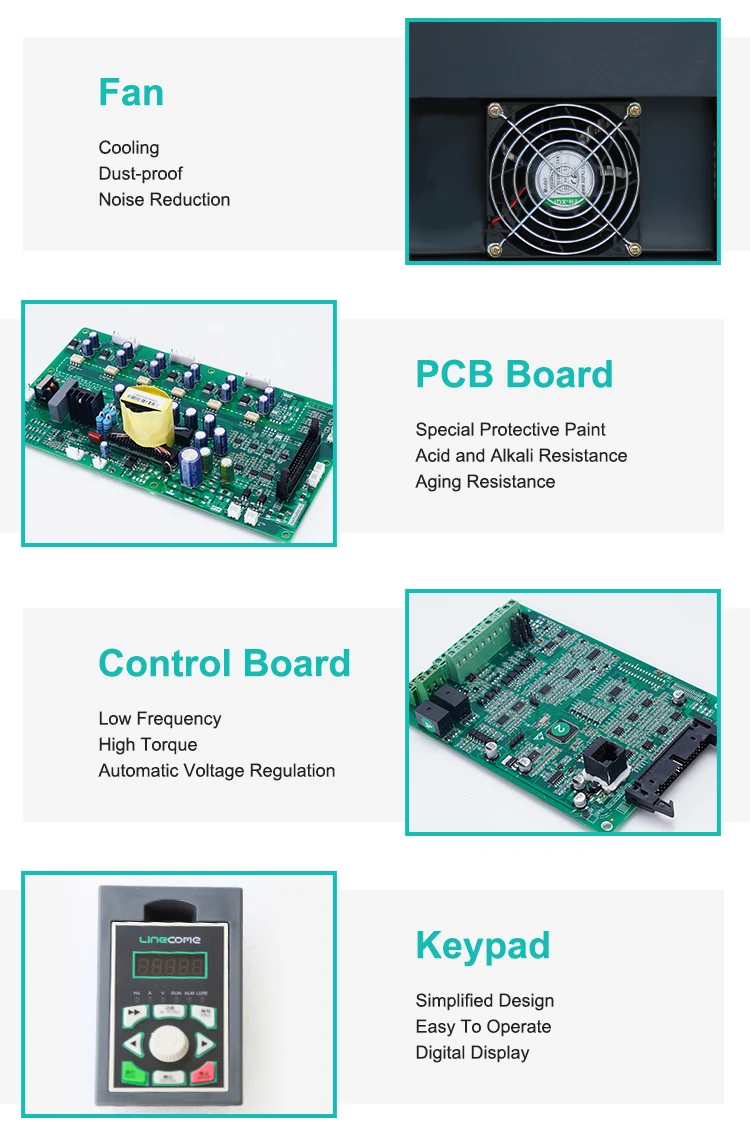 .
Share industry segment, motor nameplate photos, and whether each row is fan/pump or constant torque when you ask the supplier to confirm LNC610 versus LNC820 inside the published kW bands.
OEM program managers sometimes standardize one drive family across an entire catalog machine line; the matrix still demands a row-by-row review because a packaging fan, a coolant pump, and a transfer conveyor rarely share the same speed floor, enclosure, or braking duty. Note those differences on the RFQ attachment so electrical and mechanical reviewers sign the same variable frequency drive applications list before release.
Frequently Asked Questions
These answers stay at buyer level; field wiring belongs in the manual for the model you order. Treat each FAQ as a sign-off prompt for multi-discipline reviewers rather than a substitute for site-specific engineering on critical utilities or life-safety interlocks.
How is this different from the singular VFD application article?
The singular guide walks load classes (fan, pump, conveyor) for one motor decision. This plural guide adds an industry and use-case matrix for multi-motor capital projects and cross-discipline RFQs.
Do VFD applications always include HVAC and water on the same spec?
Only if those motors truly need variable speed in your process. Use the matrix to drop rows that stay fixed-speed and route them to soft-starter comparisons instead.
Can one VFD catalog row cover every industry row in the matrix?
No. Public tables describe family capabilities; each motor still needs voltage class, output current, enclosure, and duty matched to its nameplate.
Are manufacturing VFD applications the same as servo applications?
No. Many manufacturing lines need adjustable-speed induction motor control, not encoder-grade positioning. Escalate to servo specialists when repeatability requirements exceed open-loop vector limits.
Where do advantages of a VFD fit relative to applications?
Advantages explain payoff (energy, ramps, protection). Applications—plural or singular—explain where those payoffs apply. Read advantages of a VFD after you mark matrix rows as VFD candidates.
Does this page replace installation wiring guidance?
No. After applications are approved, use VFD installation for line-side, motor-side, and grounding planning.
References
External references support industry mapping and scope claims below.