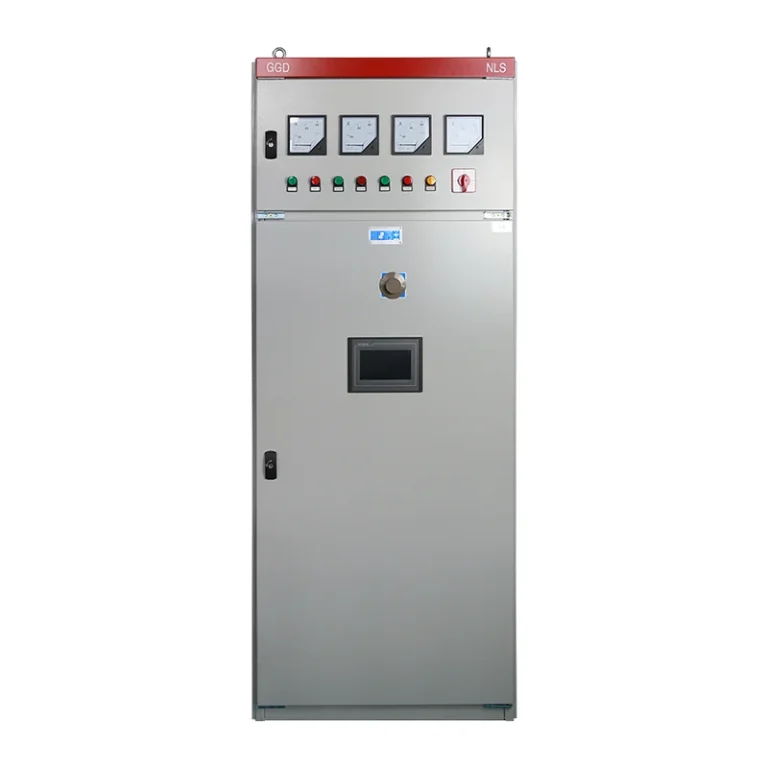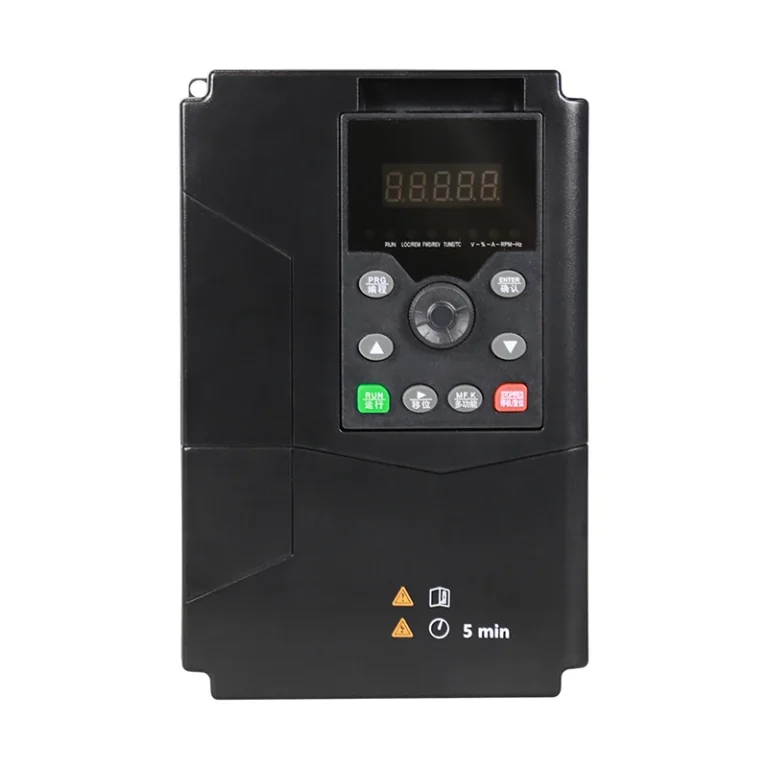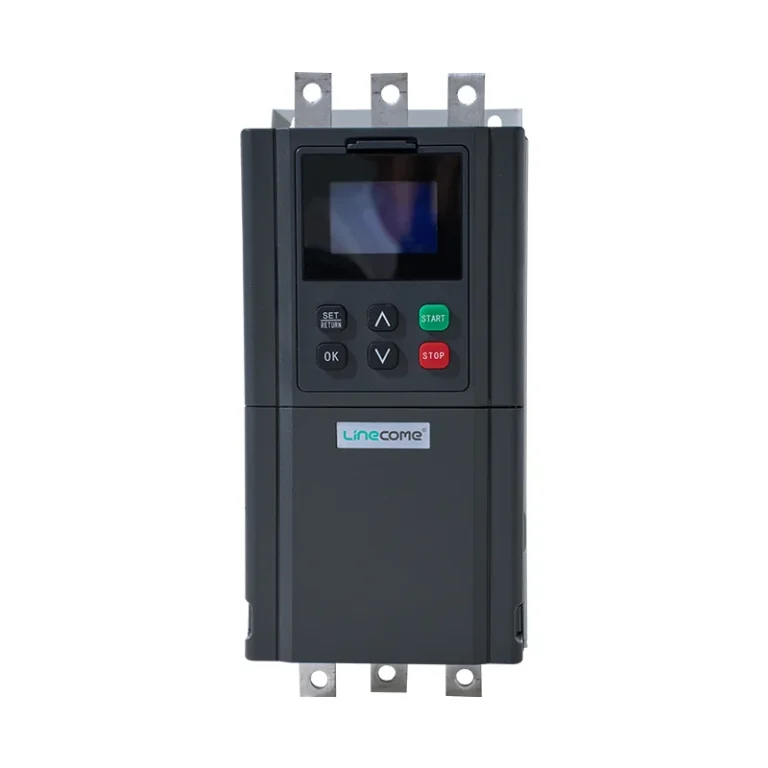

Installing a soft starter on a new motor branch is a buyer and integrator planning task—cabinet space, bypass strategy, motor full-load amps match, and commissioning handoff checklist—before electricians land line, load, and control on the starter terminals.
Project managers searching installing a soft starter often receive a purchase order line item without a sequence card. Terminal steps, grounding, and ramp commissioning live in soft starter installation—use that page for wiring diagrams; stay here for decisions that must be frozen before the panel shop cuts steel.
Confirm the device belongs on the tag using when to use a soft starter if selection is still open. Operating sequence detail sits in how a soft starter works once the BOM includes an SCR starter.
Link upward from the Soft Starter hub when you compare online versus cabinet families.
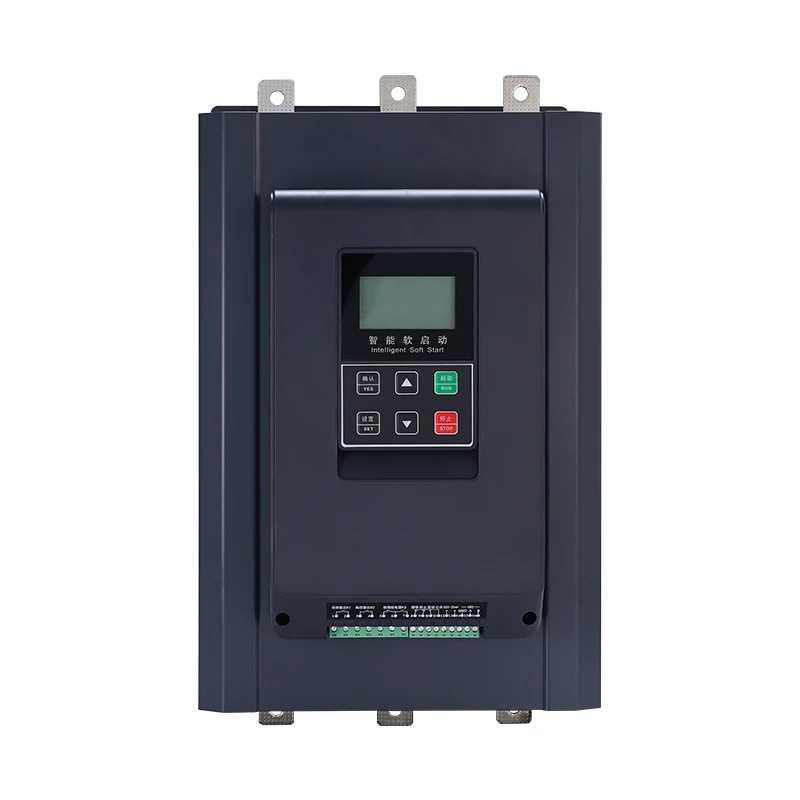
Treat installing a soft starter as a capital tag on the one-line: show bucket depth, bypass contactor layout, and handoff owner before procurement releases soft start panel install packages to fabrication.
 .
Installing versus wiring: scope before terminals
Installing a soft starter in procurement language covers physical placement, upstream disconnect coordination, bypass strategy, thermal class, and the commissioning package—not the same document as step-by-step lug torque sequences.
Wiring crews need the manufacturer diagram; buyers need proof that the chosen starter class matches motor voltage, duty, and expected starts per hour. Splitting those roles prevents change orders when a reactor start was assumed but an online SCR unit with external bypass was quoted.
| Role | Owns | Reads on vfdelec.com |
|---|---|---|
| Buyer / project lead | BOM, panel layout, handoff | This page + hub |
| Panel shop | Mounting, wire routing | Installation wiring guide |
| Commissioning | Ramp proof, bypass aux test | Installation + manual |
Tip: If the RFQ still says “install soft starter” without bypass notes, stop and confirm online versus bypass-cabinet SKU class before release to wiring—catalog photos are not interchangeable at the same amp frame.
Panel space, clearance, and thermal class for soft starter cabinets
Panel space for soft start panel install work must accommodate not only the starter chassis but also bypass contactors, line reactors if specified, and wire bending radius at line and load lugs. Soft starters dissipate less heat at run when bypass is healthy, but SCR sections still need airflow during repeated starts on hot afternoons.
Record minimum panel clearance and environment limits from the public manual for the ordered model, ambient temperature class, and whether the panel shares a filtered fan with other drives. Heat-stacked MCC buckets without intake planning are a common reason integrators derate or move to a larger frame.
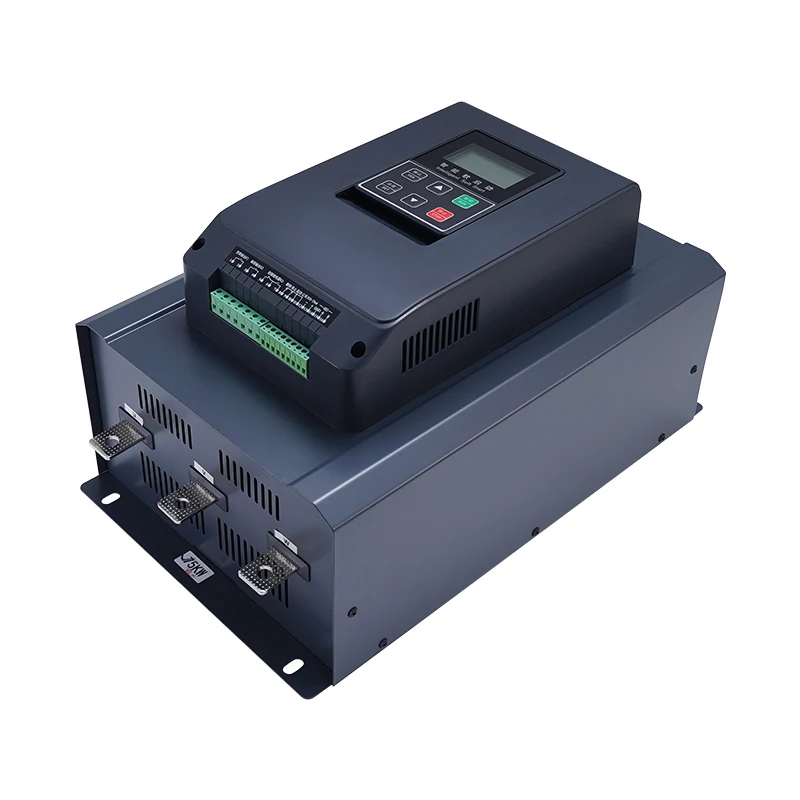 .
OEM skids should mark front-service versus side-service requirements on the layout drawing so crane access is not blocked by conduit entries chosen late in the build.
Bypass strategy: internal integration versus external contactor layout
An external bypass contactor is often specified when amp rating, heat, or serviceability rules require the contactor outside the semiconductor assembly—even though many online units integrate bypass internally at lower frames.
Decision inputs for bypass contactor layout include frame current, number of starts per hour, whether the plant standardizes spare contactors, and maintenance access in tight MCC lineups. Encyclopedia soft starter summaries note bypass at run as normal efficiency practice; your manual states whether bypass is internal, external, or optional kit.
Document the aux contact map for “bypass proved closed” on the handoff sheet—commissioning teams treat missing aux proof as a start inhibit, not a nuisance alarm.
Matching soft starter size to motor nameplate and duty
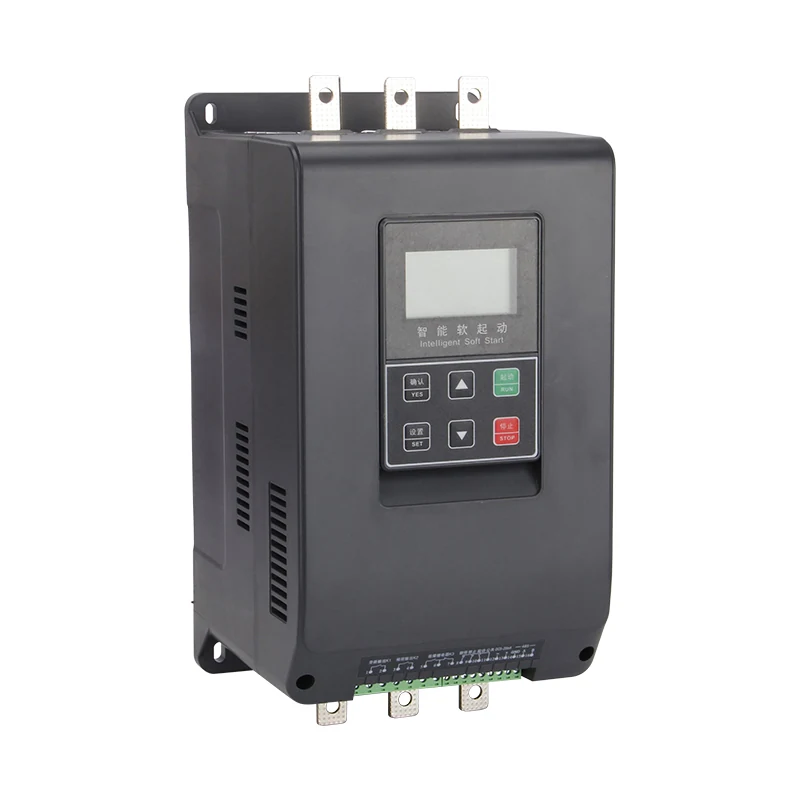
Match soft starter size to the motor using nameplate full-load amps, voltage class, service factor if applicable, and duty cycle—not breaker trip setting alone. Inrush mitigation does not remove the need for overload coordination documented in the manufacturer tables.
Compare insulation class and altitude derating if the motor serves high elevation sites. Pair with inrush context from independent references: controlled starting reduces stress but does not replace correct amp rating selection.
| Handoff field | Source on site | Why installers care |
|---|---|---|
| Motor FLA | Nameplate photo | Starter amp column selection |
| Expected starts/hour | Process owner | Thermal and bypass wear |
| Utility voltage tolerance | One-line | Under-voltage trip planning |
 .
If the motor already has a VFD elsewhere on site, do not assume the same cabinet depth—soft starter bypass layouts differ from DC-link drives.
Commissioning handoff checklist before wiring crews energize
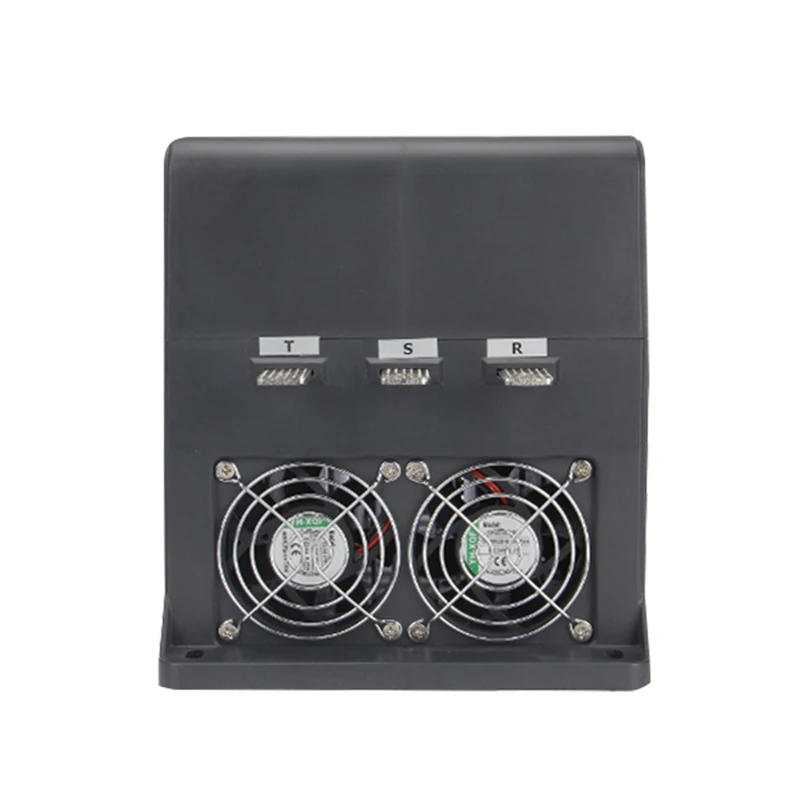
Commissioning handoff should leave wiring teams a single PDF or binder tab with: model and serial, ramp and current limit defaults, bypass aux wiring expectation, stop mode label, responsible integrator sign-off, and lockout owner.
Add photos of nameplate and disconnect location. Note whether harmonic filters or line reactors are not in scope unless the one-line shows them—prevents field improvisation that voids EMC planning. Include the integrator phone extension on the handoff cover sheet so wiring crews know who approves parameter tweaks during first start.
Schedule a joint walk with maintenance so alarm texts on the starter HMI match CMMS naming before first production start, and record commissioning handoff checklist sign-off dates in the same binder tab wiring crews receive.
 .
Mechanism questions after handoff—how ramp and bypass behave in run—belong in how a soft starter works for night-shift training, not in the wiring guide alone.
ZR800 online soft starter series — product fit for install projects
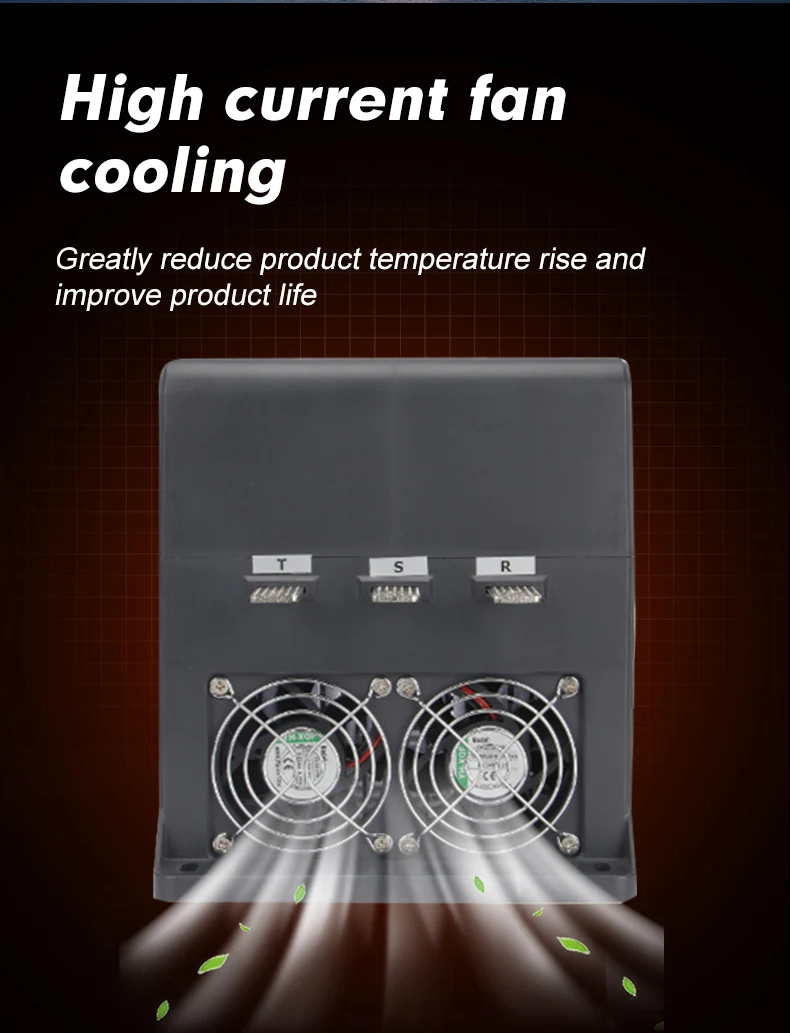
When the planning sections close, map the motor band to the public ZR800 online soft starter family rows instead of a generic “soft start” line on the PO.
The ZR800-18.5-90KW online soft starter series page publishes protection and monitoring bullets useful on handoff sheets—12 protection functions on the features list, monitoring themes, and 4–20 mA output with 0.5% linear accuracy on the features list.
| Public ZR800 handoff hook | Install project use | Field still verifies |
|---|---|---|
| 12 protection functions (features list) | Alarm mapping before energize | Motor data, bypass aux |
| Monitoring of current, voltage, phase sequence, frequency, runtime | CMMS tag list | Scaling, comms |
| Multiple kW band product URLs on site | Correct catalog row on PO | Enclosure, altitude |
 .
Issue the PO against the specific ZR800 row that matches nameplate kW and voltage, attach this handoff checklist, and only then release soft starter installation wiring tasks to the crew.
Multilingual plants should include alarm text translations on the handoff sheet so CMMS work orders match HMI fault strings after the integrator leaves site—misaligned text slows first-response during night shift.
Upgrade projects replacing reactor starts should document who owns removal of legacy impedance hardware in the one-line revision block; leaving unused reactors in series with a new online starter is a commissioning hazard that wiring guides alone will not catch.
Spare-part policies should list bypass contactor coil voltage separately from control power transformers—buyers who only stock SCR assemblies still face downtime when the contactor auxiliary fails prove-closed tests.
Capital projects should stamp a revision block when bypass strategy changes mid-build—internal to external bypass swaps affect panel depth, aux wiring, and spare contactor lists that estimators already released to the shop.
EPCM contractors benefit from separating installing a soft starter milestones on the schedule: approved one-line and handoff PDF, panel fabrication complete, wiring crew mobilized, then commissioning ramp proof—skipping the first milestone while calling the task installed creates punch-list fights at turnover.
Warehouse expansions sometimes reuse MCC buckets sized for contactors alone—buyers should revalidate panel clearance and environment tables when an online soft starter plus external bypass occupies more depth than the old DOL cell, even if the motor kilowatt rating on the nameplate stays unchanged.
Frequently Asked Questions
These answers cover buyer-side installing a soft starter decisions—terminal wiring steps remain on the installation guide linked below.
Is installing a soft starter the same as wiring it?
No. Installing covers planning, panel layout, sizing, and handoff; wiring covers landing line, load, control, and PE on the diagram in the installation guide.
What panel space does a soft starter need?
Enough depth for the starter chassis, bypass contactor if external, wire bend radius, and manual clearance for airflow—verify against the model manual before the panel shop fabricates.
When is an external bypass contactor required?
When the manufacturer layout or amp frame specifies external bypass for heat, service, or current rating—confirm on the exact SKU manual, not from a generic photo.
How do you match soft starter size to the motor?
Use nameplate full-load amps, voltage class, duty, and derating rules in the manufacturer table; branch breaker sizing does not replace starter amp column selection.
What belongs on a commissioning handoff checklist?
Model/serial, ramp and limit defaults, bypass aux map, stop mode, nameplate photos, integrator sign-off, and lockout owner before energize.
Where are terminal wiring steps documented?
On vfdelec.com in soft starter installation for terminal-level wiring and first-start ramp commissioning.