
Control cabinet cooling fan maintenance should verify the complete airflow path, not merely confirm that a fan rotates. Inspect the intake filter, exhaust path, fan condition and temperature-control function, then compare closed-door performance under a documented load and ambient condition. Use the installed fan and filter instructions to decide what can be cleaned and what must be replaced. Do not remove filter media or leave the cabinet open as a permanent overheating remedy.
This guide addresses routine maintenance of cabinets that use filtered ventilation. Closed-loop air conditioners and heat exchangers require their own procedures. Electrical access, measurements and functional testing must be planned by competent personnel using the actual cabinet drawings and equipment instructions.
Identify the cooling arrangement first
Begin with the cabinet identity, cooling equipment model and approved drawing. Establish whether outside air is intentionally drawn through filters, whether fans only circulate internal air, or whether a sealed cooling system transfers heat without exchanging cabinet air. These arrangements should not share one generic maintenance checklist.
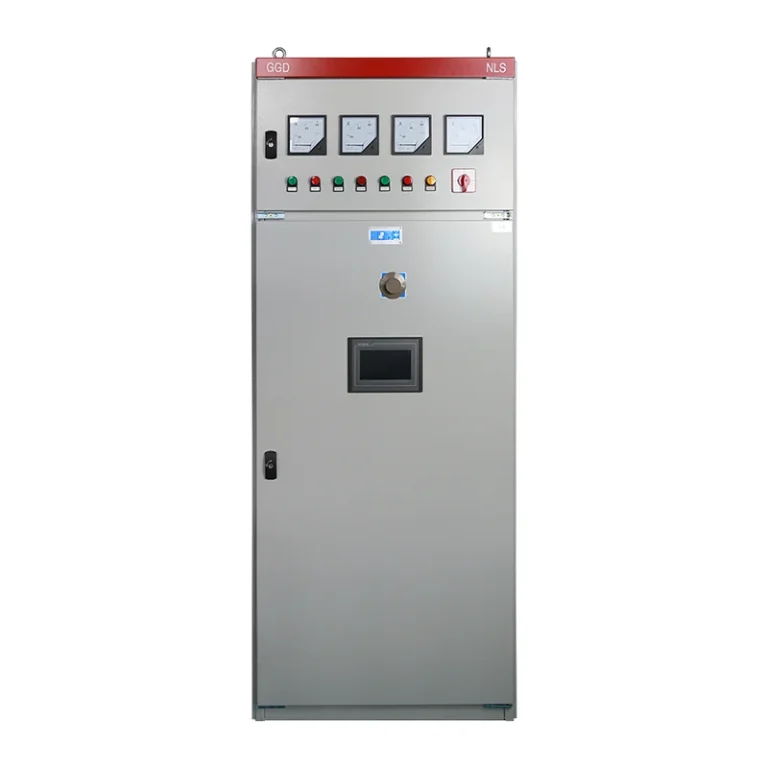
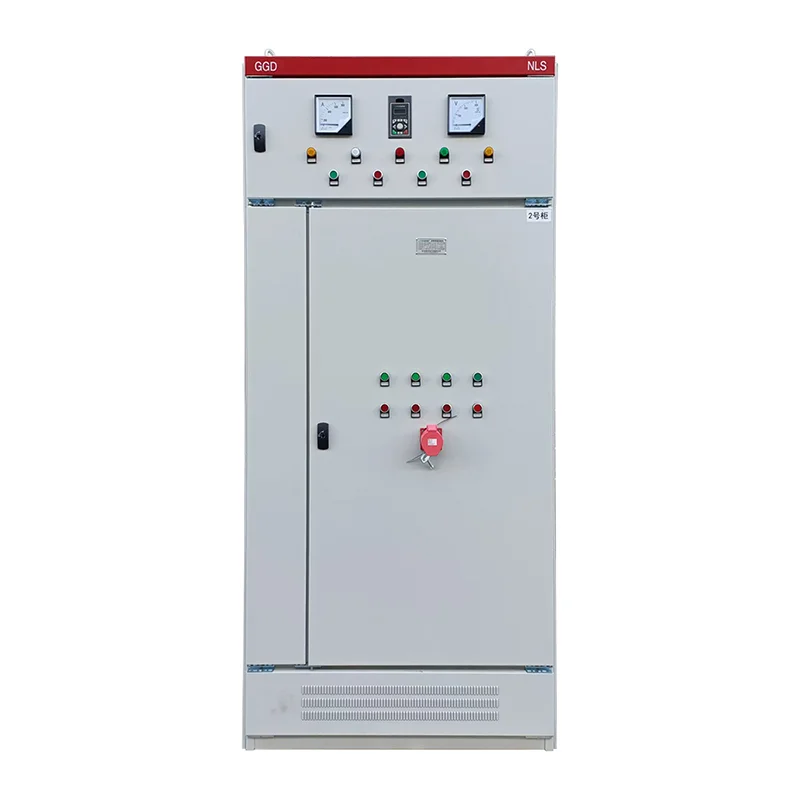
The LINECOME variable frequency control cabinet provides a relevant product context for motor-control equipment with heat-producing components. The catalog photograph does not establish the installed fan, filter class or airflow direction for a particular order. Obtain the as-built configuration and identify replaceable parts before creating a service schedule.
Inspect external access and surrounding clearance as well as the cabinet itself. A newly installed wall, stored packaging or adjacent machinery can obstruct the air path even when every internal component remains unchanged. Record the actual installation conditions so the maintenance team does not repeatedly replace a healthy fan while overlooking the restriction outside it.
Establish a baseline before there is a thermal alarm
A useful baseline includes ambient temperature near the actual inlet, cabinet temperature at defined locations, normal machine load and the state of doors and covers. Record the sensor locations. A reading beside a cool cabinet wall is not interchangeable with one near a heat-producing device or the incoming ventilation stream.
Compare observations under similar operating conditions. A temperature reduction after maintenance is difficult to interpret if the process load also fell or the workshop became much cooler. Where repeat conditions are not available, document the differences rather than attributing the entire change to the new filter.
Keep the original thermal design limits and component instructions available. A universal cabinet temperature is not appropriate for every collection of devices, spacing arrangement and ambient environment. If no approved limits can be found, arrange an engineering review rather than inventing an alarm threshold from the maintenance team’s preferred room temperature.
Inspect filters and the complete exhaust path
Identify every intended inlet and outlet. Check the filter for dust loading, damage, poor seating and missing media. Review the grille, seals and retaining arrangement. A new filter installed with gaps around its edges can allow contaminated air to bypass the media even though the maintenance record says “filter changed.”
Inspect the exhaust restriction too. Cleaning only the inlet may leave the limiting blockage untouched. Check for dirt behind covers, accidental obstruction and a change in airflow caused by previous repairs. Do not assume direction from fan sound. Use the installed equipment documentation and a suitable verification method selected for the site.
The Queensland regulator’s guidance on dust ingress into electrical enclosures provides a useful reminder that enclosure integrity and contamination control require attention together. Its mining context does not establish the protection rating of another cabinet. Any changed grille, seal or filter must be reviewed against the actual enclosure requirements.
Make cleaning a controlled task
Plan maintenance access before opening a cover or removing media. HSE’s maintenance guidance emphasizes competent work, manufacturer instructions and safe isolation. Identify both electrical hazards and moving fan blades, along with any separate supplies that can energize the cooling equipment when the main machine appears stopped.
Follow the filter instructions for replacement or permitted cleaning. Some media are intended to be disposable; other products allow a defined cleaning process. Do not assume a compressed-air blast, solvent wash or water rinse is acceptable. Cleaning that deforms the media, damages seals or introduces moisture can create another fault while apparently removing dust.
Control the removed contamination so it does not enter the cabinet or nearby equipment. Inspect the retaining cover and seals before refitting. Use the correct replacement identity and fit, not merely a sheet of material that occupies the same space. Changes to filtration can affect both contamination entry and airflow, so record substitutions for engineering approval.
Inspect the fan without confusing rotation with cooling
A spinning rotor does not prove that air reaches the components that need it. Review abnormal noise, vibration, visible damage and the condition of accessible mounting parts under the approved inspection procedure. Check the fan supply, control and rated identity where the responsible technician determines that electrical testing is needed.
Look for unintended short circulation paths. Air may enter and leave through nearby openings without passing the equipment that creates heat. Wiring bundles or added components can block a previously clear route. These observations justify reviewing the internal layout; they do not authorize moving equipment or drilling new vents without design approval.
Inspect thermostat or controller operation according to its instructions. Record the intended control behavior and observed response. Do not lower a setting simply to make a fan run continuously unless that change has been evaluated. Continuous operation can conceal a failed control function and does not resolve unsuitable ambient conditions or a blocked path.
Use a maintenance decision table
The table below is a planning checklist based on safe maintenance practice, contamination control and OSHA’s electrical installation requirements concerning cooling access and equipment condition. It is not a substitute for product-specific service limits.
| Observation | Evidence to save | Maintenance decision | Verification after work |
|---|---|---|---|
| Filter visibly loaded | Media identity, condition and service interval | Replace or clean only as permitted | Correct seating and restored airflow path |
| Fan rotates but cabinet remains hot | Load, ambient, temperatures and path inspection | Investigate restrictions and layout | Closed-door performance under recorded conditions |
| Fan does not run when expected | Controller state and qualified electrical findings | Repair the identified supply, control or fan issue | Intended control sequence and airflow |
| Dust appears inside despite a new filter | Seals, cable entries and media fit | Locate the ingress path | Enclosure restored to the approved arrangement |
| Noise or vibration has increased | Fan identity and inspection findings | Apply the installed equipment’s replacement criteria | Secure mounting and normal operation |
| Temperature rises after a process change | Added heat sources and duty history | Review cooling capacity and design | Acceptance against approved component limits |
Set intervals from conditions and evidence
A fixed interval copied from a clean office installation may be unsuitable in a dusty production area. Begin with the installed equipment instructions and the site’s exposure conditions. Record how quickly the media becomes loaded and whether cooling performance changes before the next planned inspection. Use that evidence to refine the schedule.
Separate inspection, media replacement and fan replacement tasks. They need not occur at the same frequency. Access constraints, shutdown opportunities and the consequences of losing ventilation also affect the maintenance plan. Where alarms or condition monitoring exist, define who responds and what action is required; an alarm that nobody owns does not provide an effective maintenance strategy.
Increase attention after construction work, nearby grinding, seasonal dust or process changes. These conditions can alter contamination or heat load without changing the cabinet’s nameplate. Keep the event in the maintenance history so an unusual short filter life is investigated as a changed environment rather than treated as random component failure.
Recognize when routine maintenance cannot solve overheating
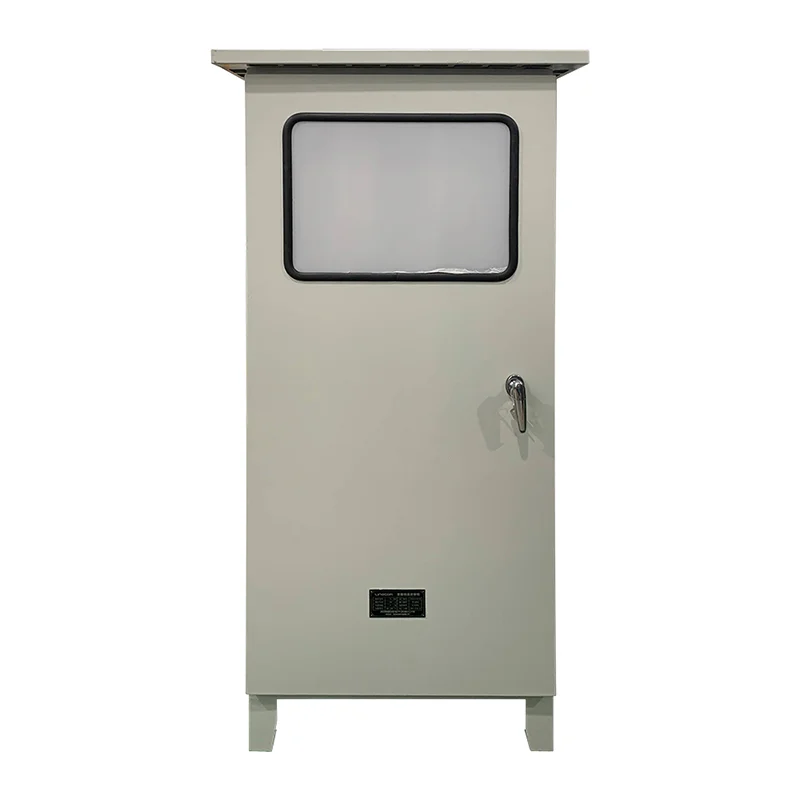
Filtered ventilation uses the surrounding air as its cooling source. It is not refrigeration. If ambient conditions or internal heat generation fall outside the approved design, a clean filter and healthy fan may still be insufficient. Record the operating conditions and request a cooling review rather than repeatedly fitting larger fans without evaluating the system.
A different cooling method may be needed where contamination, corrosive atmosphere or enclosure protection requirements conflict with exchanging outside air. Our cabinet heat-exchanger guide discusses that broader design context. It addresses equipment selection; the present checklist focuses on maintaining the installed ventilation system and identifying when it needs review.
Moisture is another separate issue. Condensation may occur because of changing temperatures and humidity, and increasing ventilation is not a universal remedy. Use the control cabinet condensation guide when the evidence includes water droplets or damp surfaces. Preserve the distinction so a moisture problem is not misreported as a simple dirty-filter problem.
Verify the closed cabinet before returning it to service
Confirm that tools and cleaning materials are removed, covers and filters are correctly fitted, and the cabinet has been restored to its approved state. Include the fan and control checks in the authorized functional test. Do not declare success only because the interior feels cooler with the door open.
Operate under a documented, representative load long enough to evaluate the intended behavior under the approved test plan. Record ambient conditions, temperature locations, fan-control state and observed trends. Where the actual worst condition cannot be reproduced, state that limitation and define the follow-up monitoring or engineering action before unrestricted release.
A service report should name the parts used, observations before and after work, any changed settings and the next inspection date. For new or modified cabinets, add cooling and access checks to the cabinet FAT checklist. A documented acceptance point makes later maintenance comparisons much more useful than an initial handover that records only “fans working.”
Further learning: why airflow carries heat
The Cal Poly Pomona lecture below introduces conduction, convection and radiation. Its convection section explains the physical background to moving heat with air. It does not specify a filter type, airflow quantity or service interval for a LINECOME cabinet; those decisions require the installed equipment data and actual operating conditions.
Video by CPPMechEngTutorials. Watch Heat Transfer (01): Introduction to heat transfer, conduction, convection, and radiation on YouTube.
Frequently asked questions
How often should control cabinet filters be changed?
Start with the installed filter instructions and site conditions, then refine the interval using observed loading and cooling performance. Dust exposure and process changes can justify earlier inspection. There is no single replacement interval suitable for every cabinet.
Is a rotating fan proof that cabinet cooling is adequate?
No. The inlet, exhaust and internal air path may still be restricted, or the ambient and heat load may exceed the design basis. Verify airflow and closed-door temperatures under documented operating conditions against approved limits.
Can I remove the filter to reduce overheating?
Do not use missing media as a permanent remedy. It changes contamination protection and the approved airflow arrangement. Restore the correct filter and investigate restrictions, fan performance, ambient conditions and heat load before approving design changes.