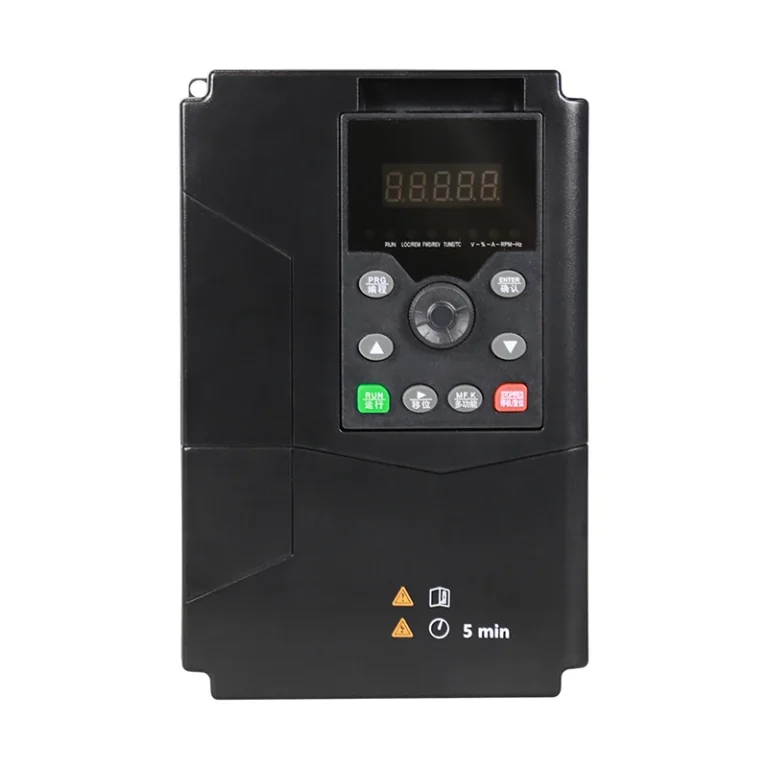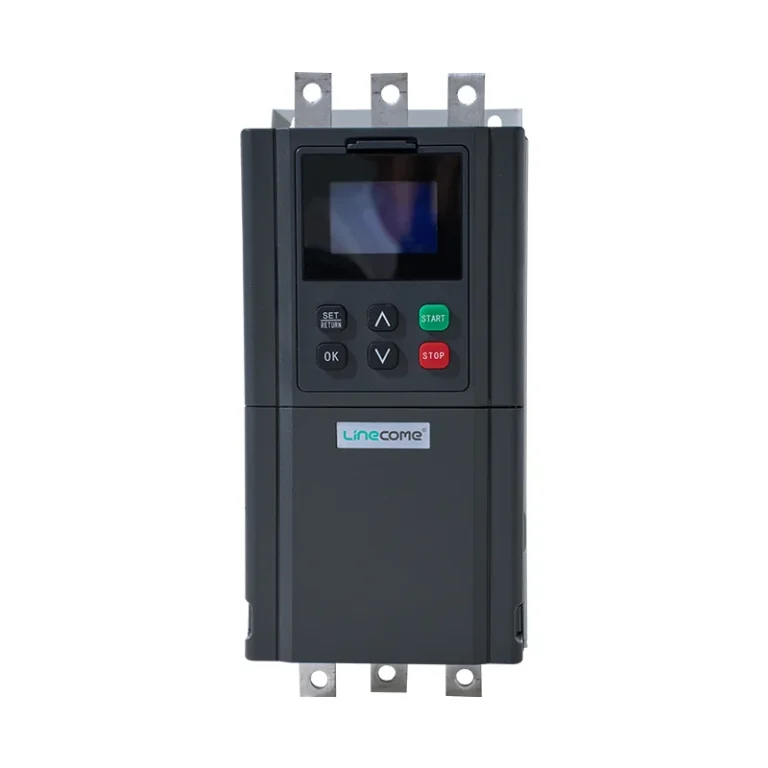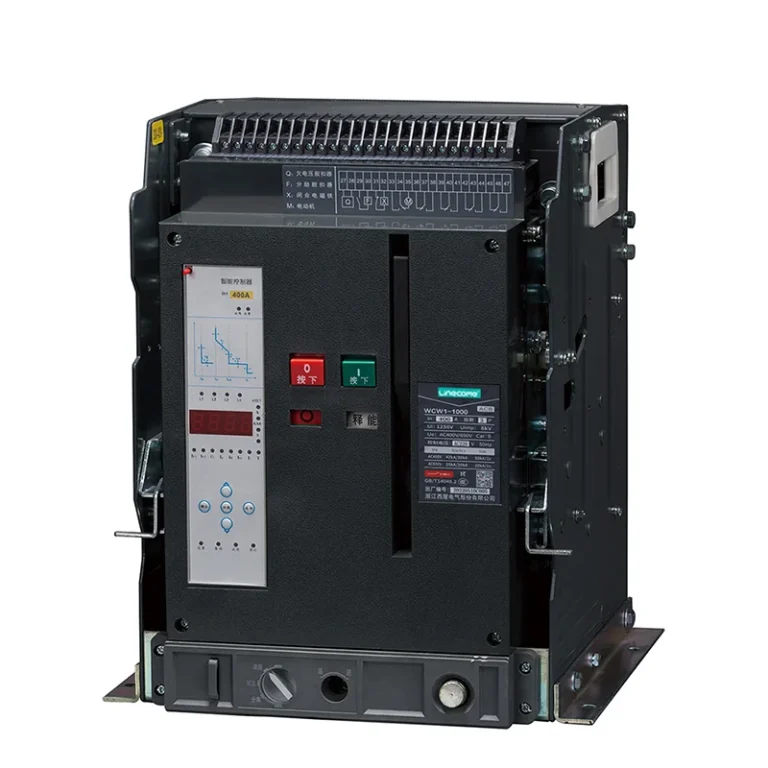

A control cabinet IP rating should describe the protection provided by the complete enclosure in its specified installed condition. Choose the requirement from actual dust and water exposure, then verify doors, cable entries, ventilation and accessories against that requirement. A photograph, an empty-box declaration or a rated cable gland alone does not prove the finished cabinet’s rating. Record the exact configuration and the supporting evidence before approving a quotation or accepting changes made on site.
This guide explains the enclosure boundary and the questions buyers should ask. It does not assign a protection code to any pictured LINECOME cabinet, prescribe a universal outdoor rating or replace project-specific electrical and environmental design.
Describe the environment before choosing a code
Start with where the cabinet will stand and what can reach it. A clean indoor electrical room, a dusty workshop and an exposed pump installation present different conditions. Describe cleaning methods, airborne material, possible splashing, rainfall, direct sunlight and the space available for maintenance. Avoid reducing that description to the single word “outdoor.”
Separate normal exposure from unusual events. Routine hose cleaning is different from accidental leakage or flood risk. Ask the process owner which events the enclosure must withstand and which require a separate protective arrangement. State whether doors are expected to remain closed during operation and how operators interact with controls.
The requirement should name a protection boundary: the cabinet exterior, a separate compartment or an internal device. Otherwise a supplier may quote a component rating that does not answer the buyer’s question about the complete assembly.
Understand what the two digits describe
The IEC publication for IEC 60529 identifies the standard as the classification of protection provided by enclosures. In practical discussions, the first characteristic digit concerns access and solid foreign objects, while the second concerns water ingress under specified test conditions. Read the two parts separately instead of treating the code as one overall quality score.
The RealPars IP-rating explanation introduces these two groups and common terminology. A larger-looking code should not replace a review of the actual exposure and verification conditions. Where a proposed substitution relies on a different water test, ask the designer to confirm that it addresses the required exposure.
Do not interpret an IP code as a promise of suitability for every chemical, temperature, corrosion condition or hazardous location. Those questions need their own specification and evidence. Keep the enclosure code within its defined scope.
Identify the complete cabinet configuration
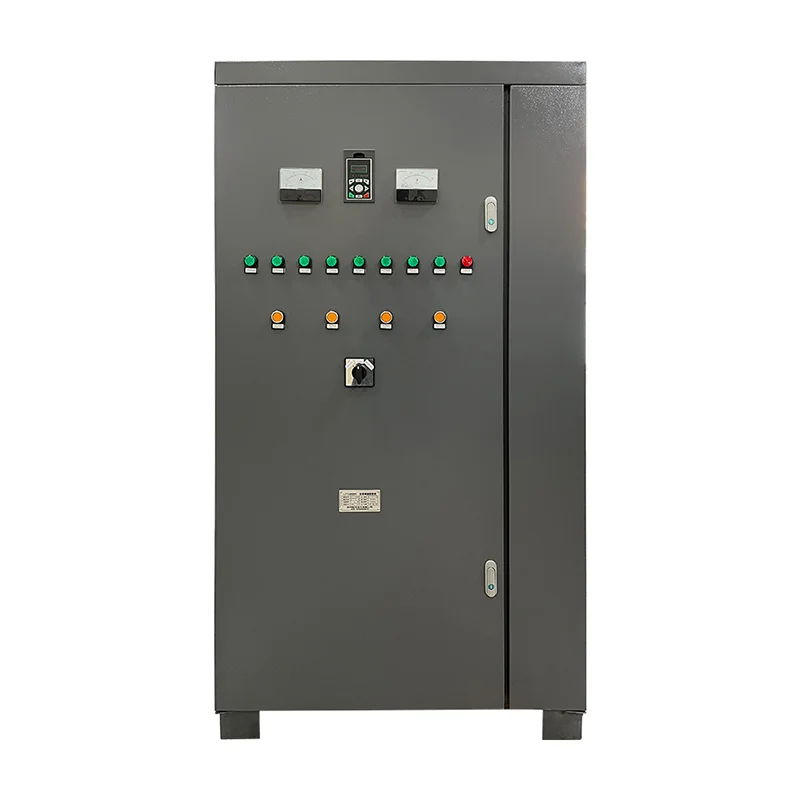
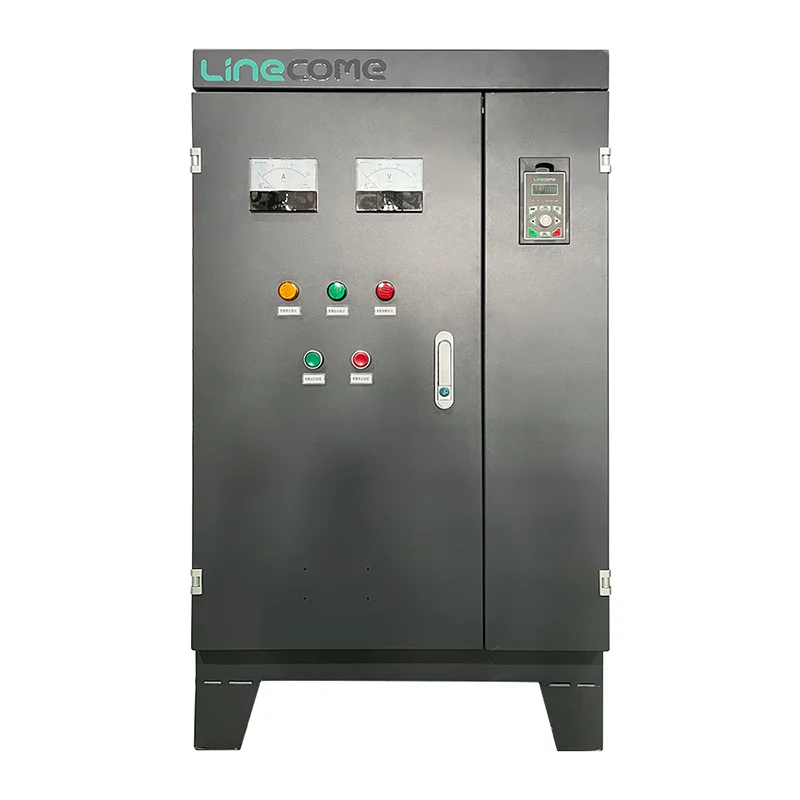
For a LINECOME pump control cabinet, request a drawing of the delivered enclosure with every external opening identified. Include door-mounted controls, windows, cable-entry plates, ventilation equipment and any connection point that crosses the boundary. The product photograph is useful for recognising construction, but it cannot verify a final rating.
Ask whether the evidence describes an empty enclosure or the completed cabinet with its actual accessories. Record model identifiers and relevant installation instructions. A component can be appropriate in one mounting arrangement and unsuitable in another, so the part name alone is not a complete acceptance record.
Use the broader PLC cabinet overview for the controls inside an automation cabinet. Internal control architecture and external ingress protection are related design decisions, but one does not establish the other.
Review cable entries as part of the boundary
Prepare an entry schedule showing the number and type of cables, their outside dimensions and the proposed entry system. Ask the supplier to identify the applicable cable range, mounting details, unused-entry closures and installation instructions. A gland selected by nominal thread size alone may leave important compatibility questions unanswered.
Trace each entry on the drawing to the actual delivered item. Check whether an installer must drill additional holes at site and who will approve those changes. If a cable is replaced later, the replacement record should address whether the entry system remains suitable for the new cable and installation.
These are documentation and inspection questions, not instructions to improvise sealing. Qualified installers should follow the approved accessory and enclosure instructions. Where the specified arrangement cannot be achieved, obtain a reviewed modification rather than treating extra sealant as evidence of the original rating.
Account for ventilation and cooling accessories
A cabinet may need to reject substantial heat while also meeting environmental requirements. Ask the supplier how the selected cooling method and its external openings fit the complete enclosure declaration. A sealed-looking door does not answer the question if a fan or filter creates another path across the boundary.
Record the exact ventilation assembly, replacement filter identification and maintenance access. Ask whether the stated condition assumes a particular accessory, installation orientation or service state. Preserve that information with the cabinet drawings so maintenance personnel can order a compatible replacement.
For service planning, our cabinet cooling-fan maintenance guide addresses airflow and maintenance evidence. An ingress-protection review should coordinate with that work, while keeping the environmental declaration and the thermal design as separate deliverables.
Keep ingress protection separate from condensation
External water ingress and moisture condensing inside a cabinet are different mechanisms. An enclosure declaration does not remove the need to assess internal moisture, temperature changes and the installation’s operating pattern. State whether the cabinet may remain unpowered during humid storage or undergo large changes between day and night conditions.
The NEMA 250 scope document explicitly identifies internal conditions and entry through conduit or unsealed openings as issues outside the protection covered by that scope. This is a useful reminder to write the moisture-management requirement separately rather than assuming a label covers it.
Use our control-cabinet condensation guide for that separate assessment. Do not add a heater, drain or breather without checking how the approved component and installation affect the overall enclosure arrangement.
Use a practical quotation and inspection table
The following original checklist organises the evidence to request. It deliberately avoids prescribing numerical ratings, test pressures or installation torques. Those values belong to the applicable standard, verified product documents and project specification.
| Review area | Ask for before purchase | Check against the delivered cabinet |
|---|---|---|
| Environment | Written exposure and cleaning description | Location and cleaning procedure still match |
| Protection boundary | Identified enclosure or compartment | Evidence covers the intended finished boundary |
| Door and controls | Approved gasket, closure and accessory arrangement | Installed components match the drawing |
| Cable entries | Entry schedule and accessory instructions | Actual cable and closure details agree |
| Cooling | Cooling arrangement and environmental evidence | Fan, filter or heat exchanger is the specified item |
| Site modifications | Named approval process | Added holes or accessories have reviewed records |
| Handover | Configuration, limitations and maintenance documents | Operator can identify approved replacement parts |
Use the table during a document review first. Resolve conflicting descriptions before requesting a final inspection. A neat cabinet that lacks traceable configuration evidence remains an open documentation issue even when no obvious defect appears in a photograph.
Do not replace a NEMA requirement with a conversion guess
Some projects specify a NEMA enclosure type, while others specify an IP code or both. Ask the responsible designer to identify the applicable framework and evidence. Do not convert the requirement by choosing the nearest number from an informal comparison chart and then removing the original condition from the purchase order.
NEMA types cover defined environmental conditions and are not a simple numerical ladder matching the two IP digits. If a contract calls for a particular enclosure type, obtain the relevant declaration for the delivered configuration. An IP statement may still be useful supporting information, but it should not silently substitute for the specified requirement.
Keep hazardous-location classification separate. A cabinet’s ingress code alone is not approval for a location with a potentially explosive atmosphere. Refer that part of the project to the applicable design and equipment documentation.
Inspect safely without improvising a water test
Use an approved inspection plan to compare the delivered cabinet with its drawings and instructions. Document gasket condition, door closure, entry plates, unused openings and the installed accessory identifiers where these checks are relevant. Record discrepancies with photographs and a clear location reference.
Do not spray, immerse or otherwise expose an energised cabinet as an improvised acceptance test. Any formal verification needs the appropriate method, preparation, authority and equipment. A factory functional test of controls does not prove ingress performance, and a site visual inspection does not reproduce a standards test.
If installation damage or an unapproved opening is found, preserve the original evidence and record the proposed repair. Ask for confirmation of the accepted final configuration before closing the issue. The record should explain the decision rather than merely attaching a new label.
Preserve the rating evidence during maintenance
Make the enclosure drawings and accessory list available to the people maintaining the cabinet. Identify which replacement items affect the boundary and where their instructions are stored. A technician replacing a broken door control needs more than a matching diameter or a similar appearance.
Include a simple change record: what was removed, what was installed, who reviewed it and which supporting document applies. Update the configuration drawing after accepted modifications. This keeps the enclosure evidence connected to the equipment that remains in service rather than only to its original factory state.
For an enquiry, send LINECOME the site exposure description, intended controls, cable-entry needs, cooling requirements and required protection framework. Ask for a documented proposal for that configuration instead of requesting a generic “waterproof cabinet.”
Watch an introduction to IP terminology
The RealPars educational lesson below explains the code terminology. It helps purchasing and engineering teams discuss a specification; it does not certify a cabinet or establish the performance of the products pictured in this article.

Video by RealPars. Watch What is IP Rating? (Ingress Protection Rating) on YouTube.
Frequently asked questions
Can a cabinet’s IP rating be confirmed from a photograph?
No. A photograph can support identification and visual inspection, but the rating requires evidence for the specified configuration and conditions. Include entries, doors, controls, cooling accessories and installation details in the review.
Does a rated cable gland establish the whole cabinet rating?
No. The gland is one part of the boundary. Its suitability and installation must be checked alongside every other opening and the complete enclosure arrangement.
Does an IP code prevent internal condensation?
Do not make that assumption. Assess internal moisture and temperature changes separately, and review any proposed moisture-control accessories against the approved cabinet configuration.