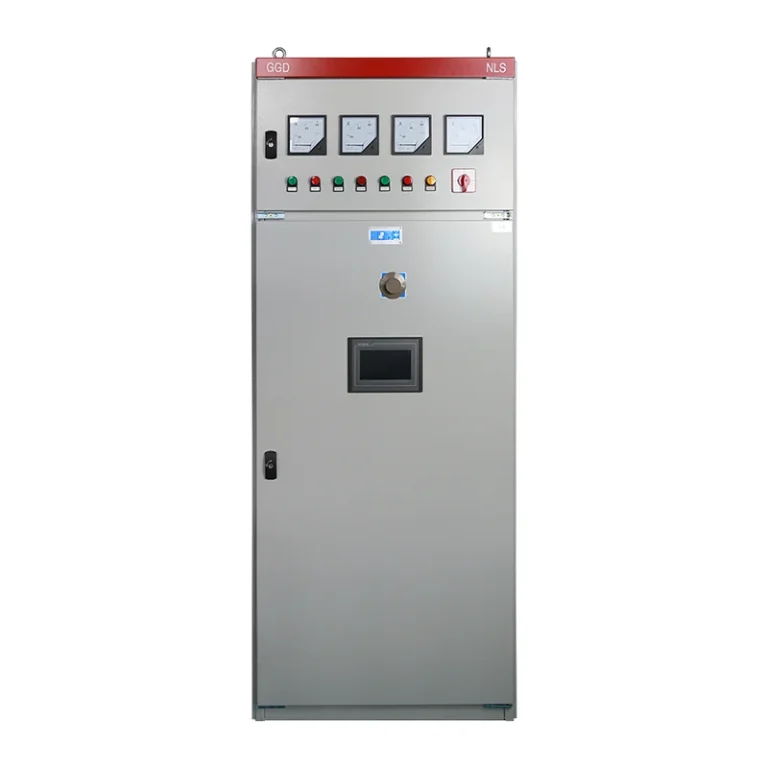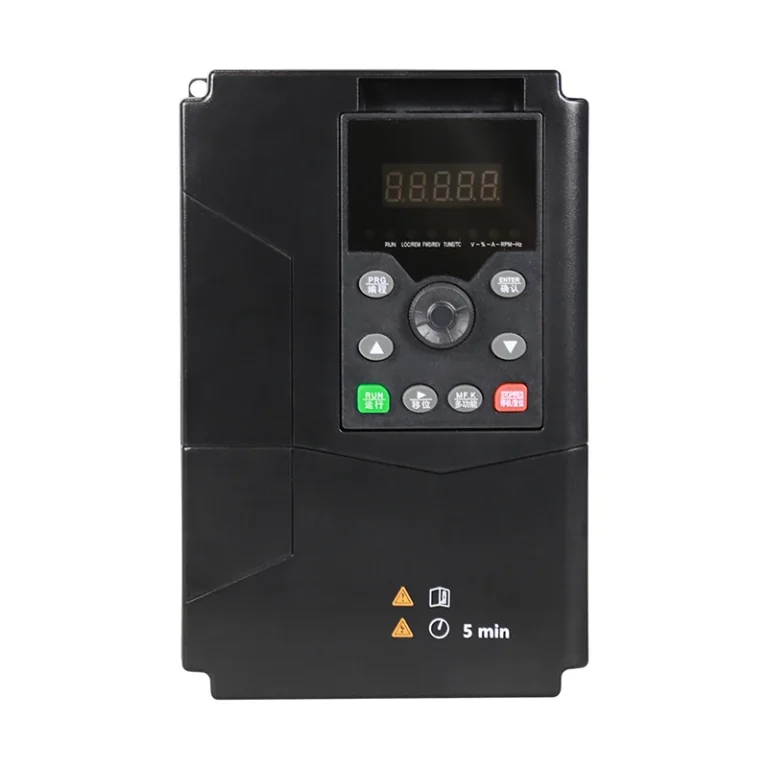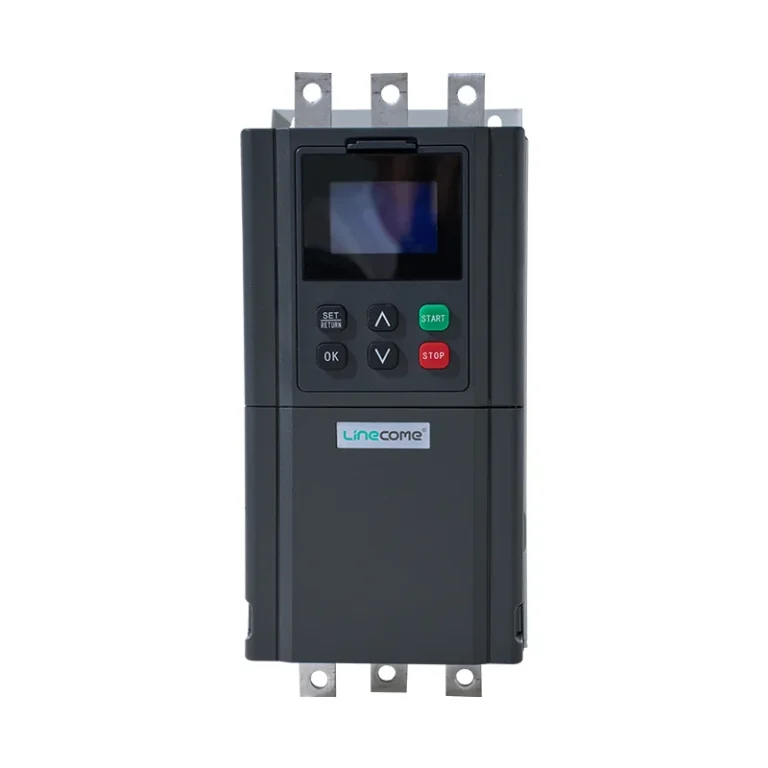

Dc drive to ac drive retrofit projects replace legacy DC motor controllers and often the DC motors themselves with AC induction motors and modern variable-frequency drives when maintenance, spares, or efficiency goals justify the capital spend.
Plant electricians and reliability leads evaluating a dc drive to ac drive retrofit—a dc motor retrofit paired with ac vfd replacement where policy allows—need a decision frame before quoting hardware: keep the DC motor with a new controller versus swap to AC motor plus variable frequency drive (VFD), and how braking/regenerative duty changes.
Use the Variable Frequency Drive hub for series navigation; mechanism depth stays in how a VFD works while payoff themes appear in advantages of VFD. vfdelec LNC610 and LNC820 are general-purpose AC VFD candidates after motor-swap engineering—not drop-in replacements inside legacy DC drive cubicles without rewiring.
 .
Why plants still run DC drives—and what triggers retrofit
Legacy steel, paper, and crane installations used DC motors with thyristor or analog DC drives for fine torque control and four-quadrant operation before AC vector drives matured.
Retrofit triggers include obsolete DC drive boards, scarce spare parts, repeated field failures on contactors, corporate mandates to standardize on AC motors, or room layouts that cannot accept another DC maintenance cycle.
A retrofit is not automatically cheaper than refurbishing the existing DC stack—engineering hours, motor removal, foundation changes, and downtime windows often dominate the BOM.
DC drive versus AC VFD retrofit paths
Three common paths appear in mill and crane upgrades: (1) replace DC drive electronics while keeping the DC motor; (2) swap to AC motor and VFD while reusing mechanical couplings; (3) phased cutover line-by-line during scheduled outages.
Path 1 avoids mechanical rework but preserves DC brush and commutator maintenance if the motor remains.
Path 2 aligns with modern AC motor spares and general-purpose VFD catalogs but requires alignment, base, and sometimes gearbox verification.
Path 3 limits production risk but demands clear lockout and rollback plans per line.
Loads that only needed contactor or soft starter behavior without continuous speed control may stay on reduced-voltage starters during a partial modernization—do not assume every branch in the cutover scope requires a VFD if the process remains fixed-speed after the dc motor retrofit review.
| Path | Motor change | Controller | Typical trade-off |
|---|---|---|---|
| DC drive refresh | Keep DC motor | New DC drive | Less mechanical work; DC maintenance remains |
| Full AC swap | New AC motor | AC VFD | Higher upfront mech cost; AC spares ecosystem |
| Hybrid phased | Mixed per line | Mixed | Scheduling complexity; needs documentation |
Motor swap and mechanical compatibility checks
Match shaft height, flange, coupling, and rotation direction before ordering AC motors to replace DC frames.
Verify gearbox ratings when AC motor base speed differs from legacy DC base speed—hoists and tension stands may need drum diameter or ratio recalculation.
Inertia matters for winder applications: AC vector drives can emulate torque limits but cannot overcome undersized mechanical brakes.
Document encoder or tachometer feedback schemes if the old DC drive closed loop on speed feedback—AC VFDs may need new encoders or sensorless vector tuning per load.
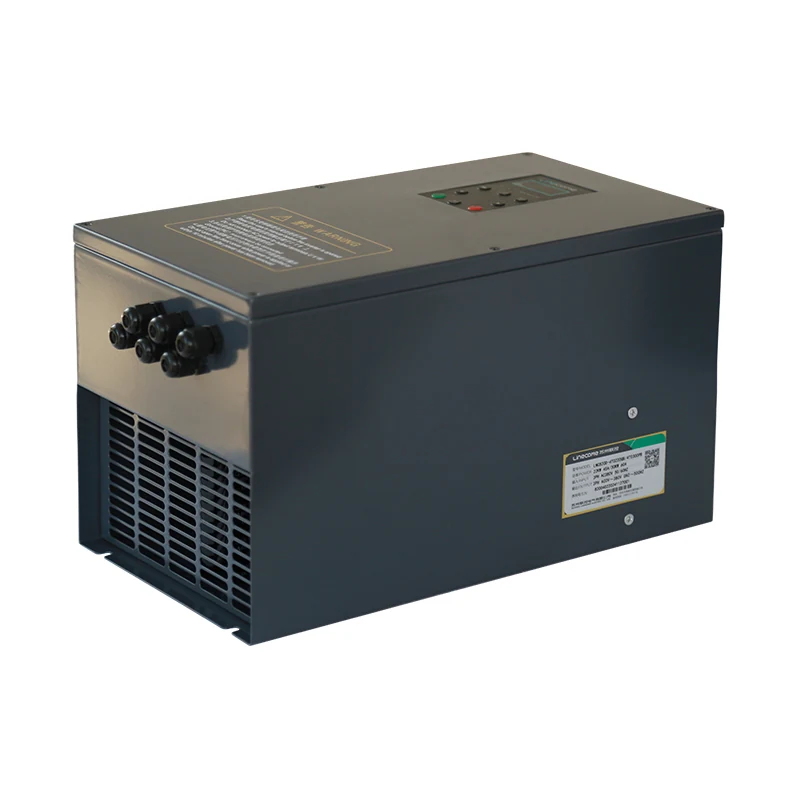
Capture photos of existing DC drive nameplates and wiring diagrams before demolition—integrators rebuild I/O maps from those artifacts during cutover weekends.
 .
Braking, regeneration, and four-quadrant duty after retrofit
DC drives historically handled plugging and regeneration through controlled armature current; AC VFDs need explicit braking resistors, chopper units, or active front-end hardware depending on public series features.
Public LNC610 overview copy notes the 610 series is not equipped with a braking unit by default—retrofits with overhauling loads need a planned brake resistor or alternate series row with built-in braking.
Public LNC820 series pages document a built-in braking unit on 0.75–22 kW models in overview text—still subject to duty cycle and resistor sizing rules on the specific kW row you select.
Tip: Copy legacy DC deceleration times into the RFQ, but do not assume the same seconds value is safe on AC motors with different inertia and thermal limits—validate ramps with no-load and loaded tests.
Controls, I/O, and integration during cutover
Map every wire from the old DC drive terminal strip: speed reference, enable, fault relay, field weakening contacts, and external trip inputs.
AC VFDs use digital and analog inputs differently; spare one weekend for I/O translation drawings before production cutover.
PLC programs may scale speed references in RPM while VFDs expect frequency—document scaling constants in the migration binder.
Re-tune acceleration ramp and PID loop blocks after ac vfd replacement because DC armature control loops rarely map one-to-one to Hz-based vector channels on the new drive.
Fan and pump branches brought over during retrofit inherit fan/pump load affinity behavior at reduced speed—verify minimum Hz against motor cooling when those auxiliaries move from DC field weakening to V/F or vector modes.
Keep the old parameter printouts photographed; many retrofits fail commissioning because torque limits lived only in the retired DC drive’s memory.
Harmonics, feeders, and panel space realities
Adding several AC VFDs where one large DC drive fed a bus may change harmonic loading on the transformer; plan line reactors or isolation per plant standards.
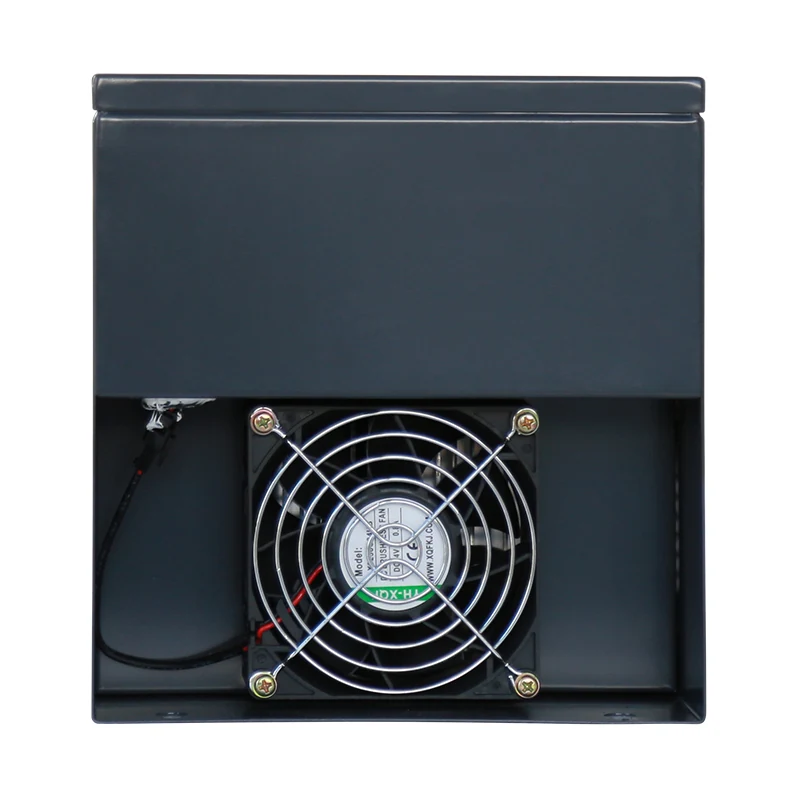
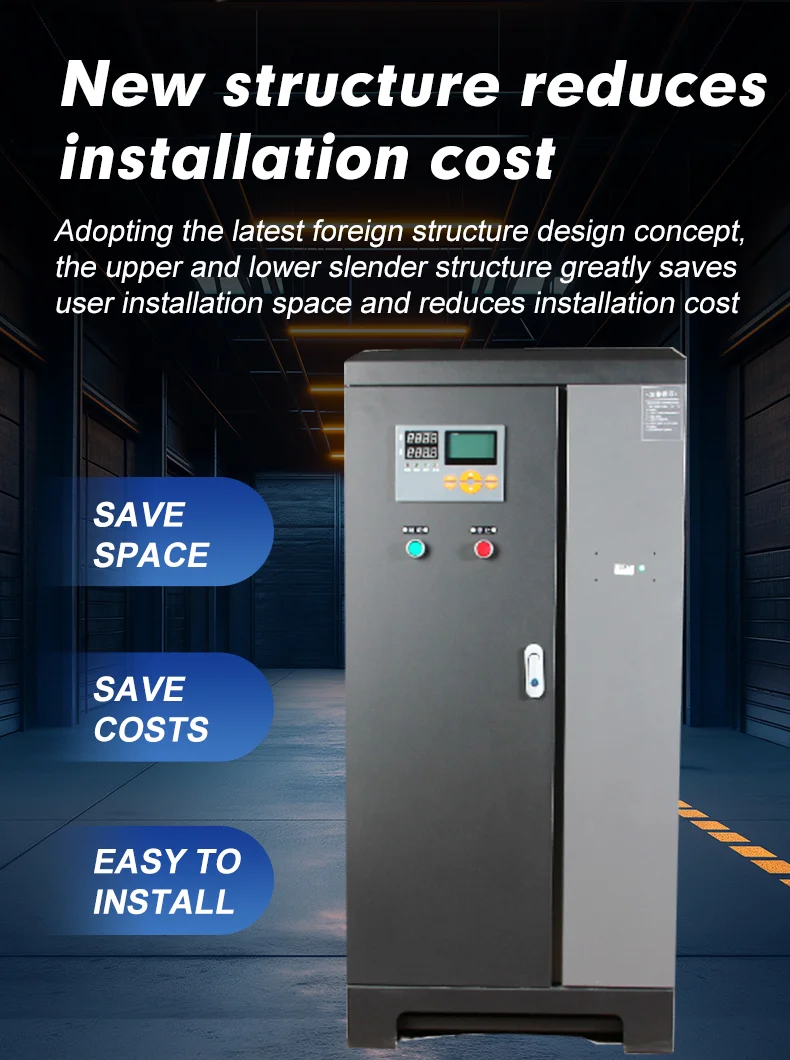
Physical footprint: VFDs plus reactors and filters may not fit the old DC cubicle—measure door swing and cable bend radius before promising a drop-in panel reuse.
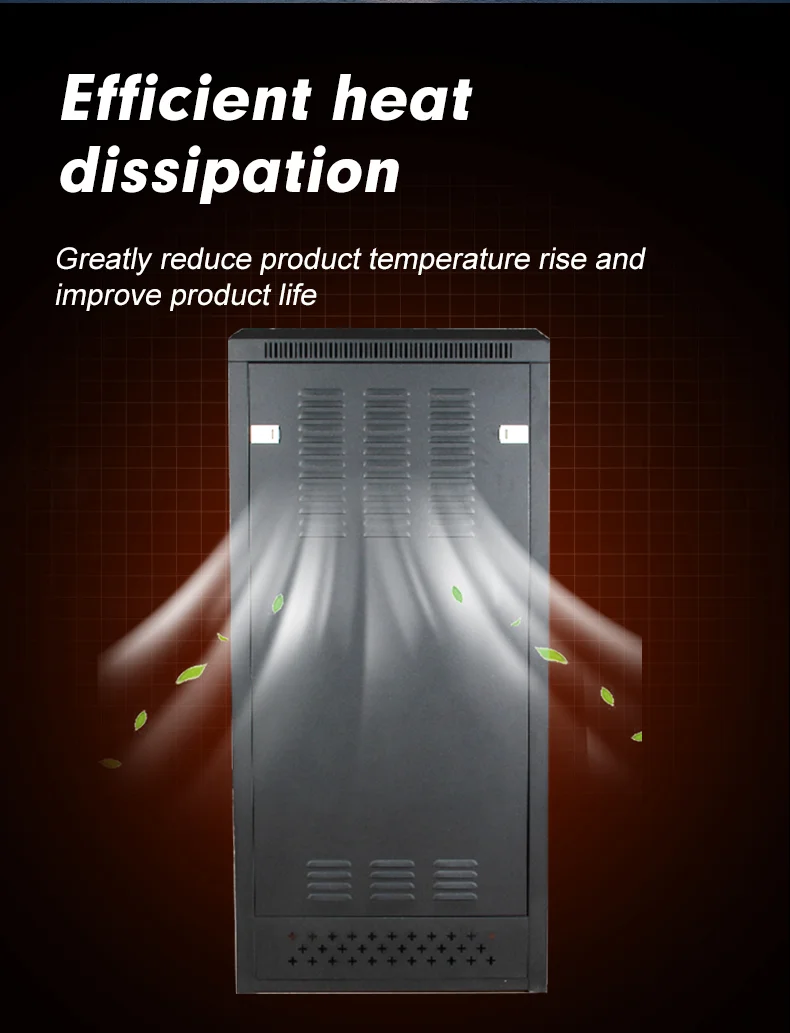
Ventilation paths that cooled open-frame DC stacks may not match sealed VFD heatsink airflow—panel builders should recalculate CFM with drive loss tables at the new duty.
 .
Cost, downtime, and phased rollout decision matrix
Compare spares cost for five years, not only first-year capital—DC brush and contactor maintenance often surprises younger teams.
Schedule cutover when product inventory buffers exist; partial retrofit without documentation strands operators with two control philosophies on one aisle.
Budget training hours for millwrights and electricians together so dc motor retrofit mechanical steps and ac vfd replacement commissioning happen in the same outage narrative rather than as competing punch lists.
When corporate engineering mandates variable frequency drive (VFD) standardization, archive the old DC schematic set in the CMMS attachment field—future troubleshooting depends on knowing which lines already completed dc drive to ac drive retrofit scope and which still await motor swap approval.
| Decision factor | Favor DC drive repair | Favor AC motor + VFD swap |
|---|---|---|
| Spares availability | OEM still supports DC boards | DC boards obsolete |
| Mechanical budget | Coupling and base already tight | Crane/mill mech crew available |
| Standardization mandate | None | Corporate AC-only policy |
| Braking duty | Existing DC regen still tuned | Need catalog braking options |
Recommending LNC610 or LNC820 as AC replacement candidates — product fit
After motor swap, size catalog rows on the LNC610 general-purpose VFD series or LNC820 general-purpose VFD series pages before you treat either line as the ac vfd replacement candidate.
LNC610 public specifications include 0–500 Hz output, V/F and sensorless vector control, Modbus, built-in PID, overload 150% for 60 s on G-type machines per specs table, and no default braking unit on the 610 series—plan external braking when the retrofit load overhauls.
LNC820 public pages add RS485 and built-in braking unit on many 0.75–22 kW rows—candidate when serial SCADA and moderate braking duty align with published overview limits.
 .
Neither series inherits legacy DC drive UL listings or field weakening curves—submit motor data and duty cycle for supplier confirmation before purchase.
Bring the post-retrofit acceleration ramp test logs to the acceptance walkdown so operators sign off on both no-load and loaded deceleration before the line returns to production scheduling.
 .
FAQ
Can I replace only the DC drive and keep the DC motor?
Sometimes, if the motor is sound and a supported DC drive still exists—but you retain brush maintenance and may not meet corporate AC standardization goals.
Is an AC VFD a one-for-one swap in the same cubicle?
Rarely without rewiring, reactor space, and new motor cables; measure heat rejection and door clearances before promising reuse.
When is motor swap mandatory in a dc drive to ac drive retrofit?
When the DC motor is failing, frame sizes are obsolete, or policy requires AC motors for spares commonality across the site.
How do I handle regeneration after moving to an AC VFD?
Specify braking resistors, chopper hardware, or active front-end gear per duty; verify whether your catalog series includes a built-in braking unit on the kW row you need.
Will harmonics get worse after retrofit?
Often input harmonics rise versus a line-fed DC drive on the same bus—plan mitigation with reactors or filters per utility rules.
Does vfdelec supply DC drives for partial retrofits?
No—catalog focus is general-purpose AC VFDs (LNC610/LNC820) after engineering defines the AC motor and duty.
How long should phased cutover take?
Depends on outage windows; document each line’s rollback steps rather than fixing a universal week count without site access.
References
Sources below support DC versus AC retrofit framing—not vendor drive shopping links.