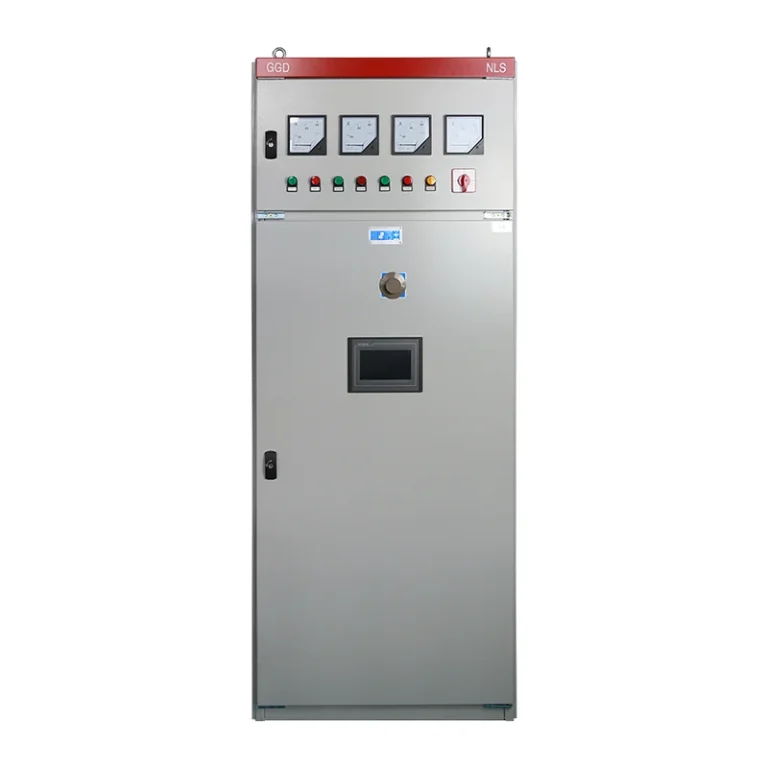

An air circuit breaker mechanical operation test checks whether the approved charging, closing, opening and indication sequence works in the specified isolated test condition. A successful close-open cycle is useful evidence, but it does not prove fault interruption capacity, trip calibration or contact condition. Start with the exact breaker manual, accessory list and isolation plan; then record each command and its physical result. If operation is hesitant, inconsistent or blocked, stop and establish the cause before returning the breaker to service. Repeated attempts without a diagnosis can hide the first useful symptom and add unnecessary wear.
Define what the test must demonstrate
For an industrial distribution or motor-control project, write the acceptance objective before scheduling the outage. A routine operating check, a post-repair inspection and an investigation following a fault are different jobs. The last two may require additional examinations and specialist tests that a routine exercise cannot replace. Identify who can authorize the work, who performs it and who accepts the result. Record whether the test covers the breaker alone or includes the cabinet control chain.
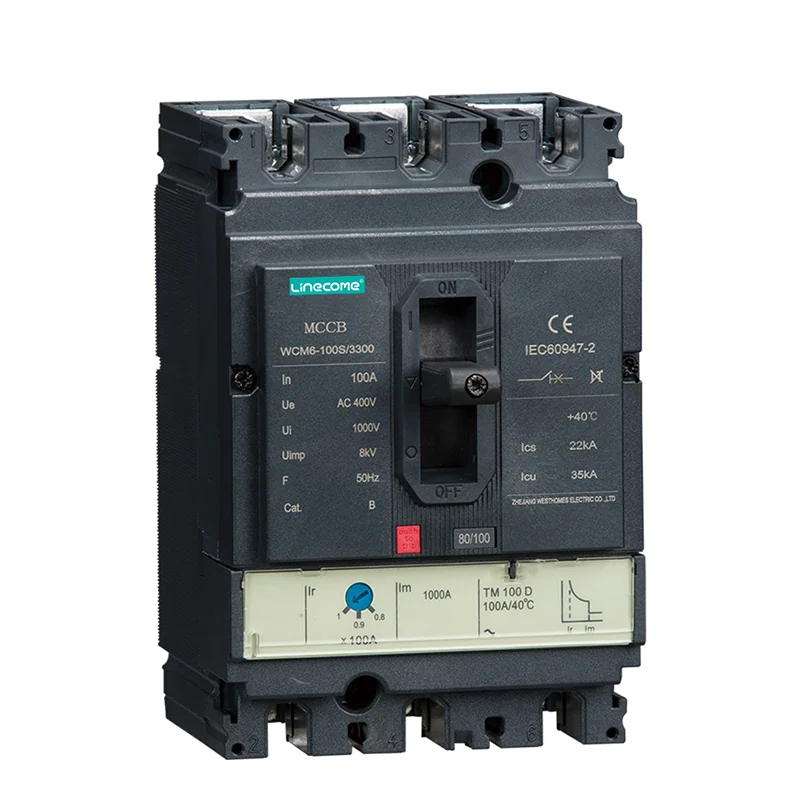
Use the WCW1 air circuit breaker product page to identify the relevant product family when preparing an inquiry. Obtain the actual order code, installed accessories and manufacturer instructions for the supplied unit. A catalogue photograph cannot establish the fitted coil voltage, drawout arrangement, trip-unit version or maintenance limits. Do not copy a procedure for another frame merely because its front panel looks similar. Product identity must lead the test sheet, not appear as an afterthought.
The Bureau of Reclamation circuit-breaker maintenance manual provides a useful public reference for planning maintenance and testing. Its facility practices are context-specific. Use the applicable equipment instructions and site maintenance program to set intervals, examination depth and acceptance values; do not treat a public utility schedule as a universal WCW1 requirement.
Establish the isolated test condition
An open indication does not establish an electrically safe work condition. The work plan must address every relevant power source, auxiliary supply, backfeed possibility and stored-energy source. Remote closing commands and automatic transfer functions also need explicit treatment. OSHA’s electrical work-practice requirements explain the distinction between operating controls and isolation, including control of stored energy and verification by qualified personnel. Apply the governing requirements for the actual jurisdiction and workplace.
Stored spring energy deserves a separate entry in the job plan. The intended test may require controlled charging and release, but that is different from leaving an unidentified energy source uncontrolled during maintenance. Follow the manufacturer sequence and keep personnel clear of moving parts. Do not improvise tools, reach into the mechanism or defeat an interlock to complete a checklist. If the authorized method is unclear, obtain the correct instruction before operating the equipment.
For withdrawable equipment, identify the permitted position and the condition of primary and secondary connections. A label such as test or disconnected has meaning only within that breaker design. Some auxiliary circuits may remain energized. A fixed breaker needs a different isolation arrangement; it cannot borrow the assumptions of a drawout cradle. Put the actual configuration on the record so a later reviewer can understand what was energized and what was separated.
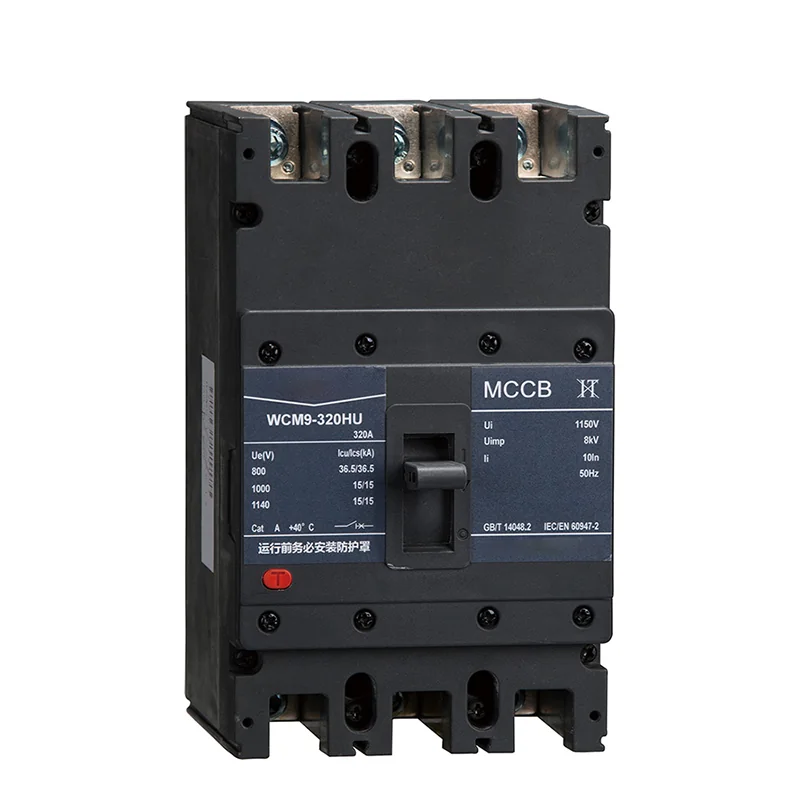
Capture the first observation before cleaning or adjustment
Begin with the as-found state: indication, operation counter where fitted, trip flag, condition of accessible surfaces, unusual smell, evidence of moisture and the last reported symptom. Note recent short-circuit events, long storage, flooding or construction dust. These details determine whether routine mechanical exercise remains appropriate. Photograph labels and visible defects within the approved safety arrangements. Preserve the original symptom description even if the equipment subsequently operates normally.
Do not reset an unexplained trip or clear stored diagnostic information simply to make the panel look ready. Preserve the record first. Similarly, do not lubricate everything before observing the problem. Unapproved lubricant, excessive application or cleaning that moves debris into the mechanism can create new faults. The Bureau of Reclamation mechanical-maintenance guidance discusses switchgear cleanliness and the risks of poorly maintained mechanisms. Use only the cleaning method and materials authorized for the installed equipment.
Separate the command chain from the mechanism
Organize observations as command, permissive, actuation, movement and feedback. If a remote close command produces no movement, the first question is whether a valid command reached the approved control circuit. A missing permissive, absent auxiliary supply, incorrect operating mode or accessory mismatch can prevent operation even when the mechanical assembly is healthy. Conversely, a healthy command signal does not excuse sticking, abnormal sound or unreliable position indication.
The table below is an original planning checklist, not a substitute for model-specific instructions or acceptance limits. Use it with the safety and maintenance references above. Every result should identify the test condition and the applicable manual section. Where an item is not fitted, record that fact rather than inventing a successful test.
| Observation | Evidence to record | When to stop or investigate |
|---|---|---|
| Charging | Initial state, authorized command and final indication | Failure to reach the specified state or unusual behavior |
| Local operation | Command and resulting open/closed indication | Inconsistent movement or indication |
| Electrical operation | Auxiliary supply identity, permissives and result | Command present but no expected actuation |
| Auxiliary contacts | Approved contact schedule and observed feedback | Feedback disagrees with the actual position |
| Position/interlock function | Applicable arrangement and approved test step | Unexpected permission or an unexplained block |
| Final condition | Required state, restored controls and sign-off | Any unresolved defect or uncertain isolation boundary |
Avoid forcing a conclusion from a single lamp. Lamps, auxiliary contacts and supervisory software are parts of the indication chain. A lamp failure is different from a breaker failure; however, incorrect indication can still make the assembly unacceptable for operation. Compare the approved drawing with the actual device and report the mismatch precisely. Do not bridge contacts or suppress alarms to obtain a green indication.
Record the complete operating sequence
Use the number of operations, sequence and timing measurements specified by the equipment procedure. This article does not assign a universal exercise count. Record the initial state, each authorized action, the observed result and any deviation. If a timing instrument is required, document its connection method, identification and calibration status. A statement such as “worked several times” is much less useful than a traceable sequence with consistent terminology.
Where electrical opening, closing or undervoltage accessories are included, identify exactly which function was tested. An opening command through one accessory does not demonstrate all protective paths. A mechanical release test is also distinct from injecting a signal through the protection system. Keep these results separate so that a successful local operation cannot accidentally be reported as complete protection verification. Use the motor control panel coordination checklist when the work also changes the protective-device arrangement.
If the breaker was involved in a significant fault, the investigation must consider more than normal movement. Contacts, insulation, arc-control components and associated conductors may need inspection or testing under the applicable instructions. Do not use easy mechanical operation as permission to reenergize damaged equipment. Escalate unusual wear, distortion, deposits or unresolved trip history to the responsible specialist and manufacturer.
Build an evidence-based fault handoff
A useful service request states the exact device, accessory configuration, operating condition and failed step. Include whether the problem occurs locally, remotely or both; whether charging completes; what indication changes; and what events preceded the failure. Provide the approved drawing revision and any diagnostic messages. This allows service personnel to distinguish a cabinet-control issue from a breaker problem without asking the operator to repeat uncontrolled switching attempts.
For example, “remote close fails, local operation passes” narrows the investigation toward the remote command and permissive path, but does not prove that every mechanical or electrical function is healthy. “Position feedback changes without the expected state” requires investigation of the indication arrangement. These are diagnostic directions, not repair instructions. Authorized personnel must confirm the actual circuit before replacing accessories or changing settings.
Keep environmental evidence separate. If enclosure heating is part of the complaint, use the circuit breaker temperature-derating guide to organize that review. Mechanical reliability and current-carrying suitability are related acceptance concerns, but one test does not establish the other. Likewise, a mechanically sound AC breaker is not evidence of DC suitability; see the DC circuit breaker polarity guide for that separate selection boundary.
Agree the return-to-service record
Before release, reconcile the test sheet with the approved job scope. Identify removed tools and test connections, restored protective functions, the required final operating state and any outstanding defects. Record who checked the restoration and who authorized energization. If settings or wiring changed, include the revised documents and the additional tests required by that change. Do not carry an unresolved defect into normal service under a general “test passed” statement.
For a procurement or service inquiry, send the serial number, frame and trip-unit identification, accessory codes, photographs of labels, fault history, environmental conditions and the failed sequence step. Ask for the exact manual, approved replacement parts and the acceptance criteria for the proposed repair. Request confirmation of whether further protection, contact or insulation testing is necessary. This produces a practical scope rather than a quotation based only on the breaker current rating.
Further learning: basic breaker operation
The following RealPars lesson introduces the general purpose and operating principles of a circuit breaker. Its simplified examples help distinguish a protective trip from manual switching. They do not demonstrate the particular stored-energy mechanism, accessory wiring or maintenance procedure of a WCW1 air circuit breaker. Use it as background learning alongside the specific equipment documents.
Video by RealPars. Watch Circuit Breaker Explained | Working Principle on YouTube.
Frequently asked questions
Does a successful open-close test prove the breaker is fully healthy?
No. It demonstrates only the functions covered by the recorded test condition. Protection performance, fault interruption capability, insulation and contact condition may require separate evidence and testing.
How often should an air circuit breaker be exercised?
Use the installed equipment instructions and the site’s maintenance program. Environment, duty, previous defects and fault history affect the scope; there is no universal interval established by this article.
Can a blocked interlock be bypassed to finish the test?
Do not defeat an unexplained interlock. Stop, identify the arrangement and establish the correct permitted sequence with qualified personnel before continuing.