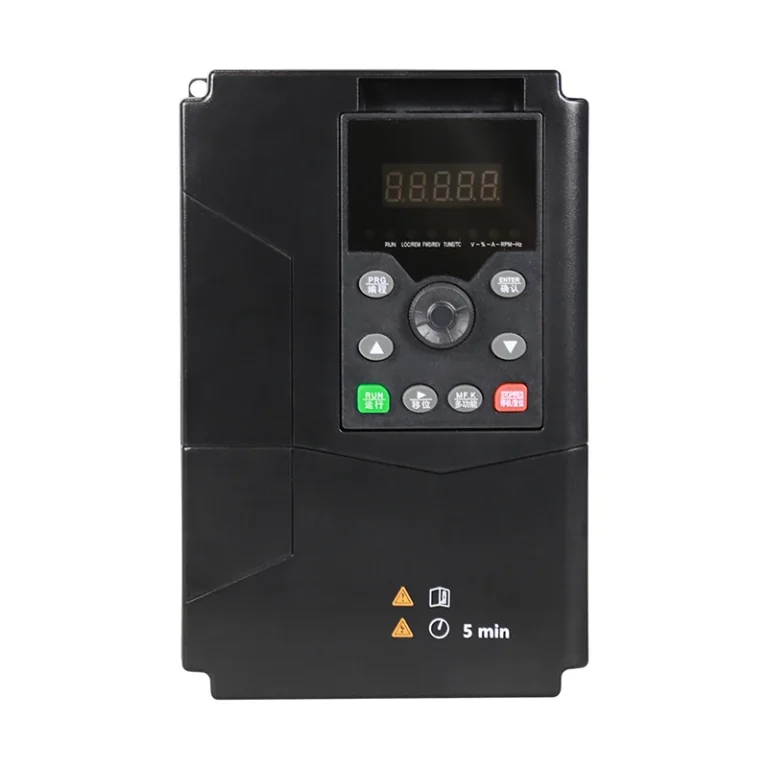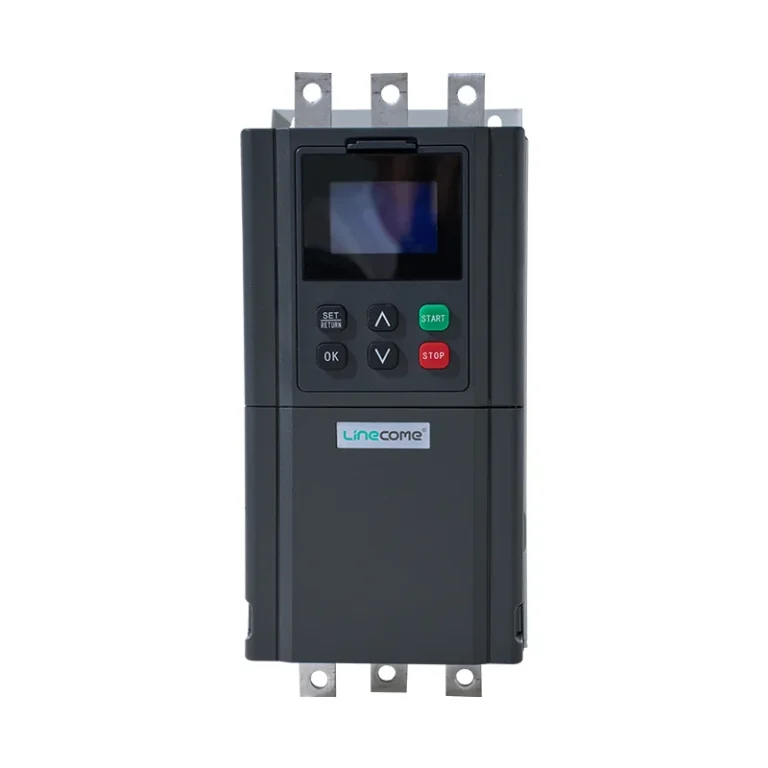

Vfd application planning starts by naming the load class—fan, pump, conveyor, or process machine—and deciding whether the motor must run at more than one speed during normal production, not by listing inverter stages.
A practical vfd application map ties each load type to speed control needs, duty cycle, and environment limits so you do not buy adjustable-speed hardware for a motor that never leaves line frequency.
Use the Variable Frequency Drive hub after you shortlist application classes. For payoff language (energy, soft start, protection), see advantages of a VFD; for rectifier–inverter detail, see how a VFD works—this page stays on where drives belong in industrial plants.
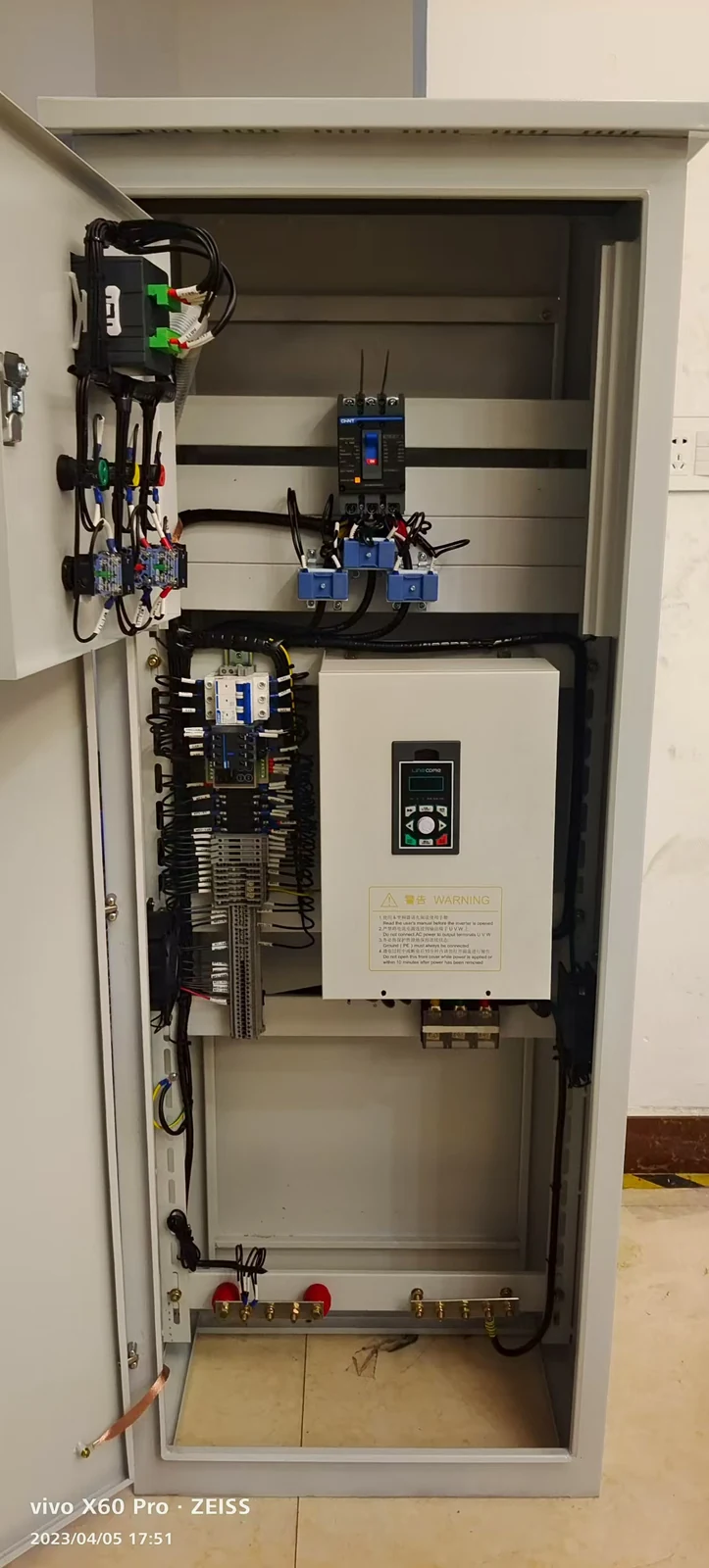 .
What “VFD application” means in industrial RFQs
Buyers use vfd application to mean the motor-load job the drive must serve—throttle, synchronize, ramp, or hold setpoint—not the internal power electronics.
Procurement forms mix “application” with “environment” and “duty.” Separate them: application is the process (wastewater lift station versus packaging conveyor), duty is how often speed changes, and environment is heat, dust, and enclosure class on the published drive table.
A variable frequency drive (VFD) on the RFQ line should trace to a named load behavior—throttle, synchronize, or hold setpoint—not to a vague “automation upgrade.” When buyers search vfd applications in plural, they usually compare several machines on one plant; give each motor its own load class instead of copying one drive size across unrelated lines.
If the motor never varies speed and the plant only wanted softer starts, the application may be soft-starter territory—compare current limit versus soft starter before you standardize on a VFD line item.
Fan and pump VFD applications (variable-torque duty)
Centrifugal fans and pumps are the classic vfd application classes because throttling by damper or valve while the motor runs at full speed wastes energy on many duty cycles.
Department of Energy material on adjustable-speed drives emphasizes matching motor speed to load requirements in fan and pump service— that is the honest scope when you write “energy application” on the RFQ, not a promise for every constant-torque line.
Verify minimum speed cooling, NPSH margins on pumps, and stall margins on fans before you lock a speed range in the drive parameters.
Fan/pump load taxonomy matters: variable-torque duty is the encyclopedic pairing with adjustable-speed drives, while constant-torque mislabels are how projects inherit the wrong acceleration ramp defaults. Each variable frequency drive application on water or HVAC should note whether the motor sees long idle periods at low speed—thermal margins change the acceptable speed floor.
| Load pattern | Typical VFD application fit | Verify on nameplate / process |
|---|---|---|
| HVAC supply/return fan with damper throttle | Strong when speed tracks demand | Motor insulation, bearing currents, filter needs |
| Centrifugal pump with valve throttling | Strong when flow varies | NPSH, minimum speed, seal flush |
| Positive-displacement pump | Often constant speed or specialized control | Do not assume fan/pump curves |
| Once-through fan at fixed RPM | Weak unless future throttle planned | Soft starter may suffice |
 .
Conveyor, mixer, and constant-torque machinery applications
Many vfd application projects on conveyors and mixers need controlled ramps, multi-speed recipes, or torque at low speed—not automatic fan/pump energy math.
Open-loop vector (SVC) modes on catalog drives help low-speed torque when nameplate data is entered correctly, but they do not replace encoder servo loops on high-performance positioning lines.
Document whether the line stops frequently, whether product spillage limits aggressive deceleration, and whether mechanical overspeed is possible at the top speed you command.
Mixers and extruders often need torque at low speed without promising fan/pump energy stories—that is still a valid variable frequency drive application when multi-speed recipes or soft acceleration ramp profiles replace contactor stacks. A PID loop on the drive may hold tension or level when sensors fit catalog I/O, but integrators should document tuning ownership before they call the loop “turnkey.”
Building automation and packaged HVAC skids
Packaged air handlers and chiller plants often bundle VFDs on fans and pumps as part of a controls upgrade—your vfd application checklist should still trace back to each motor nameplate, not only the BMS tag.
Integrators map BACnet or Modbus points after the drive is wired; the application decision (variable speed on this fan) precedes the protocol conversation.
Packaged vfd applications in building automation still split supply fan, return fan, and chilled-water pump duties—each row on the submittal should state whether speed tracks schedule, demand, or static pressure. Copying one variable frequency drive application paragraph across all three motors is how service teams inherit mismatched minimum speeds after turnover.
Municipal water, wastewater, and lift-station applications
Lift stations and booster pumps are recurring municipal vfd application examples because flow follows diurnal curves, but NPSH and minimum speed rules still govern acceptable speed floors.
Treat harmonic and EMC planning as part of the application when the drive sits on a weak rural feeder—advantages articles cover trade-offs; here the application gate is “will variable speed change operator procedures and maintenance?”
Lift stations illustrate variable frequency drive application planning at the process level: flow follows demand curves, but operators still need written minimum speed, level alarms, and manual bypass expectations before the RFQ closes. Municipal buyers should attach those operating assumptions to the spec so installers do not inherit silent gaps between SCADA tags and motor nameplates.
When a VFD is the wrong application choice
Fixed-speed loads with no throttle, strict simplicity requirements, or unresolved motor compatibility may be better served by contactors or soft starters—not a drive added by habit.
Community discussion on variable-frequency drive articles repeatedly separates application payoff from harmonics, filtering, and cable-length limits—if those constraints block installation, the application story stops before purchase.
Spare-part planning is part of application work on critical fans and pumps: note whether the process allows bypass contactors, whether a redundant motor exists, and who owns downtime if the drive trips on a sensor fault during peak season.
Important: Application fit does not override nameplate reality—imported 50 Hz motors on 60 Hz plants belong in frequency-conversion guides, not a generic fan/pump application bullet.
Matching LNC610 and LNC820 drives — product fit by application class
Public series pages give catalog anchors once you know the load class; they do not replace motor FLA and voltage class matching.
For general machinery, fan, and pump vfd application RFQs, the LNC610 general-purpose VFD series lists wide output frequency range, V/F and open-loop vector (SVC), Modbus, and built-in PID on the public table—useful when the application needs a process loop without an external controller.
The LNC820 general-purpose VFD series lists the same wide output frequency class with RS485 on overview copy and built-in braking unit availability on many kW rows—relevant when deceleration energy is part of the application story.
Application reviewers should attach one page per motor: load type, min/max speed, control mode expectation, and fieldbus need—those five bullets prevent generic drive orders that fit the catalog headline but not the machine duty.
| Application signal | LNC610 (published page themes) | LNC820 (published page themes) | Your project still verifies |
|---|---|---|---|
| Fan/pump throttle + PID | Built-in PID called out | PID per series table where listed | Sensor range, tuning ownership |
| Fieldbus to SCADA | Modbus on LNC610 overview | RS485 on LNC820 overview | Register map, baud, faults |
| High-inertia decel | Braking unit not default on 610 | Built-in braking on many kW rows | Resistor sizing if needed |
 .
 .
Share load class, duty type, and speed range when you ask the supplier to confirm LNC610 versus LNC820 inside published kW bands.
Keep a single application summary sheet with the RFQ: motor tag, process description, min/max speed, sensor list, and required fieldbus—suppliers answer faster when those fields are filled instead of buried in email threads.
OEM teams sometimes bundle variable frequency drive application notes inside machine manuals while procurement still searches generic vfd applications keywords—align those documents so field service sees the same minimum speed, ramp, and control-mode assumptions the buyer approved on the RFQ.
Frequently Asked Questions
These answers stay at application-selection level; wiring steps live in the installation guide for the model you order.
Is every fan a VFD application?
No. Fixed-airflow fans with no throttle and no future speed plan may not justify a drive; throttled centrifugal fans usually do.
How is this different from advantages of a VFD?
Advantages articles explain payoff (energy, ramps, control). This page maps application classes to those payoffs.
Can I use one VFD article for hoist duty?
Hoist applications need brake, inching, and lift-specific guides—use the hoist benefits article when the load is an electric hoist.
Does vfd application include installation wiring?
Field wiring belongs in VFD installation—not duplicated here.
Are soft starters ever the better application?
Yes, when speed never changes and only inrush reduction matters—see soft-starter hub pages and comparison articles.
What about 50 Hz motors on 60 Hz utility?
That is a frequency-conversion application—use the 50 to 60 Hz buyer guide, not a generic fan/pump row.