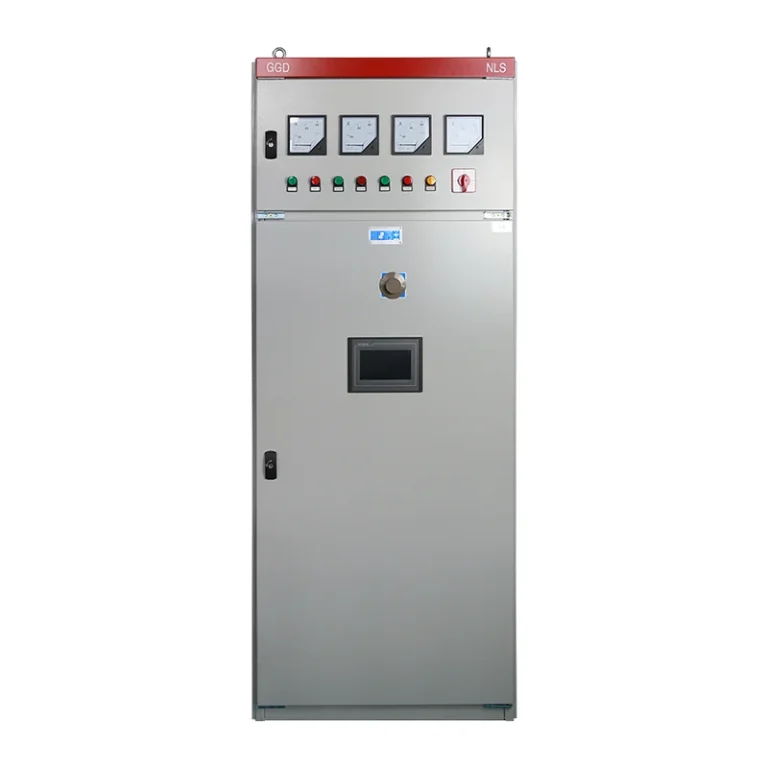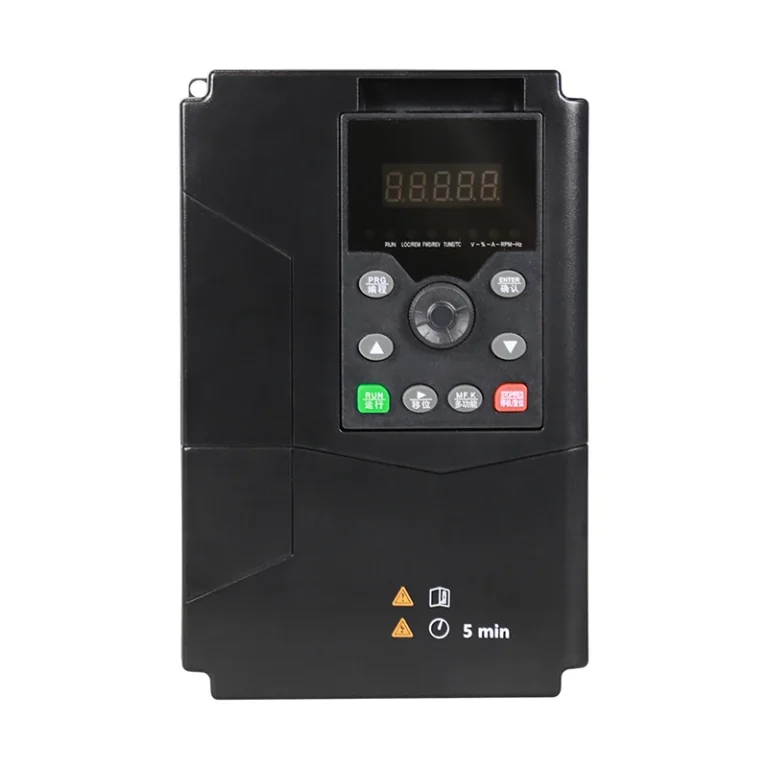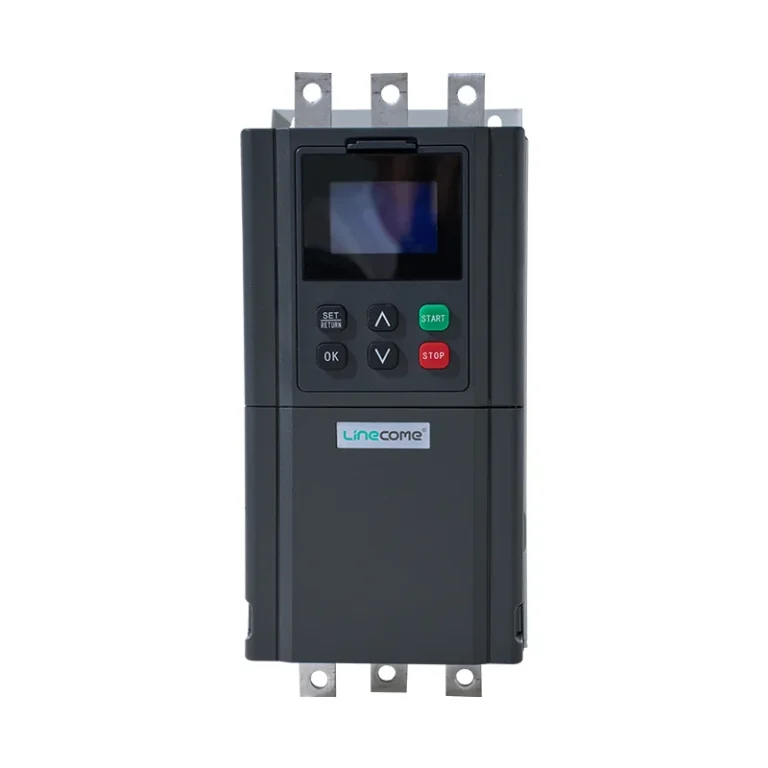

A high voltage solid-state soft starter on a procurement RFQ usually means medium-voltage class motor starting—not the same voltage band as wall-mounted low-voltage SCR soft starters on 220 V, 380 V, or 660 V industrial feeds. Buyers who search that phrase need a boundary map: when solid-state reduced-voltage start still fits an LV motor branch versus when the specification must move to a true MV soft starter supplier class with different enclosures, protection, and factory tests.
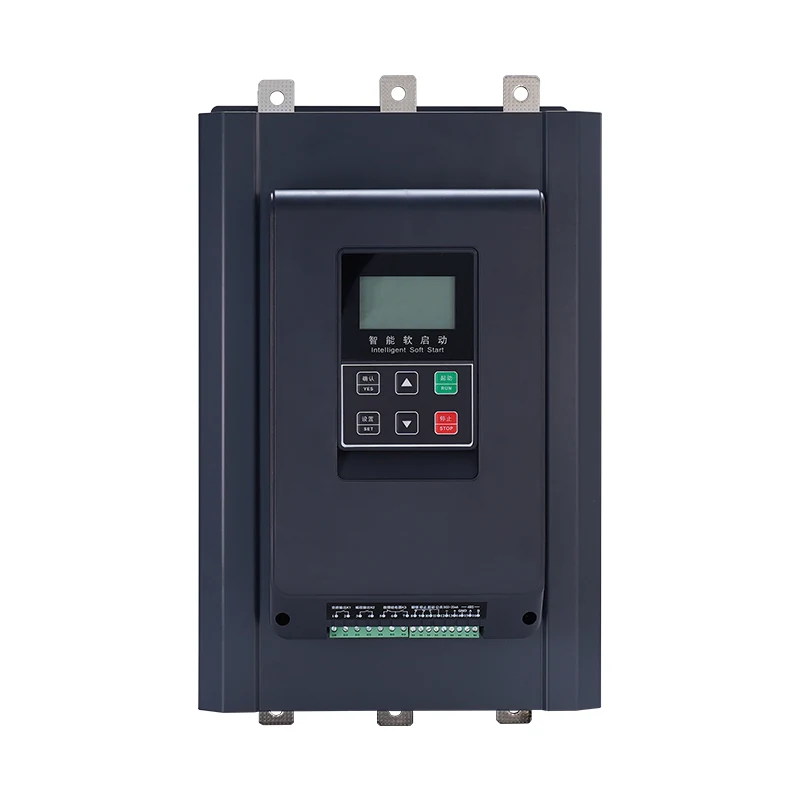
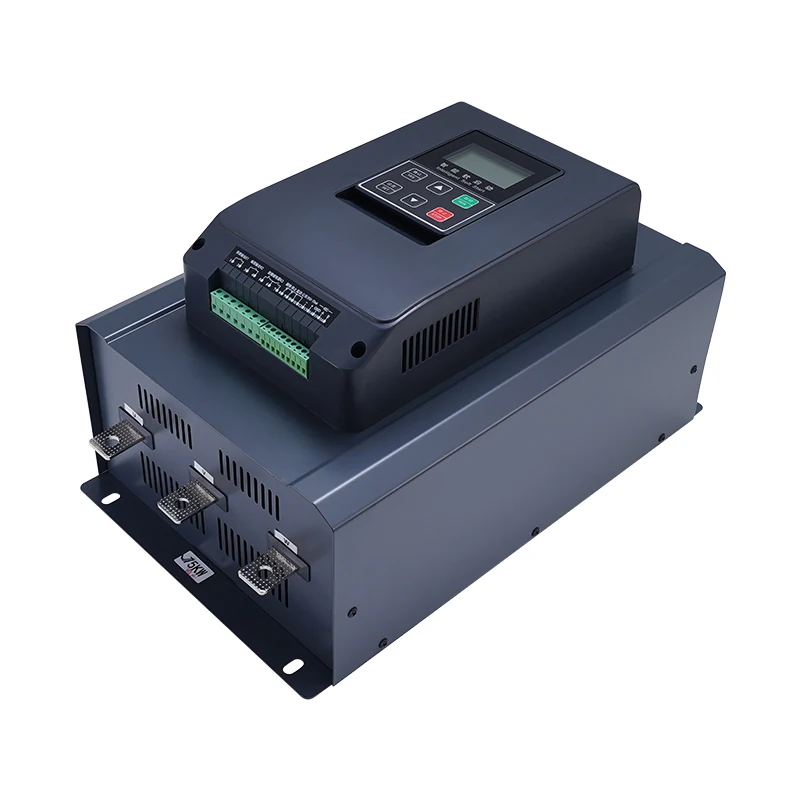
This page does not treat vfdelec ZR800 catalog rows as medium-voltage or kV-class hardware. The public ZR800-18.5-90KW online soft starter series page lists Rated Voltage: 220V/380V/460V/525V/660V and kW bands per voltage row—industrial low-voltage territory, not an MV switchgear quote. General education on ramps, bypass, and limitations stays on how to work soft starter, when to use a soft starter, soft starter benefits, disadvantages of soft starter, does soft starter reduce starting current, current limit versus soft starter, and soft starter installation.
Return to the Soft Starter hub after you classify voltage class on the motor one-line.
 .
What procurement teams mean by high-voltage or MV solid-state soft starter
A medium voltage soft starter RFQ and high voltage solid-state soft starter line item often abbreviates medium voltage (MV)—motor and feeder classes above low-voltage MCC buckets, typically discussed in kV distribution language rather than 380 V or 660 V branch tables. Encyclopedia summaries of medium voltage describe plant buses that feed large compressors, fans, and pipeline motors through MV switchgear, not through the same SKU rows as general-purpose LV soft starters.
Solid-state still means thyristor (SCR) phase control during start, then bypass to run— the same functional idea as LV online soft starters, but executed inside MV-rated assemblies with different clearances, CT/PT schemes, and factory witness tests. Confusing “high voltage” marketing on an LV catalog page with MV switchgear responsibility is a common bid error.
| Phrase on RFQ | Usually implies | Not automatically implied |
|---|---|---|
| High voltage soft starter | MV motor/feeder class | Any LV SCR starter with “high kW” |
| Solid-state soft starter | Thyristor ramp + bypass path | Continuous speed control (VFD job) |
| Online soft starter | Bypass after ramp | MV metal-clad switchgear without proof |
| Reduced-voltage start | Limited inrush during ramp | Replacement for all DOL high-inertia cases |
How this buyer boundary page differs from soft-starter education siblings
High voltage solid-state soft starter is a voltage-class and supplier-class gate—not a repeat of ramp tutorials, benefit lists, or installation checklists owned elsewhere on vfdelec.com.
| If your job is… | Read first on vfdelec.com | This page supplies |
|---|---|---|
| Ramp, bypass, and SCR duty | how to work soft starter | Voltage class boundary only |
| When to specify SCR start | when to use a soft starter | MV vs LV RFQ language |
| Benefit-oriented bid text | soft starter benefits | Honest MV redirect |
| Limitations and trade-offs | disadvantages of soft starter | No duplicate disadvantage H2 stack |
| Starting current mechanics | does soft starter reduce starting current | Class-of-supply context |
| Reactor vs SCR naming | current limit versus soft starter | Not product comparison |
| Field wiring checks | soft starter installation | Not conduit/how-to |
Keeping those routes separate lets one URL own high voltage solid-state soft starter search phrasing while cousins keep mechanism depth.
 .
Low-voltage SCR soft starters versus true MV soft starter specifications
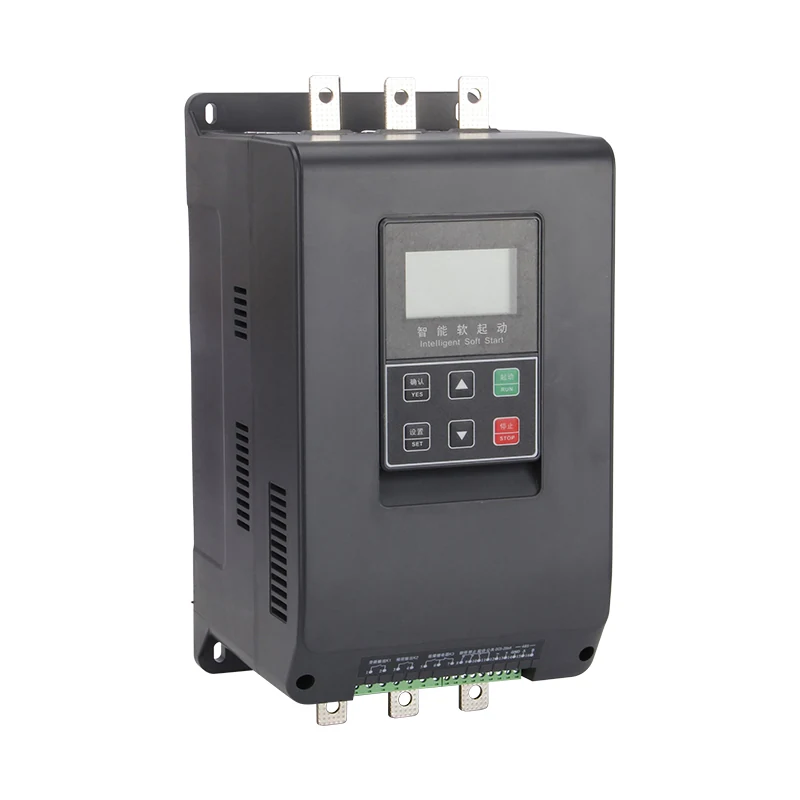
Low-voltage industrial soft starters are sized against published Rated Voltage rows—220 V, 380 V, 460 V, 525 V, and 660 V classes on the public ZR800 family table—plus motor kW bands within each row. MV soft starter specifications instead anchor on kV feeder ratings, switchgear interfaces, arc-flash study inputs, and often site-specific single-line diagrams that LV catalog pages do not replace.
Motor soft starter articles describe thyristor control and bypass behavior that applies in both worlds, but insulation, creepage, and fault-interrupt duty scale with voltage class. Buyers should not infer MV capability from the LV 660 V class maximum table entries alone; 660 V remains an LV industrial class label on the published ZR800 page, not a 6 kV or 11 kV distribution claim.
From the field: Maintenance forums on MV motor starters repeat that witness testing and protective relay settings dominate MV acceptance—LV commissioning checklists do not transfer verbatim.
RFQ markers that belong in an MV soft starter package
When the project is genuinely MV, procurement packages normally carry items LV soft starter submittals omit or simplify:
| RFQ marker | Why MV buyers expect it | LV catalog page role |
|---|---|---|
| Feeder voltage in kV | Defines insulation and clearances | Use published V rows only |
| Switchgear line-up drawing | Defines starter location | Not on ZR800 product page |
| CT/PT ratios and relay curves | Coordination with protection | General monitoring ≠ relay scheme |
| Arc-flash and PPE study inputs | Safety program | Site engineering task |
| Factory witness or type test refs | MV quality systems | Ask MV vendor class |
None of the above replaces reading the motor nameplate, single-line, and local code requirements—blog prose is a routing guide, not substation engineering.
 .
Solid-state soft starter fit inside published ZR800 voltage and kW rows
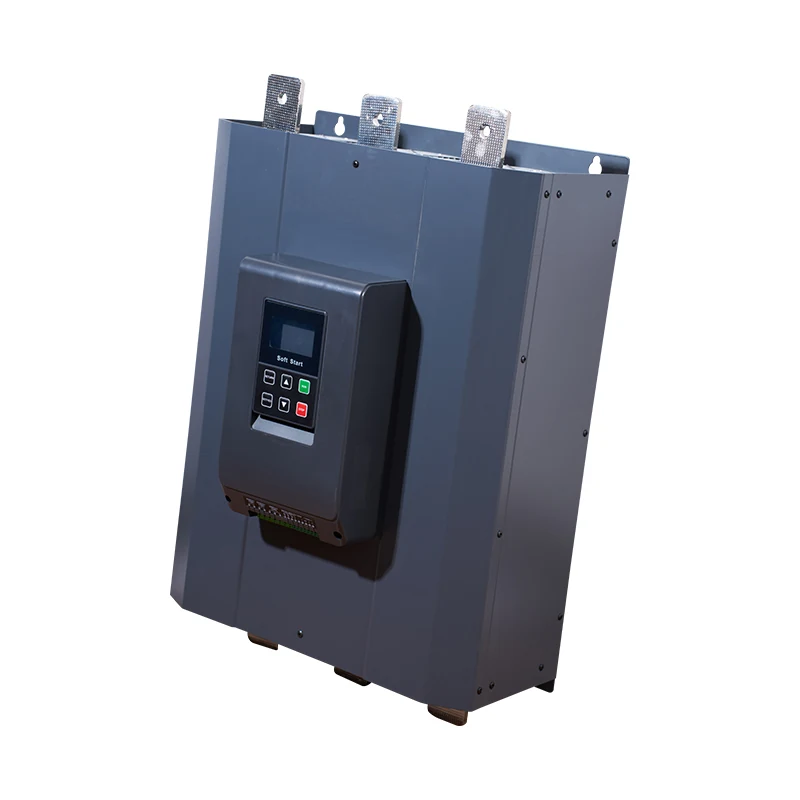
When the motor branch stays in LV industrial classes, solid-state online soft starting can still be the right function even if the RFQ used “high voltage” colloquially for “large motor.” The public ZR800 table ties kW bands to each Rated Voltage row—for example 380 V (15KW-800KW) and 660 V (15KW-600KW) on the live product page—so buyers can match nameplate voltage class and power before copying lines into a purchase file.
That table is the outer bound for ZR800 recommendations on vfdelec.com: if the approved one-line shows MV kV feeders or MV switchgear buckets, stop here and source an MV soft starter class from suppliers who publish kV ratings and switchgear interfaces—without treating ZR800 as MV hardware.
Cross-check ramp and bypass acceptance on how to work soft starter after voltage class is confirmed LV.
| Public ZR800 rated voltage row (live page) | Buyer interprets as | MV soft starter still required when… |
|---|---|---|
| 220V/380V/460V/525V/660V list | LV industrial voltage classes | Feeder is kV class on one-line |
| kW bands per voltage | Motor size within that row | Motor fed from MV switchgear |
| Online soft starter function | SCR ramp + bypass | Spec calls for MV metal-clad assembly |
When the specification must leave LV catalog and seek MV soft starter class
Redirect the RFQ when any of these gates fail against published ZR800 V-class rows:
- Single-line or motor data sheet shows kV distribution, not 380 V / 660 V branch class.
- Buyer requires MV switchgear integration, pull-out cells, or primary disconnect schemes absent from LV drive/starter panels.
- Protection study assumes MV relay classes—not the general monitoring themes listed on LV product pages.
- Site standards explicitly ban LV starters on feeders above a corporate kV threshold.
In those cases, keep solid-state and soft starter functional words in the spec, but change supplier class to MV vendors who document kV ratings. vfdelec ZR800 pages remain LV industrial references only.
 .
ZR800 online soft starter — recommend only inside published LV voltage bounds
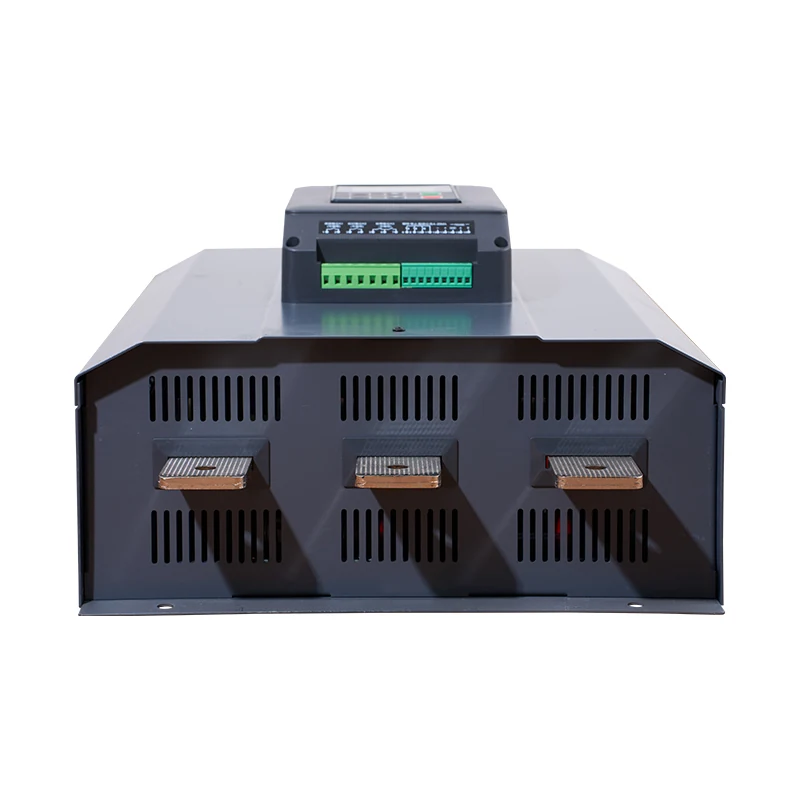
Recommend ZR800 when—and only when—the project accepts LV industrial Rated Voltage rows on the public product page and fixed-speed SCR start after ramp/bypass proof.
The ZR800-18.5-90KW online soft starter series page documents 12 protection functions on the features list, electrical monitoring of current, voltage, phase sequence, frequency, and runtime, plus 4–20 mA output with 0.5% linear accuracy on the features list for optional process feedback.
Do not describe ZR800 as medium-voltage, high-voltage switchgear, or kV-class hardware; the published 660 V row is still an LV industrial rating band on that page, not MV distribution voltage.
| Check on public ZR800 page | Recommend ZR800 when | Do not recommend ZR800 when |
|---|---|---|
| Rated Voltage: 220V/380V/460V/525V/660V | Motor branch matches a listed V class | Feeder is MV kV on one-line |
| kW band within chosen voltage row | Nameplate kW inside published band | Spec demands MV switchgear starter |
| Online soft starter function | Fixed-speed duty after bypass proved | Adjustable run Hz is required (VFD) |
 .
Frequently asked questions
These answers stress voltage-class routing; mechanism depth stays on linked soft-starter siblings.
Does high voltage solid-state soft starter always mean medium-voltage switchgear?
No—many RFQs use “high voltage” loosely for large LV motors; MV switchgear starts with kV feeder class and different supplier documentation.
Is a 660 V rated soft starter the same as a 6 kV MV soft starter?
No—660 V on the public ZR800 table is an LV industrial voltage class label, not 6 kV distribution.
Can ZR800 serve MV motor feeders?
Not per published vfdelec product data—ZR800 rows are 220 V through 660 V classes; MV jobs need an MV soft starter supplier class.
What is still common between MV and LV solid-state soft starters?
Thyristor-controlled ramp and bypass-to-run behavior—described on motor soft starter references—though enclosures and protection differ.
Where do I learn ramp and bypass commissioning for LV SCR starters?
Use how to work soft starter and soft starter installation after you confirm LV class.
Does solid-state imply better than reactor or wye-delta?
Not universally—method choice depends on inertia and supplier study; see current limit versus soft starter.
When should I read disadvantages before specifying ZR800?
Always on borderline duty—disadvantages of soft starter lists fixed-speed and bypass limits.
What should MV buyers put in an RFQ that LV pages omit?
kV feeder data, switchgear interface, relay coordination, and witness test requirements—items outside ZR800 catalog scope.