
The advantages of soft starter control as a starting method sit between contactor simplicity and variable-frequency drive complexity: thyristor ramps limit inrush and torque steps while run stays at line frequency—buyers copy that into specs without treating the device as a speed controller.
Plant engineers comparing advantages of soft starter rows on bid tabs need method language—DOL, wye-delta, reactor impedance, SCR soft start, and VFD—not pump storytelling. For motor-shaft and coupling advantage detail on the same hardware, read advantages of motor soft starter; for general benefit lists, see soft starter benefits—this page is the starting-method decision sheet.
Use the Soft Starter hub when the RFQ names reduced-voltage start but not adjustable Hz. Cross-link when to use a soft starter for duty timing and advantages and disadvantages of star delta starter for wye-delta trade-offs.
 .
Starting-method advantages summary for procurement specs
Soft starter as a starting method means controlled voltage ramping during start and fixed-frequency run afterward—procurement specs should say that explicitly so vendors do not quote drives when speed never changes.
The method advantage cluster is inrush shaping, torque gentleness, and fixed-speed simplicity versus DOL and wye-delta—not energy throttling across the operating day.
| Starting method | Primary advantage on the spec sheet | Typical limitation |
|---|---|---|
| Direct-on-line contactor | Lowest part count when starts are rare | Highest inrush step |
| Star-delta (wye-delta) | Reduced-voltage start without continuous SCR duty | Six leads, transition dip |
| Reactor / impedance tap | Simple passive step | Coarse impedance, no timed ramp |
| SCR soft starter | Timed ramp, adjustable limit, monitoring options | No adjustable run speed |
| Variable-frequency drive | Adjustable speed and controlled acceleration | Higher complexity and harmonics planning |
Bid evaluators can score each row against the plant standard: if the standard already excludes adjustable Hz during run, soft starter vs VFD scoring should not credit drive features that the process will never use—only starting-method rows belong in that column.
Soft starter advantage versus across-the-line contactors
DOL starter (direct-on-line) contactors apply full voltage immediately—simple and inexpensive when utility and mechanics tolerate the inrush step. Soft starter vs DOL on the bid tab is usually a line-item choice between contactor simplicity and SCR ramp hardware.
Soft starters trade contactor simplicity for silicon-controlled rectifier control during start so branch inrush spreads over seconds—qualitative improvement depends on motor and feed, not universal amp tables on marketing pages.
When two vendors quote the same soft starter vs DOL alternate on one line item, require the SCR starter SKU and published ramp/limit parameters on the submittal—contactor-only alternates without reduced-voltage start hardware do not satisfy a starting-method row that already excluded DOL for inrush reasons.
From the field: Talk:Inrush current notes that buyers often confuse inrush with running overload when they pick a starting method—branch protection must address both, independent of whether the start is DOL or SCR ramped.
Soft starter advantage versus wye-delta switching
Wye-delta methods reconnect motor windings between start and run, producing a transition torque dip that high-inertia loads may not tolerate and requiring six motor terminals on classic schemes.
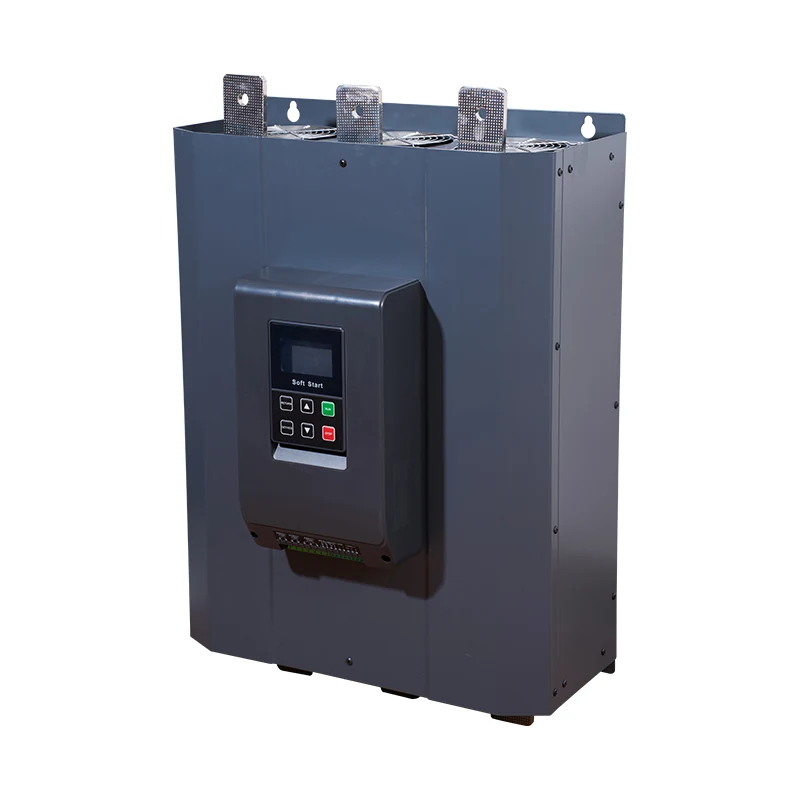
Motor soft starter summaries describe gradually increasing terminal voltage without wye-delta contactor switching—procurement advantage is fewer winding reconnection events and programmable ramp times when six-lead motors are unavailable.
 .
Soft starter advantage versus fixed impedance reactors
Reactor start (current-limiting reactor tap) inserts a fixed impedance step during start—economical when starts are infrequent and voltage is stiff, but it does not offer repeatable timed ramps or adjustable current limits on every start command.
Soft starters provide electronic ramp and limit settings that maintenance can tune seasonally—still fixed-speed at run, unlike drives that change output frequency during production.
Procurement teams should label reactor-based reduced-voltage starts separately on bid tabs so vendors do not substitute a single impedance tap when the spec already called for timed SCR ramps and adjustable current limits during start.
Where VFD starting-method advantages overlap—and diverge
Variable-frequency drives can soft-accelerate during start, but they commit the branch to inverter hardware, harmonics review, and motor cable practices even when the process never throttles after commissioning.
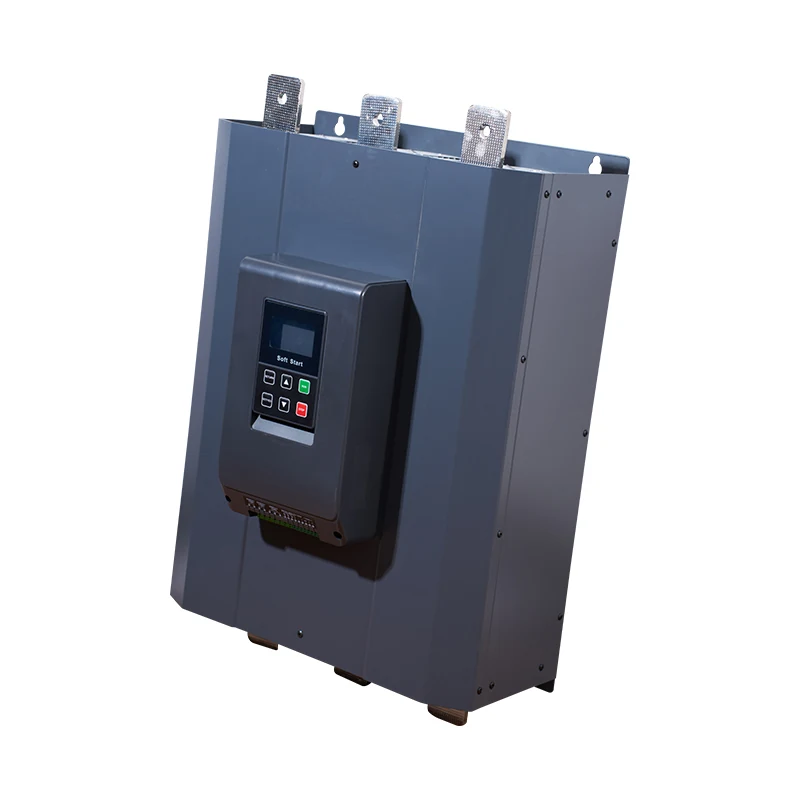
If the spec only needs starting method control at line frequency, soft starters usually carry lower control-stack weight than VFDs—soft starter vs VFD on the same RFQ should state whether adjustable run Hz is in scope; if the spec needs adjustable run speed, VFD advantages dominate and advantages of VFD applies instead.
Harmonics studies, long motor cable rules, and speed-loop commissioning belong on VFD line items even when the drive menu offers a slow ramp—those rows are why procurement separates starting method from speed control method on the same plant standard.
 .
Spec-sheet rows buyers copy into RFQs
Copy these rows into RFQs so advantages of soft starter method language survives vendor paraphrase:
- Starting method: SCR reduced-voltage ramp; run at line frequency.
- Expected starts per hour and duty class (cite motor nameplate FLA).
- Required ramp adjustability and current limit during start.
- Bypass or online duty expectations and monitoring outputs if SCADA reads starter health.
- Explicit exclusion of adjustable run speed unless a VFD is intended.
Do not copy reactor or breaker catalog numbers as soft starter substitutes—see current limit versus soft starter when those names appear on the same bid tab.
Plant standards that still reference wye-delta contactor sequences should be updated when six-lead motors are unavailable on retrofit tags—starting-method advantages of SCR soft starters include avoiding that reconnection interval while keeping run at utility frequency.
ZR800 recommend when SCR starting method wins
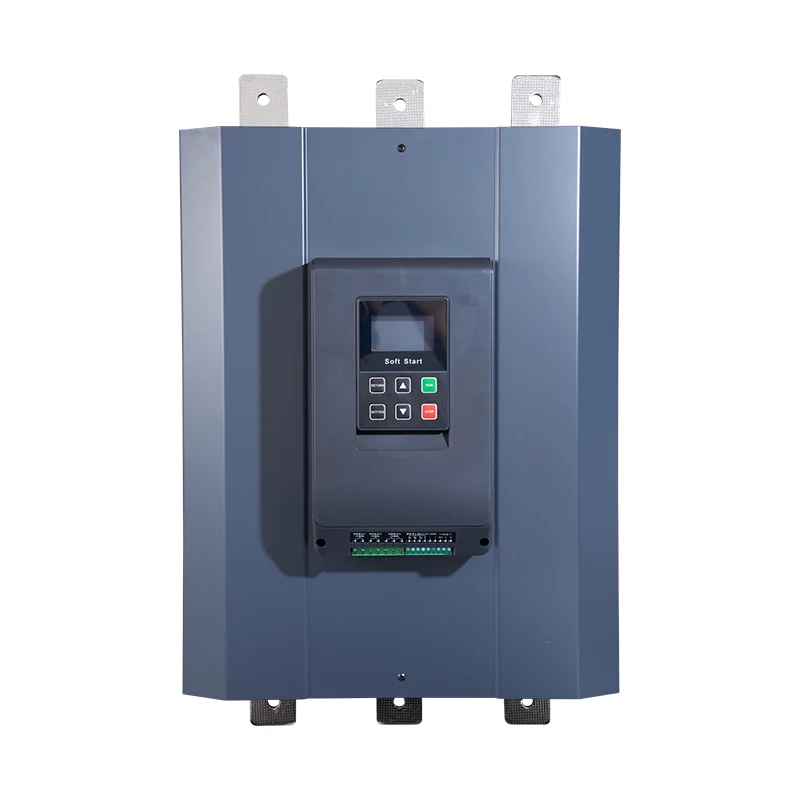
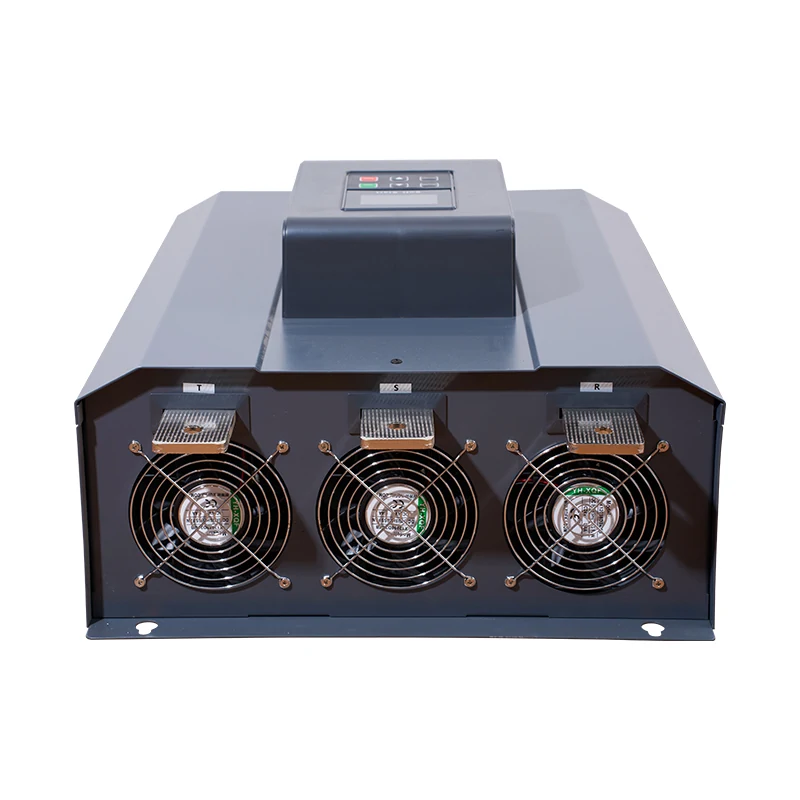
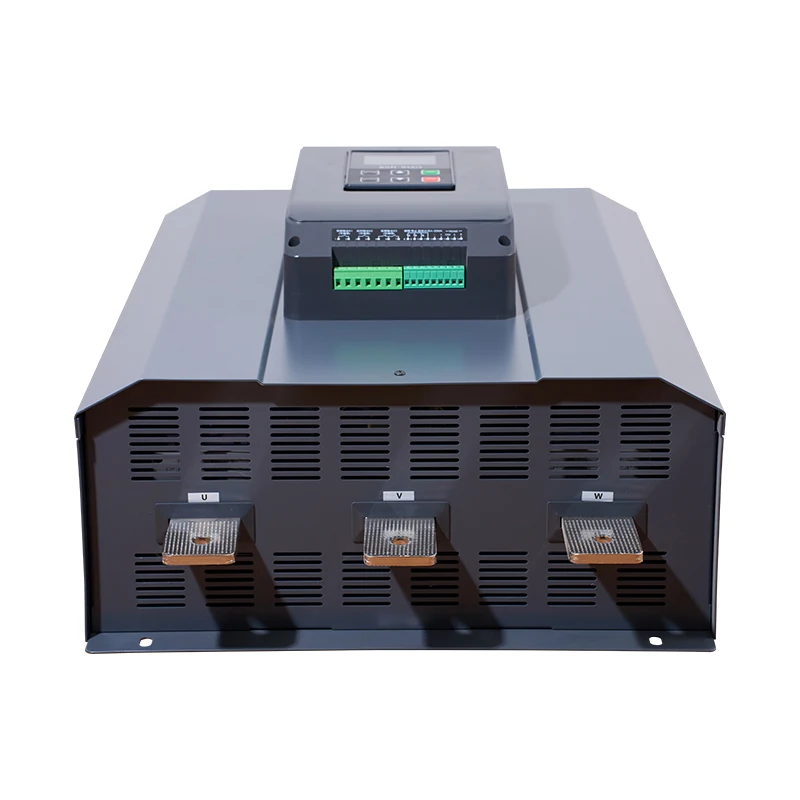
When the starting-method table points to SCR reduced-voltage start, anchor the RFQ to the public ZR800 online soft starter family and cite published protection and monitoring rows—not generic “soft start module” wording.
The ZR800-18.5-90KW online soft starter product page lists 12 protection functions on its published feature table plus monitoring of current, voltage, phase sequence angle, frequency, and cumulative runtime.
The same table documents 4–20 mA output at 0.5% linear accuracy for process feedback where specified—still subject to loop calibration on site.
 .
Copy the ZR800 series name and motor band on the RFQ line item so vendors quote SCR reduced-voltage hardware—not a drive line card—when the starting-method table already excluded adjustable Hz.
 .
| Published ZR800 row | Starting-method advantage for buyers | Verify on project |
|---|---|---|
| 12 protection functions | Maps method choice to trip diagnostics | Fault enable policy |
| Electrical monitoring | Supports audit of start events | Comms wiring |
| 4–20 mA, 0.5% linear accuracy (features list) | Plant instrument tie-in | Loop power |
Frequently Asked Questions
Answers stay at starting method level; motor train detail lives on the motor soft starter advantages page linked above.
Standards reviewers should attach the starting-method table excerpt to internal engineering memos so advantages of soft starter language survives vendor paraphrase during bid leveling—especially when alternates quote DOL contactors as “equivalent soft start” without SCR hardware on the line item. Keep a signed method selection snapshot with the RFQ so post-award change orders cannot silently downgrade SCR ramps to contactors without engineering review.
What are the advantages of soft starter versus DOL?
SCR ramps spread inrush over time and reduce torque steps compared with a single full-voltage step—DOL remains simpler when starts are rare and feeds are stiff.
What are the advantages of soft starter versus star-delta?
Soft starters avoid wye-delta transition dips and six-lead constraints on many retrofit motors while offering adjustable ramp times—star-delta can be cheaper when six leads and transition torque are acceptable.
What are the advantages of soft starter versus a VFD as a starting method?
Soft starters keep run at line frequency with lower control complexity; VFDs add adjustable run speed and harmonics planning when the process needs variable frequency during production.
Is a soft starter the same as a current-limiting reactor?
No—reactors provide a fixed impedance step; soft starters provide timed voltage ramps and electronic current limits during start.
Does soft starter method save energy during run?
Not by slowing the motor—run stays at line frequency. Energy-related advantages appear indirectly when reduced inrush avoids oversizing upstream equipment stressed by DOL—not by throttling speed.
When should the starting method be VFD instead of soft starter?
When adjustable run speed, continuous flow modulation, or holding intermediate speeds is part of the process recipe.
What should appear on a procurement spec when soft starter wins?
Starting method label, motor FLA, starts per hour, ramp/limit requirements, bypass expectations, and monitoring outputs—plus explicit statement that run frequency stays at utility Hz.
How does this page differ from soft starter benefits articles?
Benefit pages discuss payoff themes; this page compares starting methods on bid tabs and RFQ rows for plant-level buyers.