
A control cabinet emergency stop reset must not, by itself, restart hazardous machinery. Releasing the emergency-stop device and restoring permission to operate are different from issuing a fresh, authorized start command. Acceptance testing should confirm that distinction across local controls, remote commands, automatic demand and power restoration. Start with the machine’s approved safety requirements and drawings, then record what each action actually does. A reset lamp or a cleared alarm alone is not evidence that unexpected restart has been prevented.
This guide helps buyers and commissioning teams specify and witness reset behavior. It is not a wiring diagram or a claim that a standard cabinet contains a particular safety function. A competent machine-safety designer must determine the required architecture and validate it for the application.
Define the boundary before testing a button
Identify the equipment affected by each emergency-stop device. A cabinet may control one motor, several pumps or a section of a connected process. Write down which hazards must stop and which supporting functions may need to continue to avoid an additional hazard. Do not assume that every device in the building belongs to the same stopping zone.
Then identify every command source: door-mounted controls, an HMI, a remote station, a supervisory system and automatic process logic. Include any maintenance or setup mode that can change the command path. The reset review is incomplete if it observes only the most convenient local start button.
Use a numbered list of emergency-stop devices and a drawing reference for each. Record the expected operator location and visibility of the affected area. Where a person cannot see the whole danger zone, the designer must address that limitation in the approved restart arrangement rather than treating a warning label as the whole solution.
Distinguish release, reset and restart
The UK machinery safety requirements in Schedule 2 state the fundamental distinction: disengaging an emergency-stop device permits restarting but must not itself restart machinery. This is a useful design reference, not a universal declaration of the legal requirements for every destination market. The responsible designer must identify the rules and standards applicable to the actual machine.
In practice, three actions may be involved. First, the actuated device is deliberately released. Second, the safety-related control system may require a separate reset or acknowledgment. Third, an authorized start request initiates operation under the approved conditions. Some designs combine parts of this sequence differently; the critical acceptance point is that restoring readiness does not unexpectedly initiate a hazardous action.
Do not label a control simply “reset” without defining its effect. A fault reset in a drive, a safety-system reset and an acknowledgment on an HMI can have different meanings. The operating instructions should explain each action in language that matches the actual control labels.
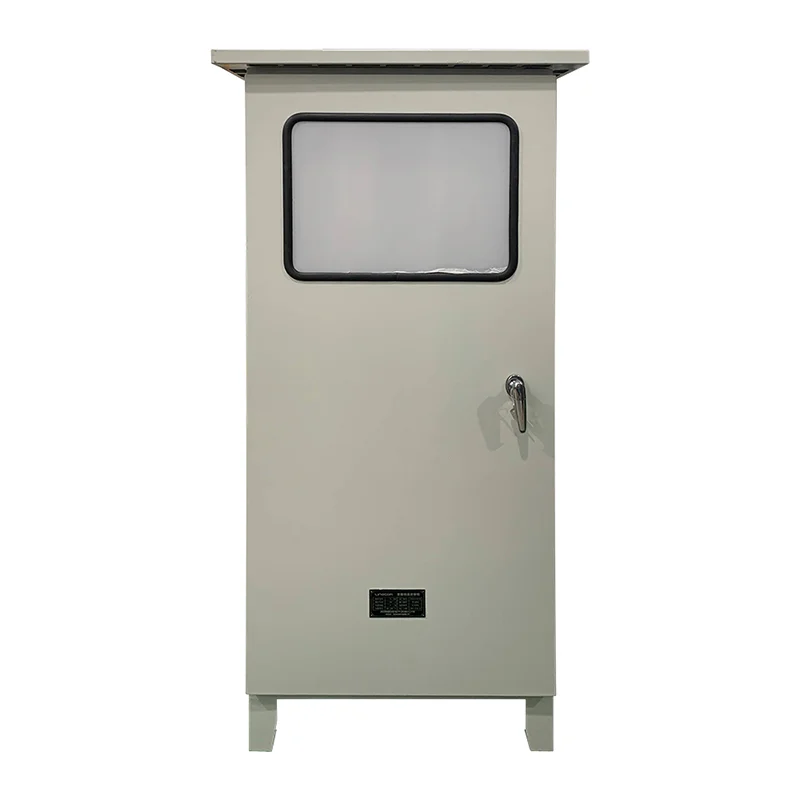
This original cabinet photograph illustrates enclosure construction only. A closed door does not reveal the safety-control design or prove that an emergency-stop function is provided. Specify the required function in the project documents.
Separate emergency stopping from maintenance isolation
An emergency stop is not a substitute for securing hazardous energy before maintenance. A stopped motor may still have electrical power available, and a machine may retain pressure, stored mechanical energy or a suspended load. The appropriate maintenance procedure must address the equipment’s actual energy sources.
HSE’s Safe use of work equipment guidance distinguishes control measures from secure isolation. It also explains that restarting after a protective stop normally requires deliberate operation of a start control. Apply those principles through a machine-specific procedure rather than assuming that pressing the red button makes internal work safe.
Before a witness test, agree whether the work is a functional test performed under a controlled commissioning plan or maintenance requiring isolation. Establish the test area, personnel responsibilities and stop conditions. Do not simulate a fault by removing live wires or defeating safeguards on an operating machine.
Build a restart-prevention acceptance matrix
The matrix below is a project test-planning aid based on the reset principle above. It is not a complete validation standard. The designer must define expected outcomes, safe test methods and any additional cases required by the risk assessment.
| Test condition | Question to verify | Evidence to retain |
|---|---|---|
| Emergency stop remains actuated | Are relevant start requests prevented from initiating hazardous operation? | Device identity, mode and observed machine response |
| Device is released | Does the equipment remain stopped until the approved restart sequence occurs? | Release action and actual output state |
| Safety reset is operated | Does reset restore readiness without initiating the hazard? | Reset action, readiness indication and output response |
| Remote run request remains present | Can a stale command cause movement during release or reset? | Command state and event sequence |
| Automatic process demand remains present | Is reauthorization handled as required after an emergency stop? | Demand state, mode and restart sequence |
| Control power is restored | Does power restoration preserve the intended restart protection? | Power event, retained states and observed response |
| Operating mode changes | Can switching modes unintentionally initiate operation? | Old mode, new mode and command status |
Do not fill the observed-result column in advance. If a test cannot be safely performed, record it as outstanding and agree a suitable alternative. A plan is useful preparation; it is not a passed test.
Look for commands that survive the stop
A common review question is whether a run request remains active in an upstream controller after the safety system stops the machine. That retained request may be intentional during normal process operation, but its interaction with emergency-stop recovery must be explicitly designed and checked.
Ask what happens to maintained local switches, latched HMI commands and network run requests. Does the application require a new command transition, a deliberate operator action or another validated authorization sequence? Do not assume that clearing a visible alarm clears the underlying request.
Review communication recovery as well. A supervisory system may reconnect after a delay, making a restart issue appear long after the emergency-stop device was released. The witness record should include the command source and event order, not just a statement that the machine was initially stationary.
This is particularly relevant when a variable-frequency control cabinet operates automatically from process demand. The product family describes a control application; project-specific safety behavior must be engineered, documented and accepted separately. Our multi-pump cabinet acceptance guide covers complementary duty and standby questions.
Confirm that indications describe the real state
“Ready,” “running,” “safe” and “reset required” should have distinct meanings. A drive can be ready to accept a command while the machine is not authorized to restart. A contactor indication may not prove the position of every power contact. A screen message should not be treated as the sole evidence of a safety function.
Ask the designer to identify the signals used for diagnostics and those used within the safety-related control system. An ordinary PLC status display can help an operator locate an actuated device, but its presence does not establish the required safety integrity. Likewise, a safety-marked component does not by itself validate the complete sensor-to-actuator function.
HSE’s introduction to machinery safety emphasizes competent control-system changes and checking that changes are correct. Use that approach for reset modifications: retain the revised documentation, identify the changed behavior and repeat the affected acceptance cases.
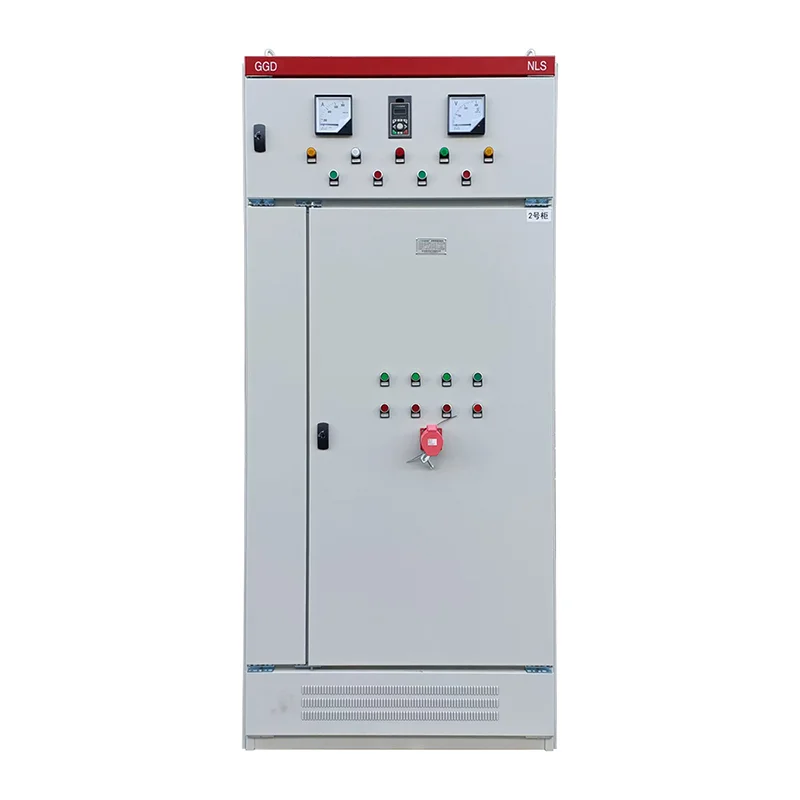
The pictured cabinet is a separate original website product reference. Visible controls are not a specification for the safety architecture inside. The purchase order and accepted drawings must define the supplied configuration.
Investigate a failed reset without bypassing protection
If the equipment will not reset, first record the state and diagnostic information. Identify which emergency-stop devices remain actuated, which guards or other protective conditions are involved and what the approved reset sequence requires. Preserve the event log before repeatedly attempting recovery.
Check the controlled documents against the installed equipment. A changed device, an incomplete maintenance task or an outdated drawing can mislead troubleshooting. Electrical investigations and fault simulation belong to qualified personnel following an approved safe method. Do not bridge a safety input as a production workaround.
A reset that unexpectedly starts the machine is a different failure from a reset that is refused. Treat unexpected operation as an acceptance failure and stop the test safely. Repeating the sequence without understanding it exposes people to the same unresolved hazard. Record the operating mode, active command sources and exact actions that preceded the event.
For the wider enclosure and automation context, see what a PLC cabinet contains. For documenting a controlled witness sequence, use our PLC cabinet FAT checklist alongside the machine-specific safety-validation plan.
Put responsibilities into the purchase documents
The inquiry should include the machine description, operating modes, controlled equipment boundary, destination market and existing safety documentation. State whether the cabinet is part of a new machine, a replacement panel or a retrofit to an operating process. Identify who owns the overall risk assessment and final validation.
Request a functional description that distinguishes emergency-stop actuation, device release, safety reset, fault acknowledgment and authorized restart. Ask for the control labels, relevant drawing revisions and expected responses across local, remote and automatic modes. Avoid specifying only “one emergency stop button” without defining its required effect.
Agree which tests are completed at the factory and which depend on the installed machine. A factory simulation may demonstrate control logic while leaving actual stopping performance, zone visibility and site interfaces for commissioning. List those outstanding items clearly so that factory acceptance does not silently become final machine acceptance.
At handover, retain the signed results, unresolved issues, corrected drawings and operator instructions together. Changes to communication control or automatic operation after delivery should trigger a review of the affected restart cases rather than being treated as unrelated software adjustments.
Educational video: emergency shutdown and emergency stop
The RealPars video below introduces emergency shutdown systems and explains why their process-safety role differs from a machine emergency stop. It supports the boundary discussion in this article. It is not a wiring prescription, a safety certification or a substitute for the specific machine’s validated reset sequence.
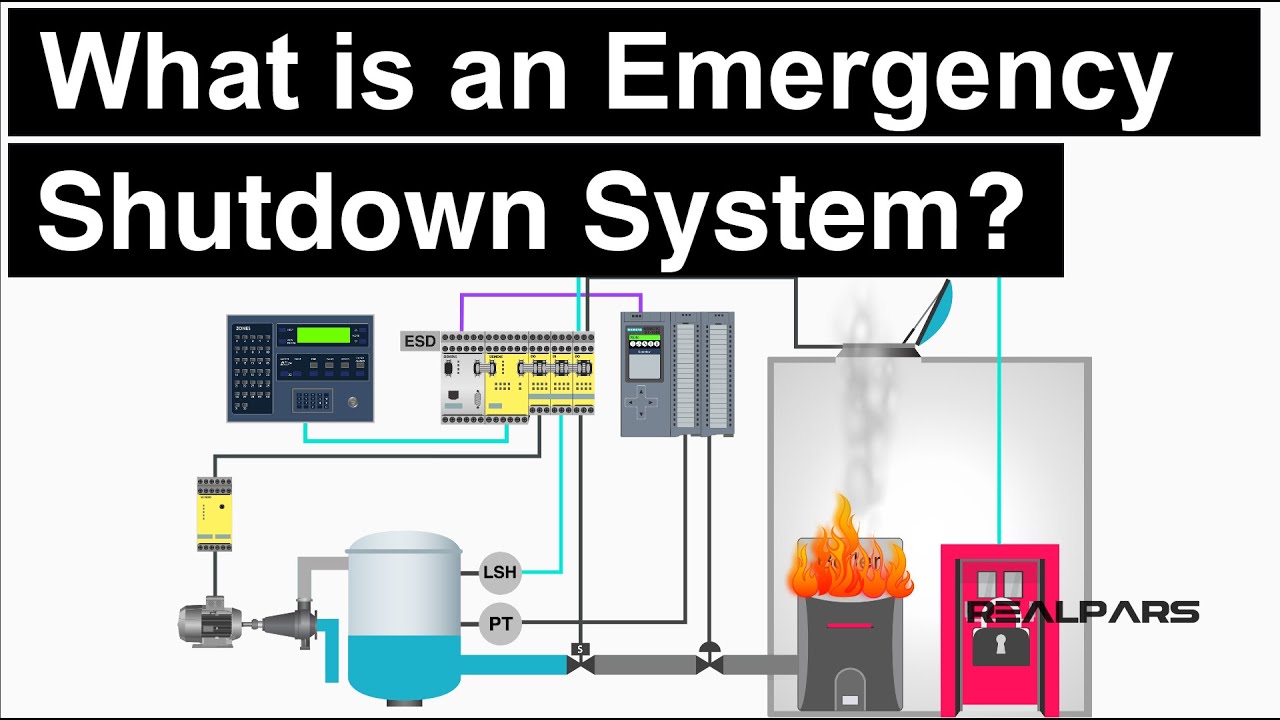
Video by RealPars. Watch What is an Emergency Shutdown System? on YouTube.
Frequently asked questions
Should releasing an emergency stop restart the motor?
No. Releasing the device must not itself initiate hazardous machinery operation. The approved system must require the appropriate restart authorization after the reason for the emergency stop has been addressed.
Does a PLC alarm reset prove that the safety system has reset?
No. An alarm acknowledgment, a drive fault reset and a safety-system reset can be separate actions. Check the approved functional description and the actual machine response rather than relying on a single screen message.
Can an emergency stop replace lockout during cabinet maintenance?
No. Emergency stopping does not establish secure isolation of all hazardous energy. Apply the equipment-specific isolation procedure and verify the required safe condition before maintenance begins.