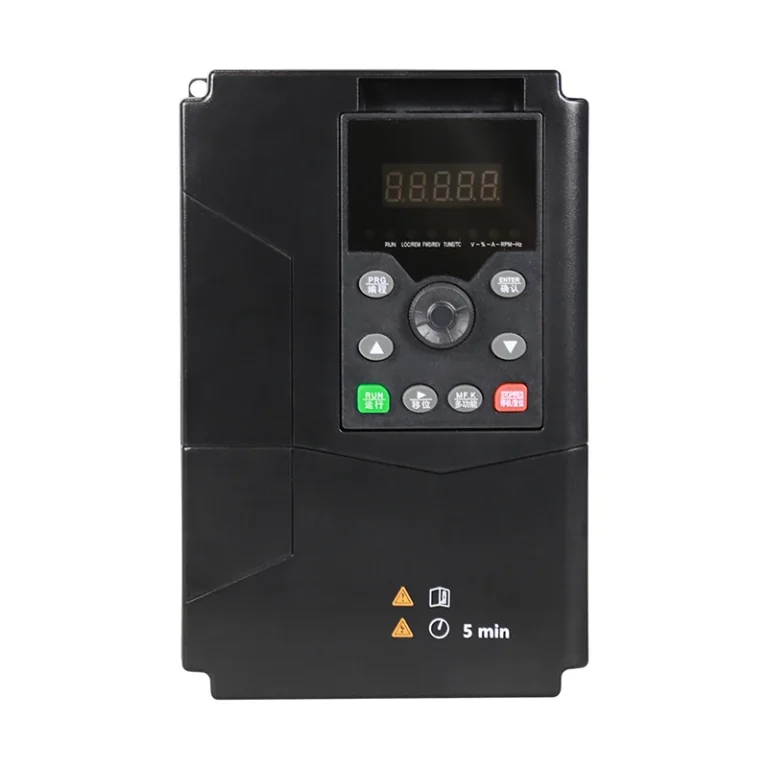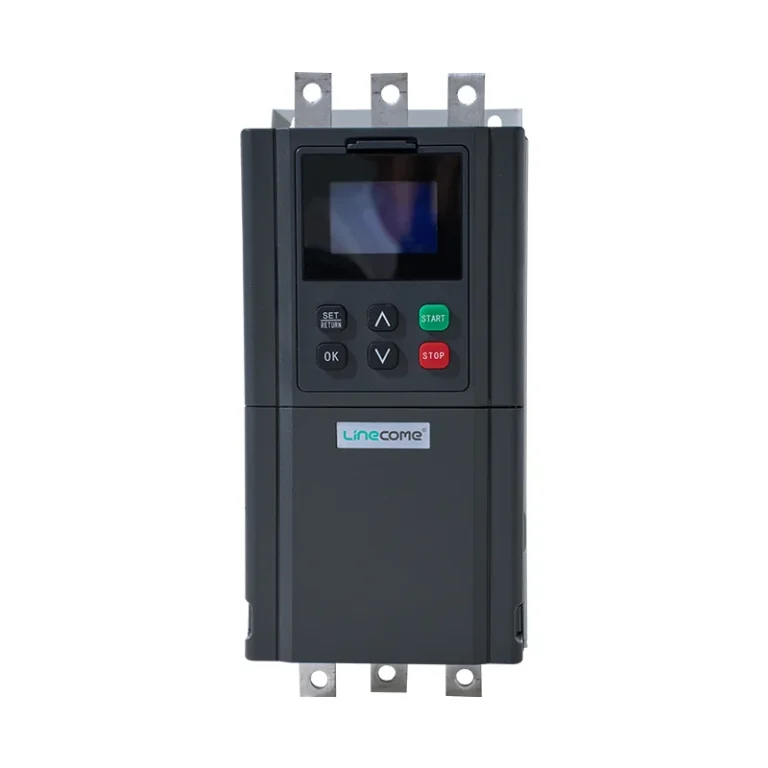

What are vfd units in industrial procurement are adjustable-speed motor controllers—often called variable frequency drives or AC drives—that change motor speed by coordinating output voltage and frequency instead of leaving the machine at fixed utility frequency only.
Teams searching what are vfd in plural form are usually onboarding buyers or project coordinators who see “VFD” on pump, fan, and conveyor packages before anyone on staff owns drive terminology. The opening and applications context on those RFQs is usually a fleet-level definition, not a single abbreviation on a one-line.
Legacy specs may still ask what is a vfd in electrical or what is vfd in electrical in singular form—treat those as the same variable frequency drive (VFD) device class. International RFQs often swap label columns without changing the hardware family you are being asked to quote.
| Label on RFQ | Usual meaning | Notes for new buyers |
|---|---|---|
| VFD | Variable frequency drive | Most common US industrial tag |
| ASD / VSD | Adjustable-speed or variable-speed drive | Same controller class on most RFQs |
| AC drive | Motor inverter system | May omit input converter in casual use |
Use the Variable Frequency Drive hub after you confirm adjustable speed belongs on the requisition. For panel abbreviations, see VFD electrical meaning; for control-mode columns, see types of VFD; for rectifier-and-inverter stages, see how a VFD works—this page stays on “what are VFDs” for procurement teams new to drives.
 .
What are VFDs in one sentence for procurement teams
Variable frequency drives (VFDs) are electronic motor supplies that let three-phase (and some single-phase-fed) induction motors run at commanded speeds below or above synchronous speed by adjusting frequency and voltage together.
That one-line answer is what what are vfd RFQs usually need before anyone opens a mechanism guide: the plant is buying adjustable-frequency branches, not merely soft-started fixed-speed branches.
If your packet already lists vector control or input voltage class, you are past this page—jump to types and installation articles linked above.
What variable frequency drives do on the plant floor
On the floor, VFDs sit in motor control centers, packaged skids, or machine panels between branch protection and the motor cable.
They start, stop, accelerate, and hold speed on fans, pumps, compressors, conveyors, and mixers when the process recipe changes. Encyclopedia summaries describe the same functional chain: utility AC is converted and re-formed so motor terminals see controlled frequency during run—not only during a start ramp.
Procurement should treat each “VFD” line item as a motor branch decision: one drive row per motor unless the spec explicitly documents a multi-motor arrangement approved by engineering.
Integrators who audit an entire MCC often find VFDs clustered on fan and pump feeders first, then on conveyors where speed recipes change by shift. Spare-part planning should treat drives as long-lead electrical items with firmware and parameter backups—not as interchangeable contactor auxiliaries.
When multiple VFDs appear on one project, align who owns commissioning: OEM machine builder, electrical contractor, or owner operator. The what are vfd conversation ends at device class; startup, tuning, and network mapping remain manual-driven tasks on the models you order.
How “what are VFDs” differs from related drive articles on this site
This site already publishes narrower answers; what are vfd is the plural onboarding lens for teams comparing several tags at once.
| Your question | Read this first | Why not here |
|---|---|---|
| What does “VFD” mean electrically on a drawing? | VFD electrical meaning | Abbreviation and one-line focus |
| V/f versus vector versus input type? | Types of VFD | Catalog taxonomy, not fleet intro |
| Rectifier, DC link, PWM? | How a VFD works | Mechanism depth |
| Why buy drives at all? | Advantages of VFD | Benefit case, not definition |
 .
Common applications procurement teams tag as VFD
The applications section below lists loads procurement teams most often tag as VFD line items on first-pass BOMs.
Centrifugal fans and pumps dominate introductory what are vfd lists because throttling with dampers or valves while the motor runs at full speed is the classic adjustable-speed use case.
Conveyors, extruders, mixers, and some compressor trains also carry VFD tags when speed recipes or ramp profiles matter. HVAC air-handling units may say “VFD” when the intent is fan speed modulation—see HVAC VFD definition when the submittal is building-mechanical, not generic plant machinery.
Department of Energy material on adjustable-speed drives reminds readers that matching motor speed to load requirements is the operational reason drives exist—use that scope when you explain VFDs to finance stakeholders, not open-ended “always saves energy” claims.
VFD versus soft starter versus contactor for new buyers
Contactors snap the motor to fixed line frequency during run. Soft starters ramp voltage during start but also leave run frequency fixed. Only the VFD adjusts run frequency for continuous speed control.
| Device on motor branch | Run frequency | Speed control in normal production | Typical when |
|---|---|---|---|
| Contactor / DOL | Fixed utility frequency | None | Truly fixed-speed duty |
| Soft starter | Fixed utility frequency | Inrush ramp only | Fixed speed with harsh starts |
| VFD | Adjustable | Primary tool for throttled flow or speed recipes | Fans, pumps, adjustable conveyors |
 .
RFQ fields when your team is new to drives
The RFQ fields section here is the minimum data pack before anyone quotes LNC610 or LNC820 rows.
Photos of motor nameplates and one-line context reduce wrong voltage-class orders before drives ship. Motor terminals and supply voltage class on the nameplate anchor which adjustable-frequency branch you are buying—not just the kW column on a cover sheet.
List motor full-load amps, supply voltage at the disconnect, expected frequency range, enclosure location (indoor, outdoor, washdown-adjacent), and whether the process needs Modbus, analog speed reference, or built-in PID.
Note harmonic or regeneration concerns separately from the what are vfd definition paragraph—those topics belong in electrical studies, not in a first-pass fleet glossary.
Attach a one-line per motor: driven machine type, required speed range, and whether the load is constant or variable torque. Finance reviewers sometimes approve VFD lines faster when maintenance documents why fixed-speed contactors failed on the same duty—keep that narrative factual, not speculative savings.
For first international shipments, confirm whether the spec expects ASD, VSD, or VFD on the cover sheet so customs and local electricians see the label they recognize; the underlying adjustable-frequency controller is usually the same procurement object across those abbreviations.
The Important callout below is a compliance boundary for procurement teams, not a wiring checklist.
Important: Knowing what VFDs are does not certify code compliance—local rules, manufacturer manuals, and qualified engineers still govern grounding, disconnects, and life-safety interlocks. Community editors on drive talk pages likewise treat wiring, harmonics, and code sign-off as separate jobs from a fleet-level “what are VFDs?” definition.
Matching LNC820 and LNC610 drives — product fit for first VFD buys
Public series pages anchor examples once load class and motor data are known—they are not substitutes for nameplate matching in the field.
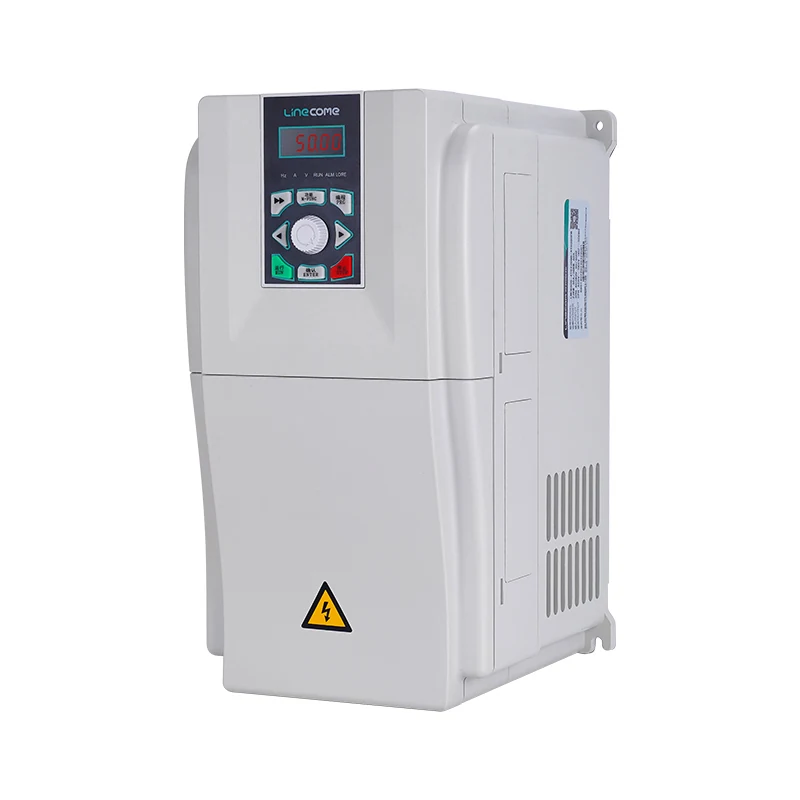
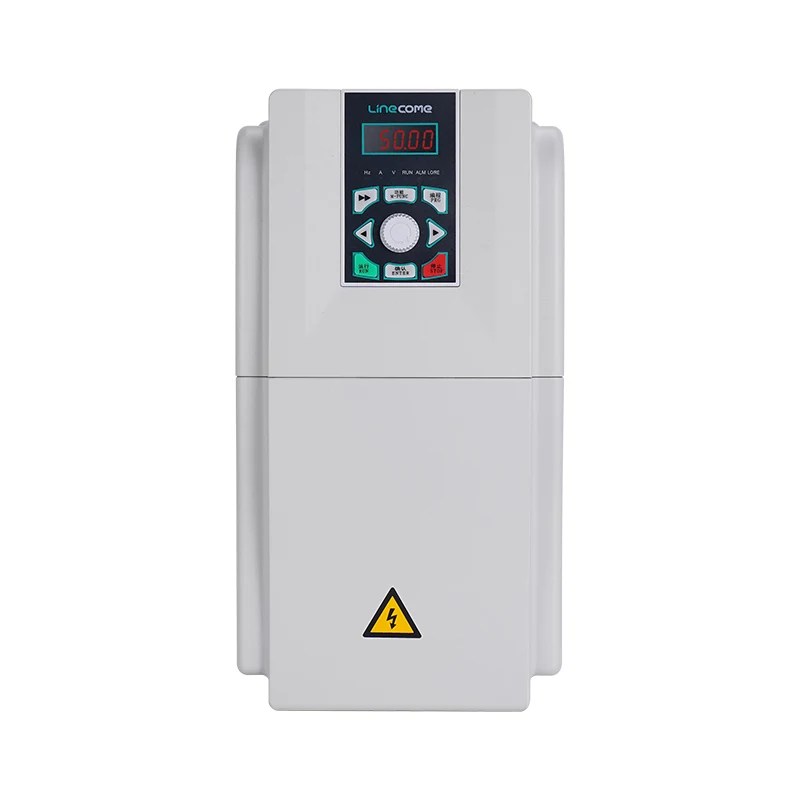
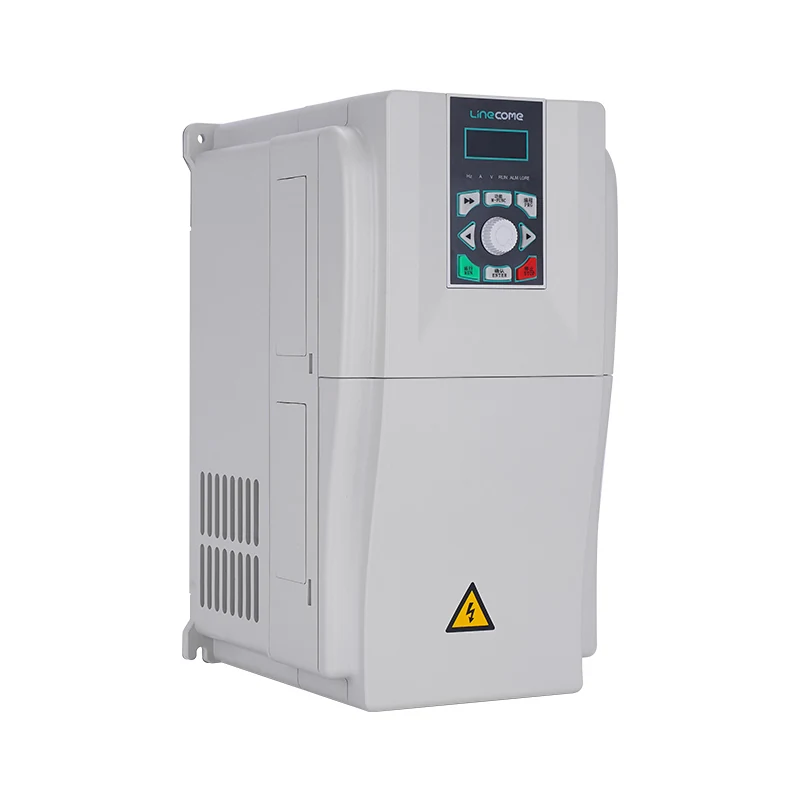
The LNC610 general-purpose VFD series lists wide output frequency range, V/F and open-loop vector modes, Modbus, and built-in PID on the public overview table—useful when a first VFD buy includes small pump or fan loops.
The LNC820 general-purpose VFD series spans higher kW bands on the public catalog with similar control-mode themes—match the row to motor voltage and amp columns before you freeze the BOM.
| First-buy signal | LNC610 (published themes) | LNC820 (published themes) | Still verify in field |
|---|---|---|---|
| Small fan or pump with PID setpoint | Built-in PID on overview | General-purpose kW rows | Sensor range, min speed cooling |
| Modbus on plant standard | Modbus on overview | RS485 themes on related rows | Addressing, integrator scope |
| Larger motor band on three-phase feed | Step up kW row carefully | Mid/high kW catalog rows | Input current, enclosure heat |
 .
 .
Share motor nameplate photos, expected speed range, and environment notes when you ask the supplier to map LNC610 or LNC820 rows inside published kW bands.
If your team is building a standard BOM for repeat OEM machines, document which motor branches truly need adjustable speed before you copy a VFD line to every tag—fixed-speed auxiliaries often stay on contactors until someone proves a throttle or recipe change.
Frequently Asked Questions
These answers stay introductory for procurement teams; commissioning steps live in the manual for the model you order.
What are VFDs in plain language?
They are adjustable-speed motor controllers that change run frequency and voltage so machines can run slower or faster than fixed line frequency allows.
Are VFDs and AC drives the same thing?
In most industrial RFQs, yes—both refer to adjustable-frequency motor supply hardware unless the spec explicitly means a different converter class.
How is this different from VFD electrical meaning?
Electrical meaning covers abbreviations and one-line symbols; this page explains what VFDs are as a fleet of devices procurement may see on one project.
How is this different from types of VFD?
Types of VFD compares control modes and input classes; this page answers “what are they?” before you choose a type column.
Does every motor need a VFD?
No. Fixed-speed duty with no throttle or speed recipe may remain on contactors or soft starters until a retrofit justifies adjustable speed.
Can one VFD run multiple motors?
Sometimes, with engineering approval and explicit multi-motor documentation—default RFQ practice is one drive per motor unless your spec says otherwise.
References
External references support definitional and contrast claims in this guide.